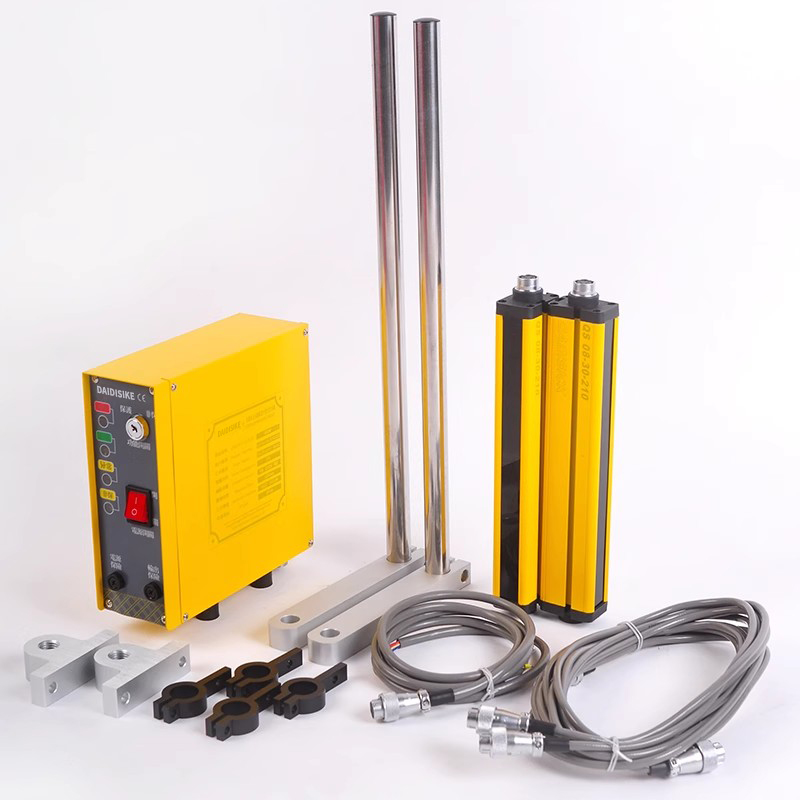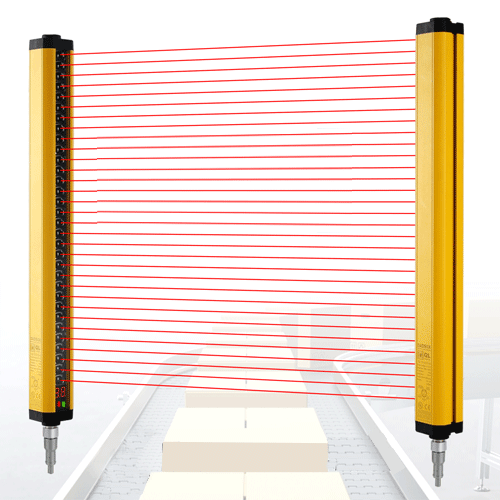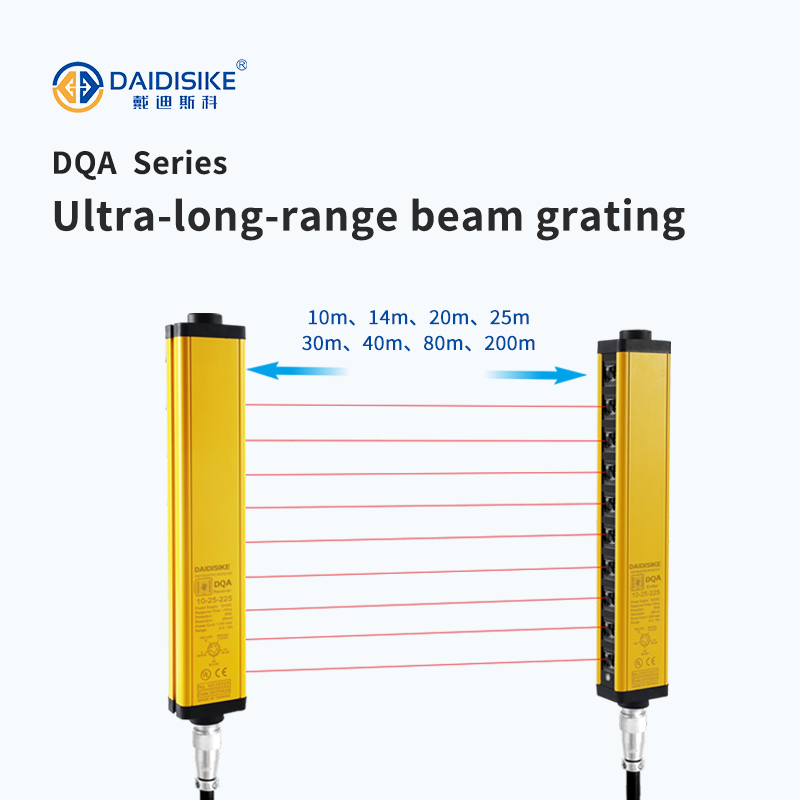
DQA Type 4 Safety Light Curtain — 3–50 m range, 10–200 mm

At DAIDISIKE, we engineer and manufacture a comprehensive range of industrial safety components and automation equipment for factory floors worldwide. From Type 4 safety light curtains protecting press brakes to advanced LiDAR scanners preventing AGV collisions, and from reliable safety door interlocks for robotic cells to heavy-duty coil feeders and straighteners — we keep your production lines running safely and efficiently. All our safety devices are rigorously tested to comply with international standards (CE, ISO 13849, IEC 61496). Scroll down to explore our product categories for detailed specifications, datasheets and wiring guides.
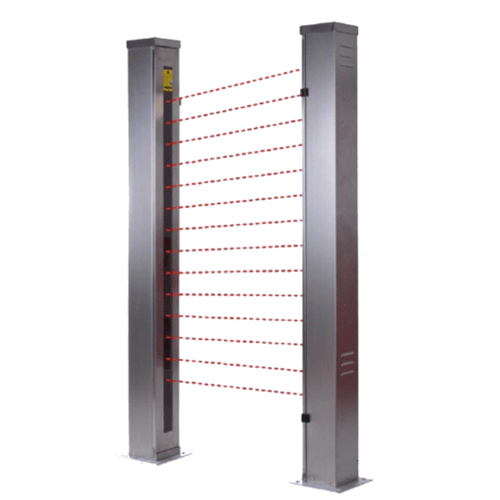
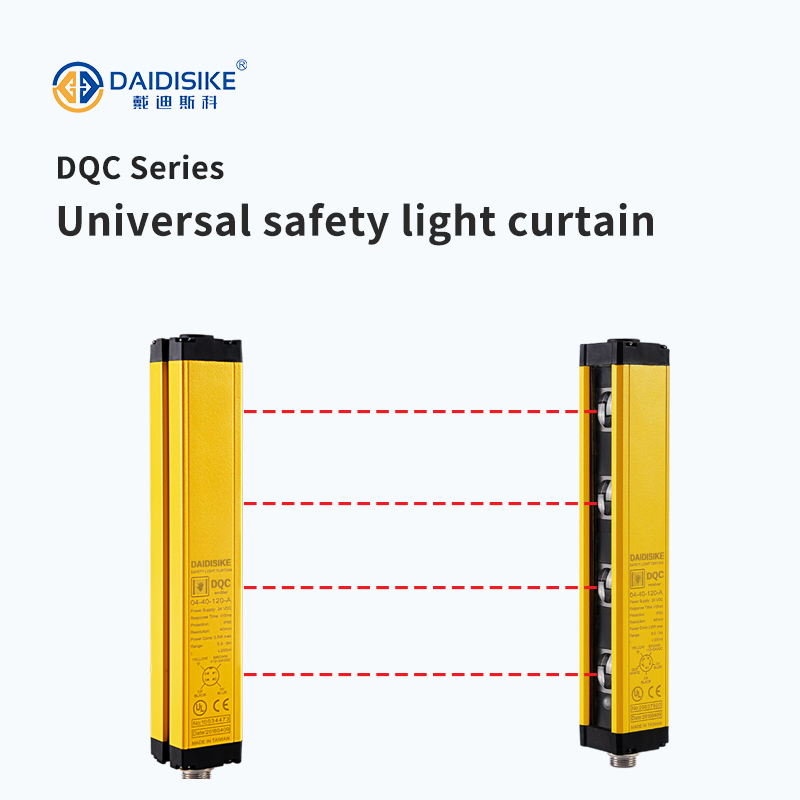
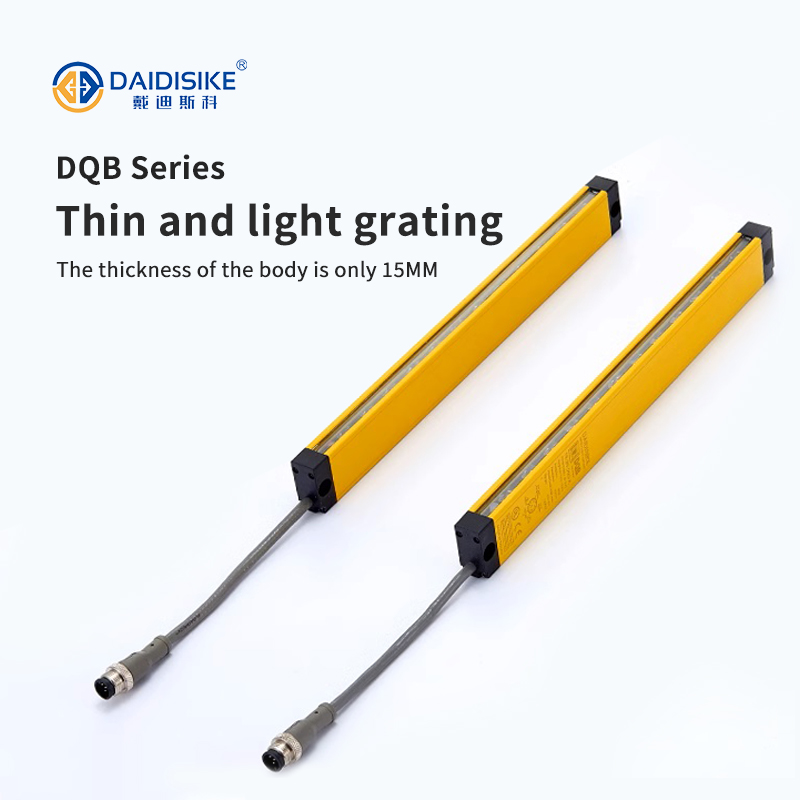
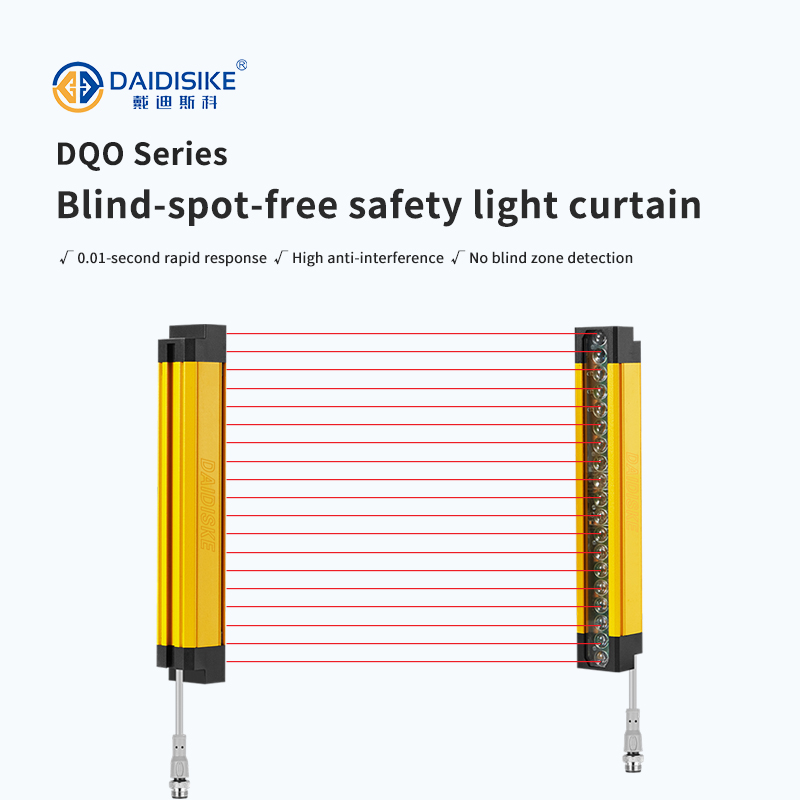
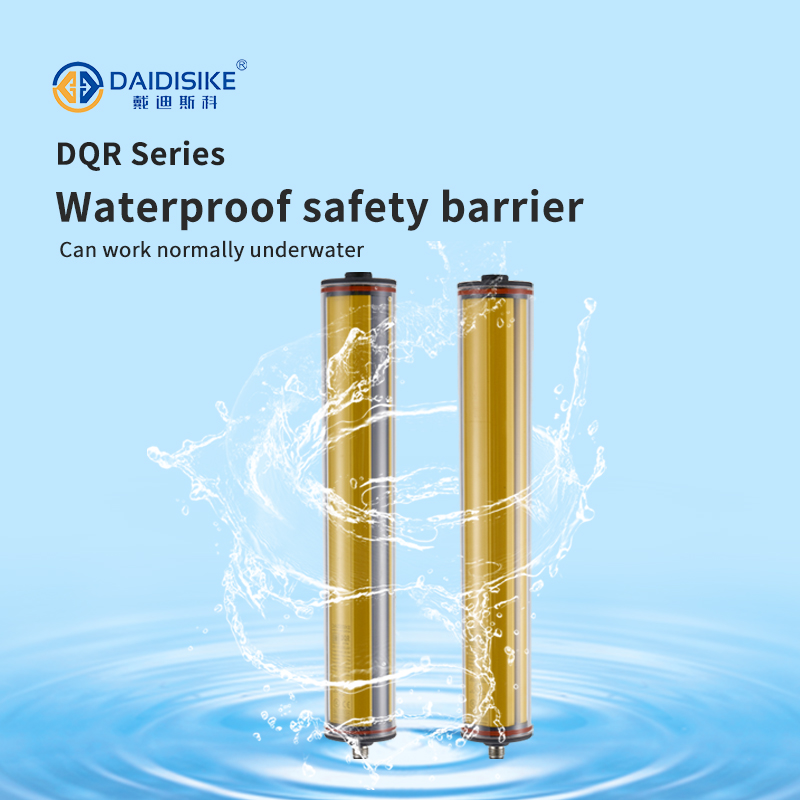
Electro-sensitive protective equipment that guards an open point of operation without a physical gate. Pick the series by detection capability first — a finger-resolution curtain is what lets you mount close to the hazard, while a coarser hand or body resolution has to sit further back per the ISO 13855 safety-distance calculation. Then match the environment: slim housings for in-frame retrofits, sealed housings for washdown and outdoor lines, and an explosion-proof variant where the atmosphere demands it. Type 4 models are the default for point-of-operation guarding on presses and shears; Type 2 is acceptable only where the risk assessment allows it.
View the Safety light curtain category →
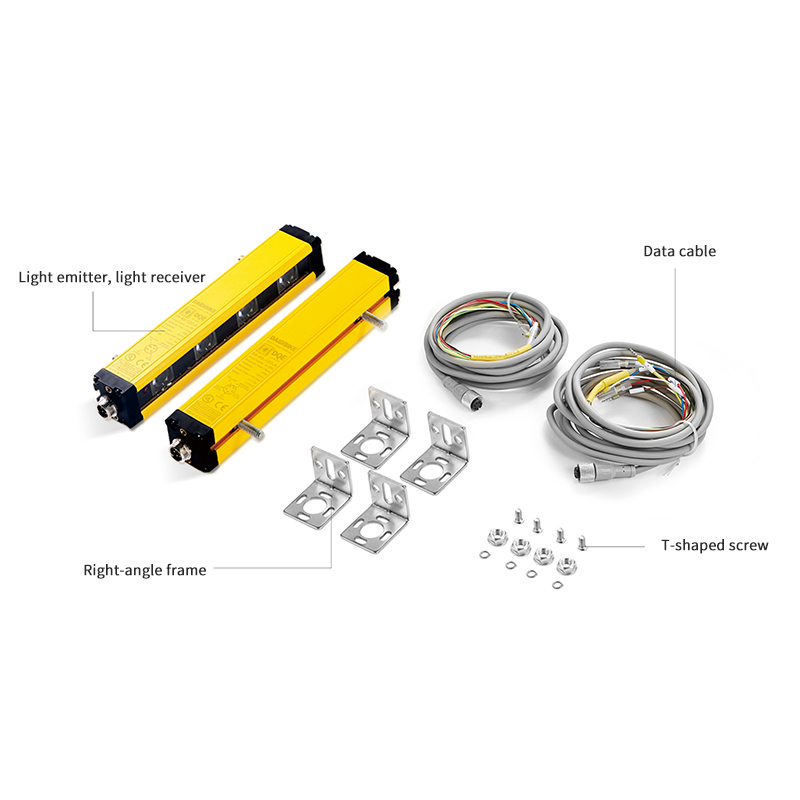
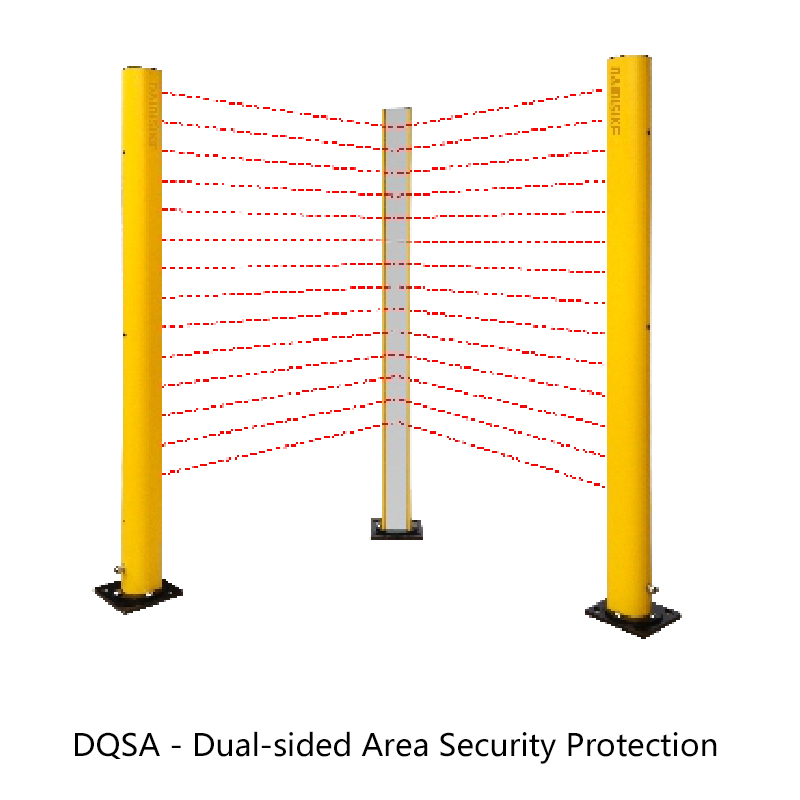
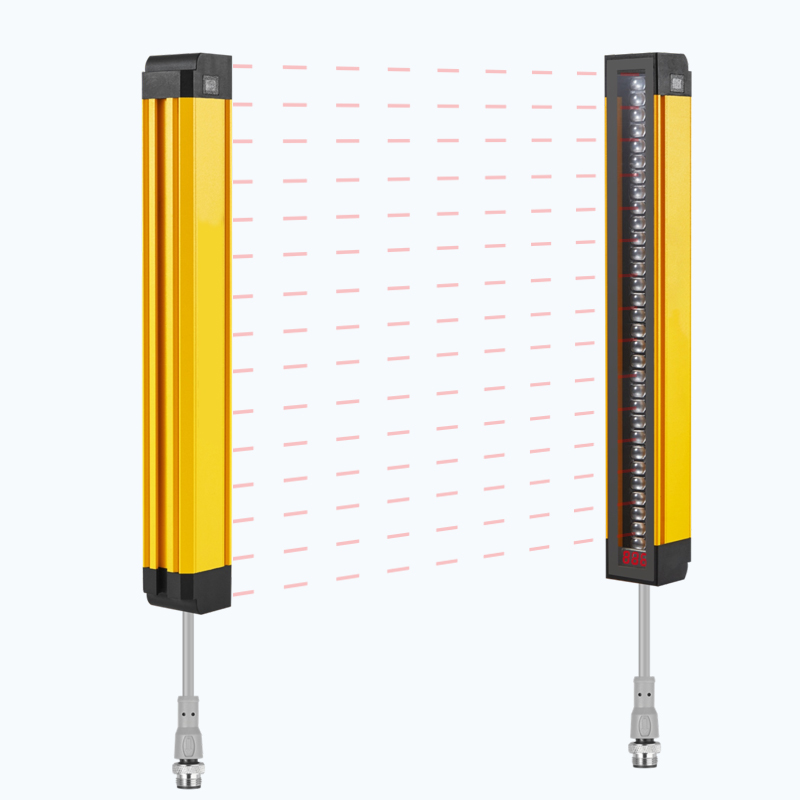
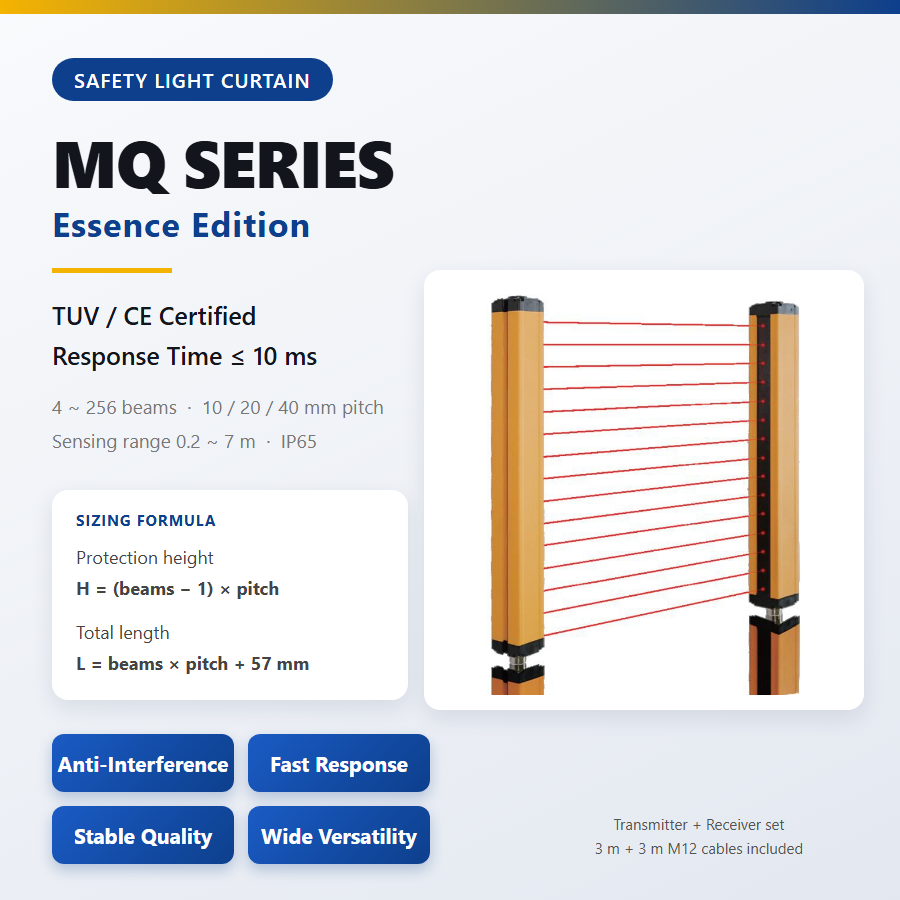
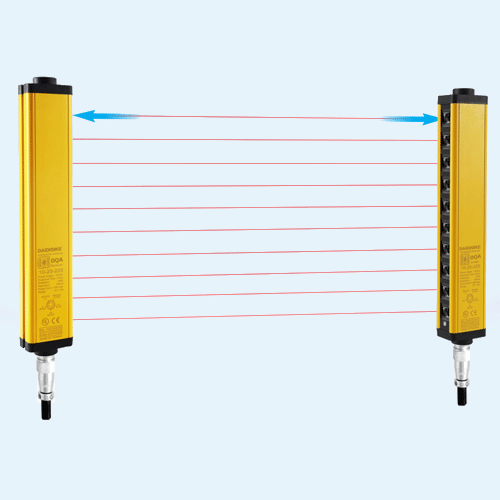
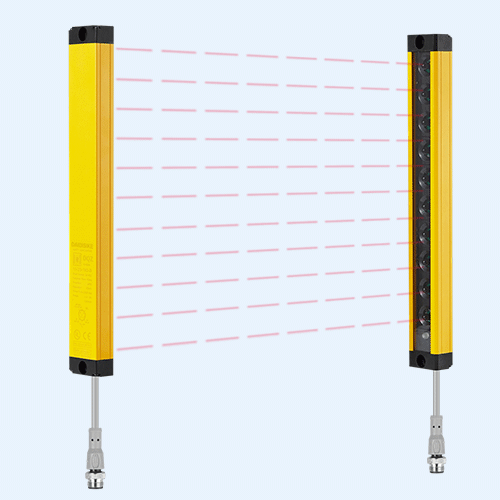
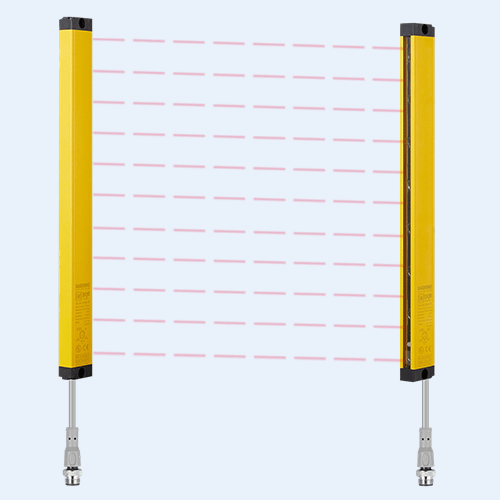
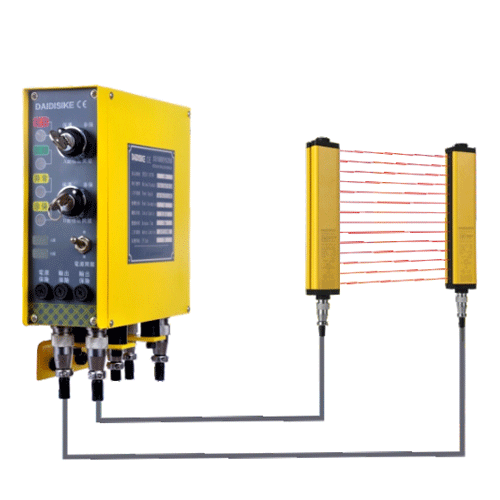
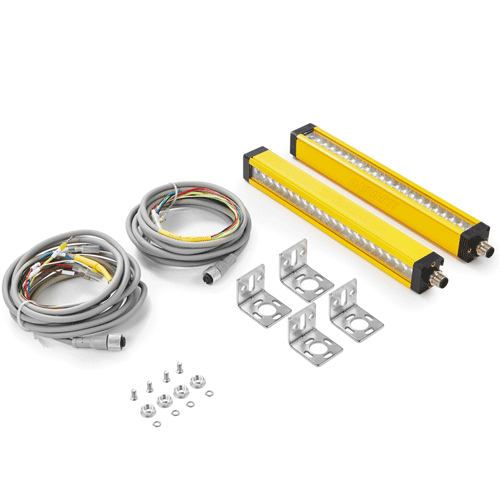
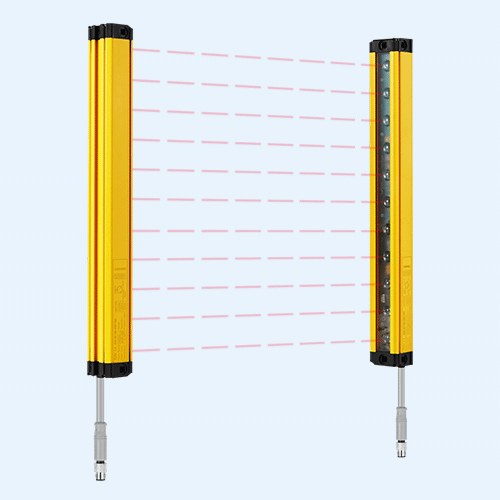
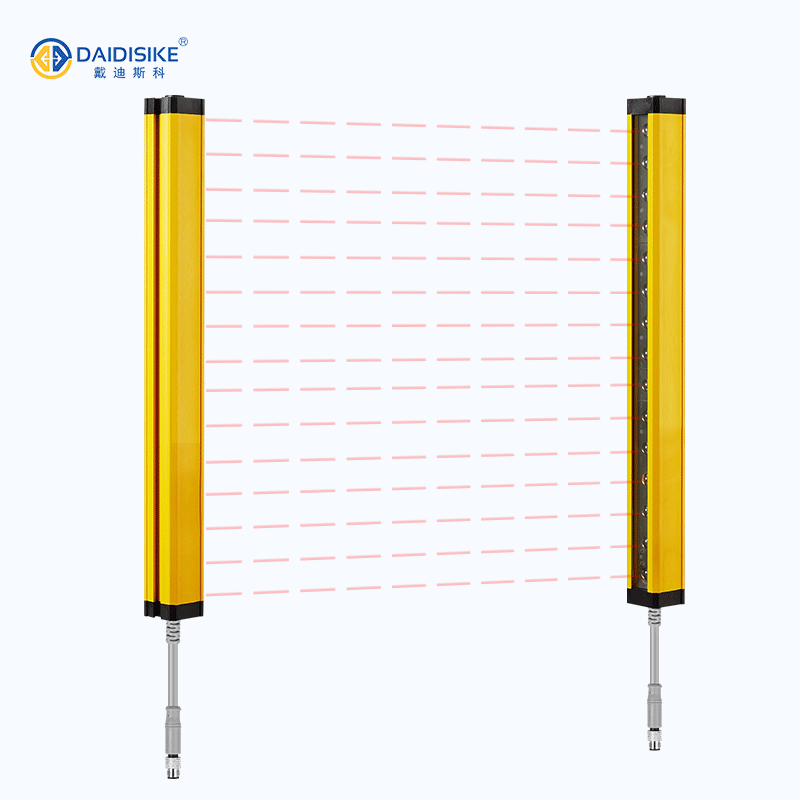
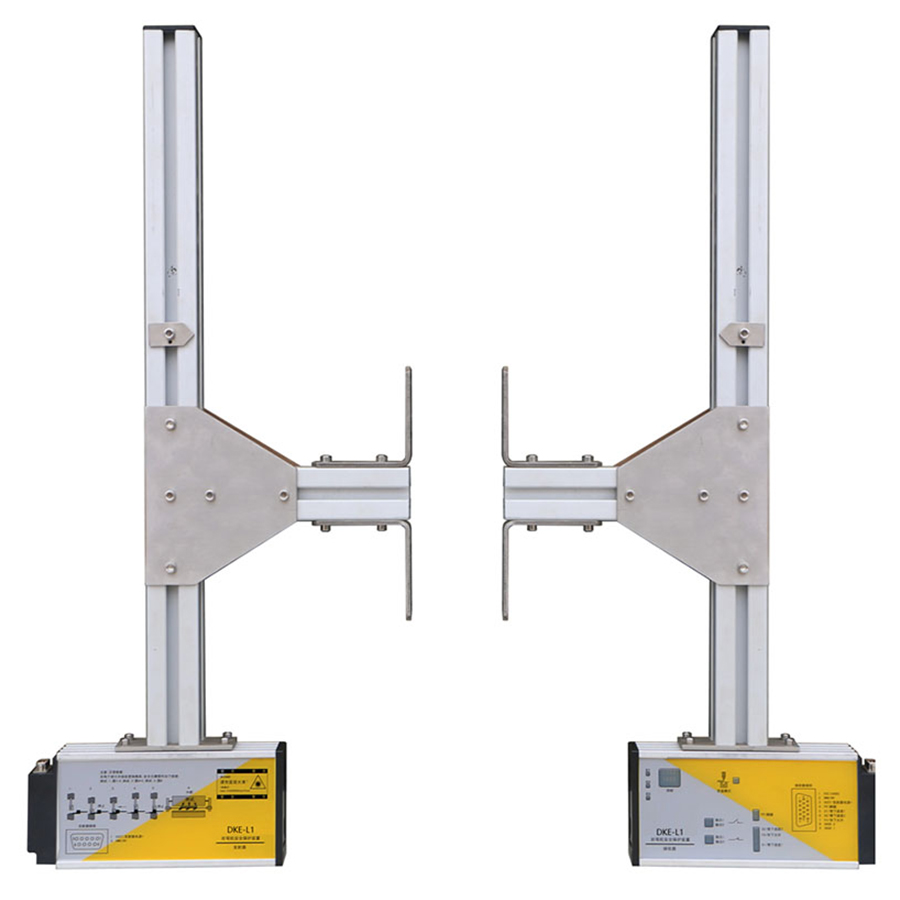
Purpose-built guards for the two hardest stamping jobs. On mechanical and hydraulic power presses the guard has to stop the stroke, so it is wired into the clutch/brake circuit through a safety relay and its stopping performance decides the mounting distance. On a press brake the beam has to follow the moving upper tool instead of standing still, which is why a laser guard mounted on the beam is used rather than a fixed curtain — a fixed curtain would either block bending or leave the pinch point open.
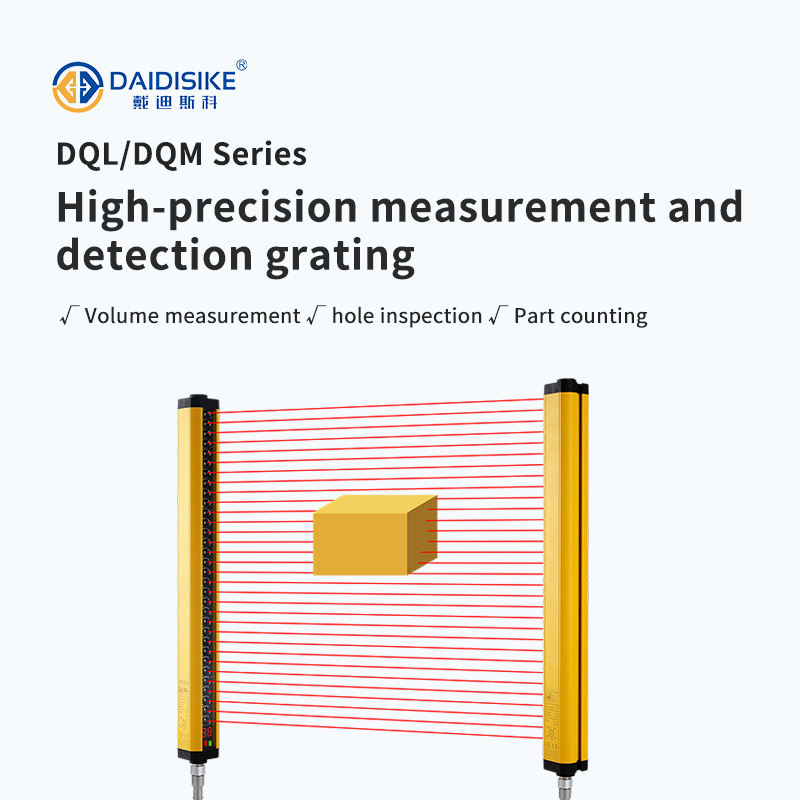
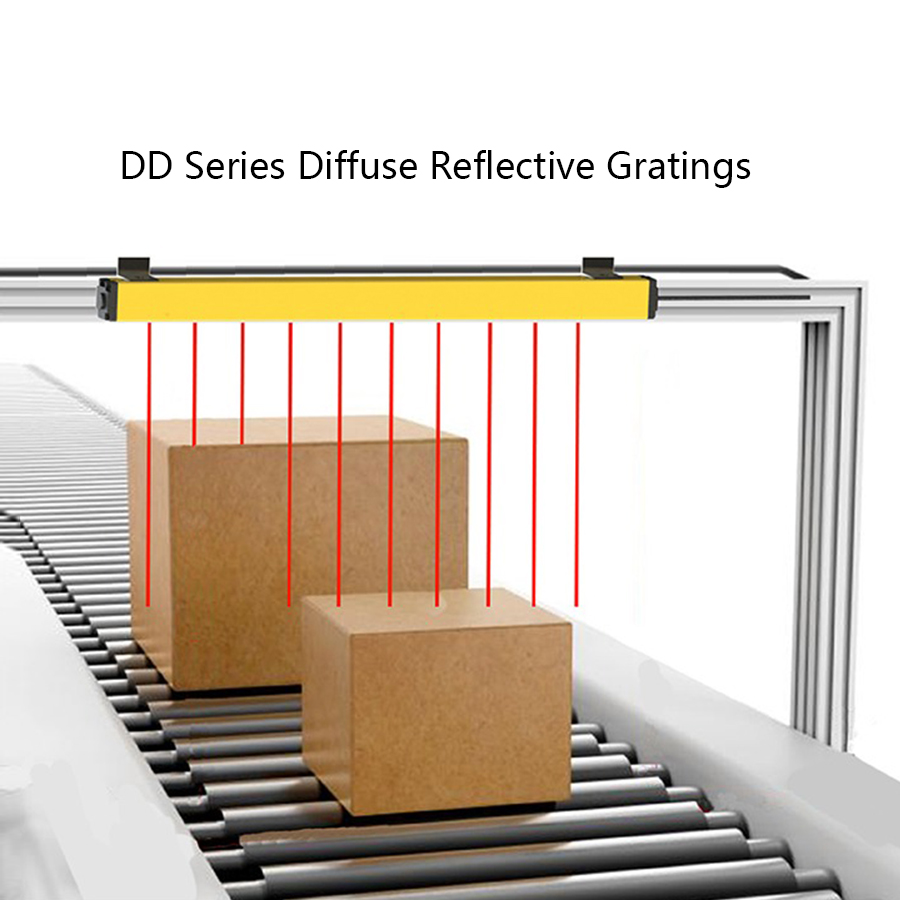
Same optical-array hardware as a safety curtain, different job: these report which beams are blocked so a controller can derive height, width, profile, position or piece count on a conveyor. They are measurement and automation devices, not certified safety components, and must never be used on their own for personnel protection. Choose by the smallest feature you have to resolve and by the interface your PLC expects.
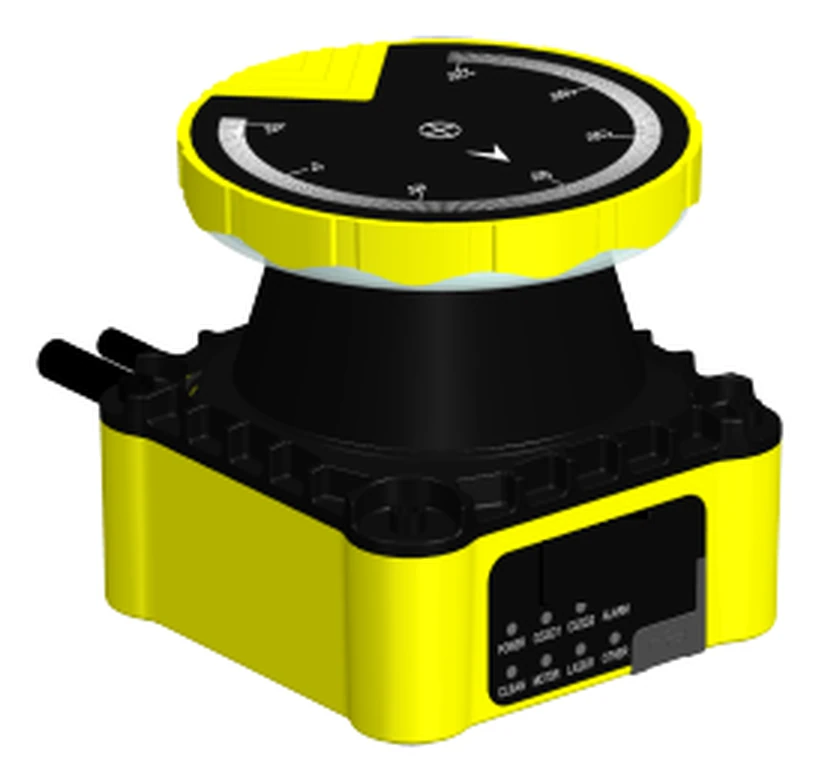
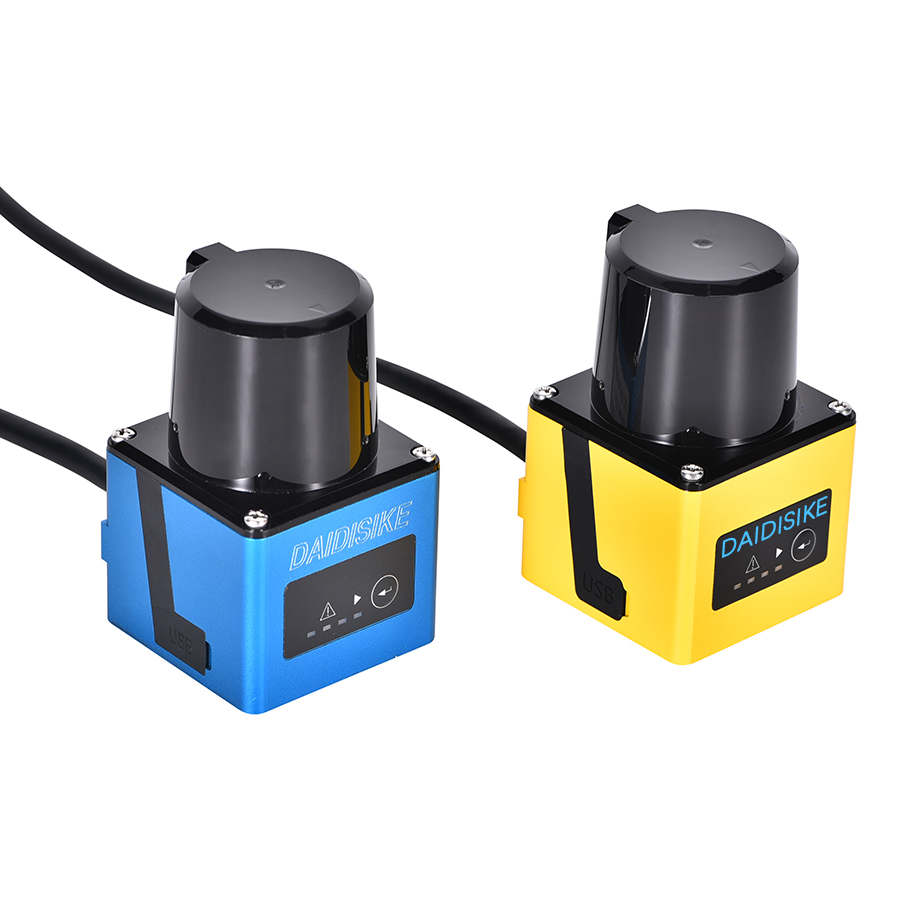
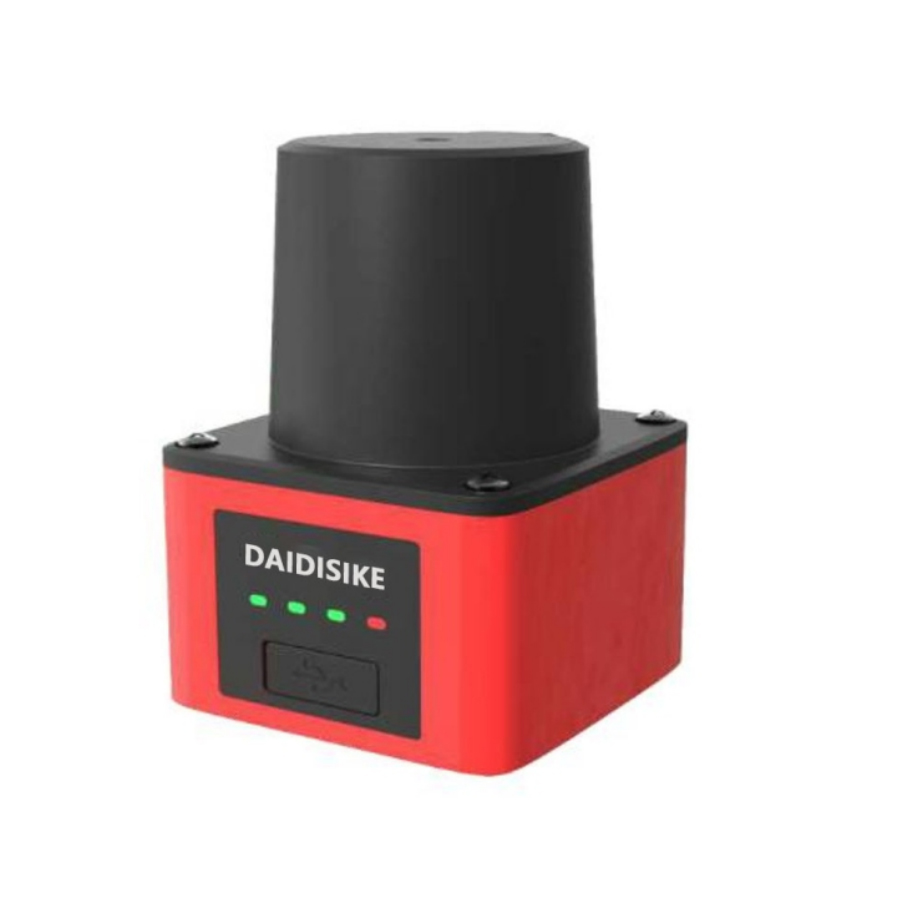
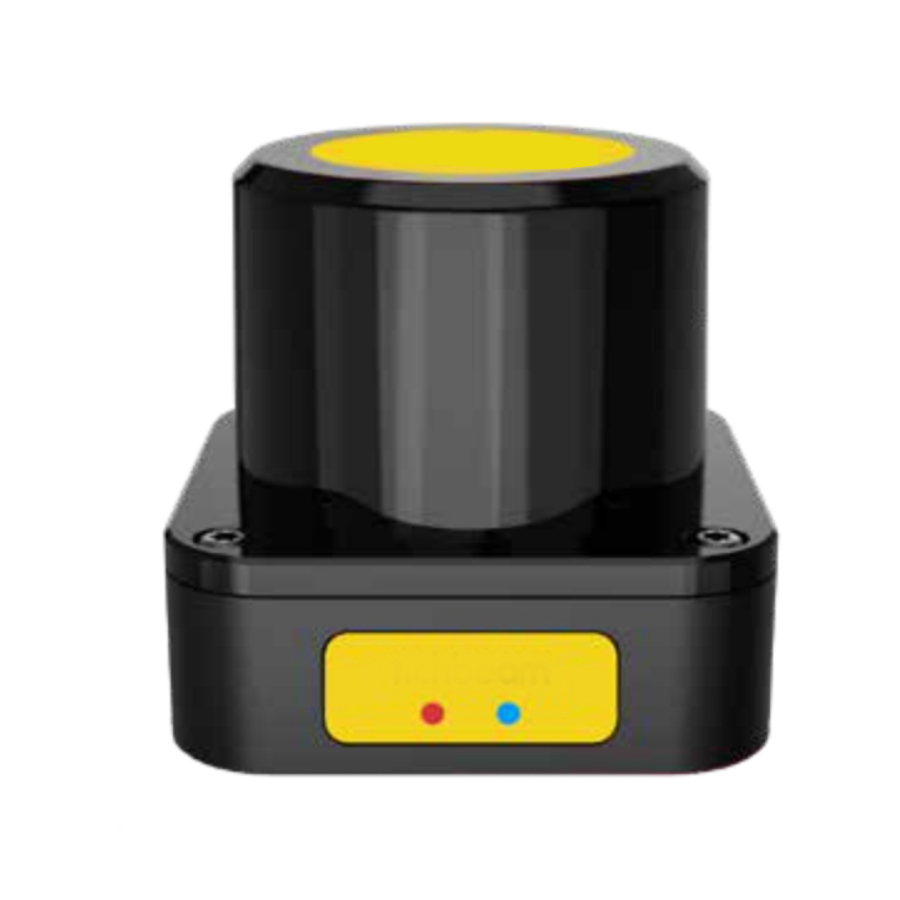
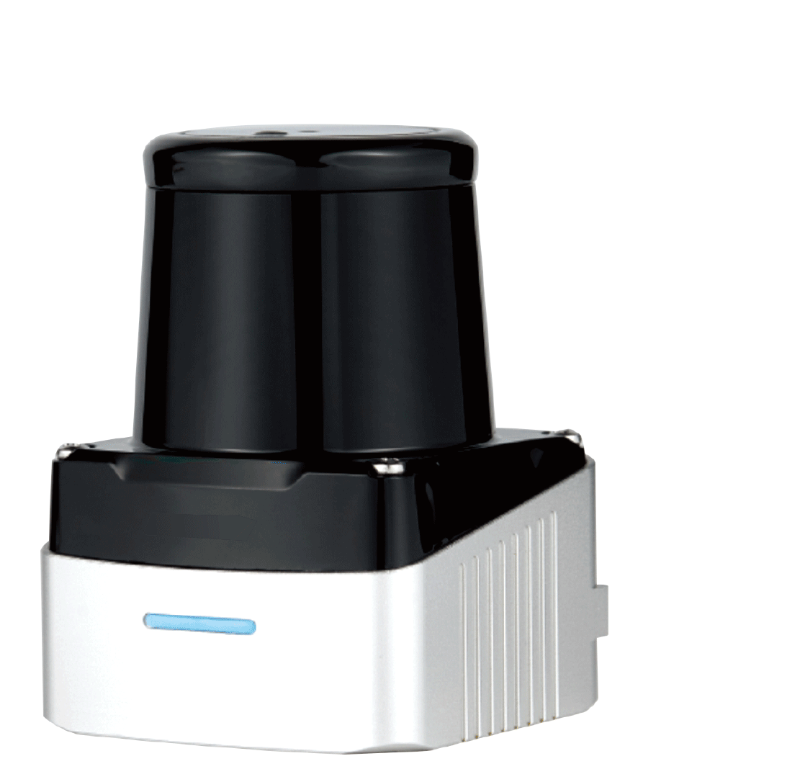
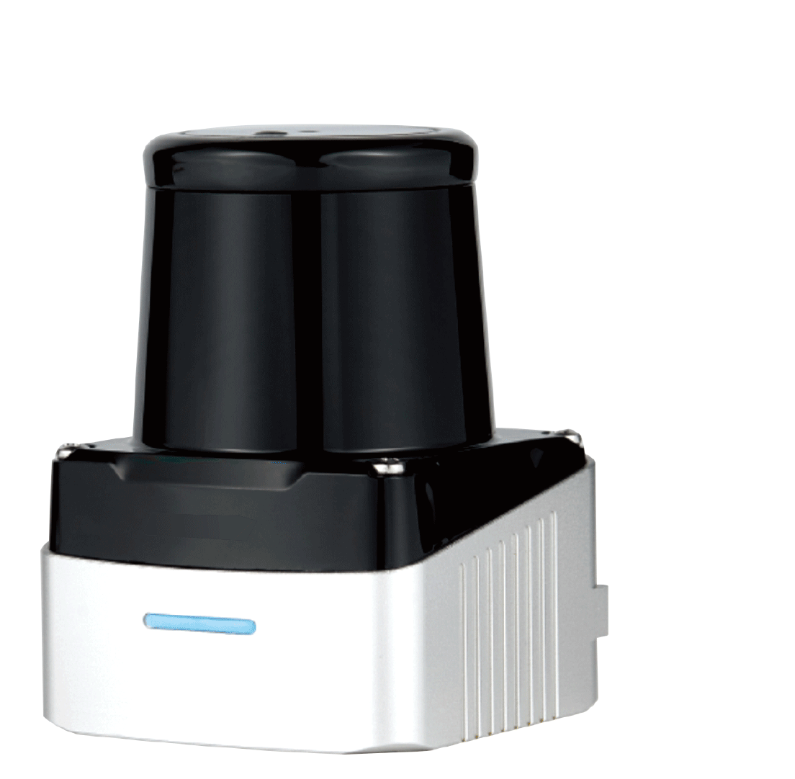
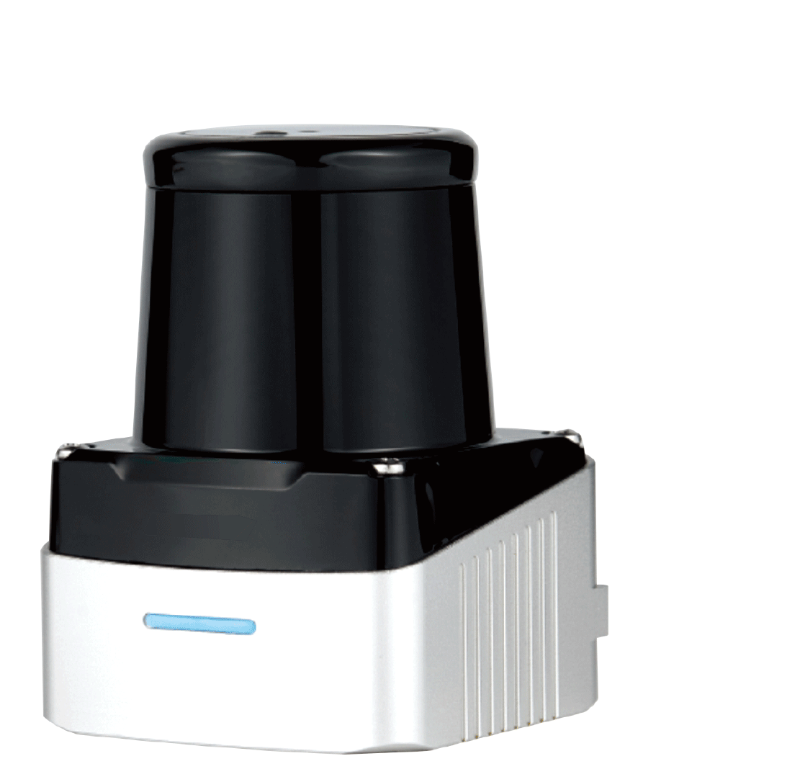
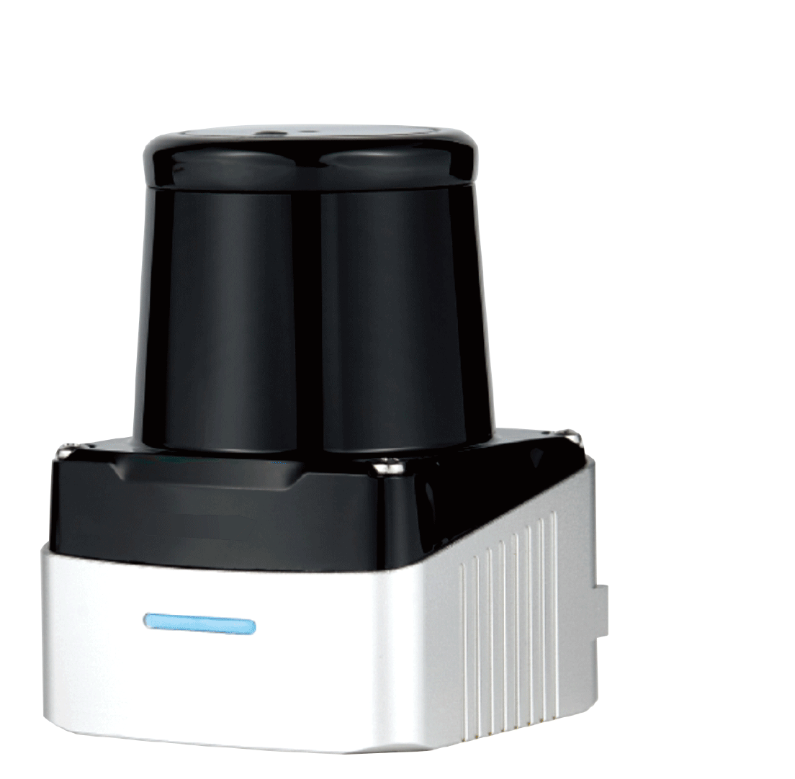
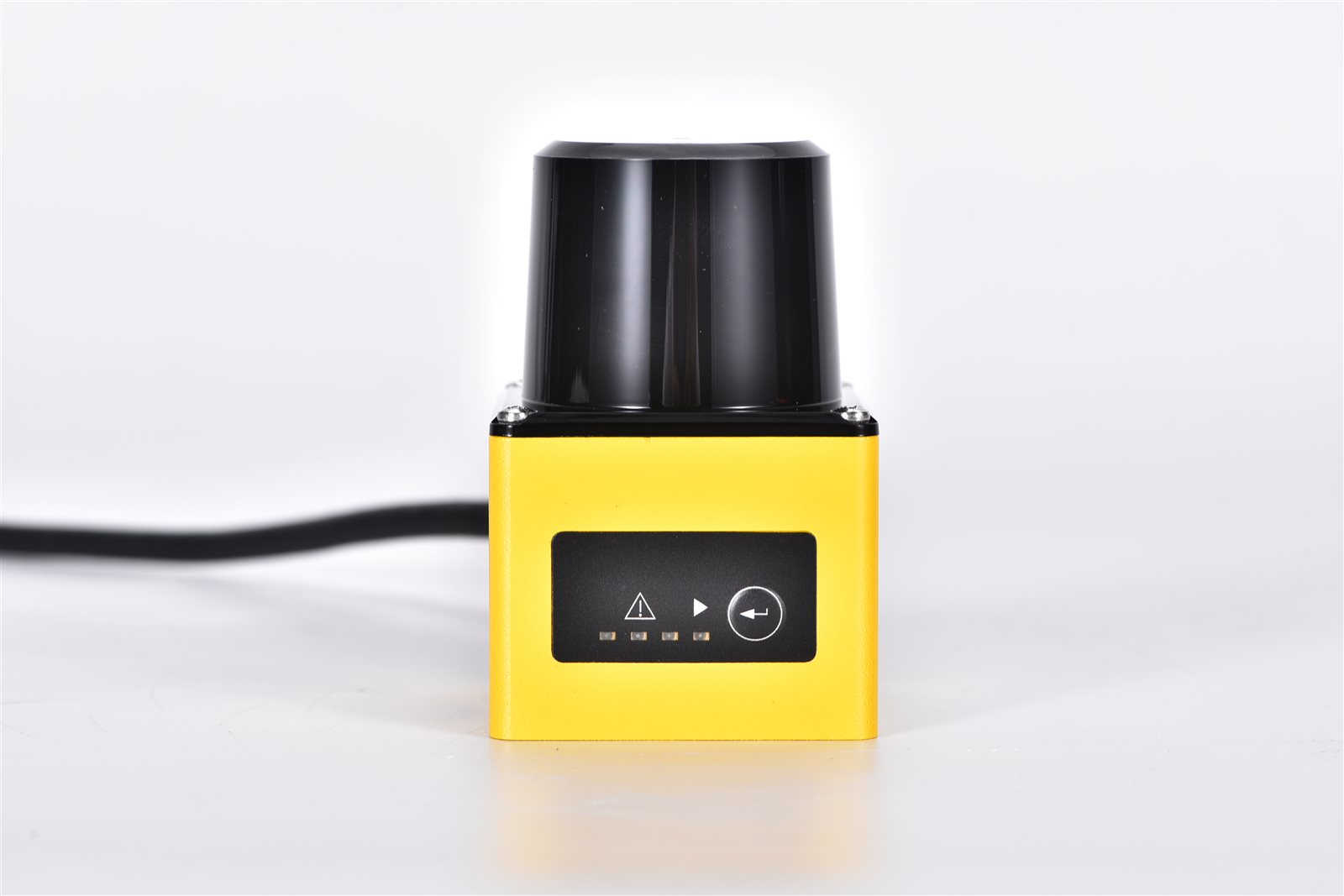
A scanner sweeps a fan-shaped field instead of a straight line, so one device can cover an area or a whole approach path. Split the choice in two: safety-rated scanners (assessed against IEC 61496-3, with OSSD outputs and configurable protective/warning fields) belong on AGV and AMR vehicles and in area guarding; navigation, mapping and general obstacle-detection LiDAR is a sensing device with a data interface and no safety rating, and must not be substituted for a safety-rated unit. After that, select on range class, field-set switching and whether you need Ethernet data as well as switching I/O.
View the LiDAR scanner category →
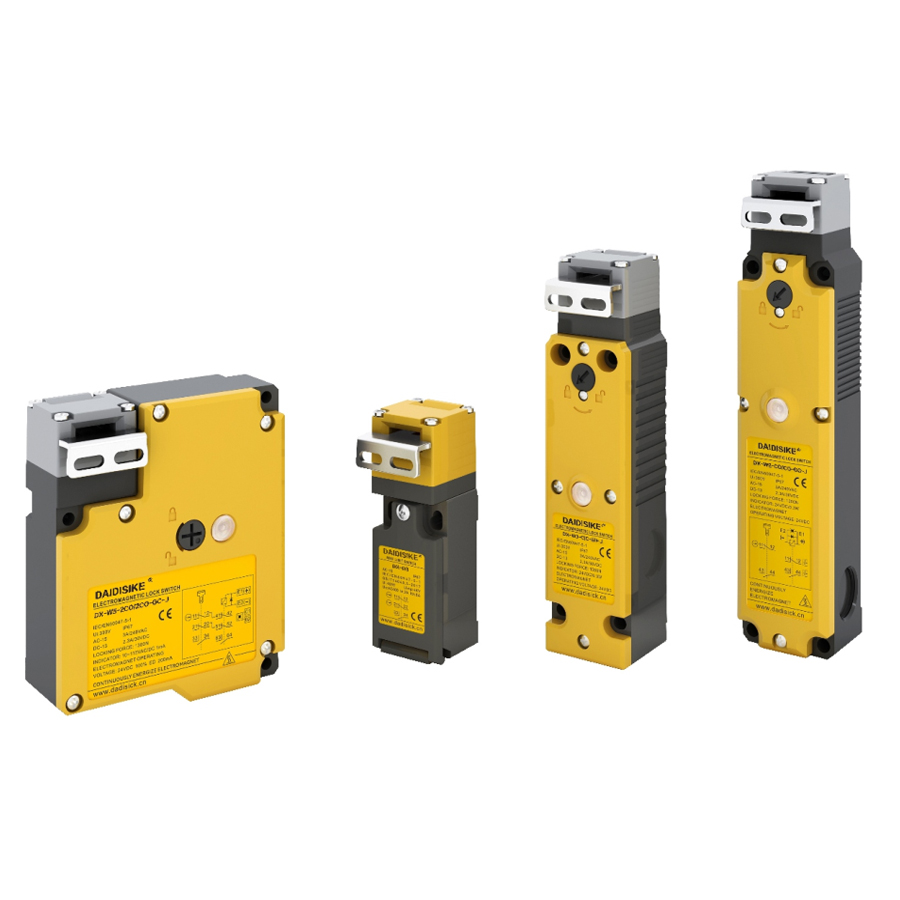
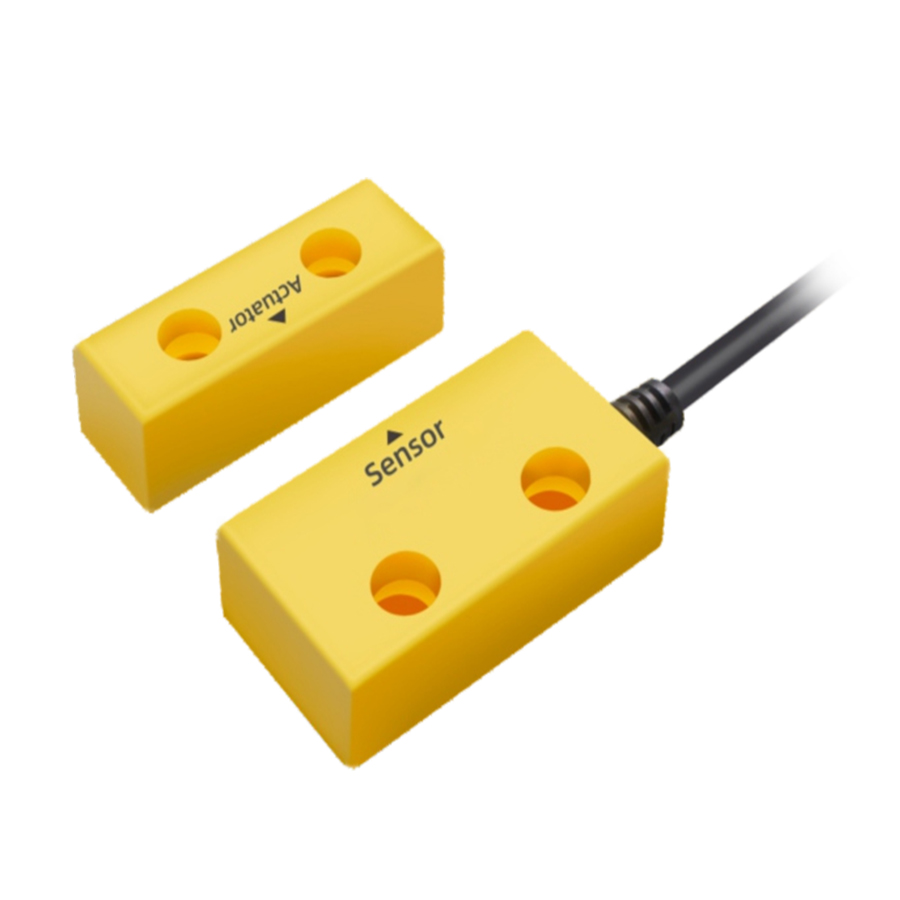
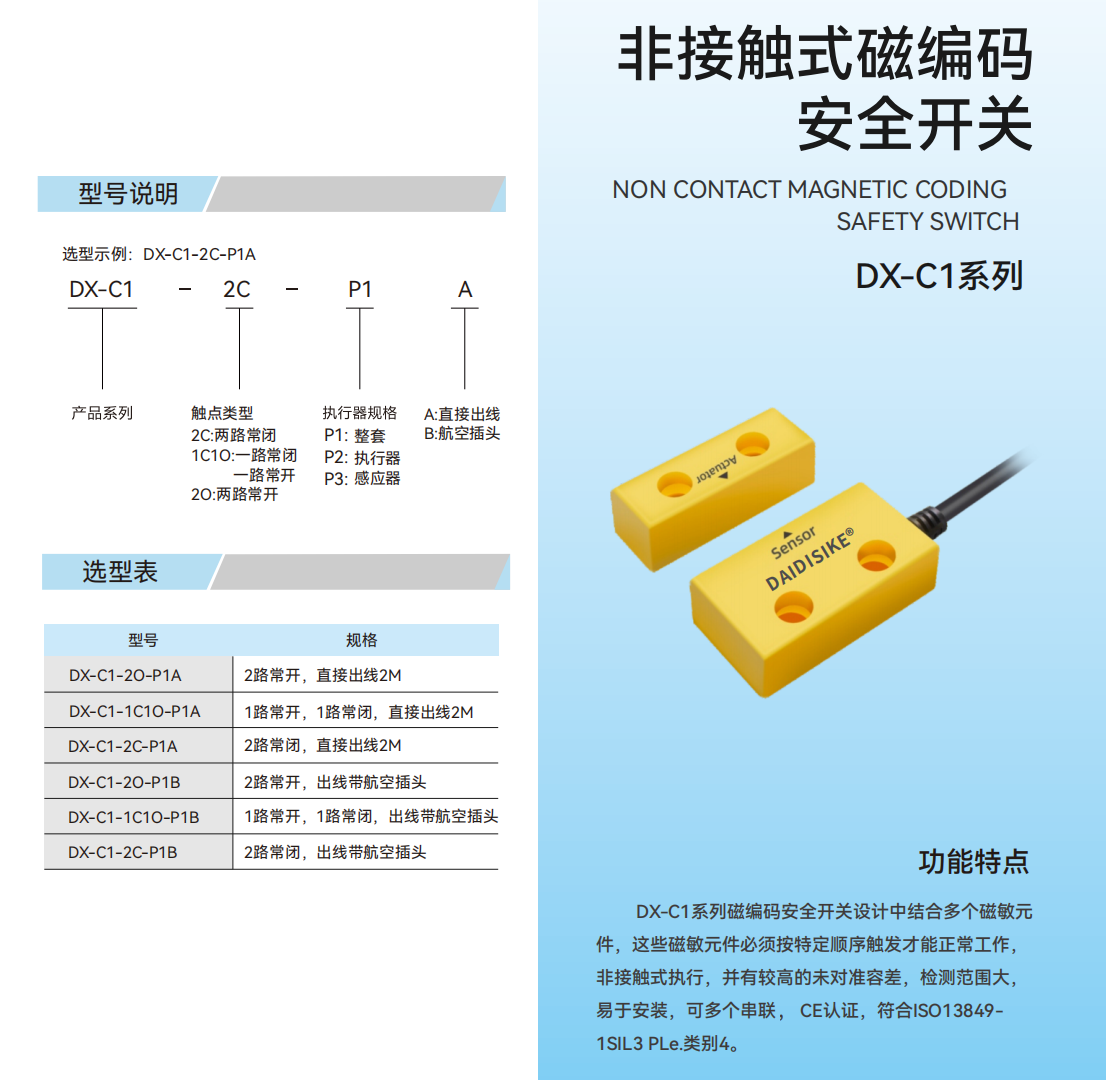
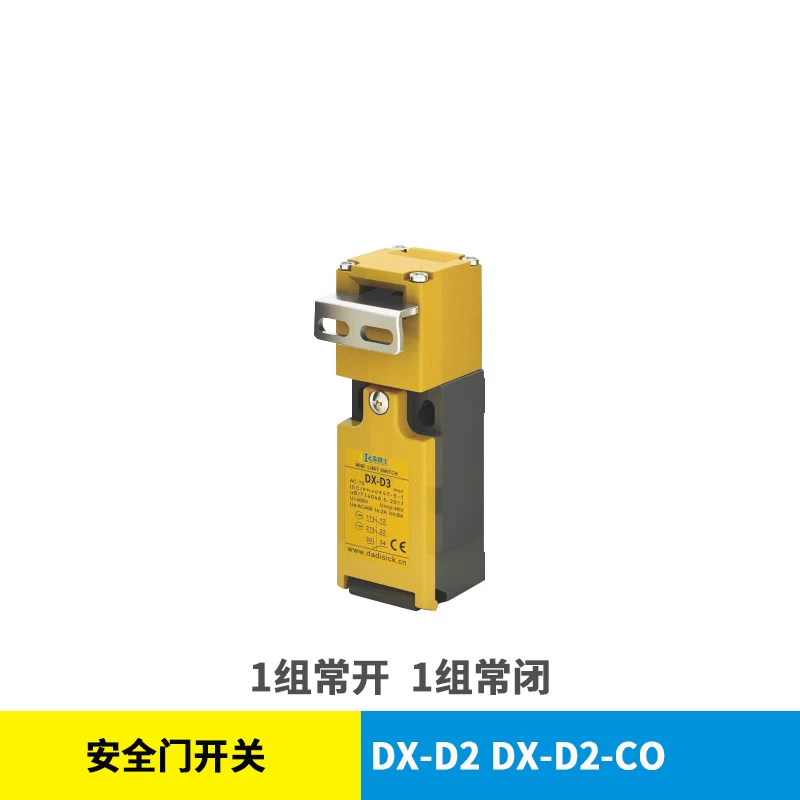
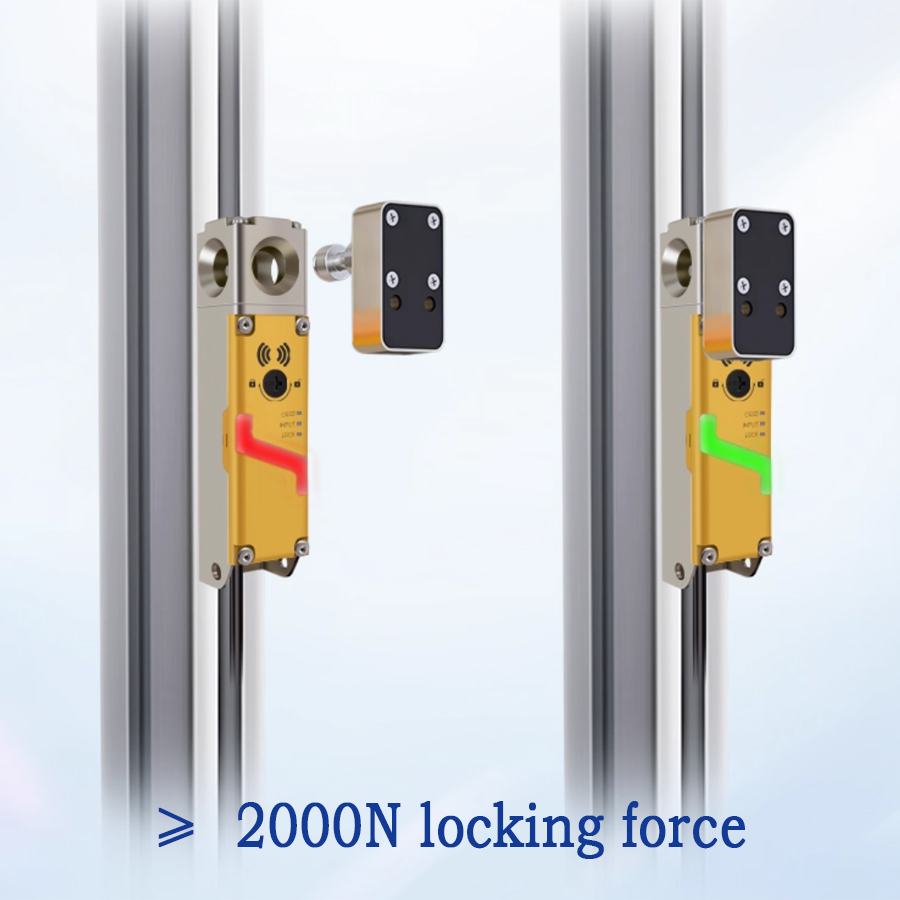
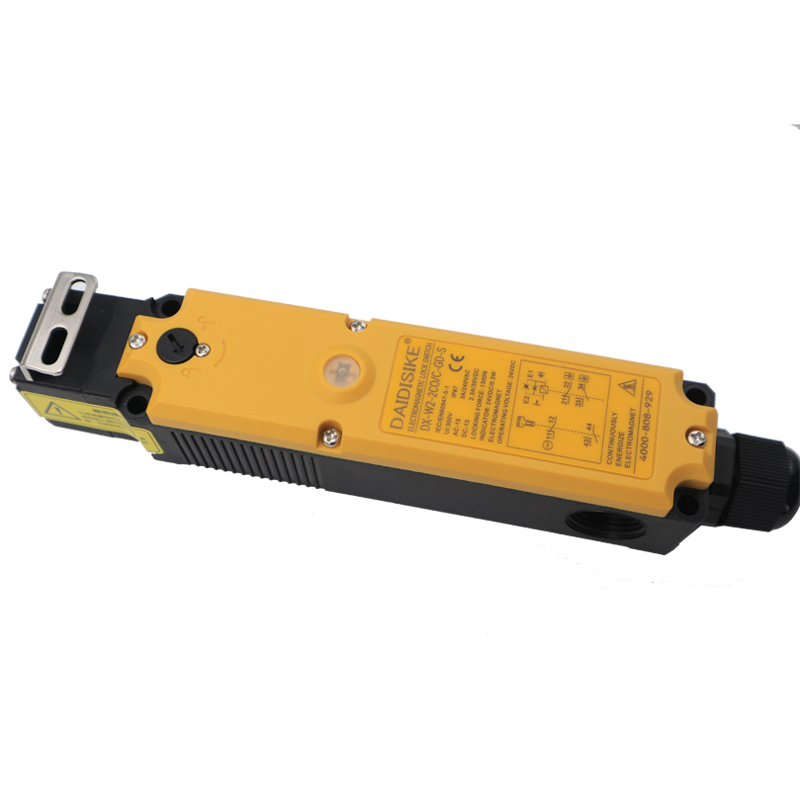
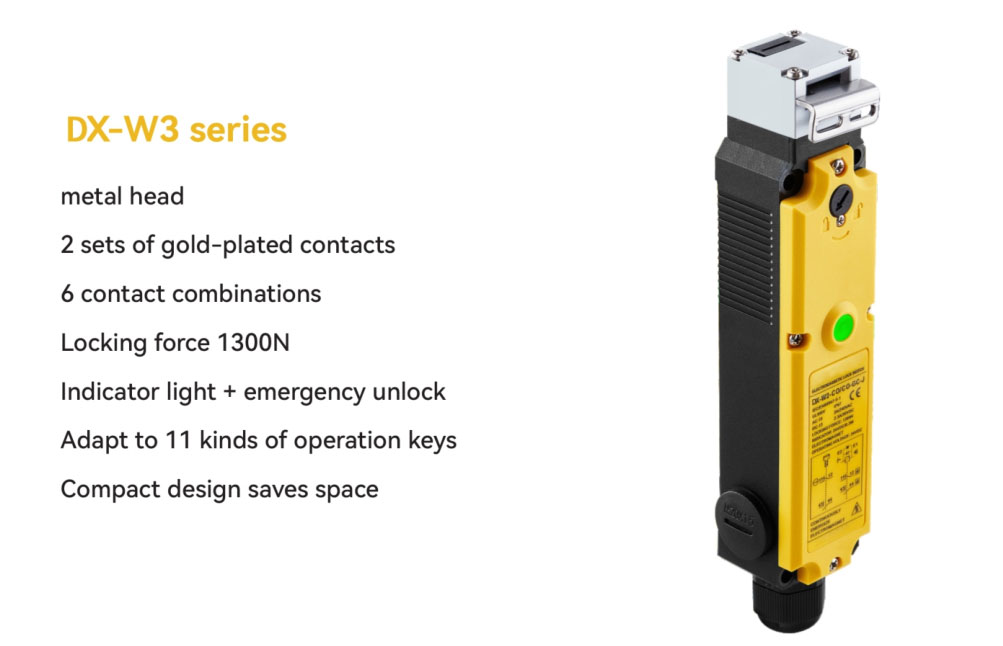
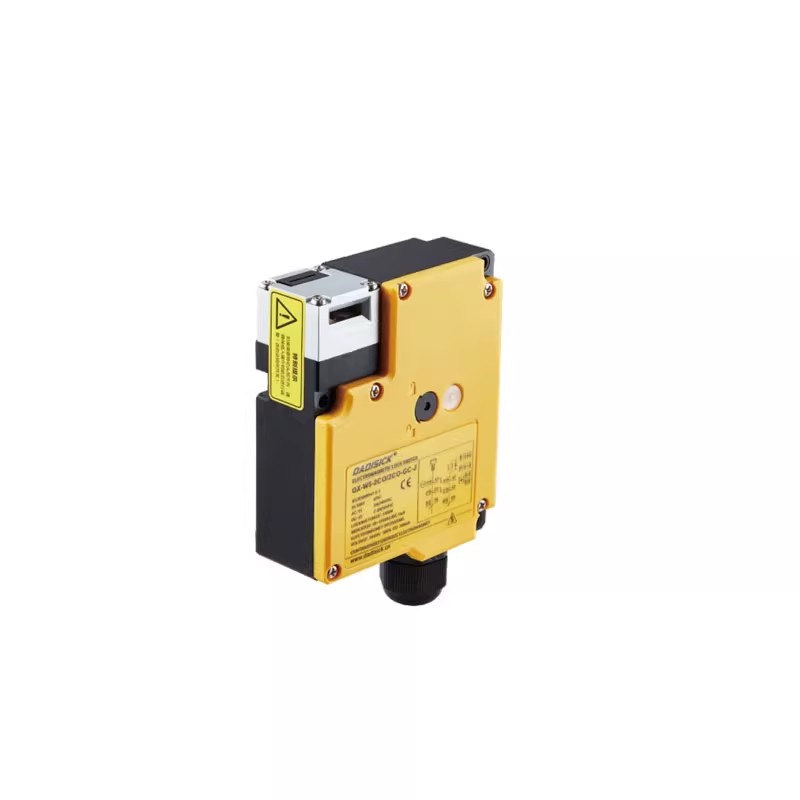
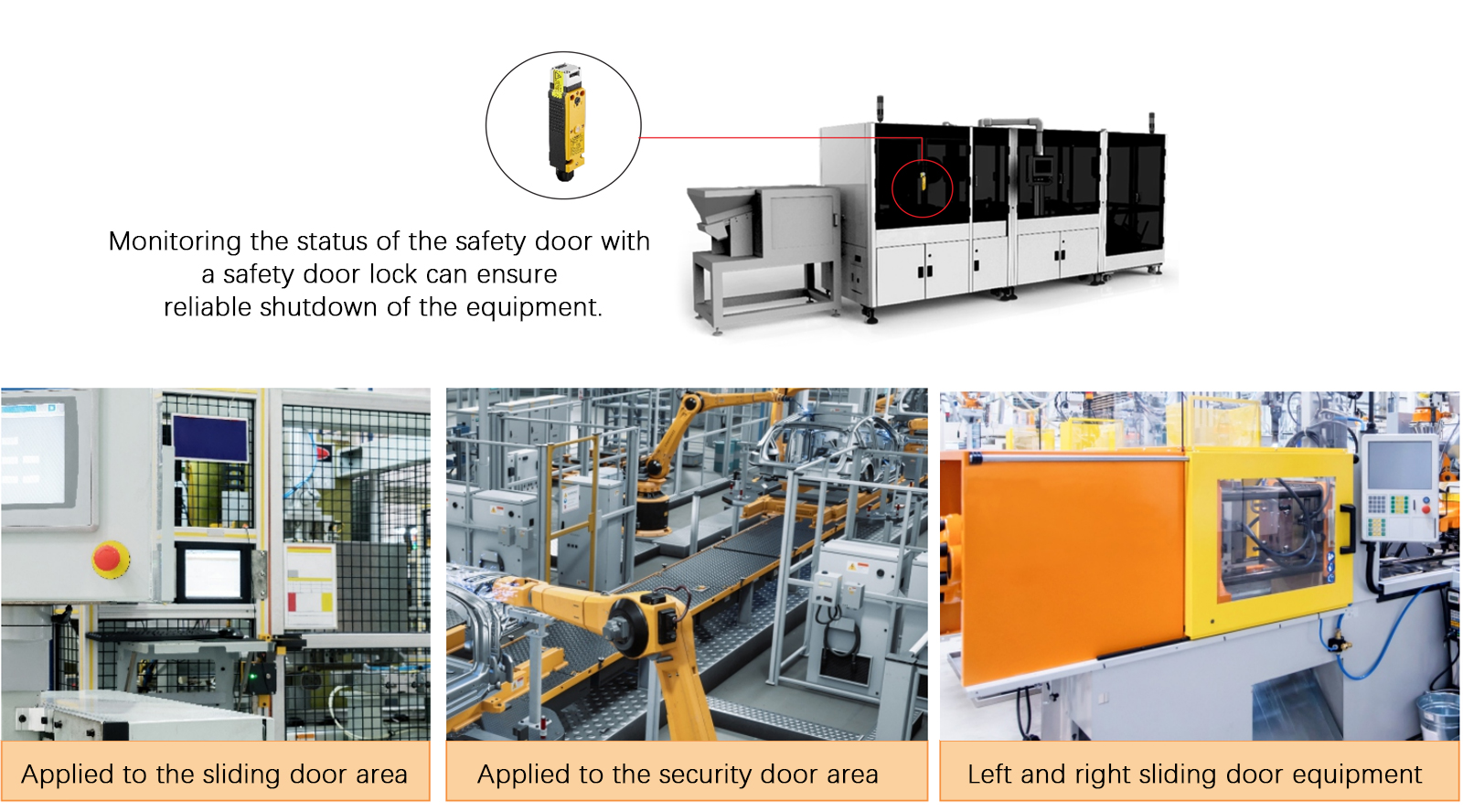
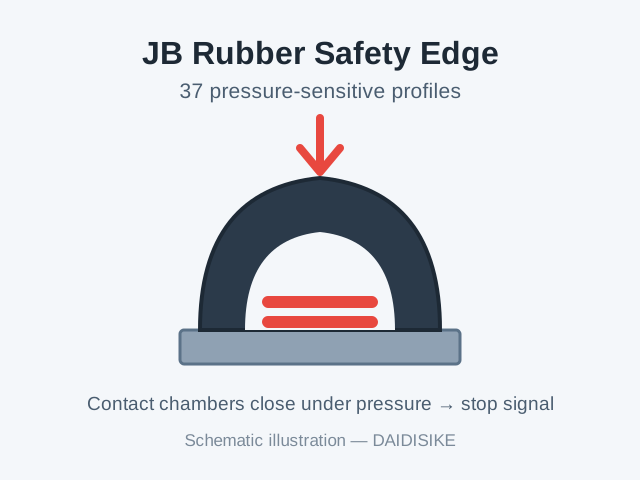
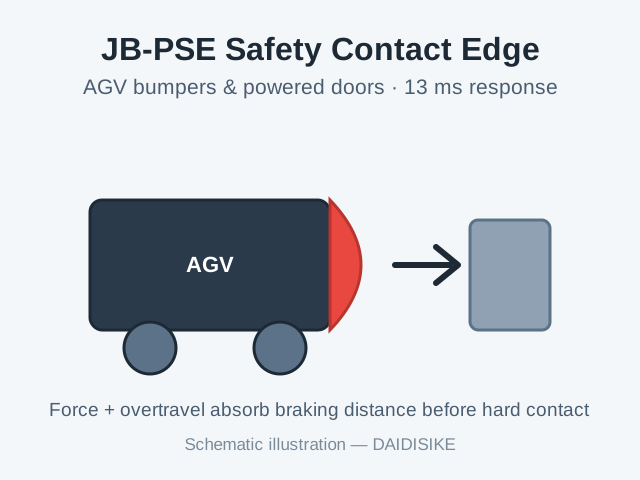
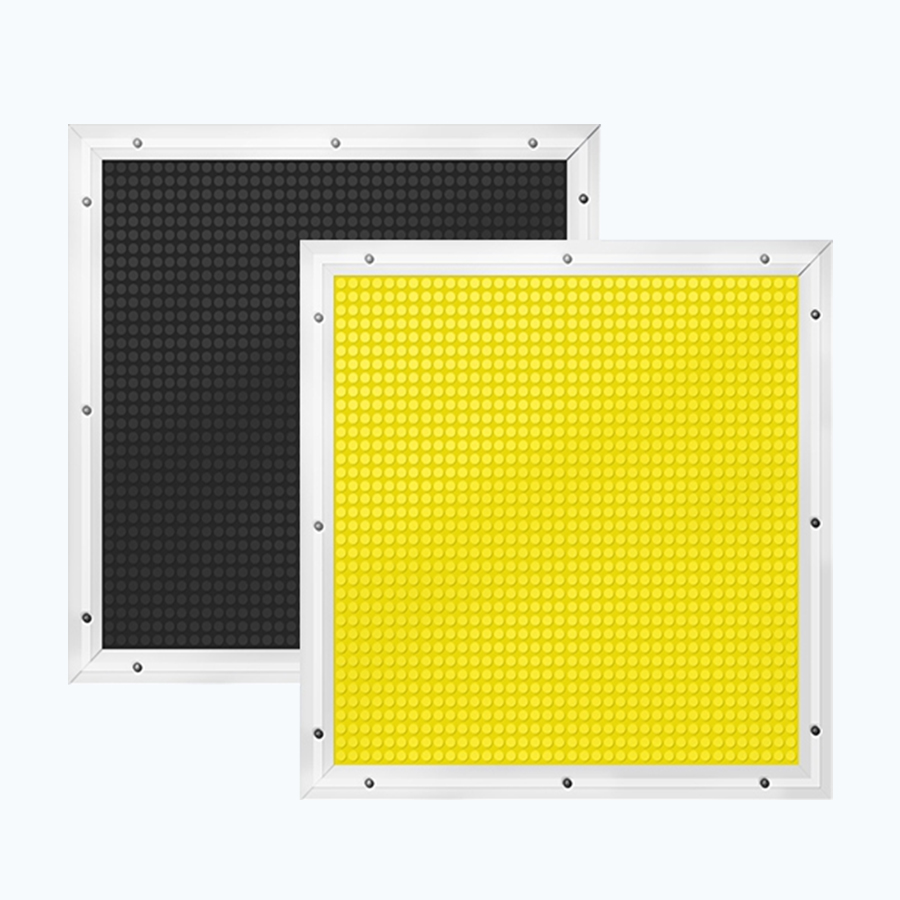
Guarding for hazards behind a physical barrier. Use a plain interlock switch when opening the guard can stop the machine fast enough; use a guard-locking (solenoid) switch when the machine coasts down and the door must stay shut until motion has actually ended. Coded magnetic and non-contact switches suit washdown, misaligned or frequently opened doors because there is no actuator to wear or bend. Safety edges and mats cover the leftovers — crushing lines on moving doors and AGVs, and floor areas an operator can step into.
View the Industrial safety door lock category →
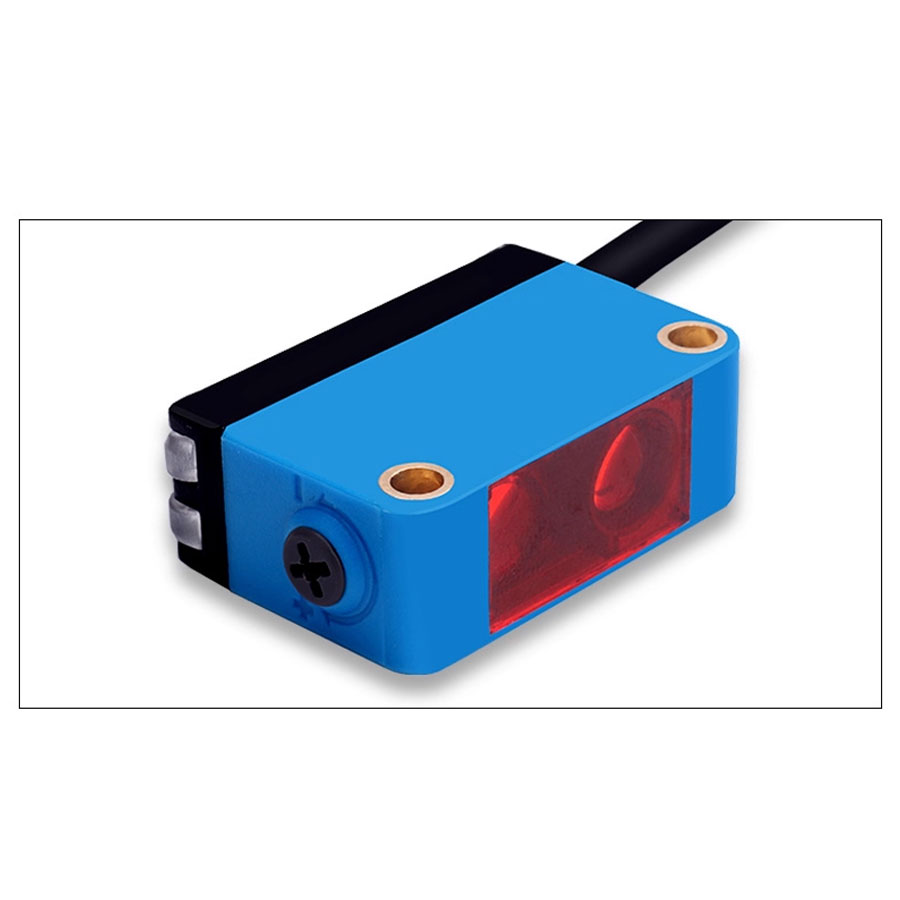
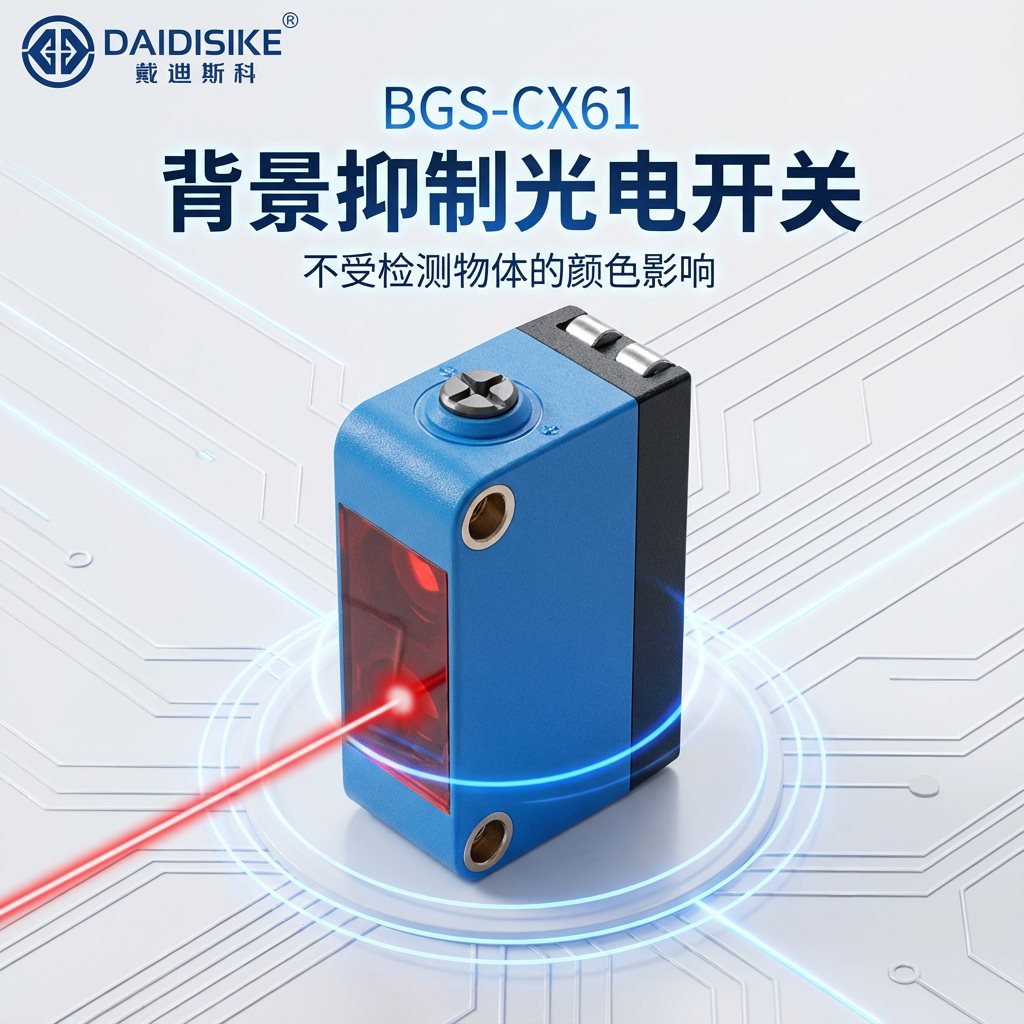
General-purpose optical detection for counting, positioning, presence and edge sensing on any material that blocks or reflects light. Choose the detection mode before the housing: through-beam for the longest reach and the most tolerance to dust, retro-reflective when only one side can be wired, diffuse when nothing can be mounted opposite, background suppression when a wall or roller sits just behind the target, and slot/fork when the target always passes through a known narrow gap. These are detection devices with no IEC 61496 rating and no OSSD outputs — they must not be used alone to protect people.
View the Photoelectric sensor category →
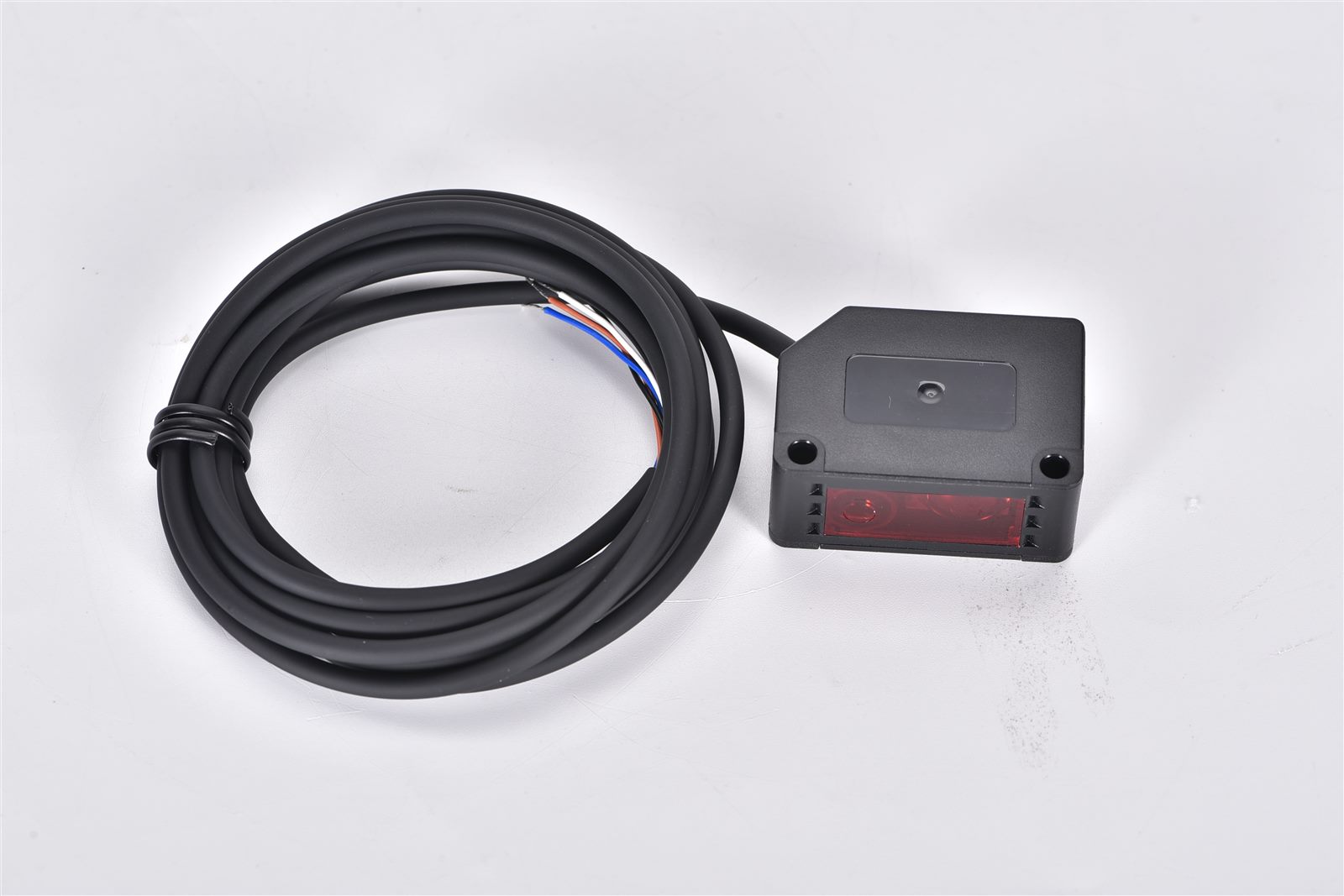
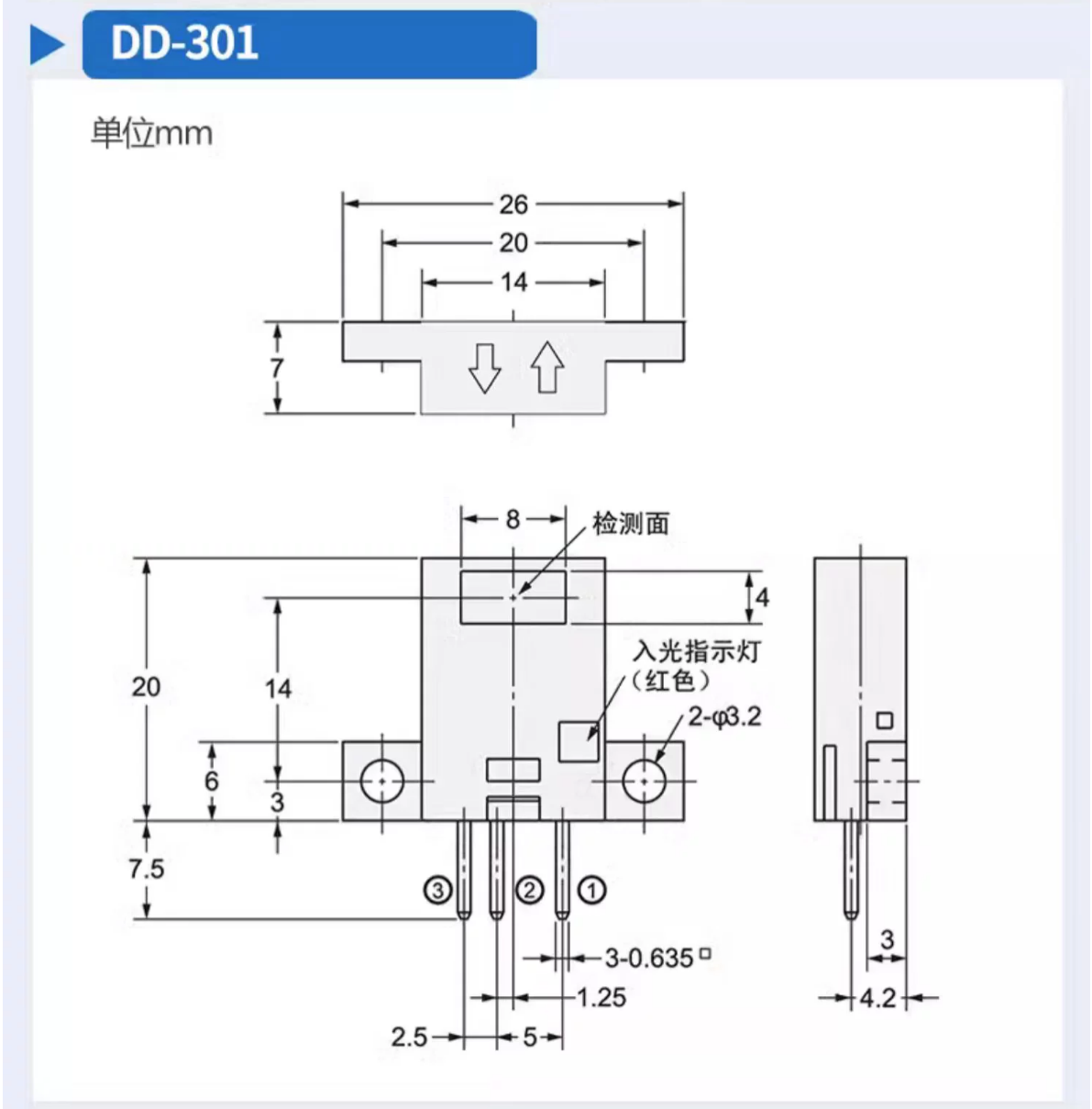
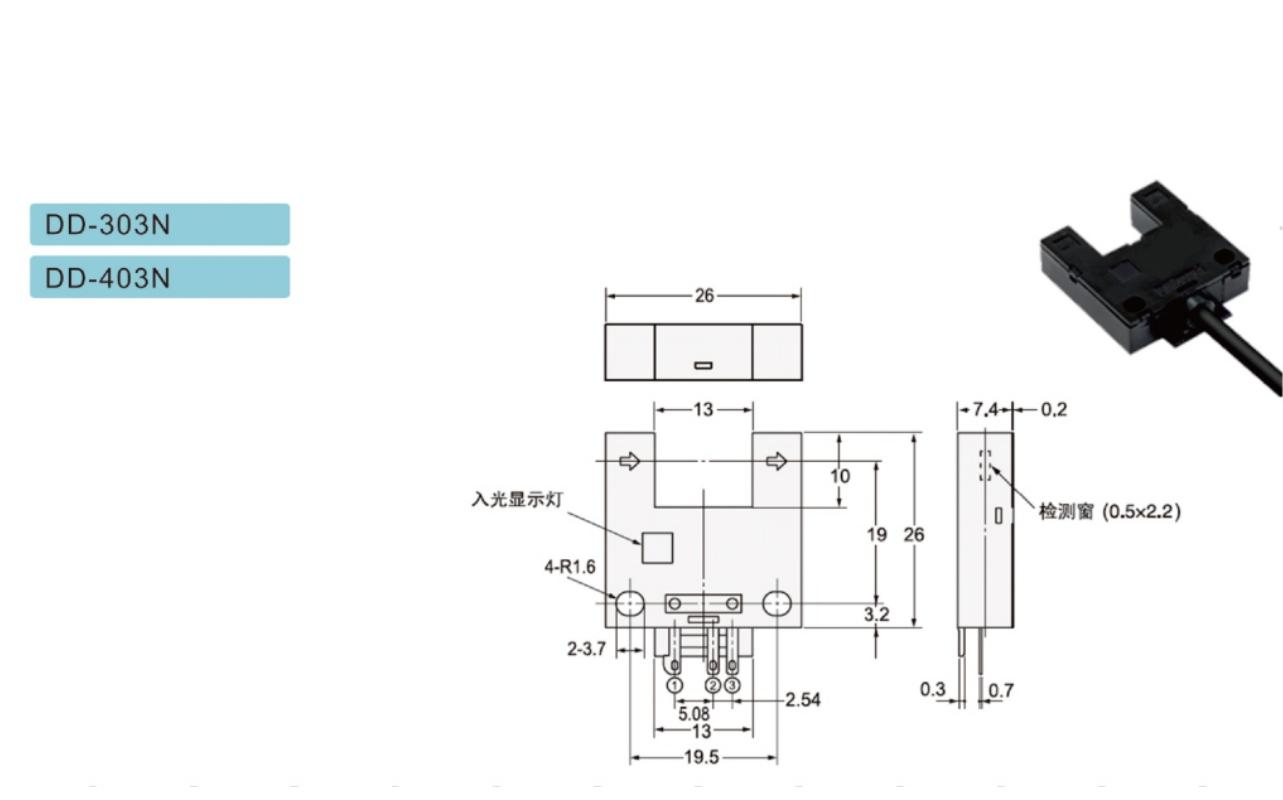
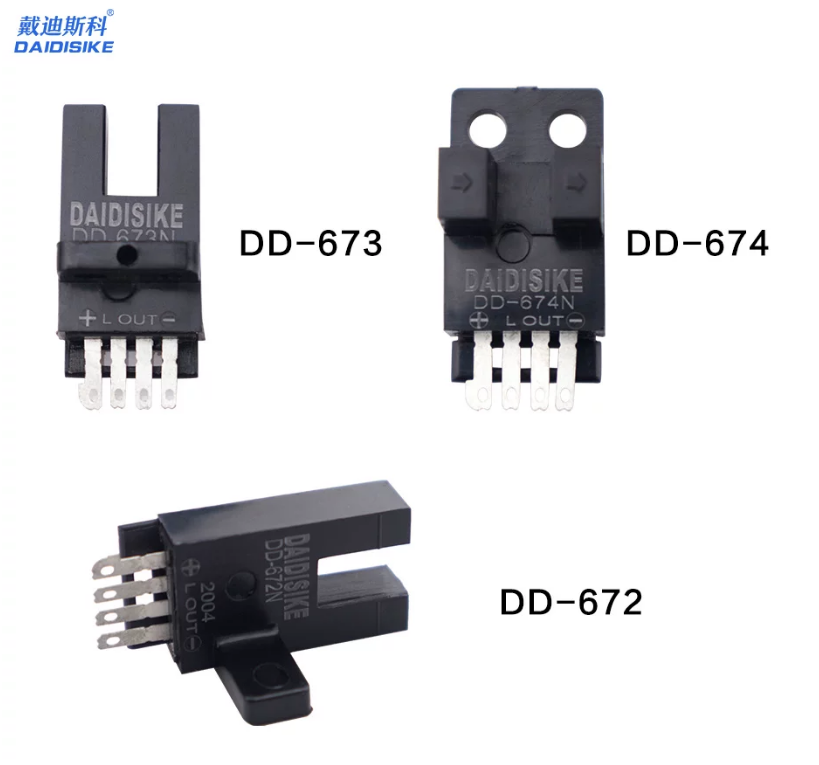
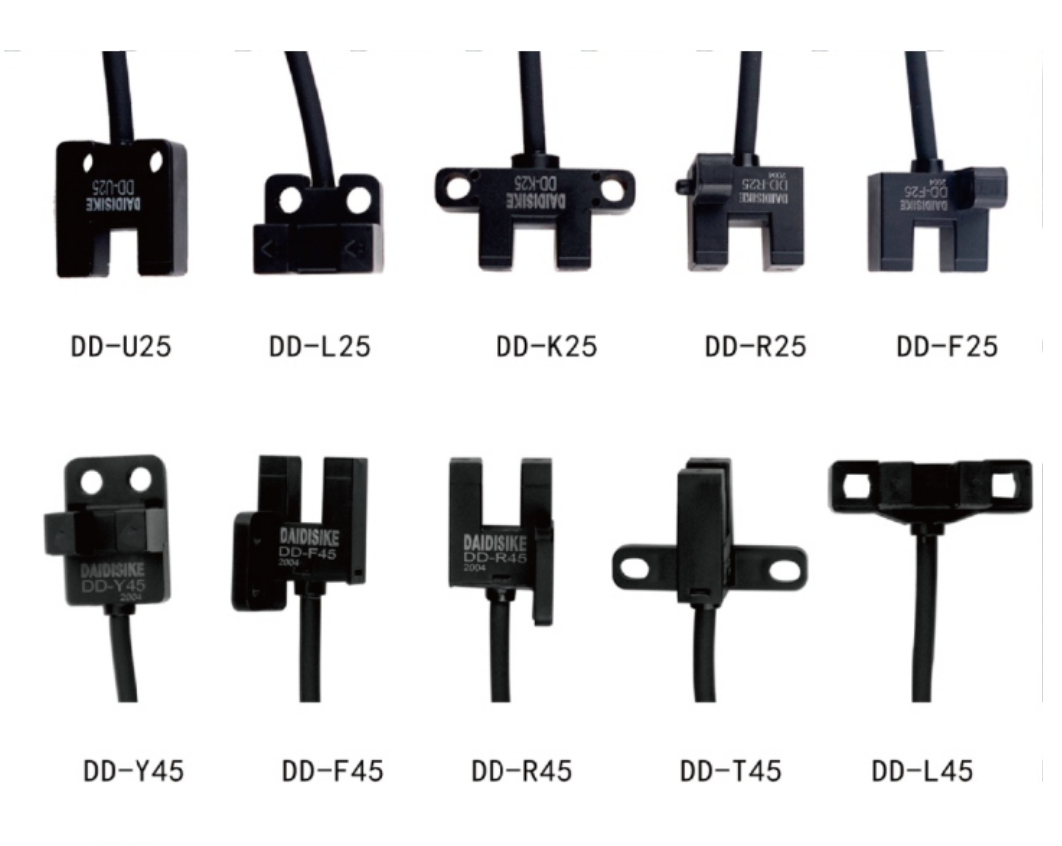
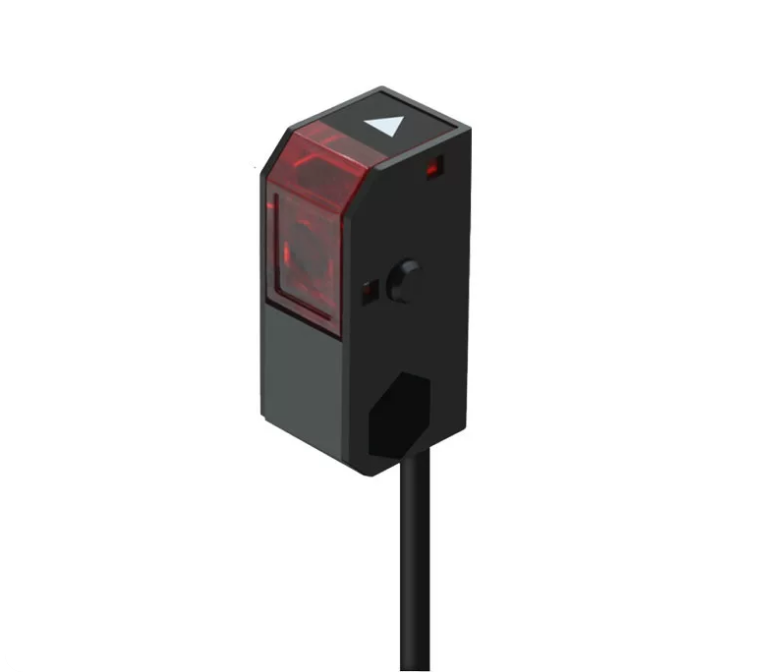
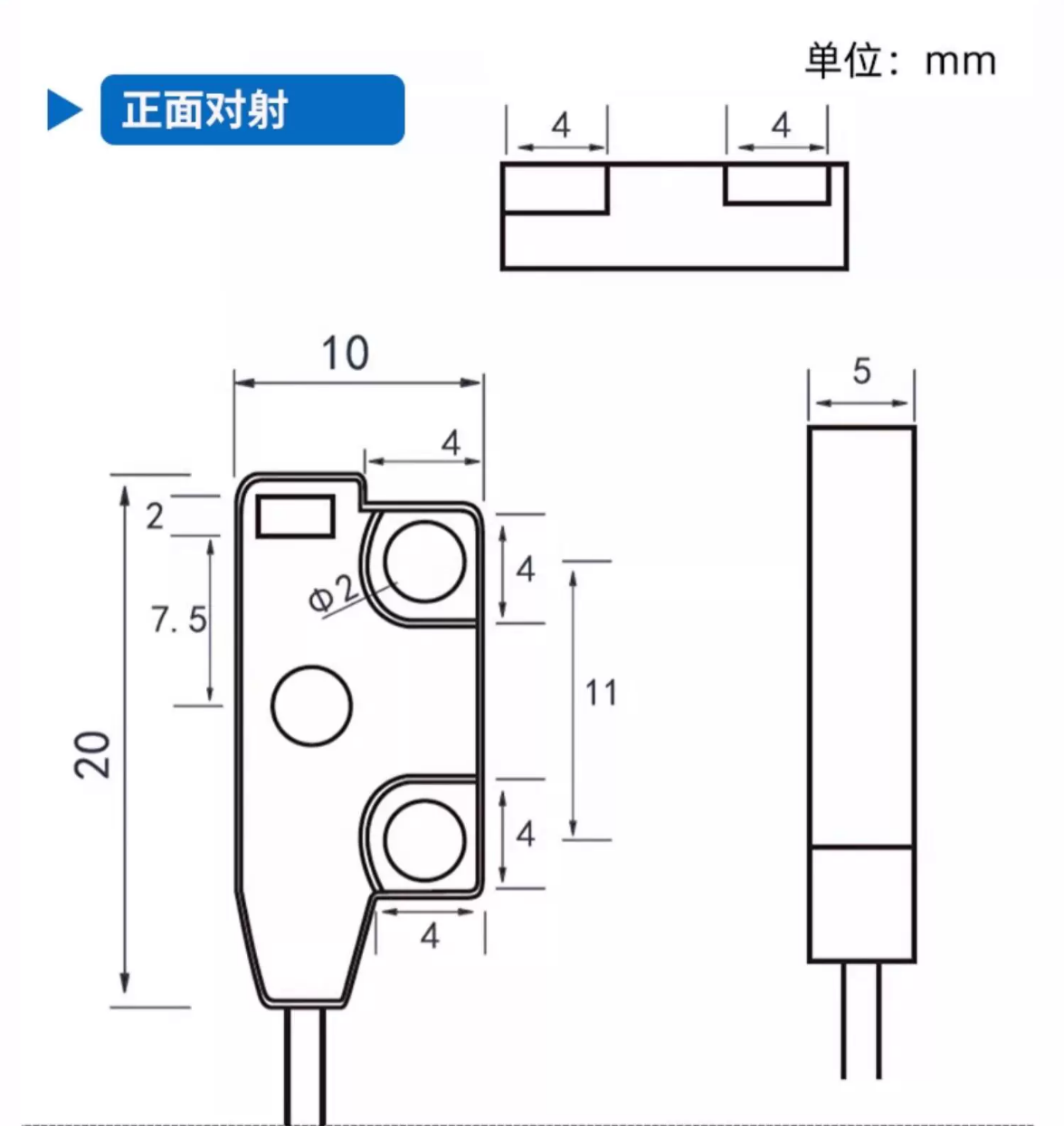
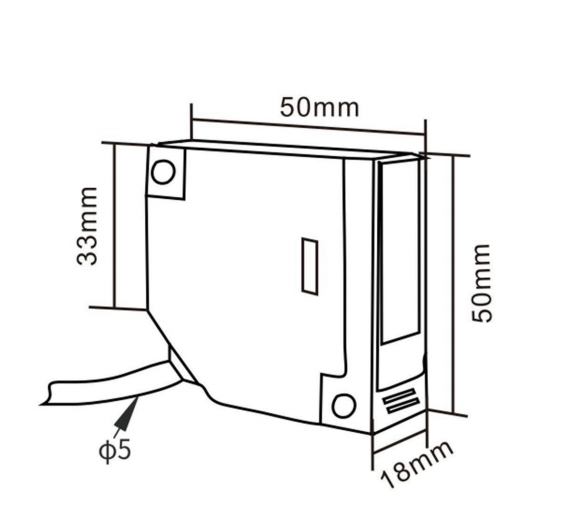
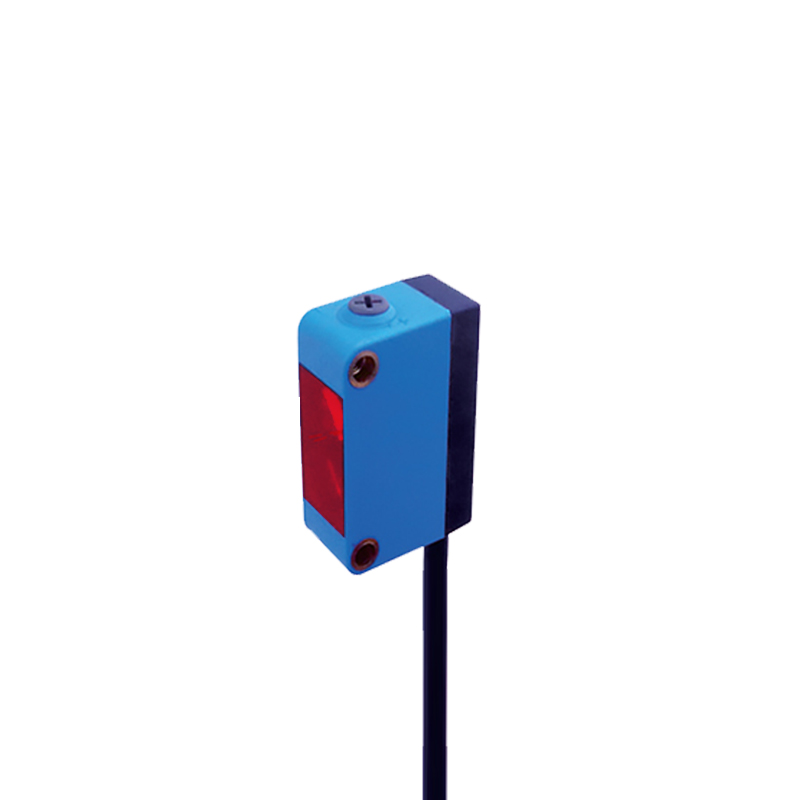
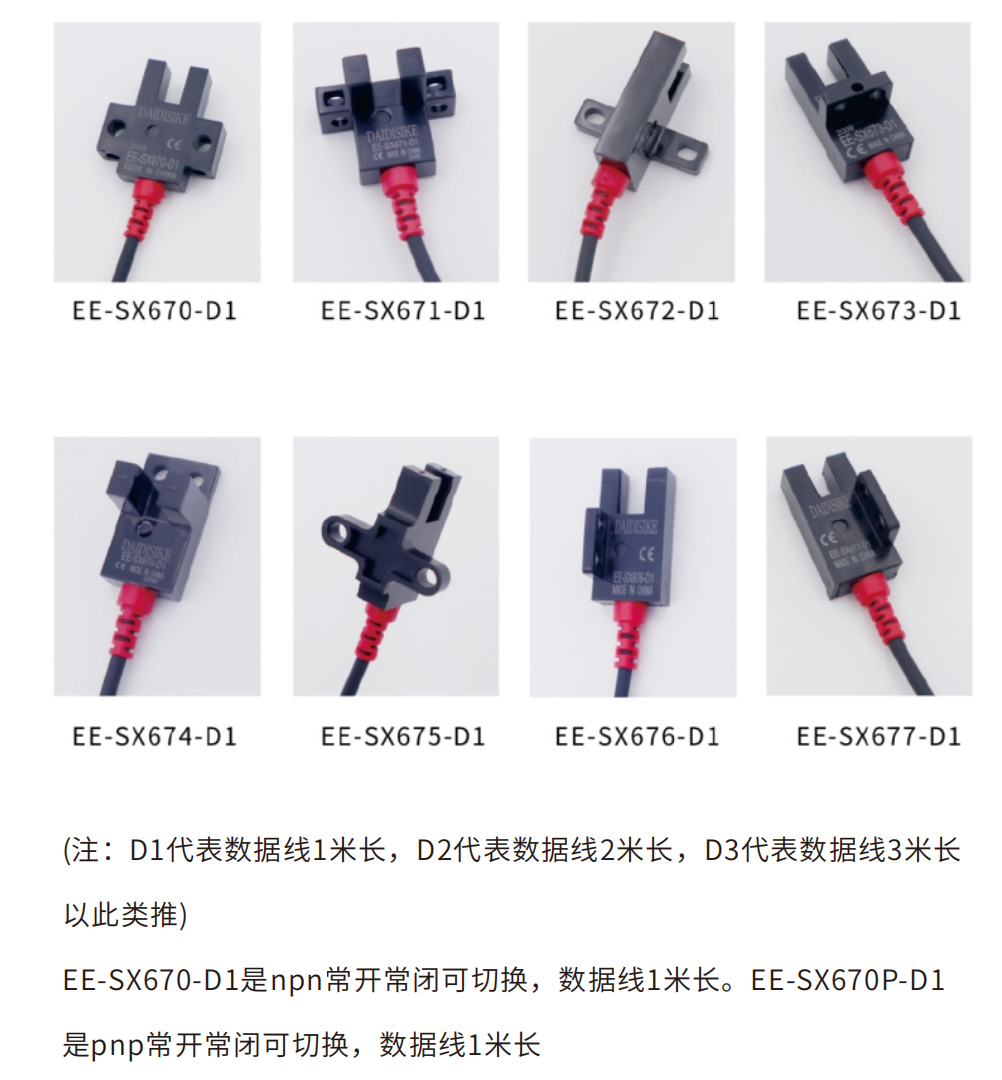
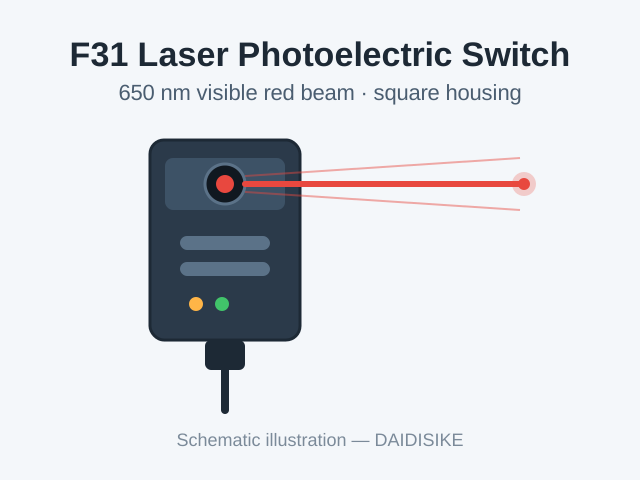
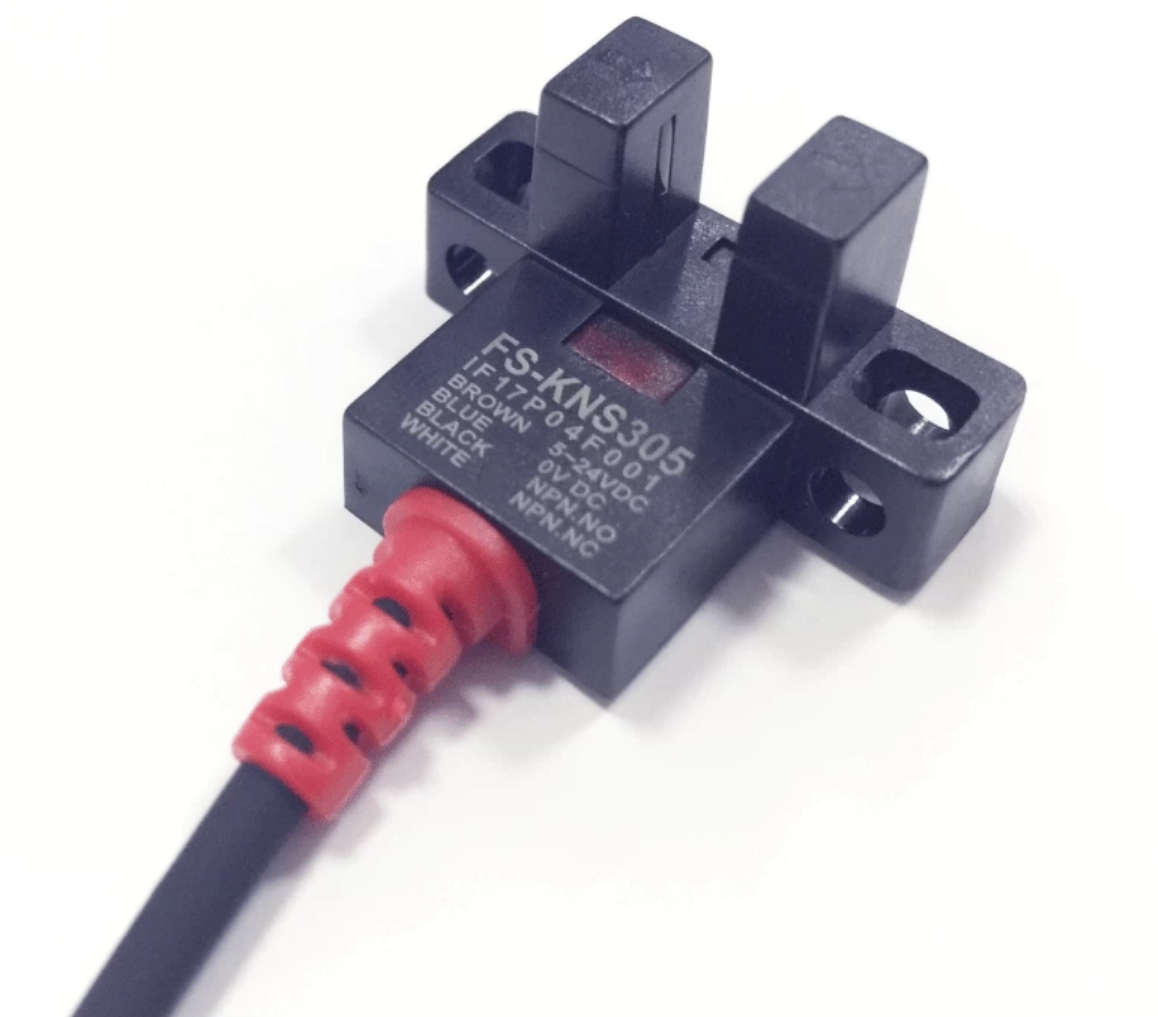
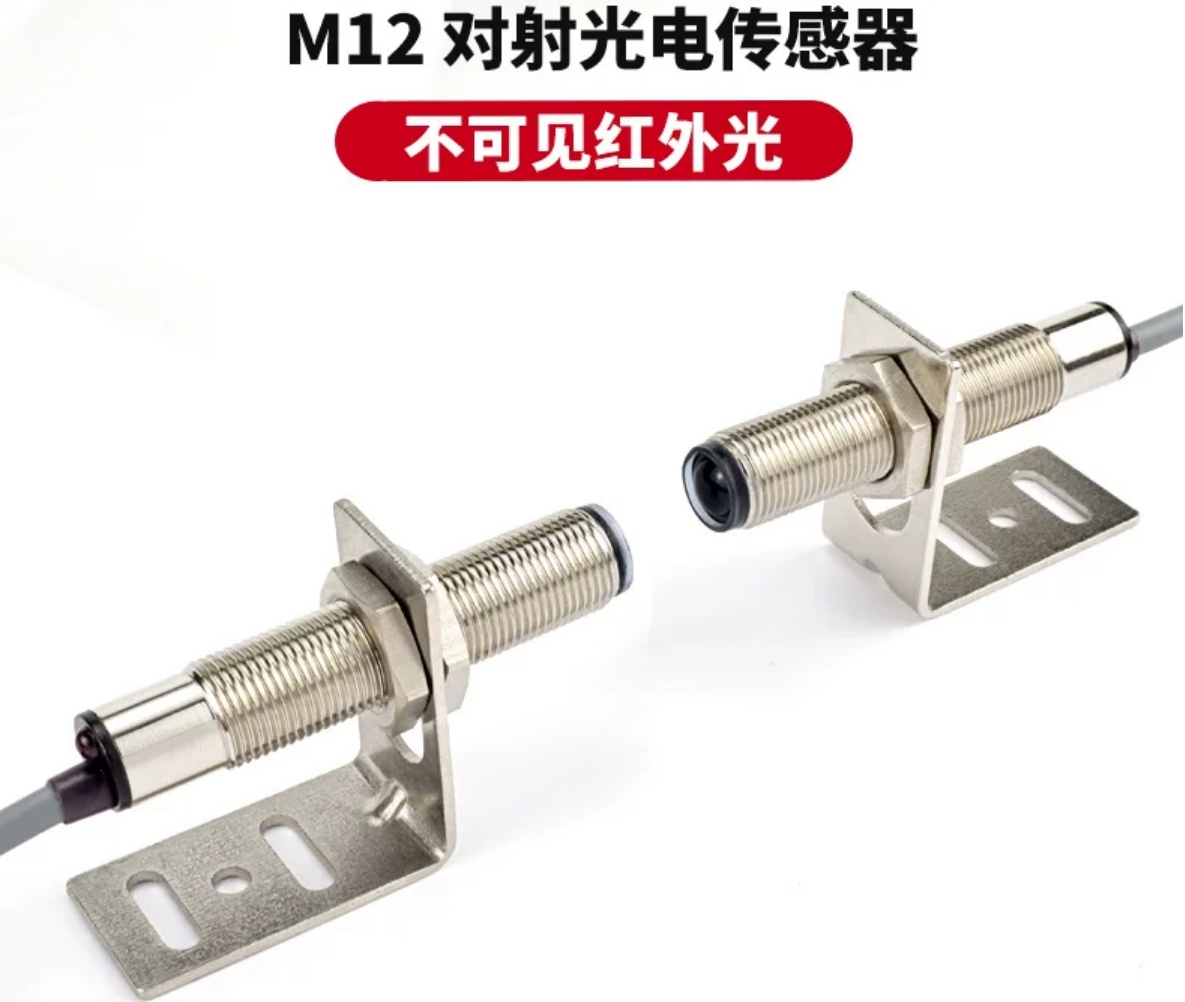
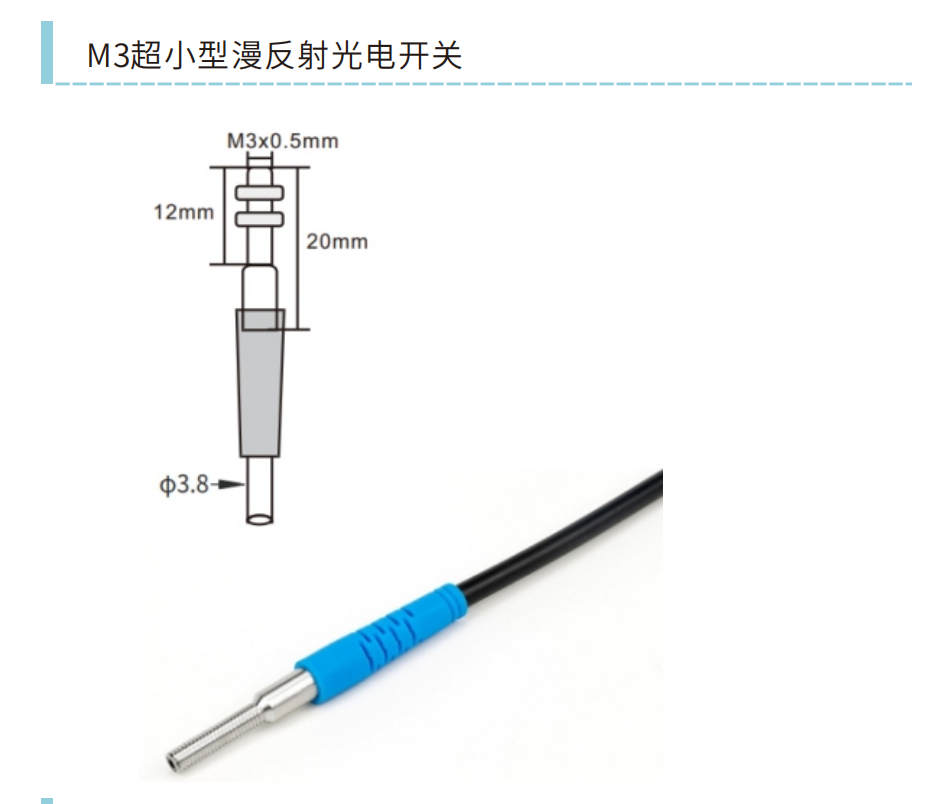
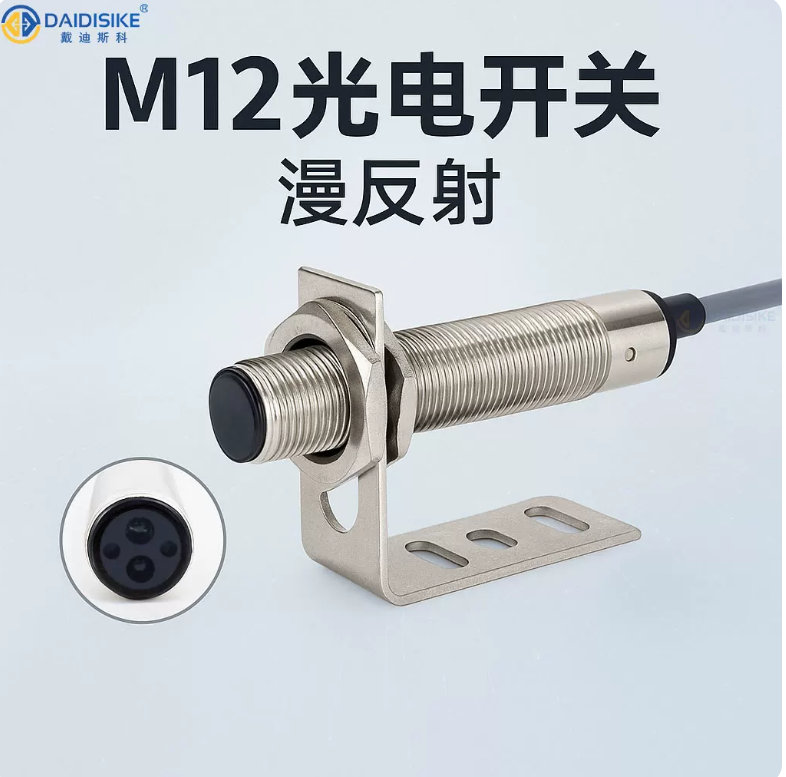
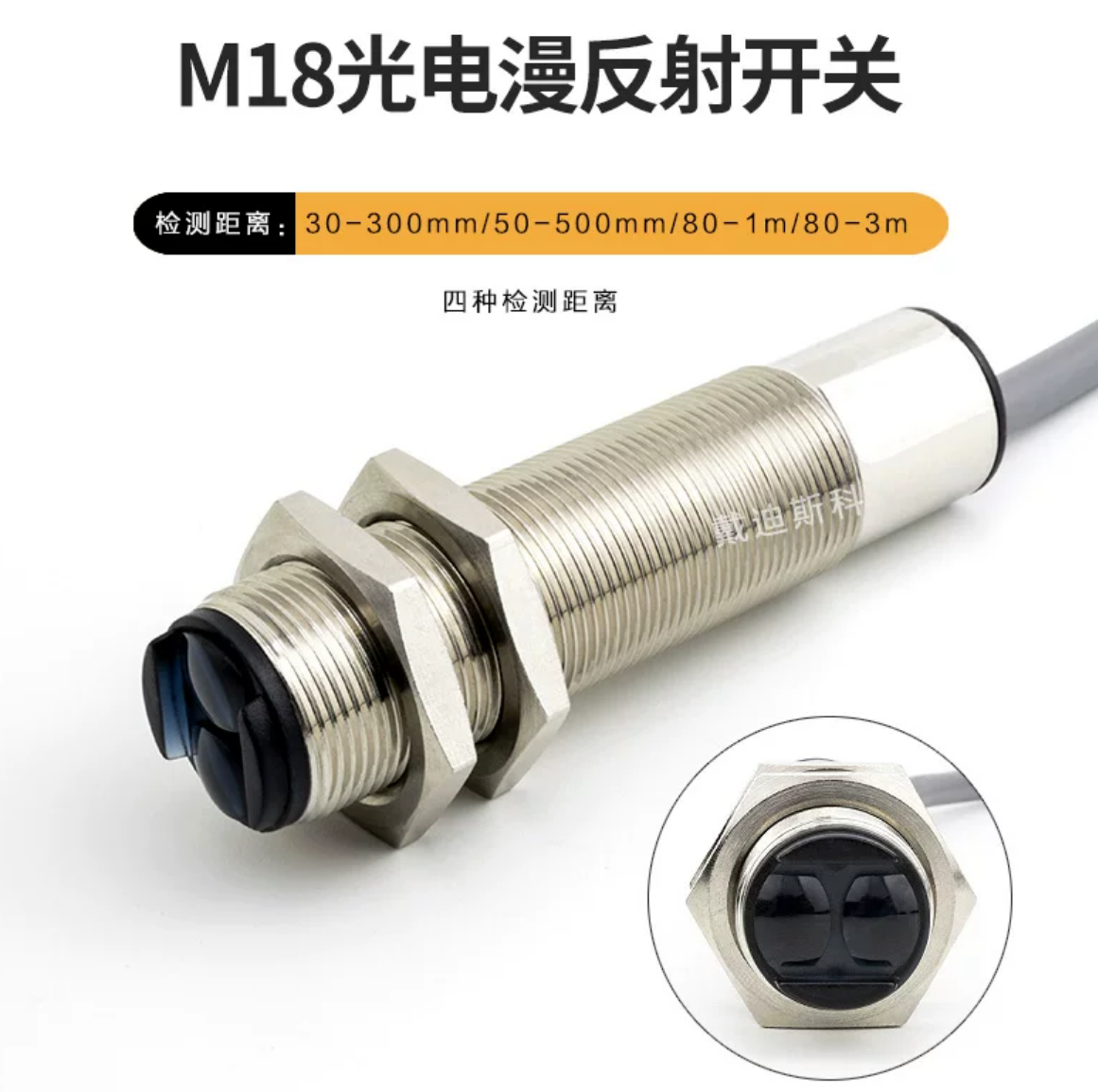
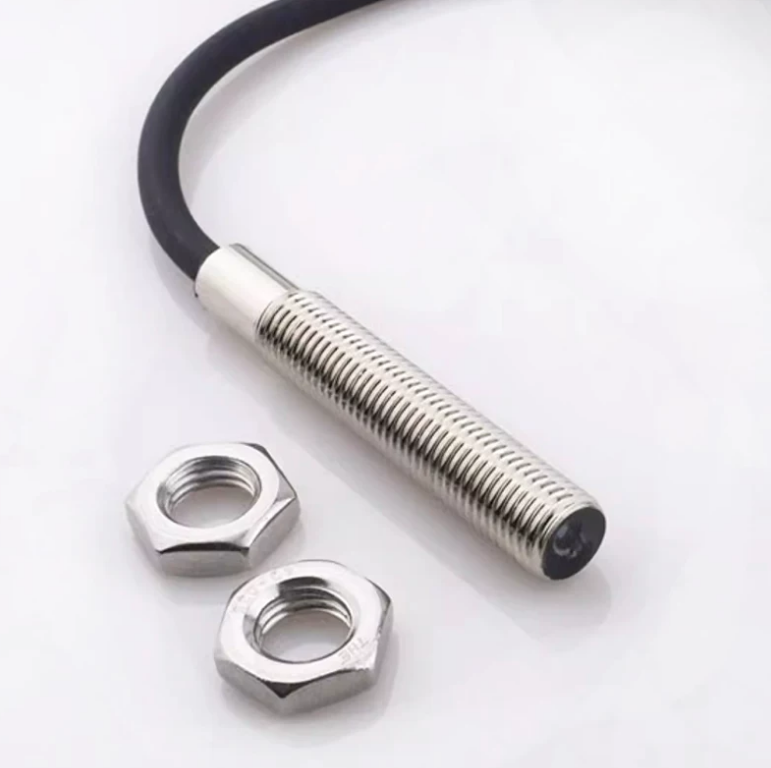
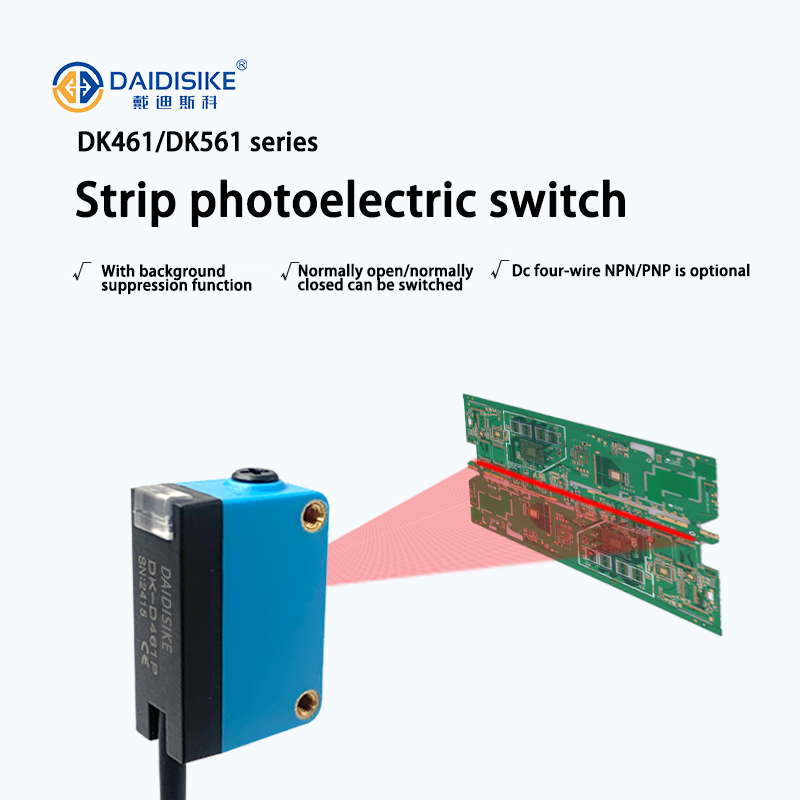
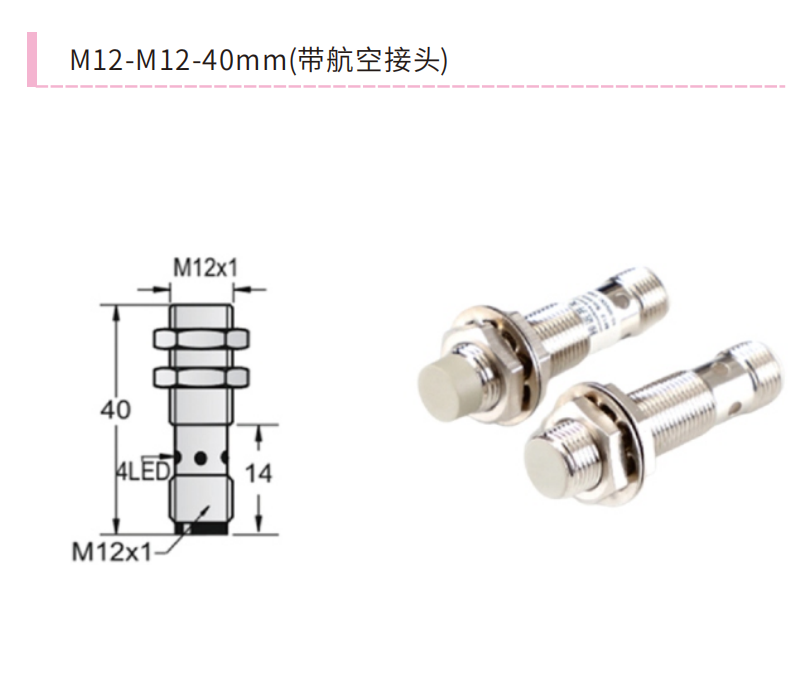
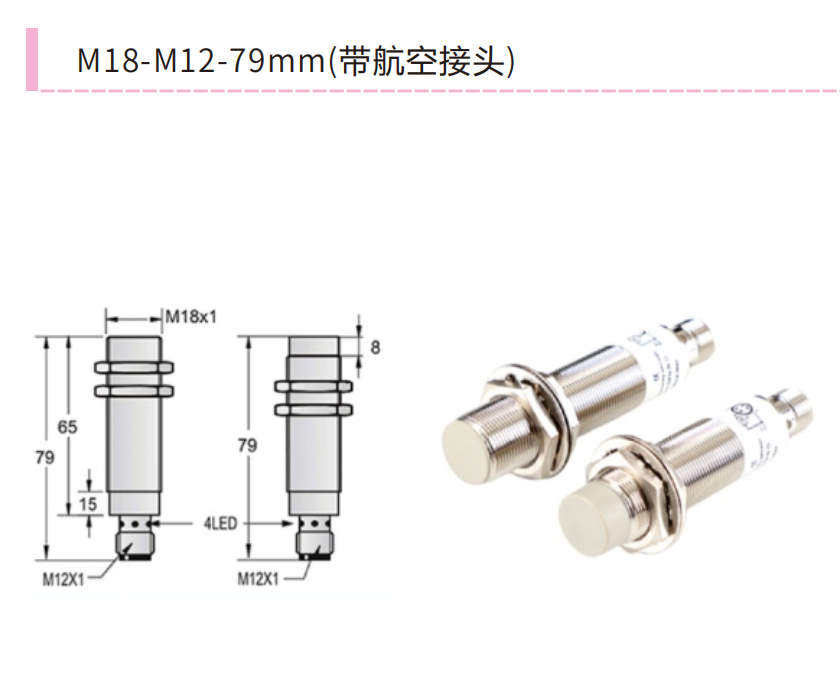
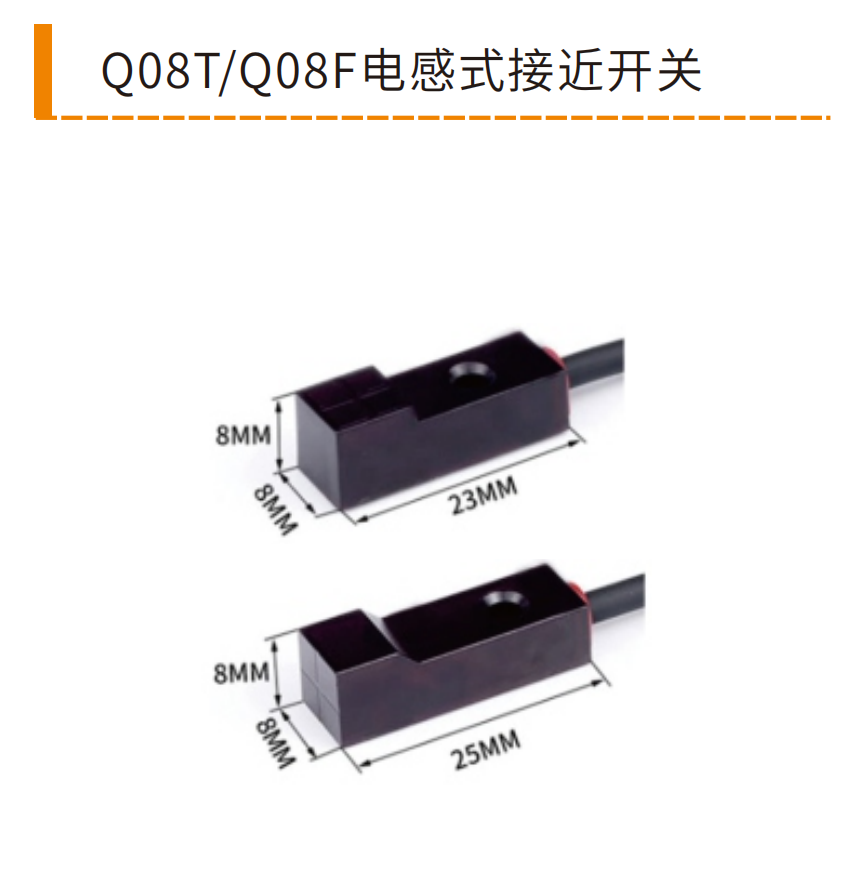
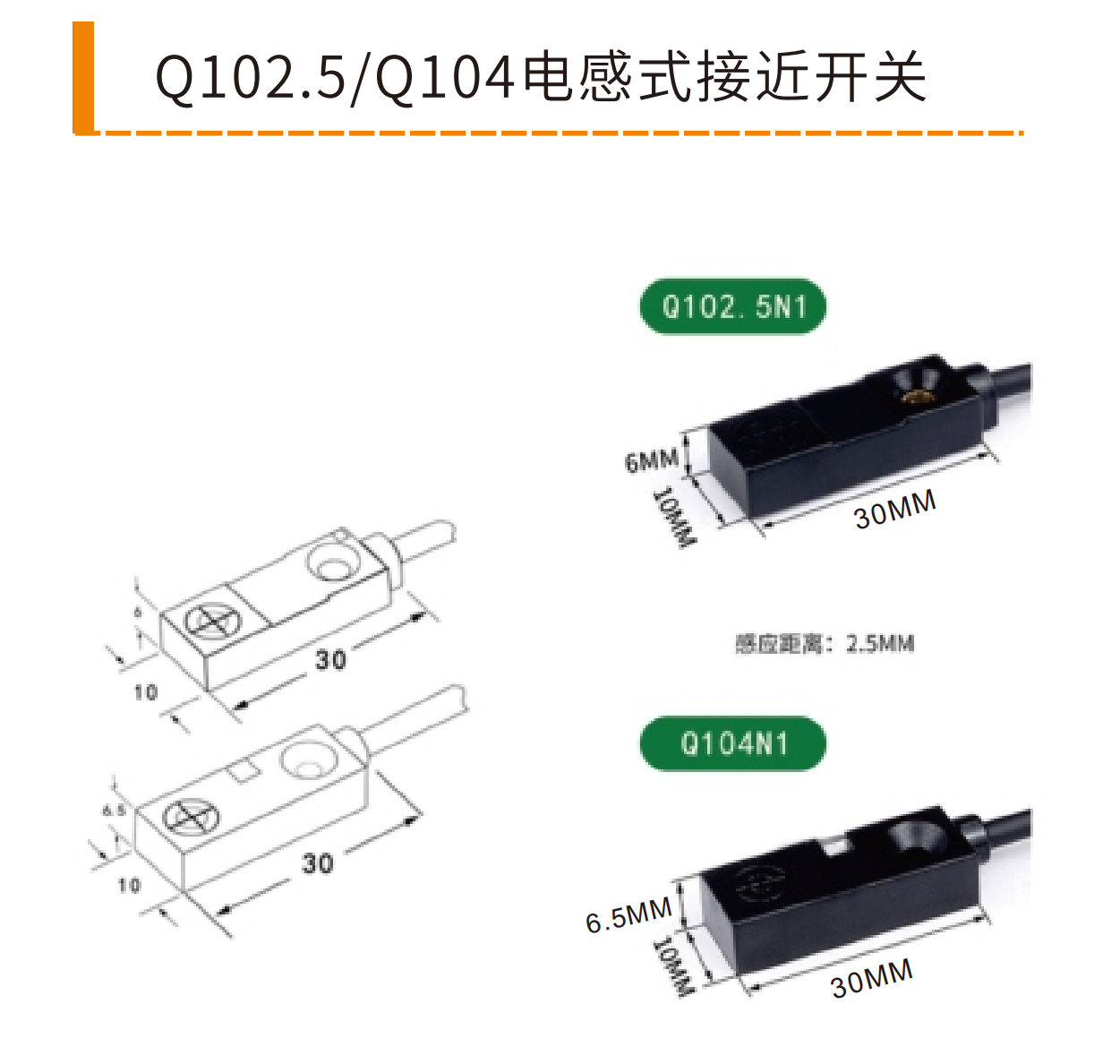
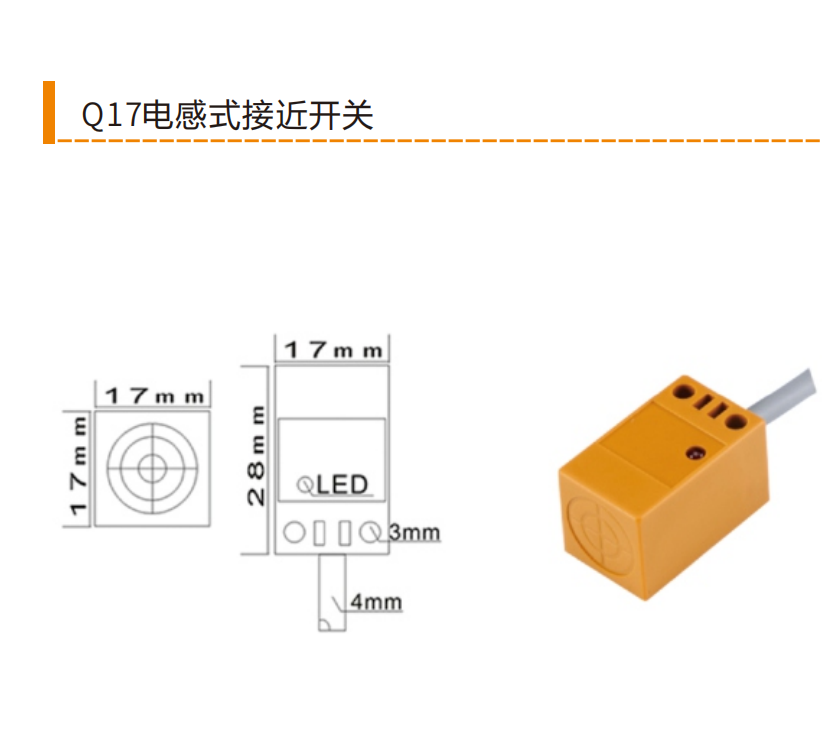
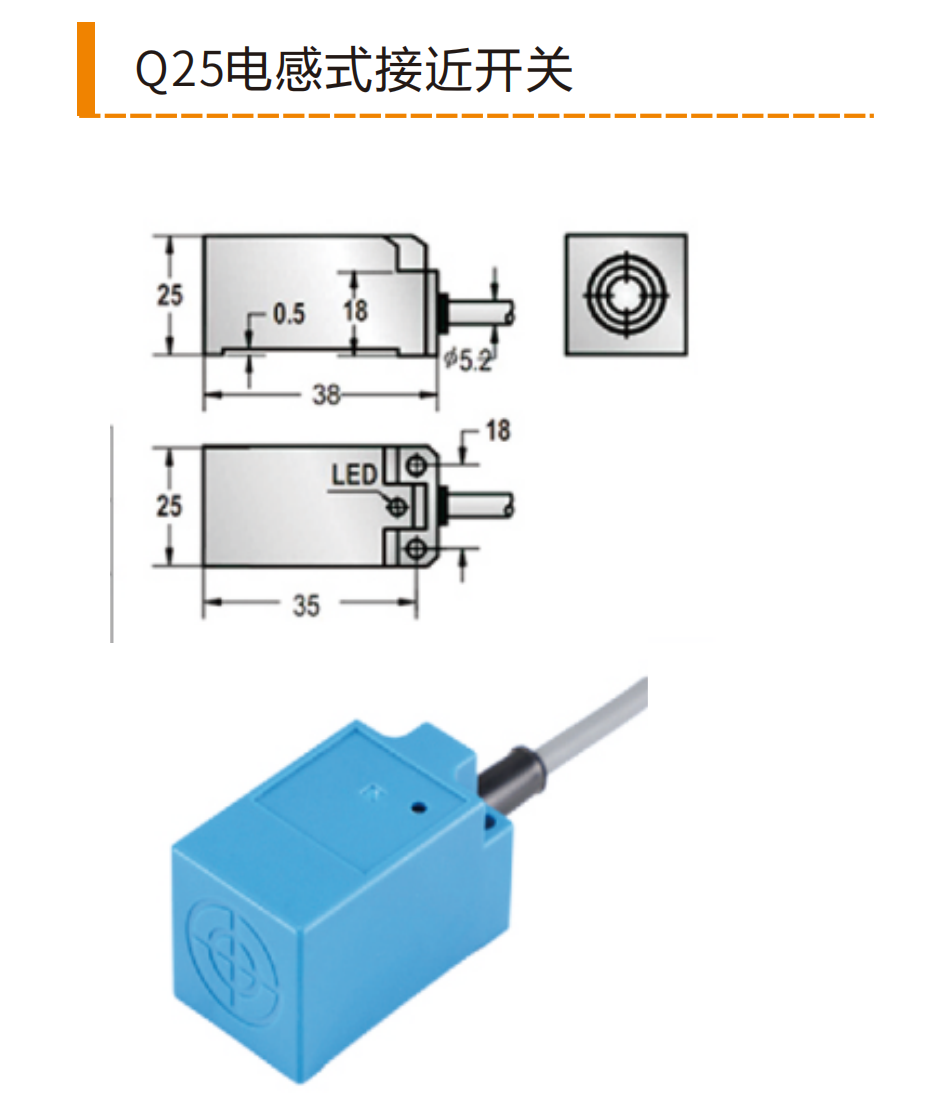
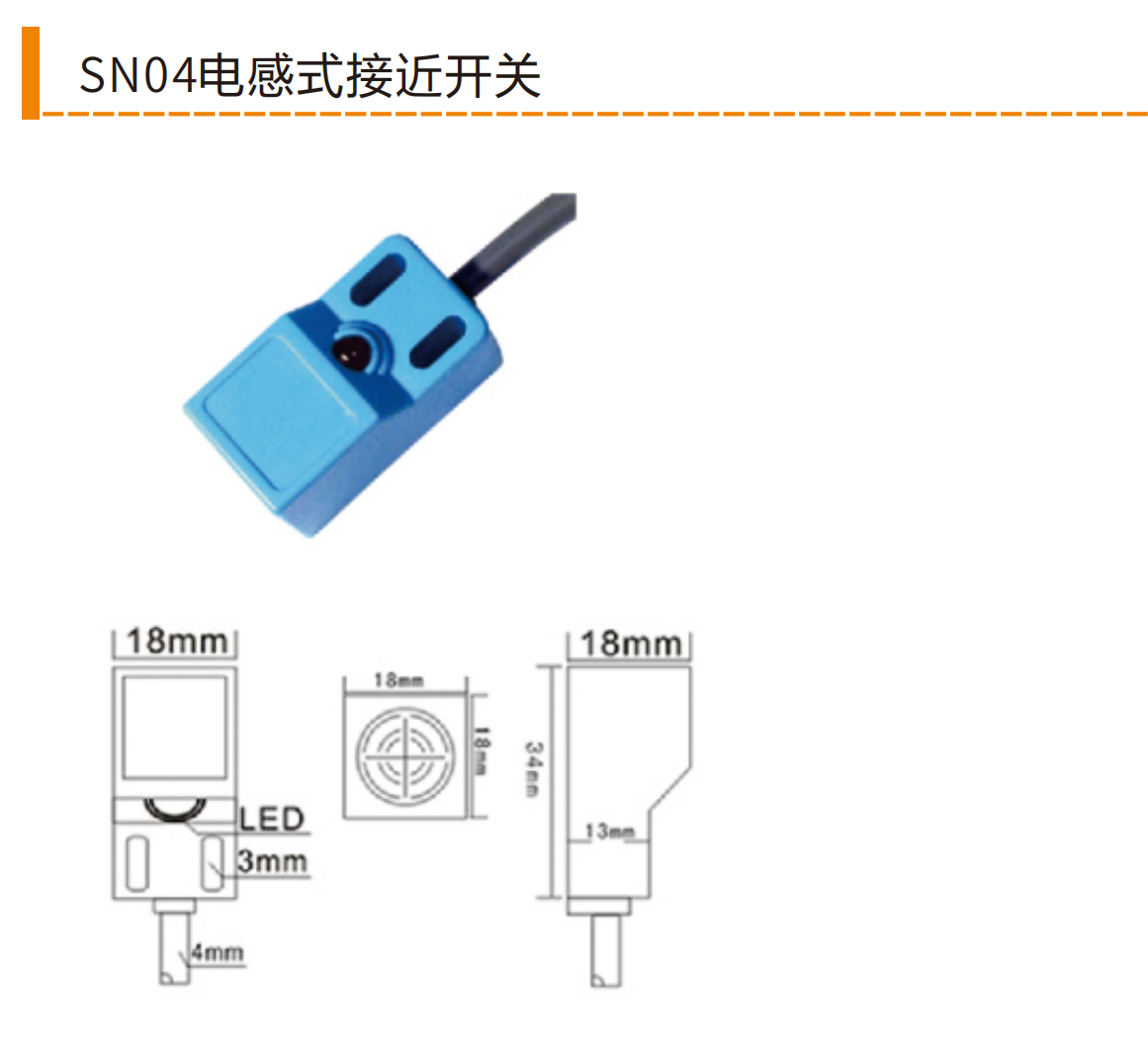
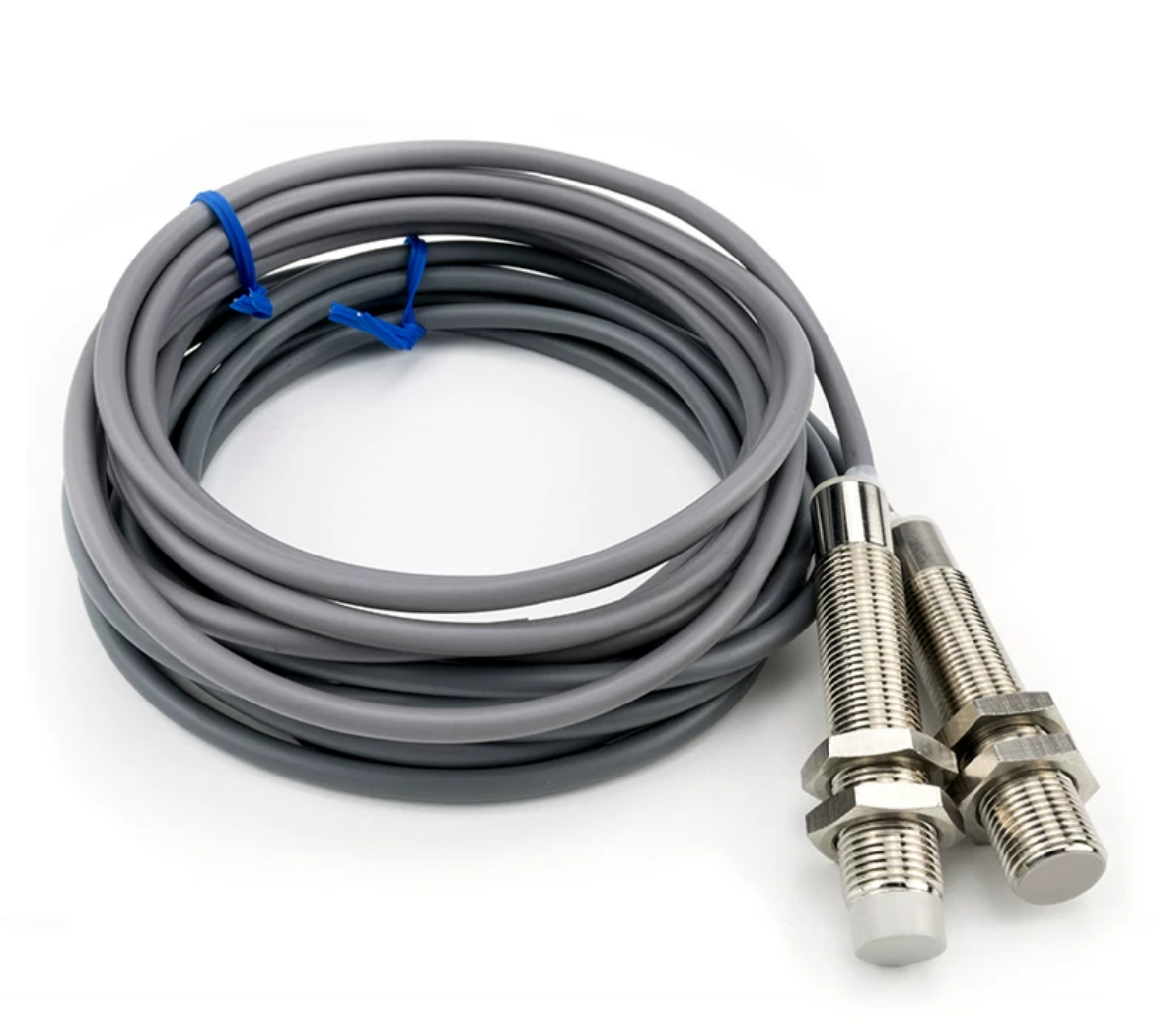
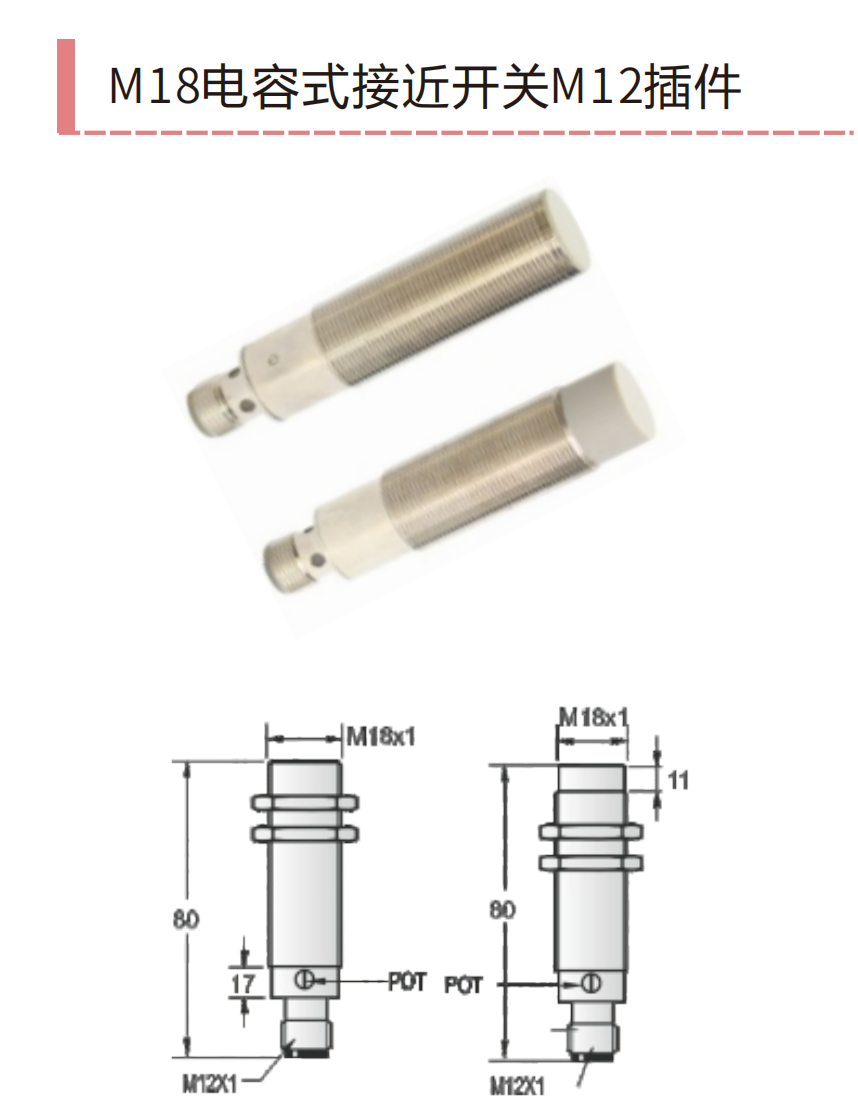
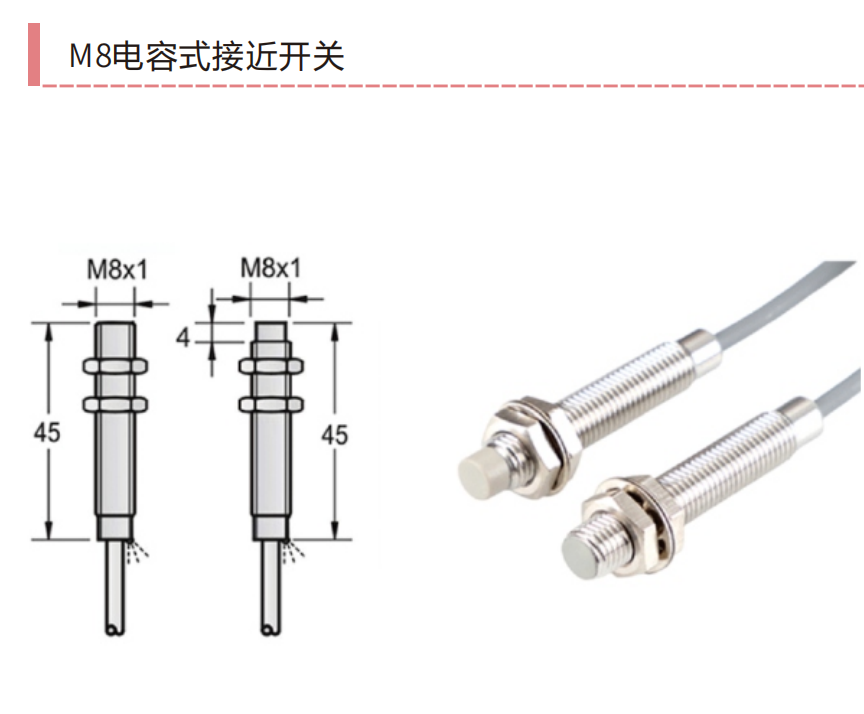
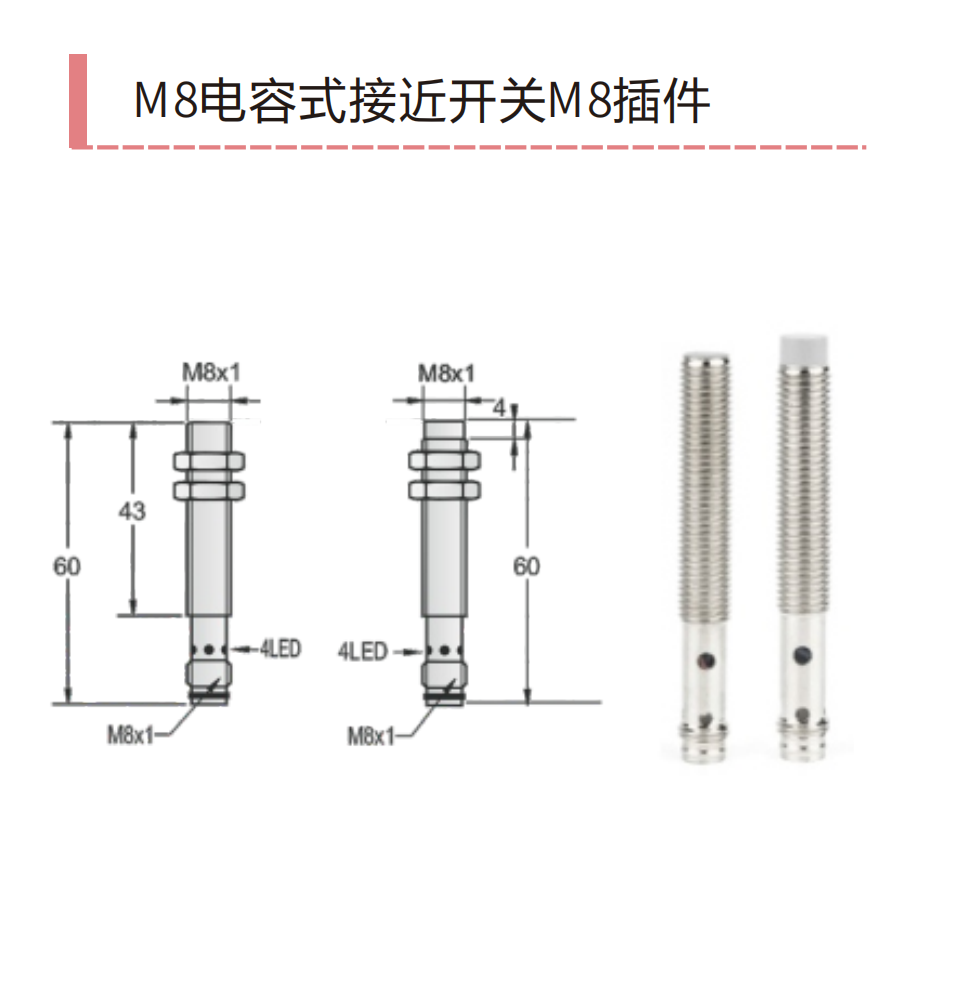
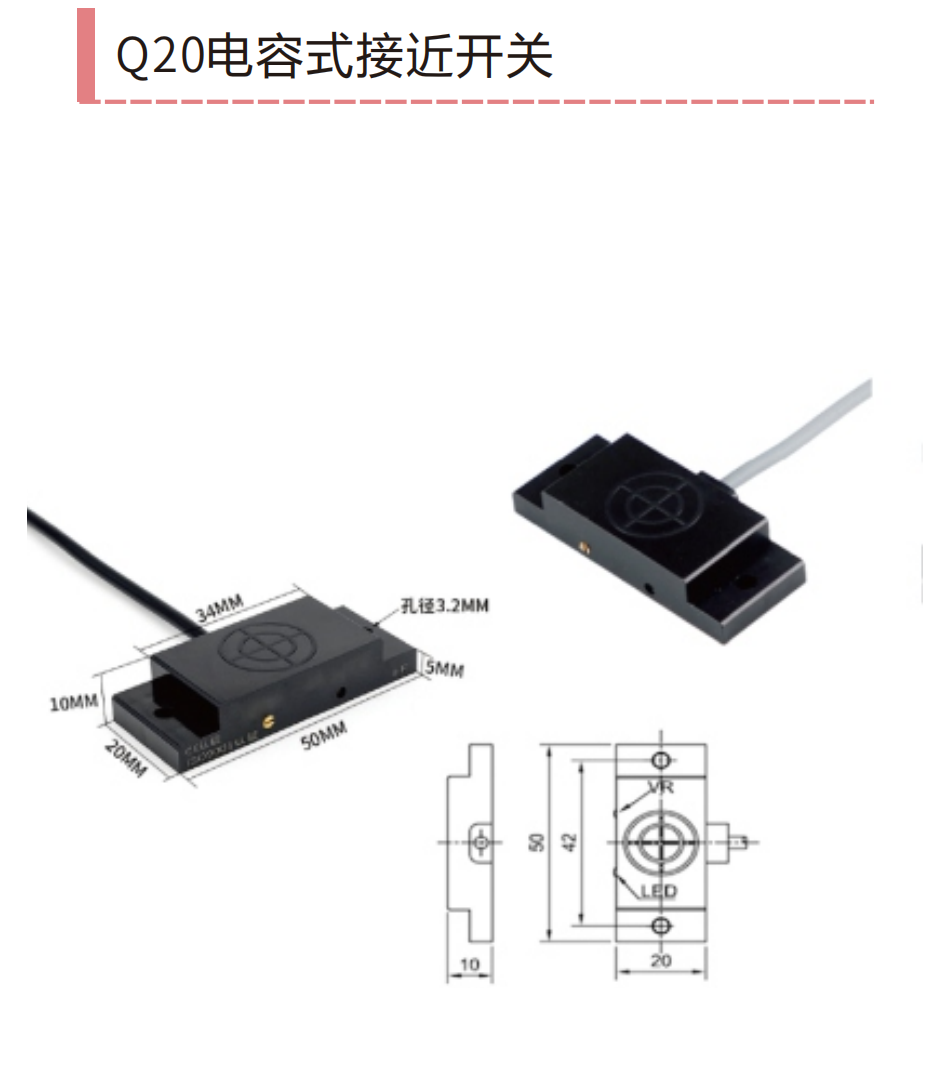
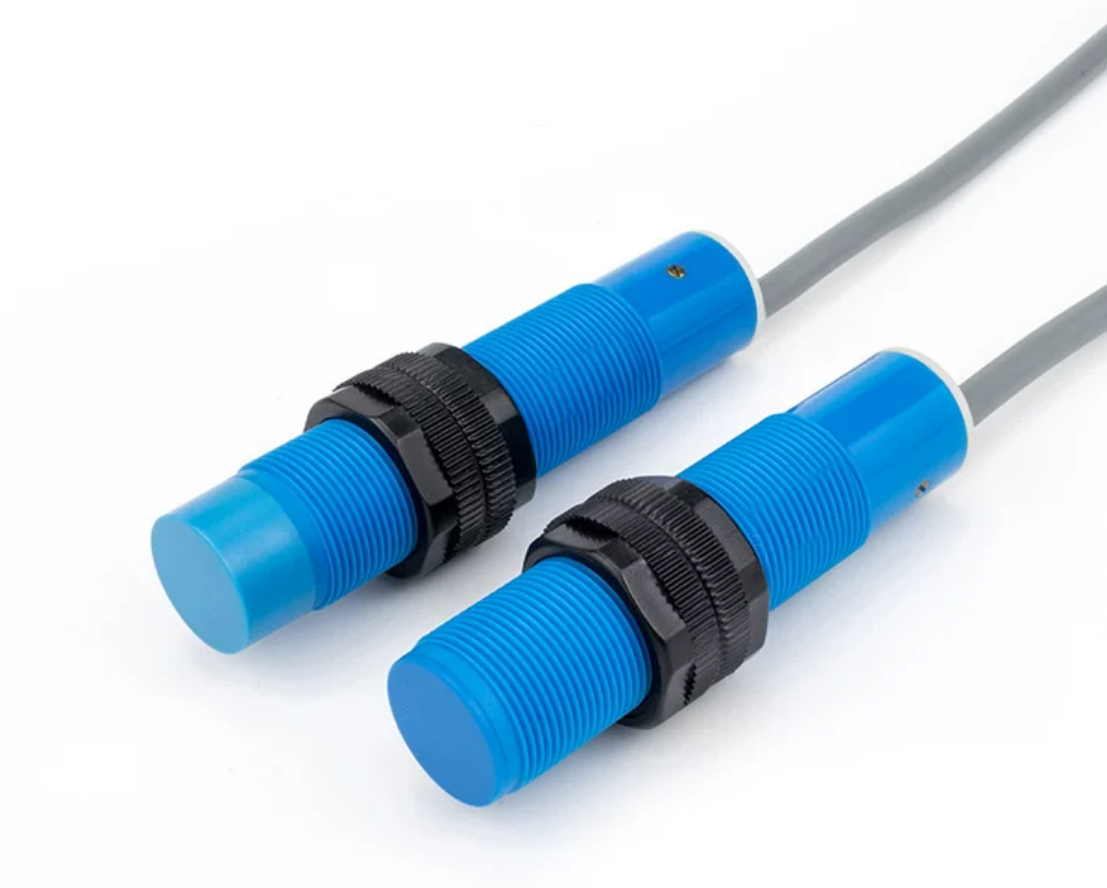
Contactless position and end-of-travel sensing with no optics to foul. Inductive switches see metal only and are the default for cylinder ends, cams, gear teeth and index positions; capacitive switches also react to plastics, liquids, grain and powder, so they are used for level detection and for sensing through a tank or hopper wall. Two mechanical decisions follow: flush (shielded) versus non-flush mounting, which changes both the sensing distance and whether the body can sit in metal; and cable tail versus M8/M12 connector, which is really a maintenance decision. Confirm PNP or NPN and 2-wire or 3-wire against your PLC input card before ordering.
View the Proximity switch category →
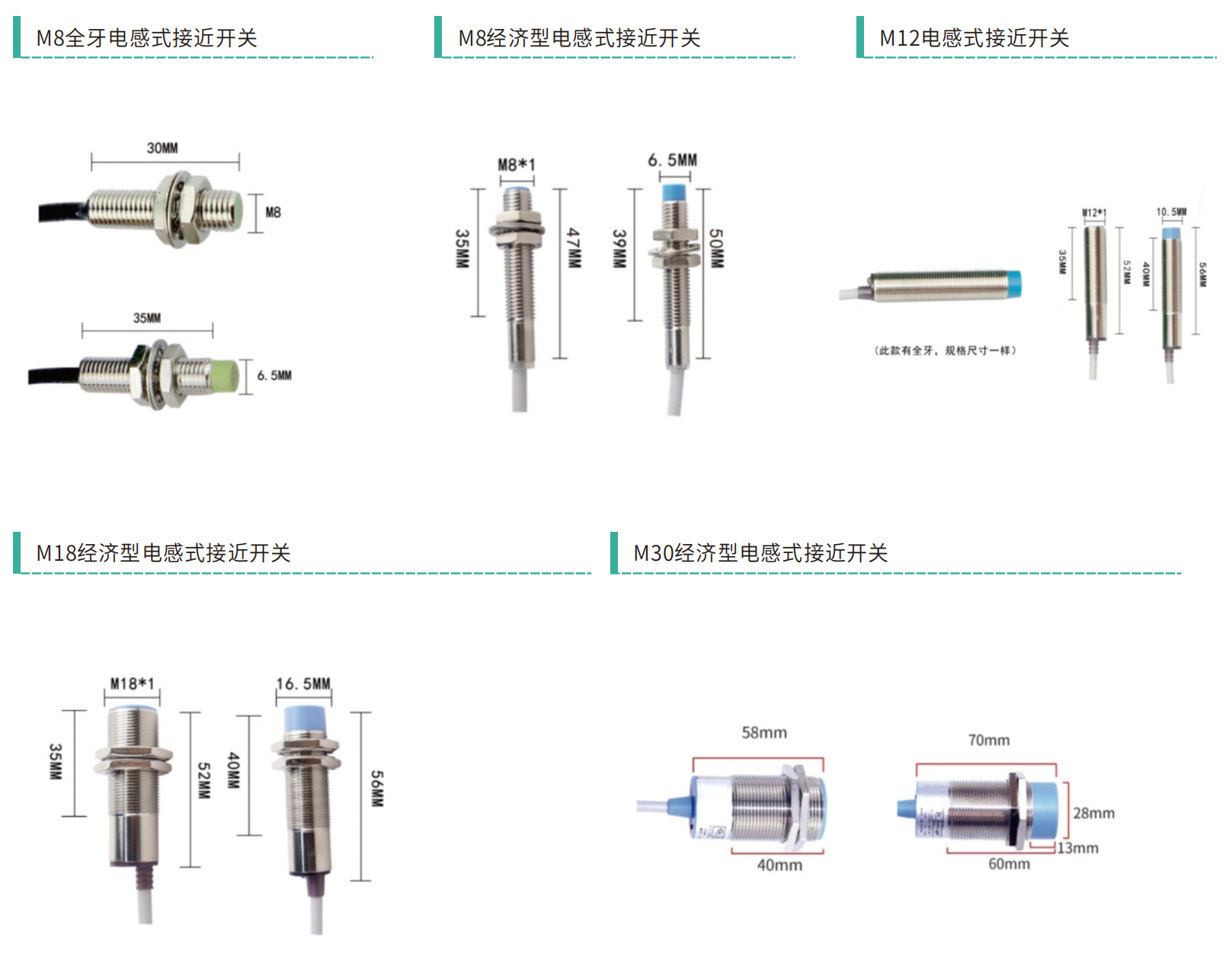
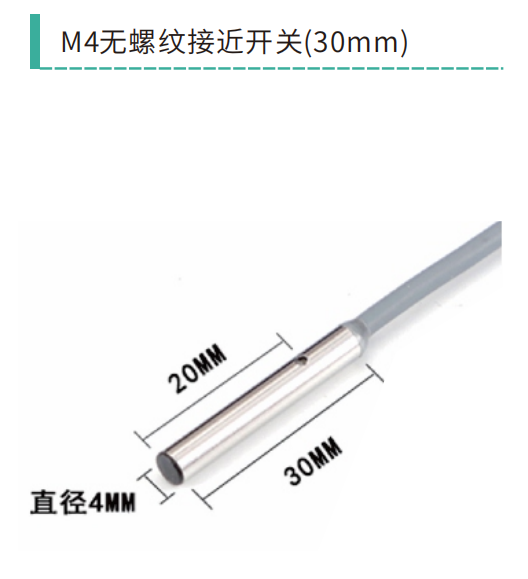
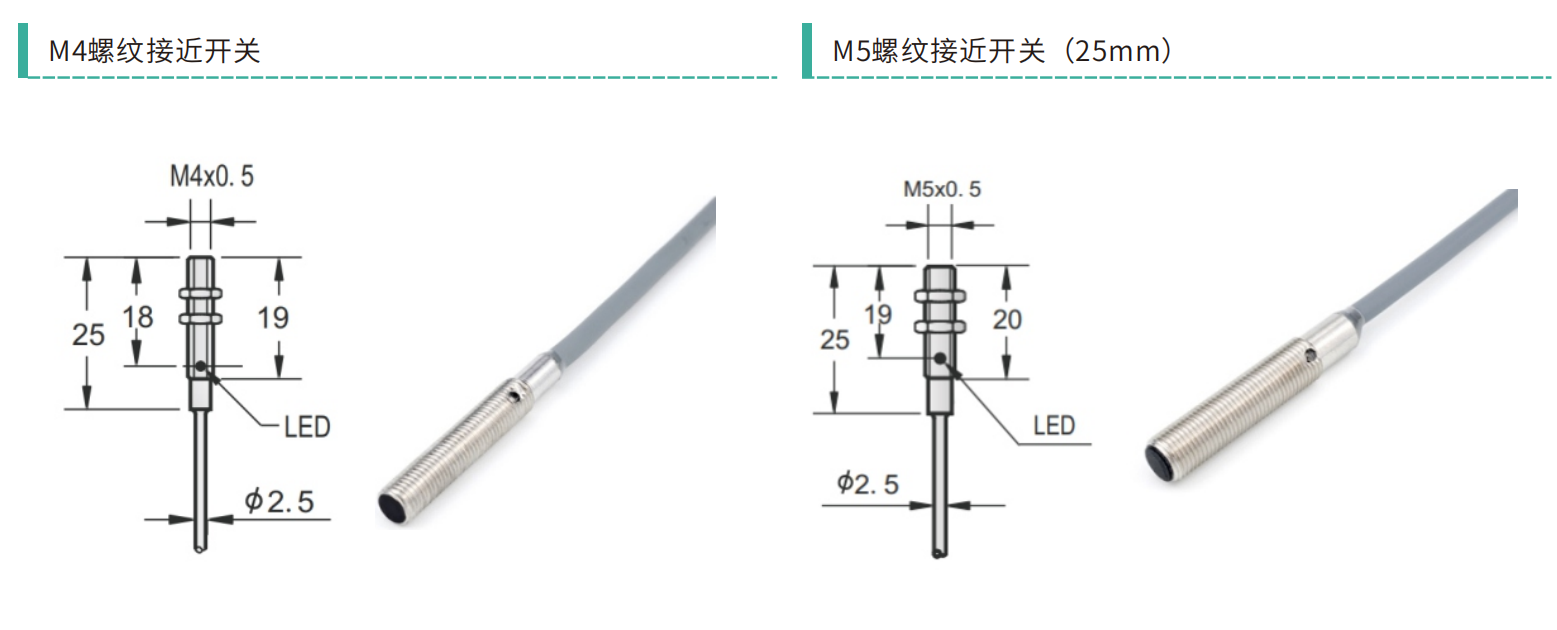
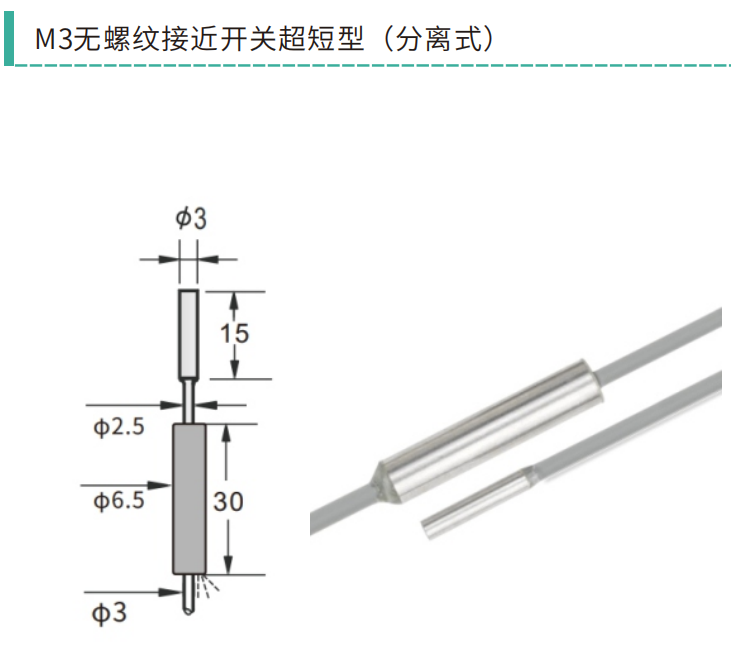
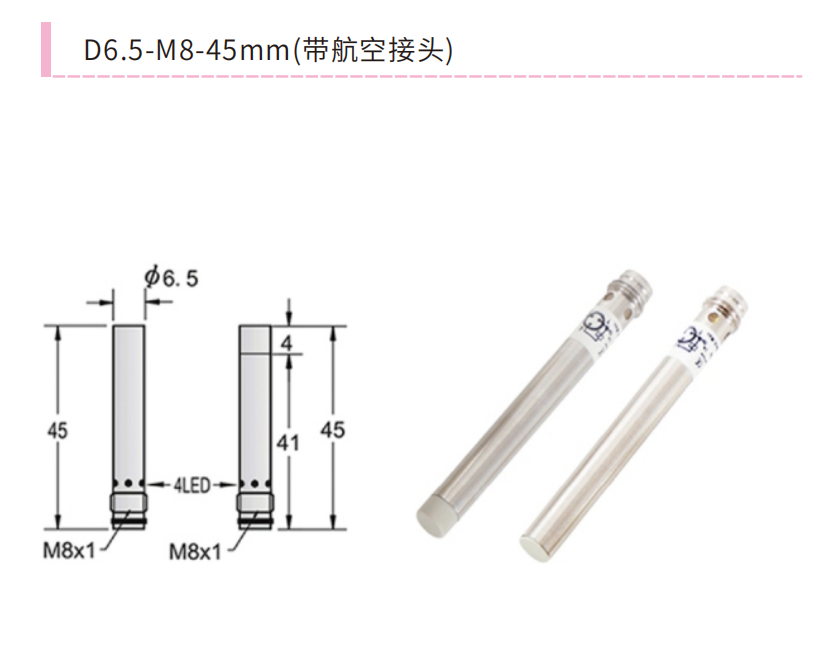
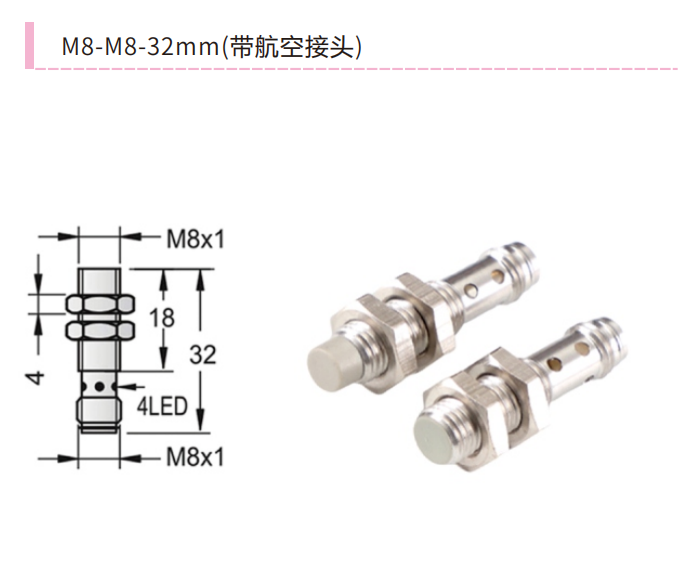
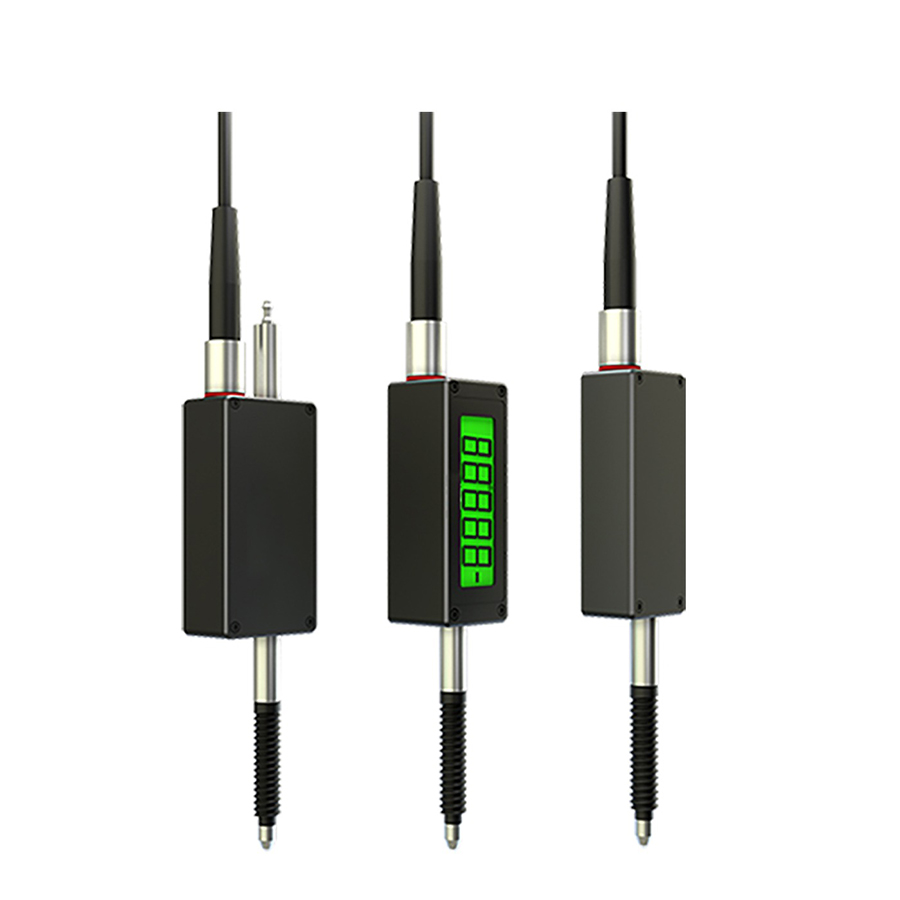
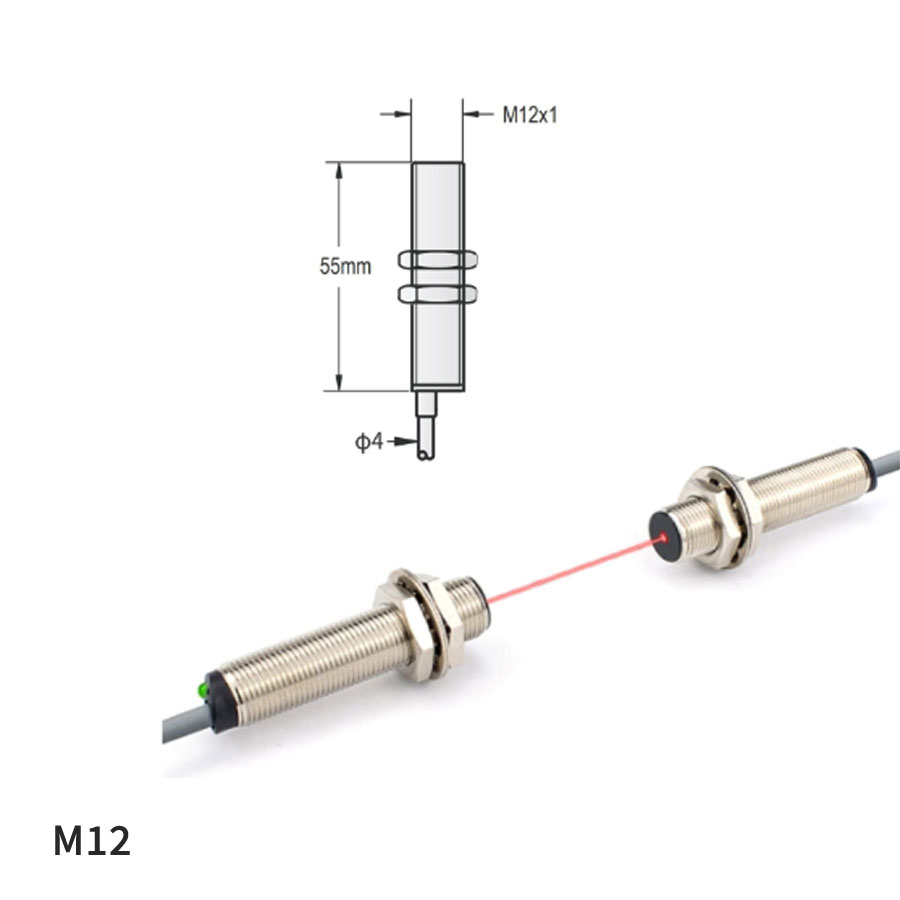
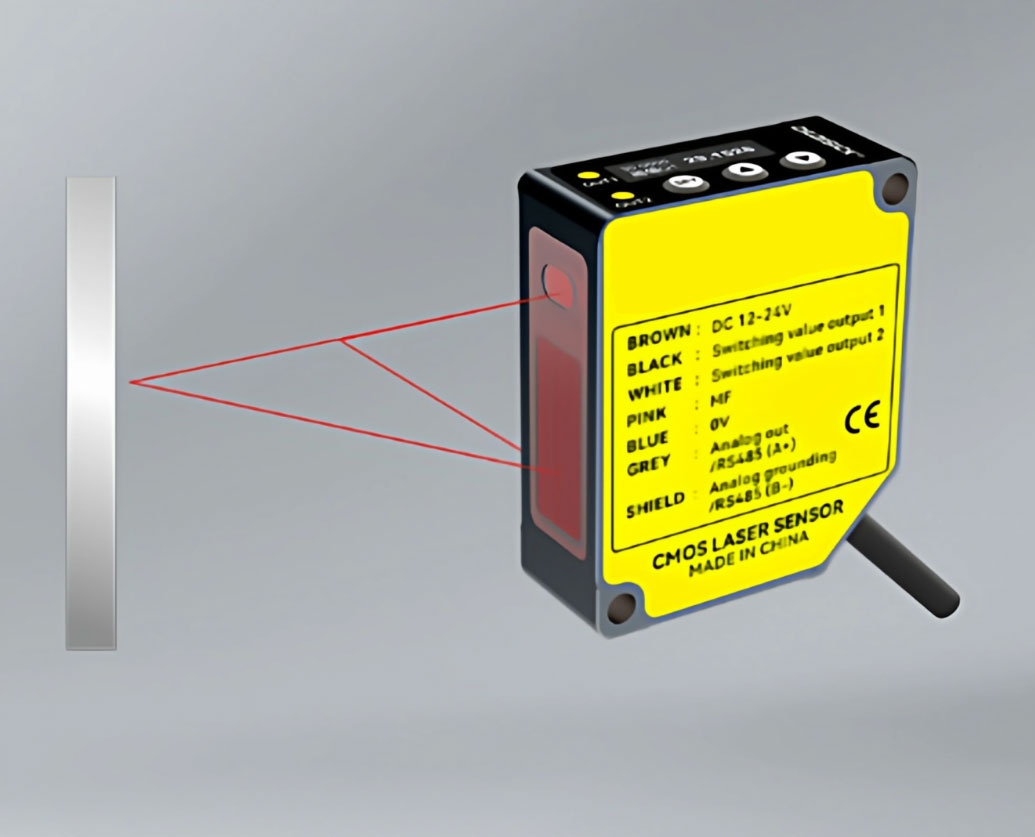
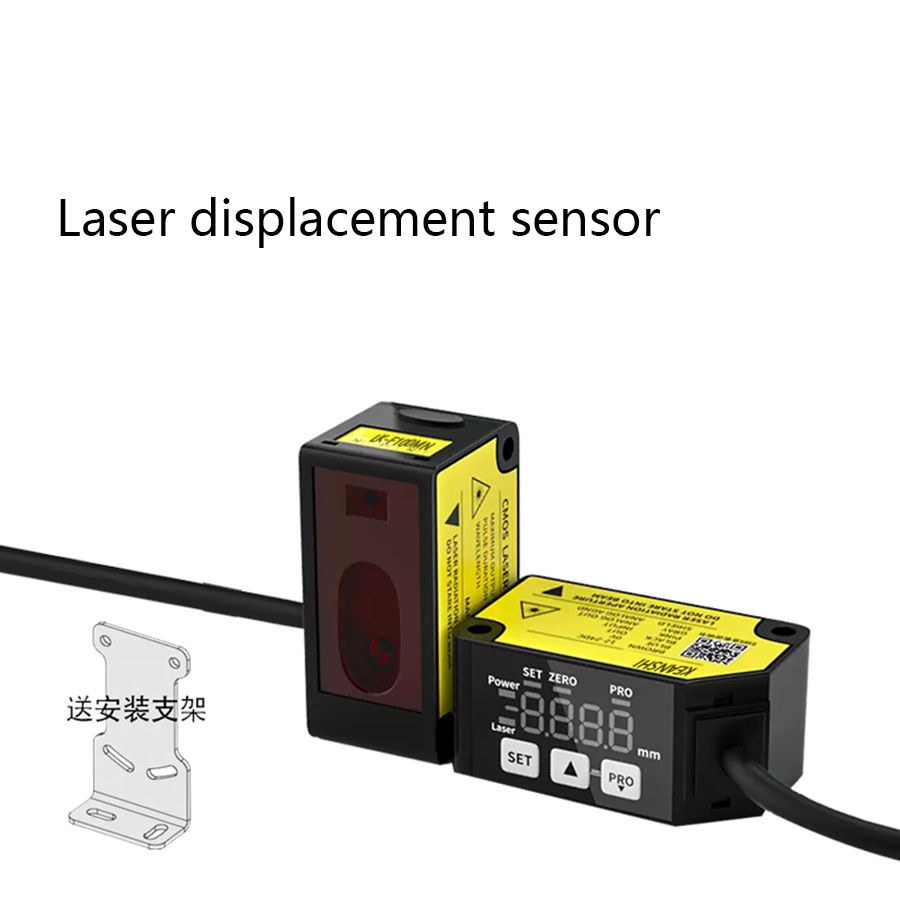
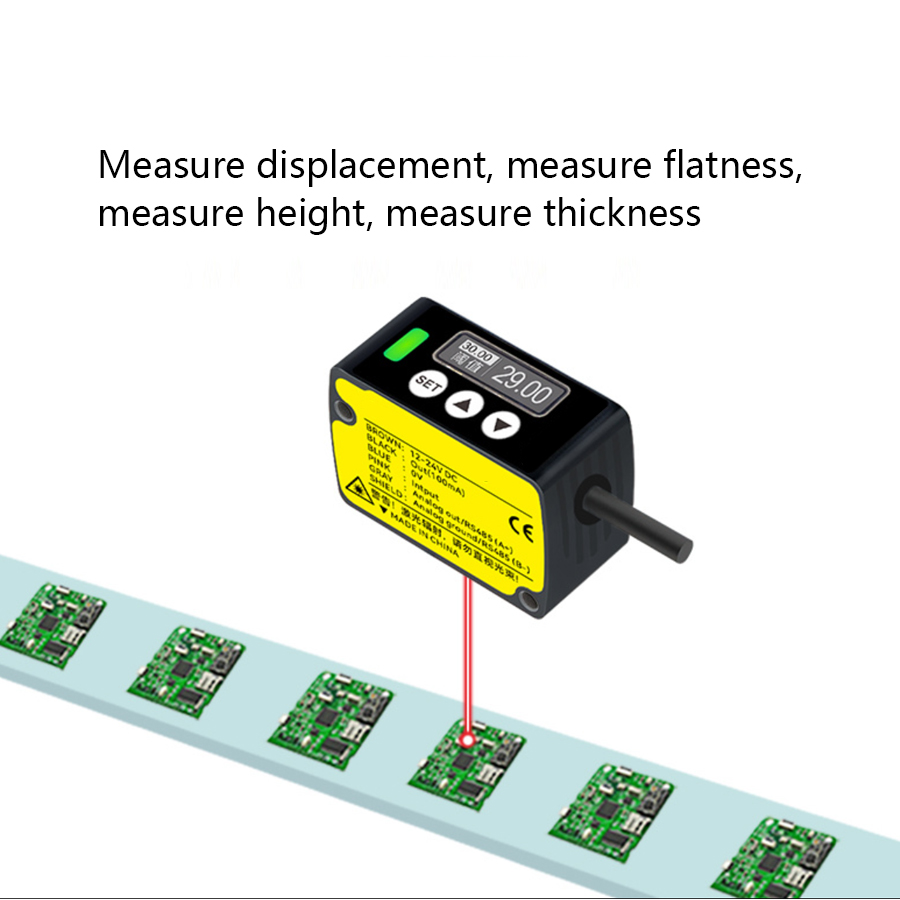
When the target is small, dark, thin or far away, a collimated laser spot succeeds where an LED beam is too diffuse. Laser switches give a yes/no output for small-part detection and precise edge triggering; laser distance and displacement sensors give an analogue or serial value for thickness, height, sag, diameter and positioning. Decide first whether you need a switch or a measurement, then check the working range and the interface — a switching output for a PLC input card, or 4-20 mA / RS485 / Ethernet where the value itself is needed. Right-angle heads exist for machines with no room in front of the sensing point; see the individual product pages for each series' ranges and outputs.
View the Laser switch sensor category →
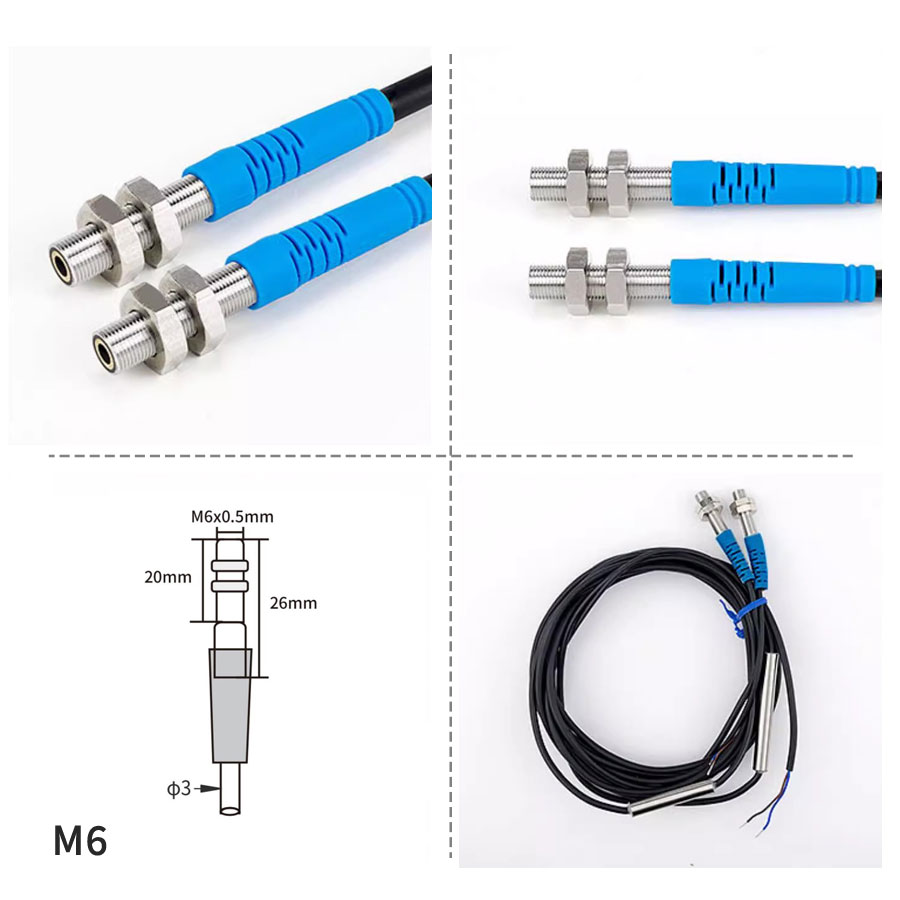
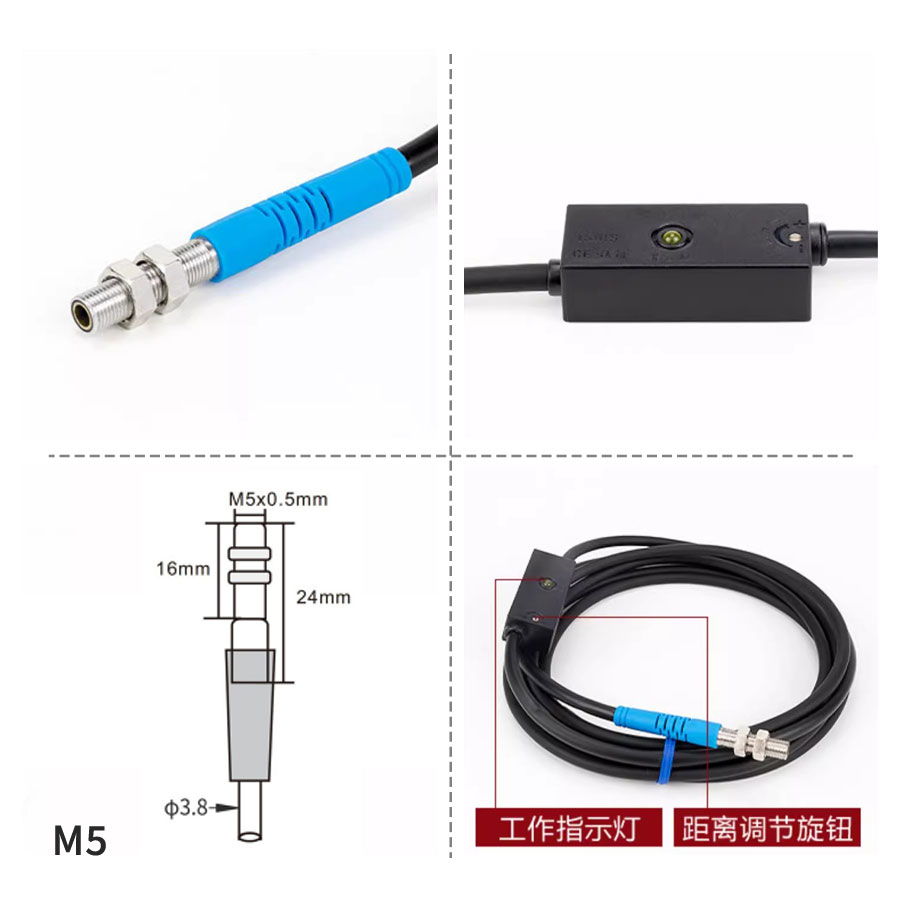
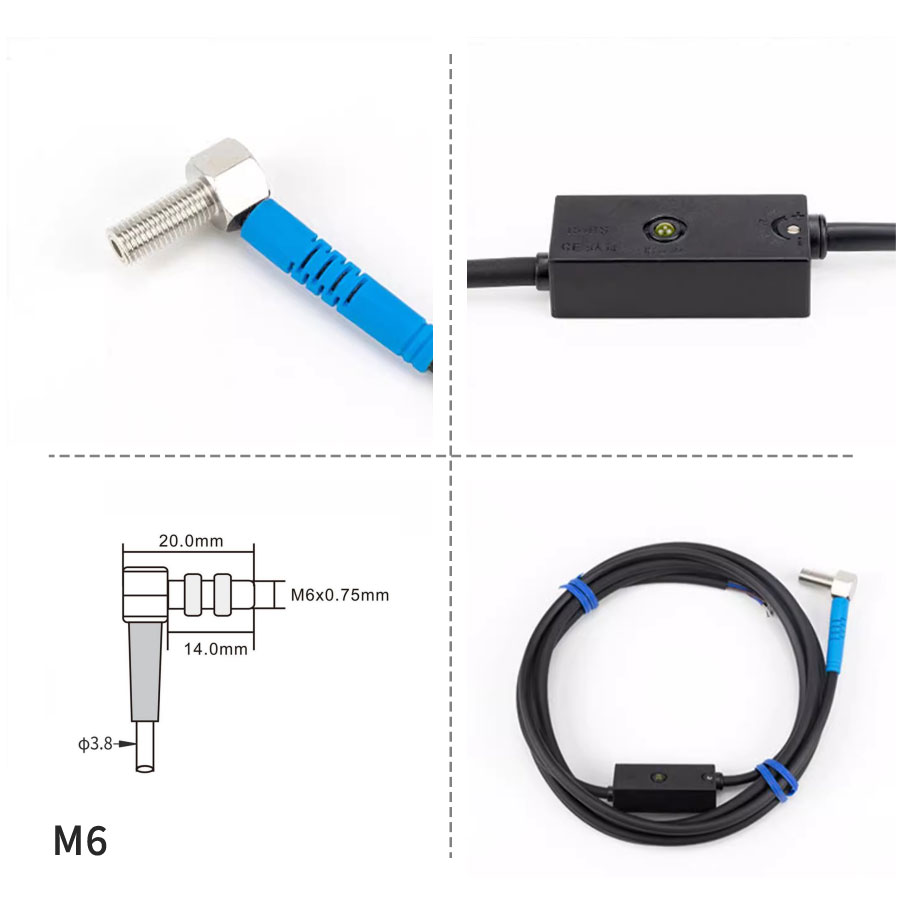
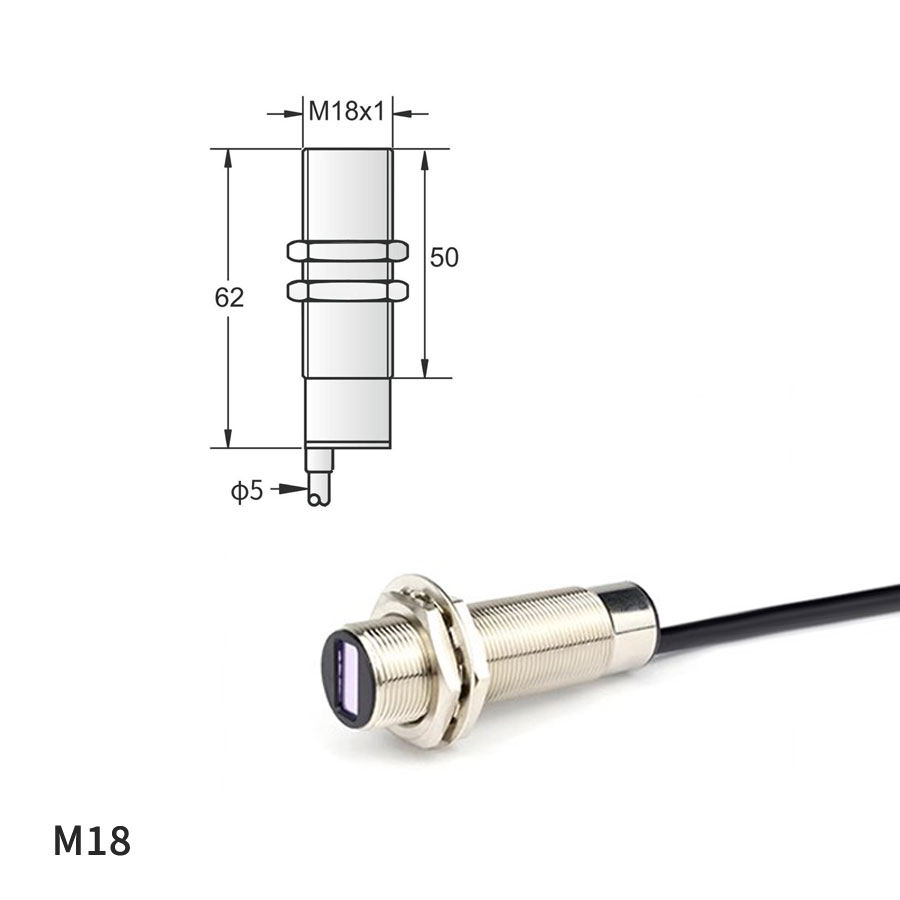
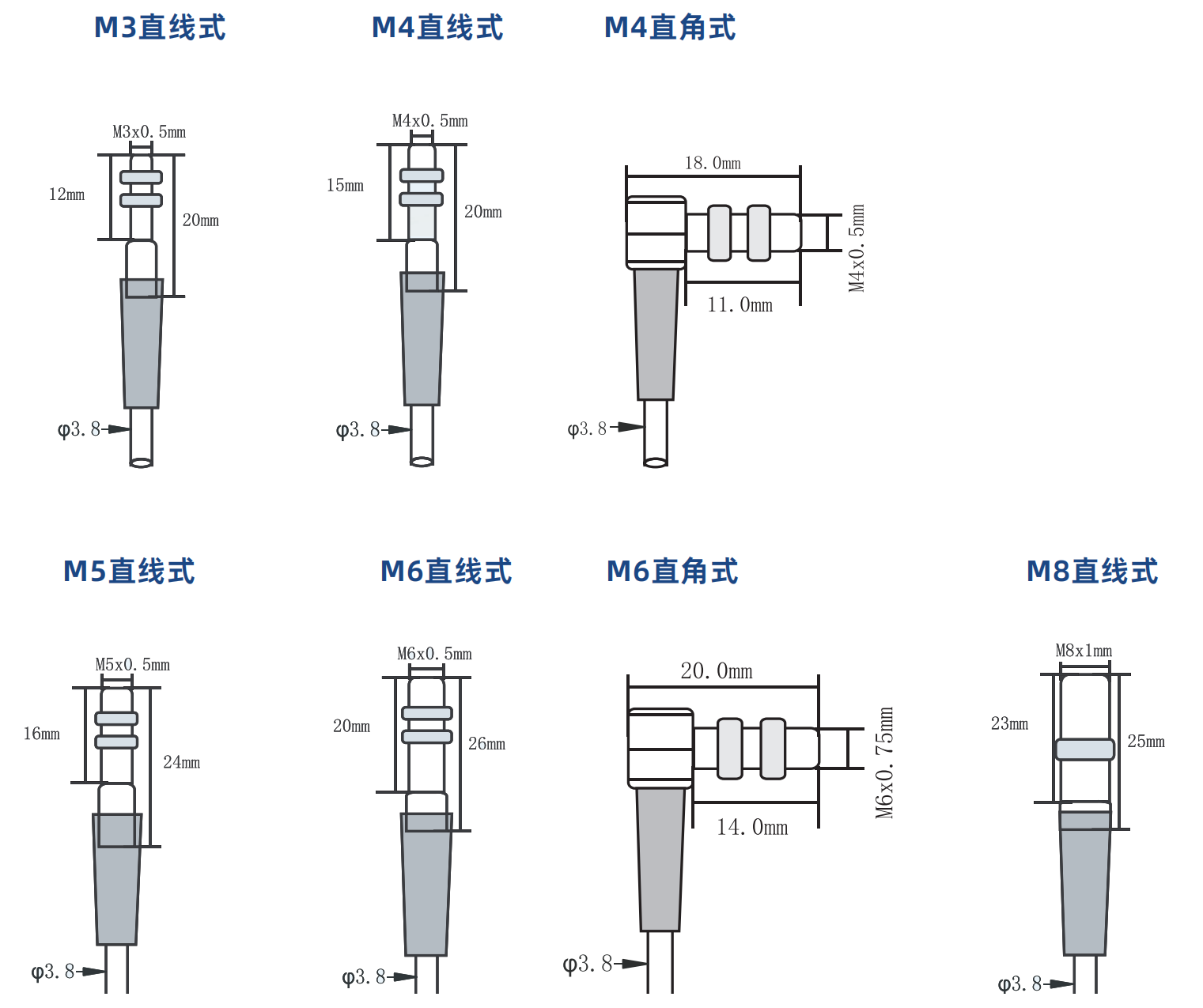
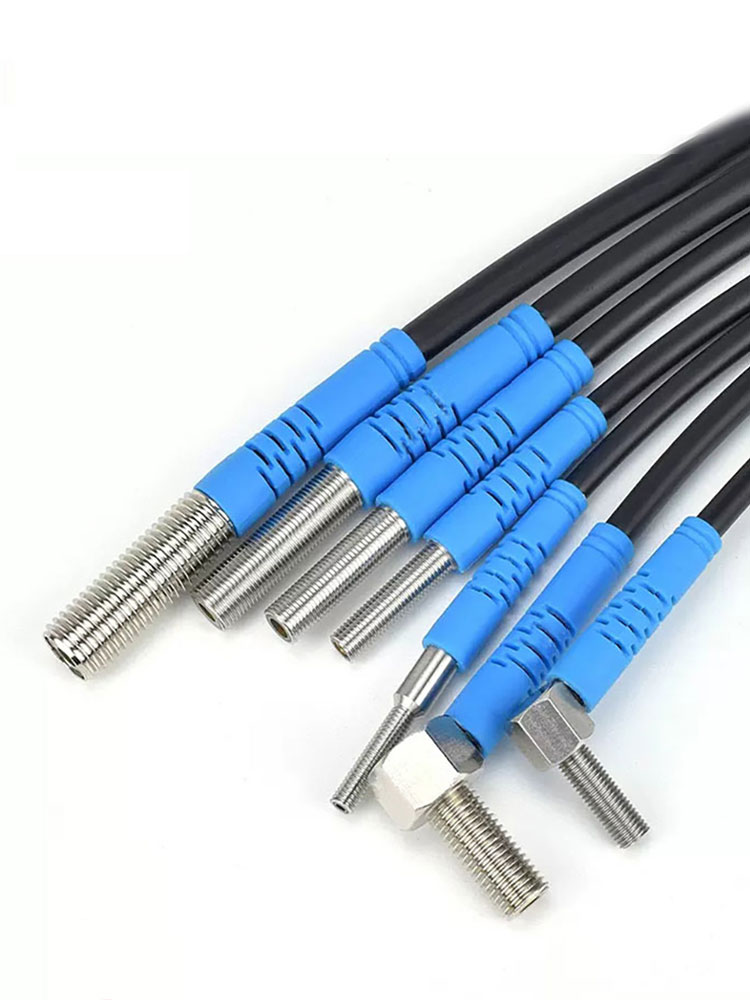
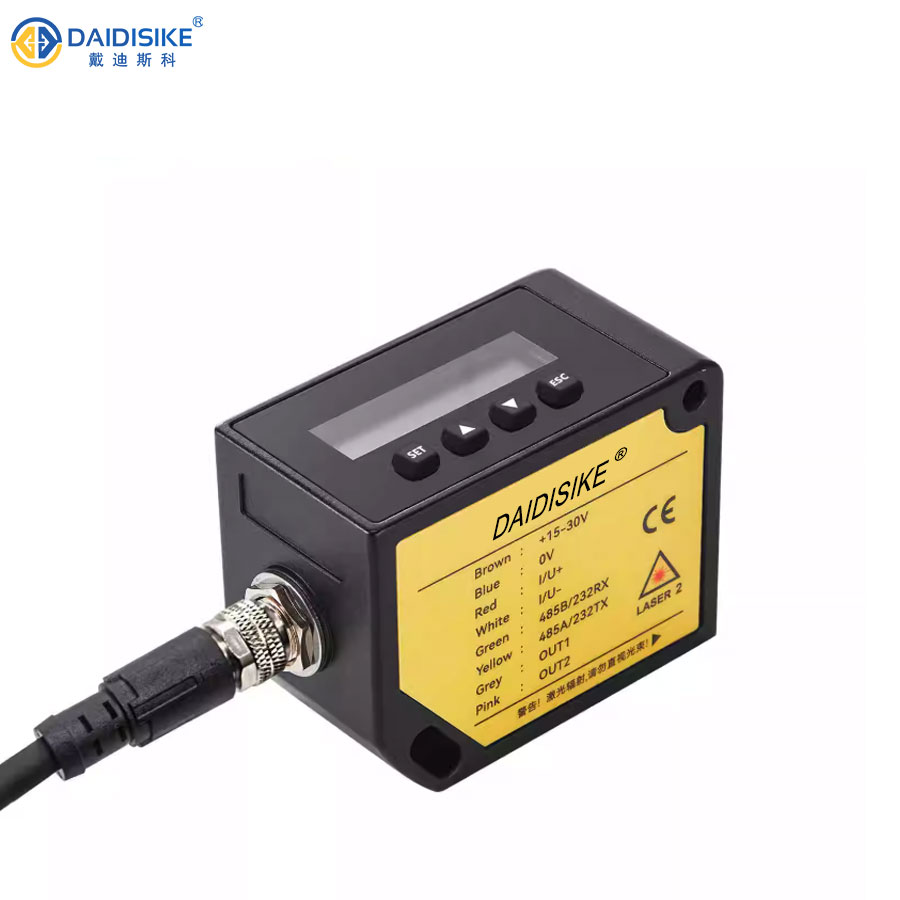
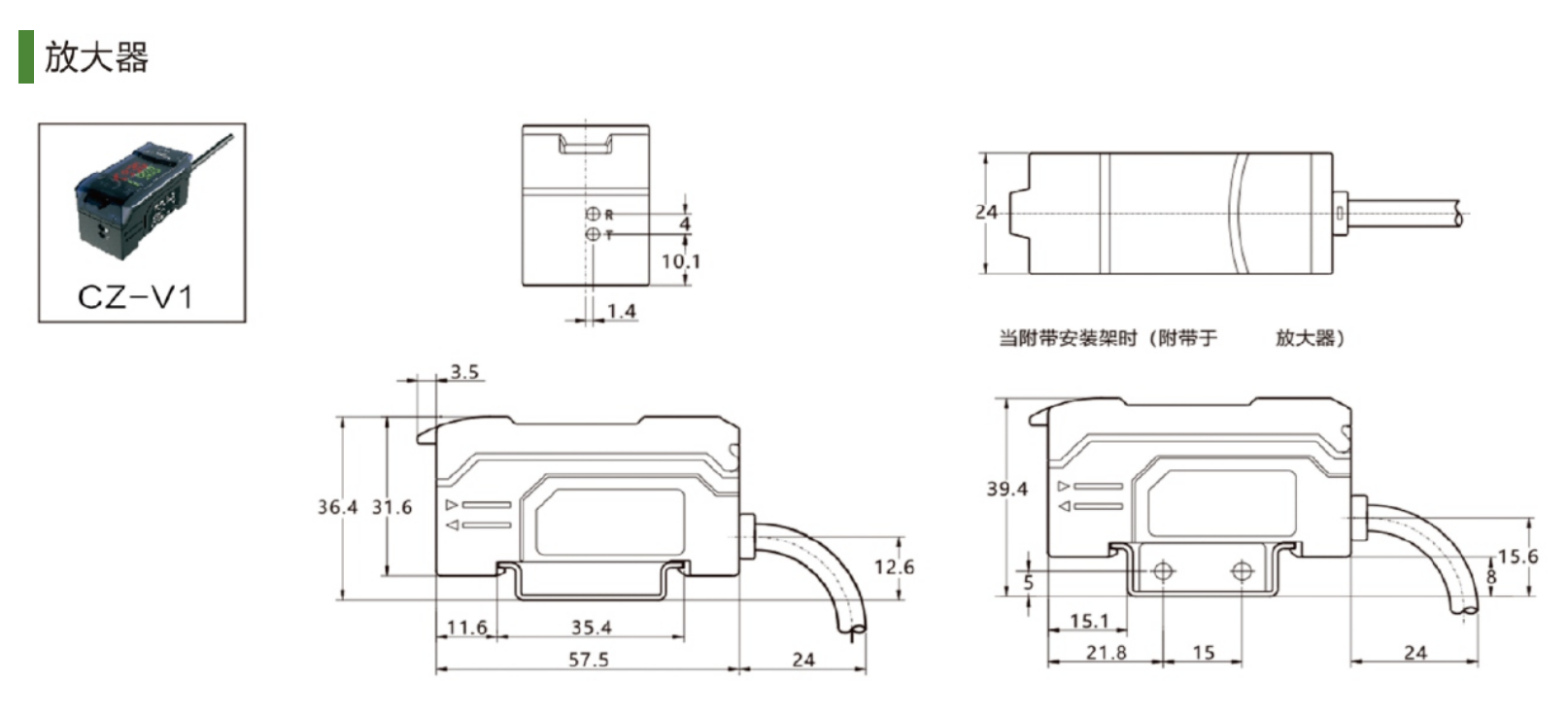
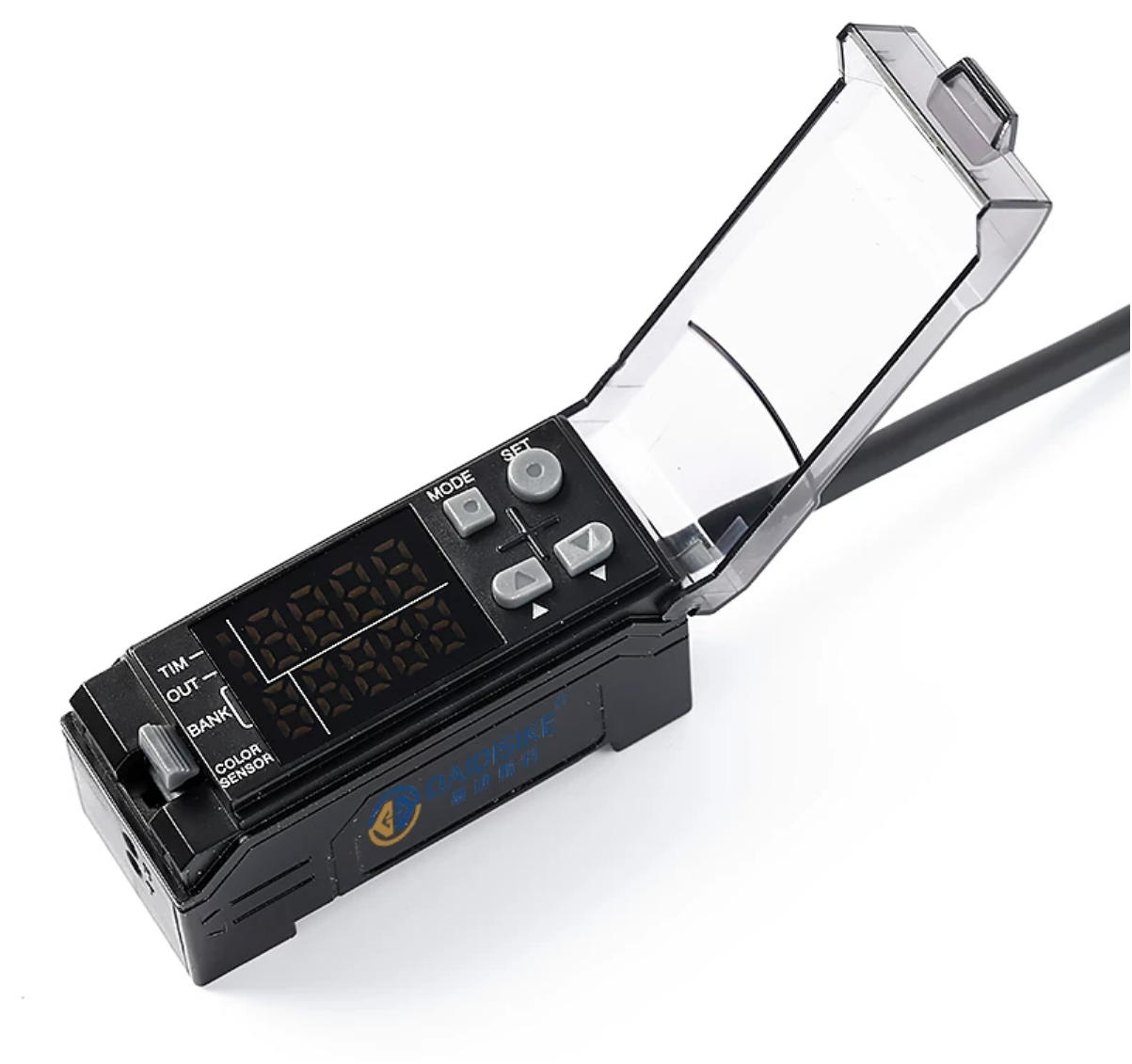
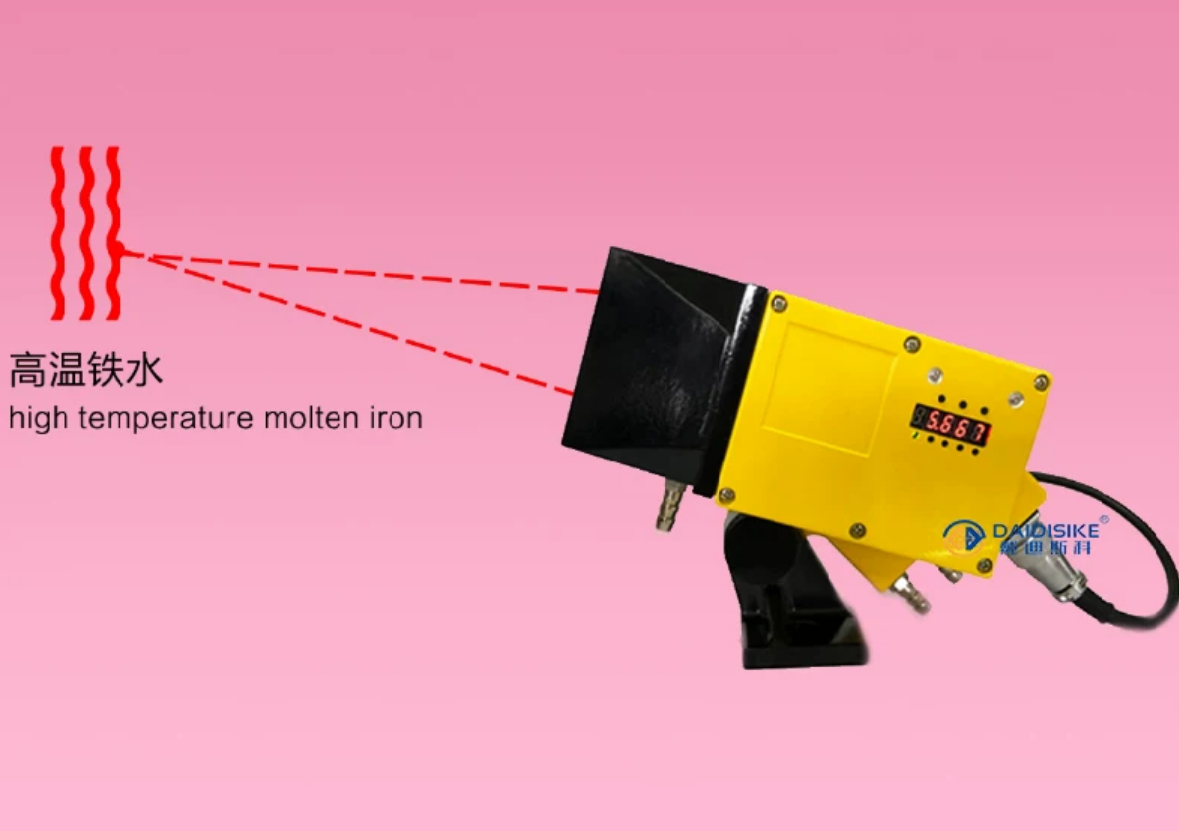
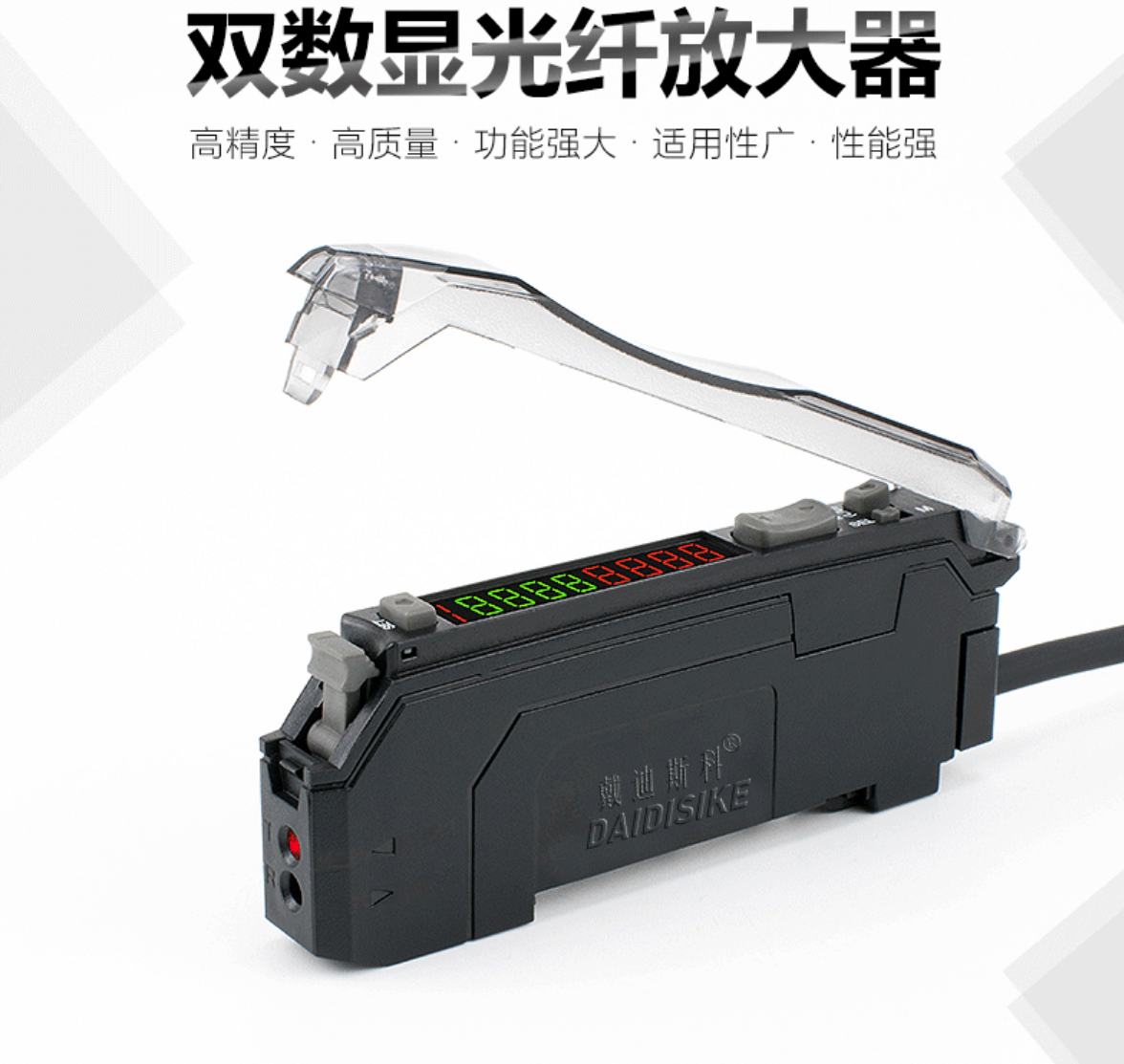
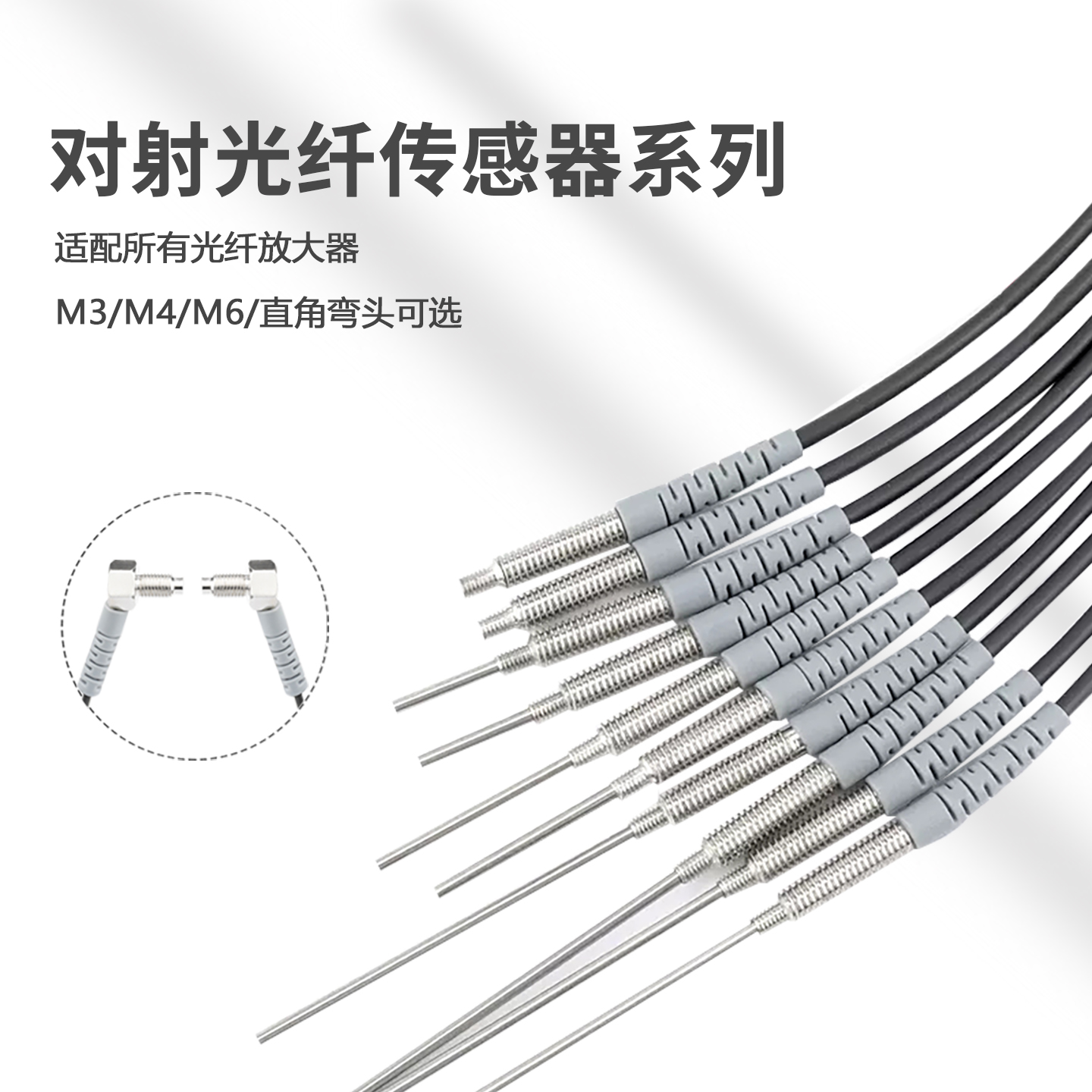
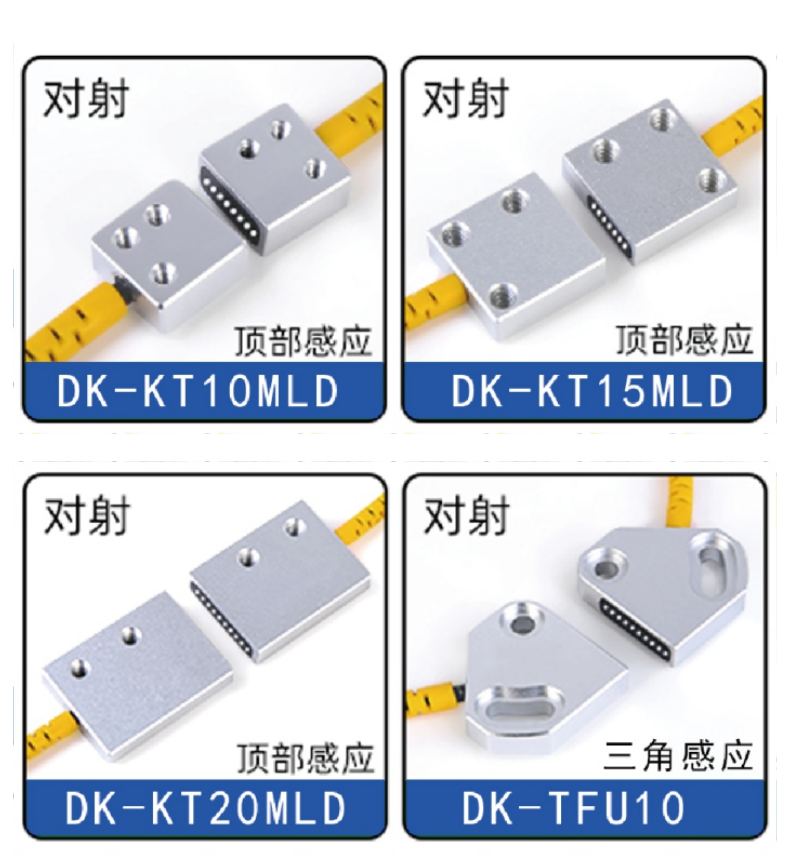
Specialised optics for jobs a plain photoelectric switch cannot do. Registration-mark sensors read a printed eye-mark against its background at web speed and are selected by contrast rather than by distance — the harder the print pair, the more you need a multi-colour or RGB model. Vision-style learning sensors handle transparent film and glass, where the return signal is too weak for a diffuse switch. Fiber-optic units put only a bare head in the machine and keep the amplifier outside, which is the answer for tight jigs, high temperature zones and dense arrays; the amplifier sets the sensitivity, the head sets the geometry.
View the Slot, color-mark & fiber-optic sensors →
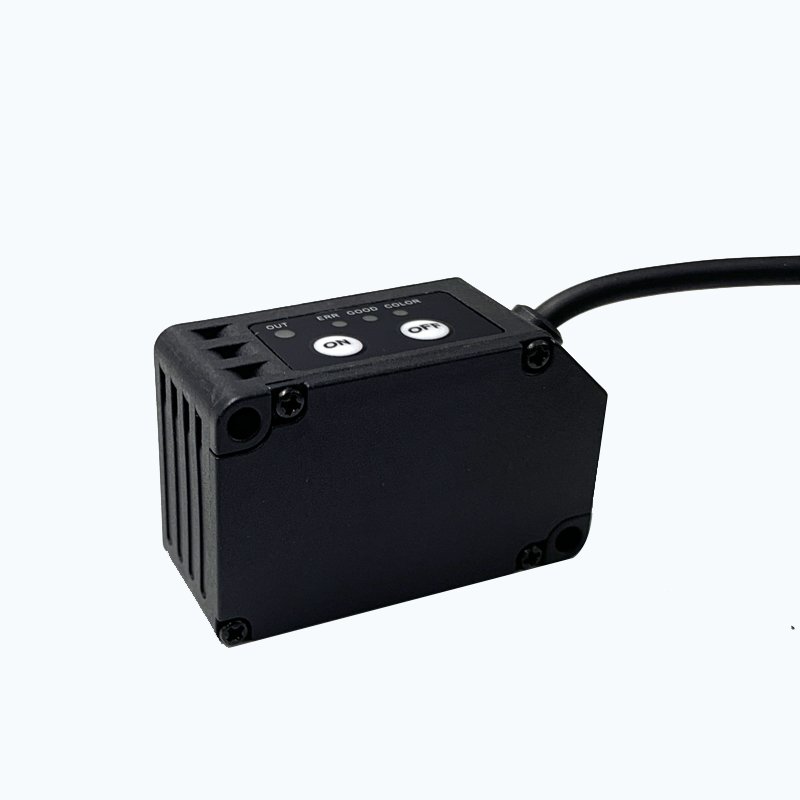
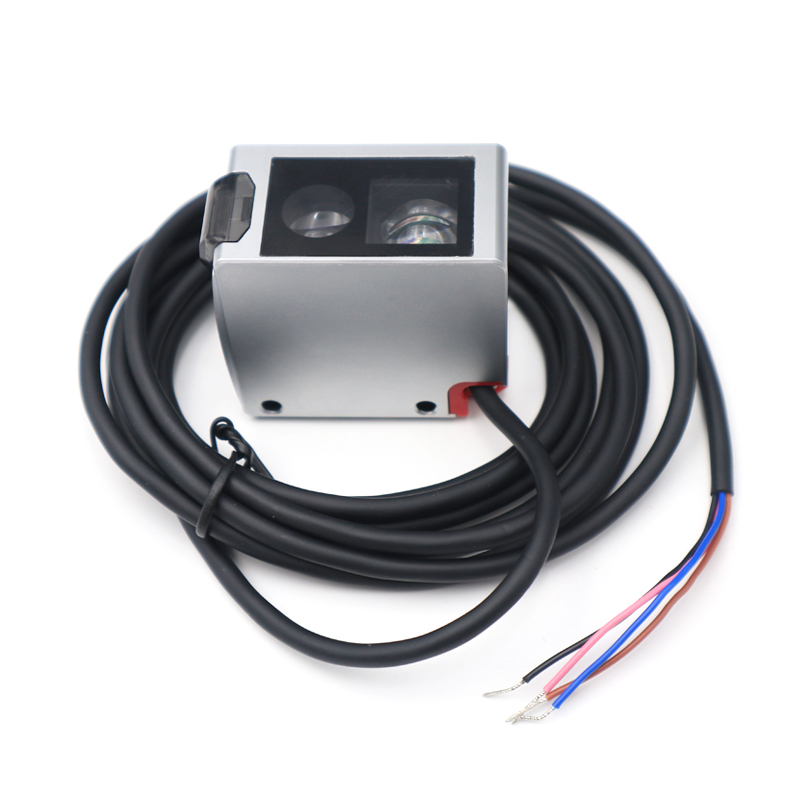
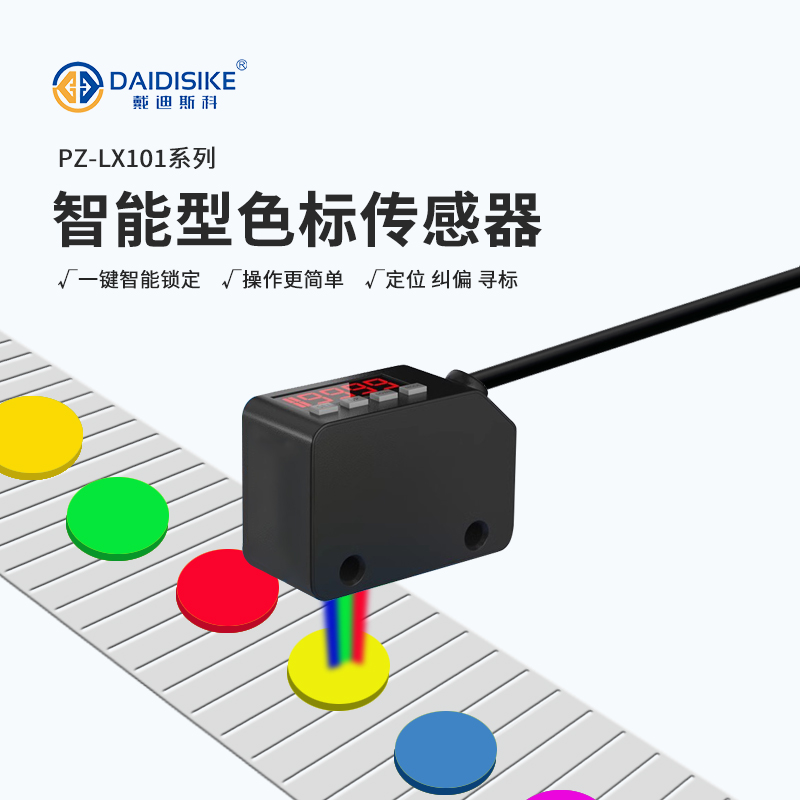
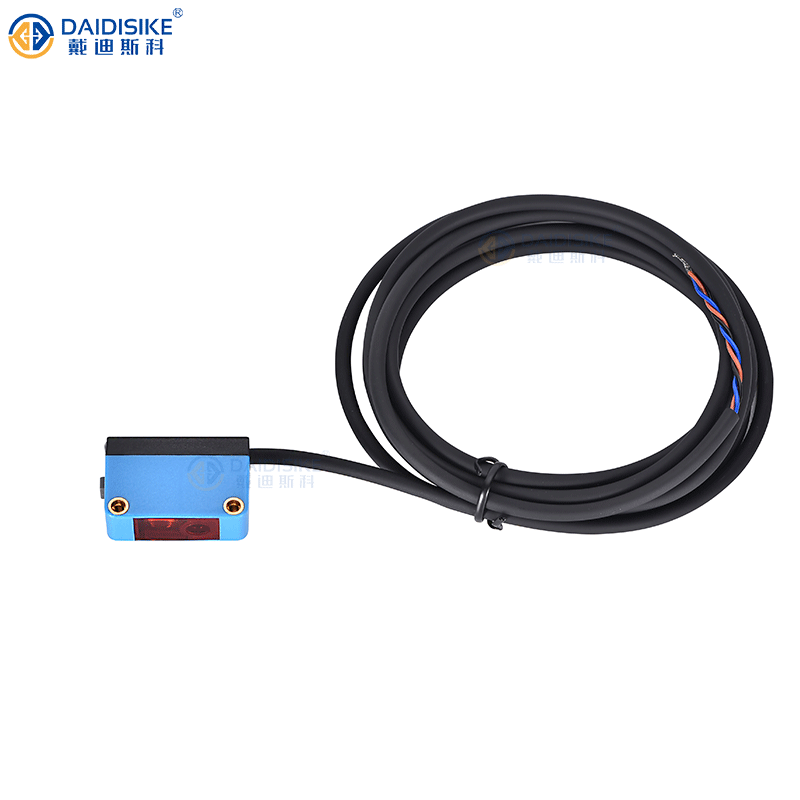
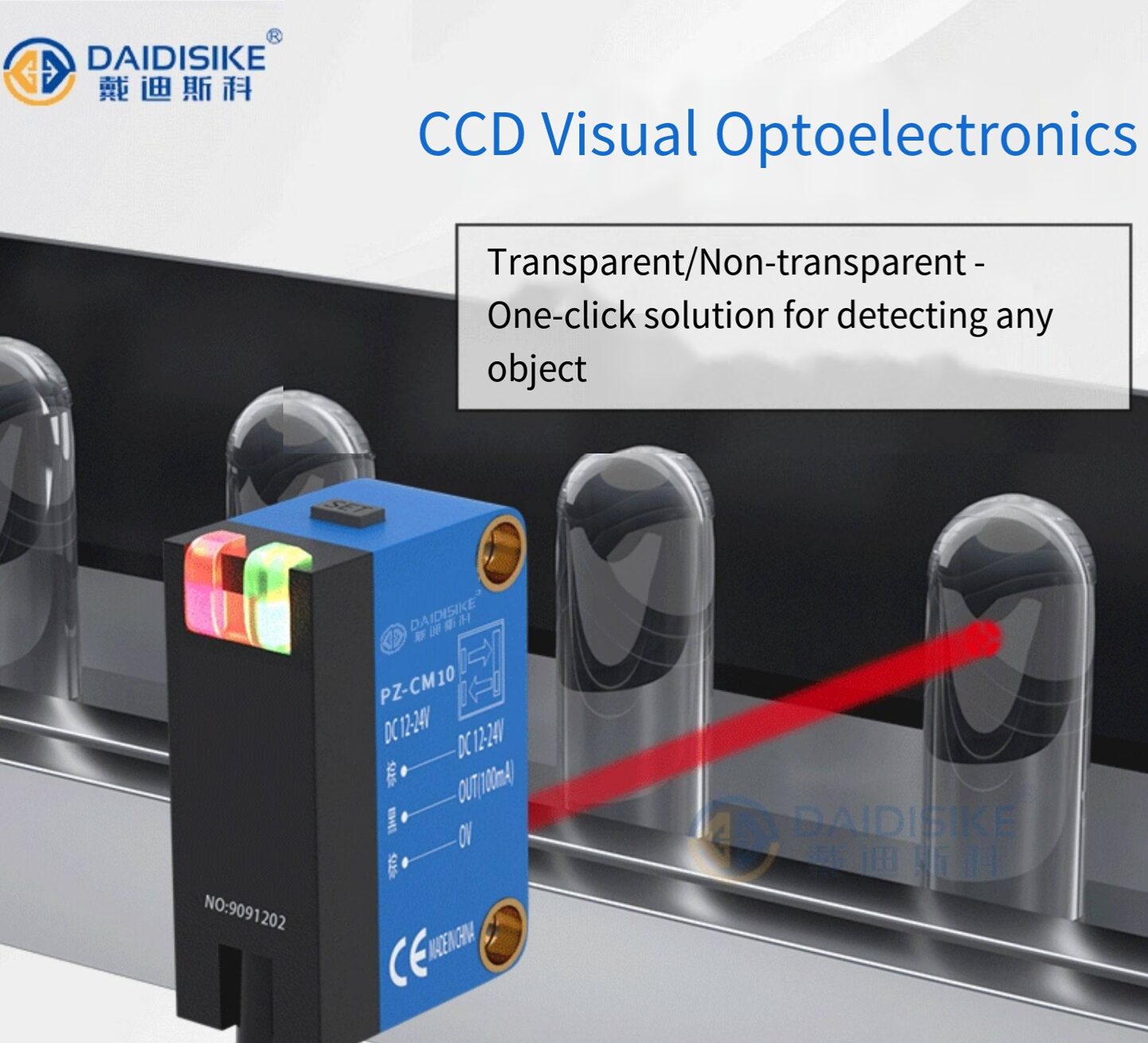
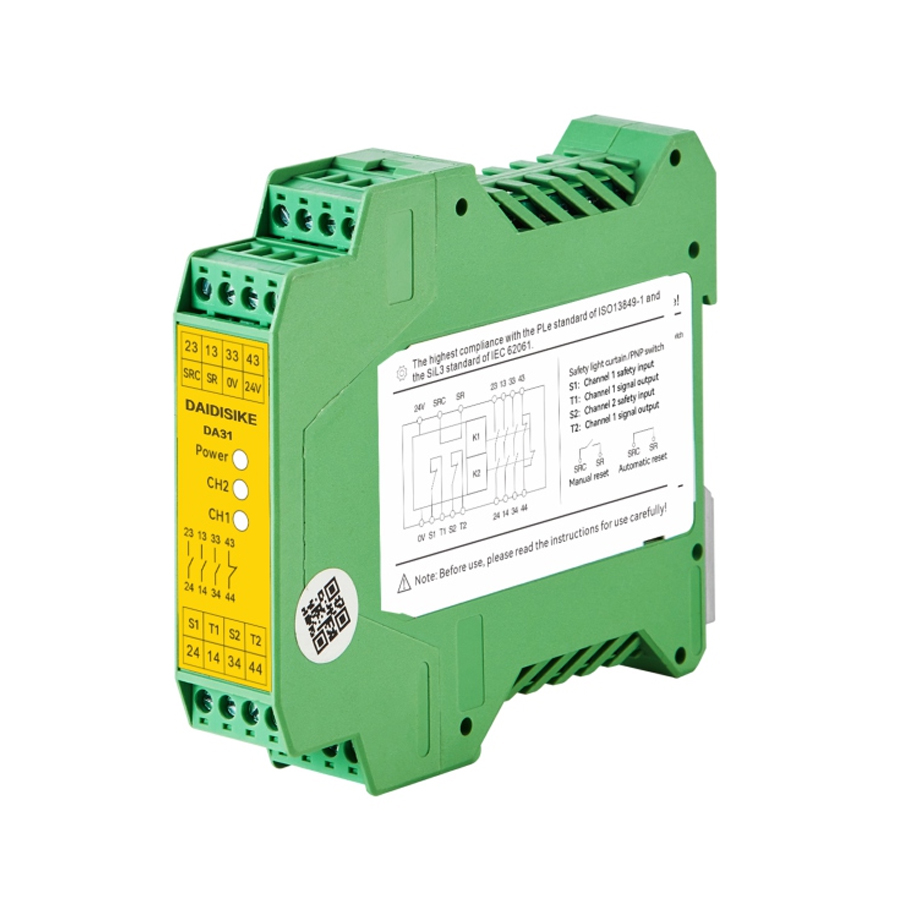
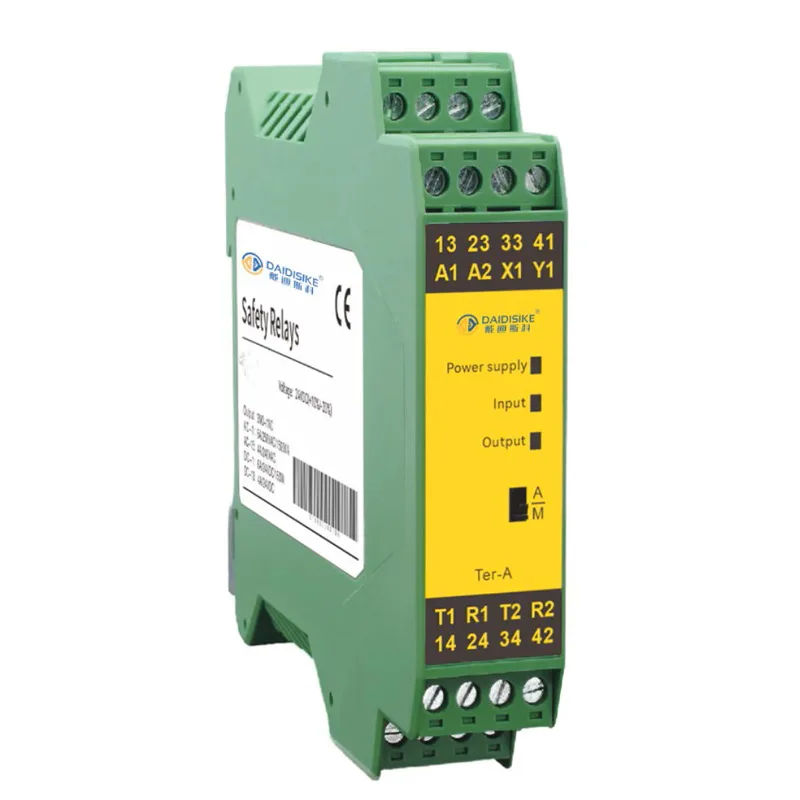
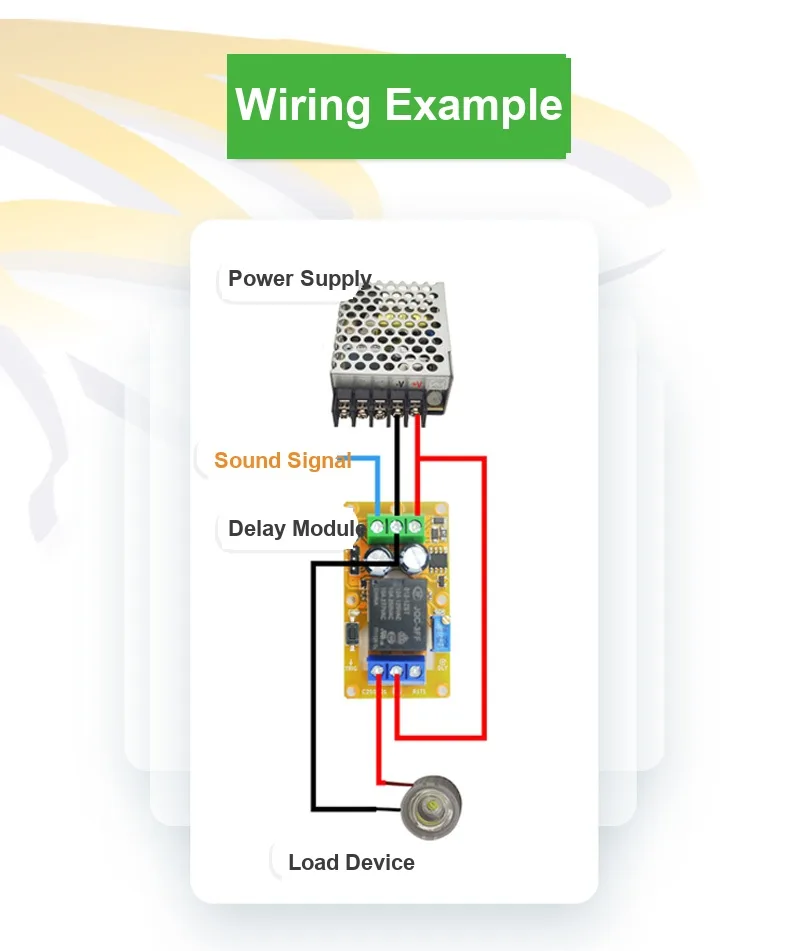
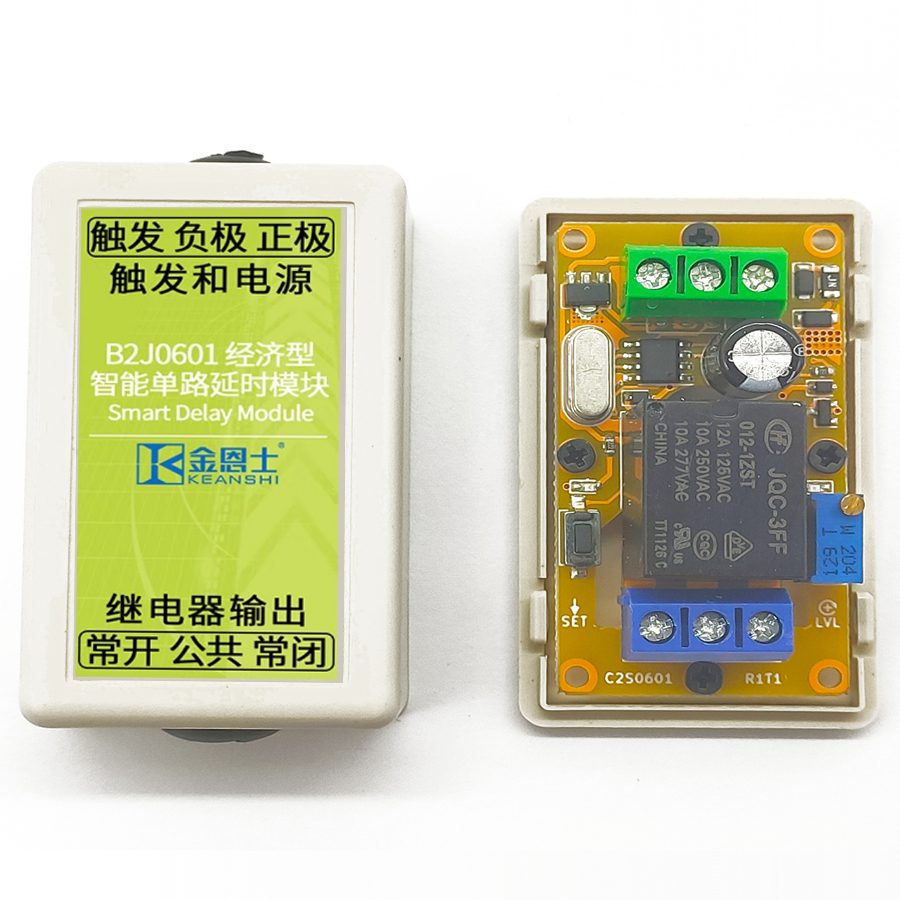
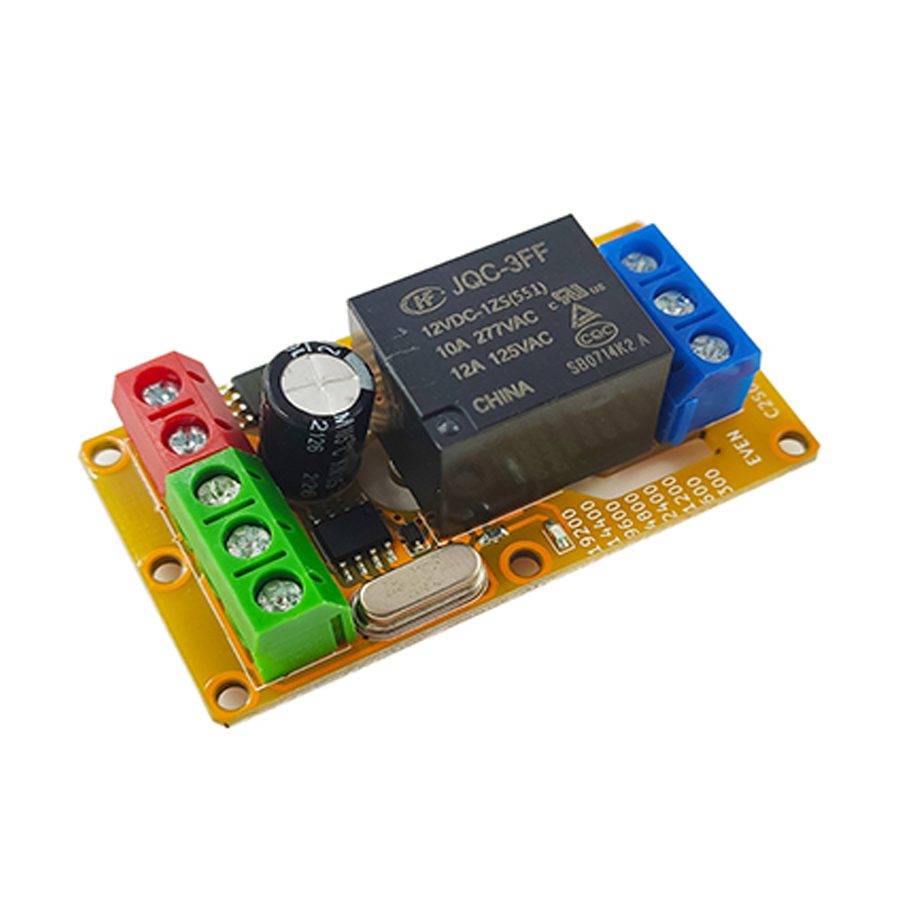
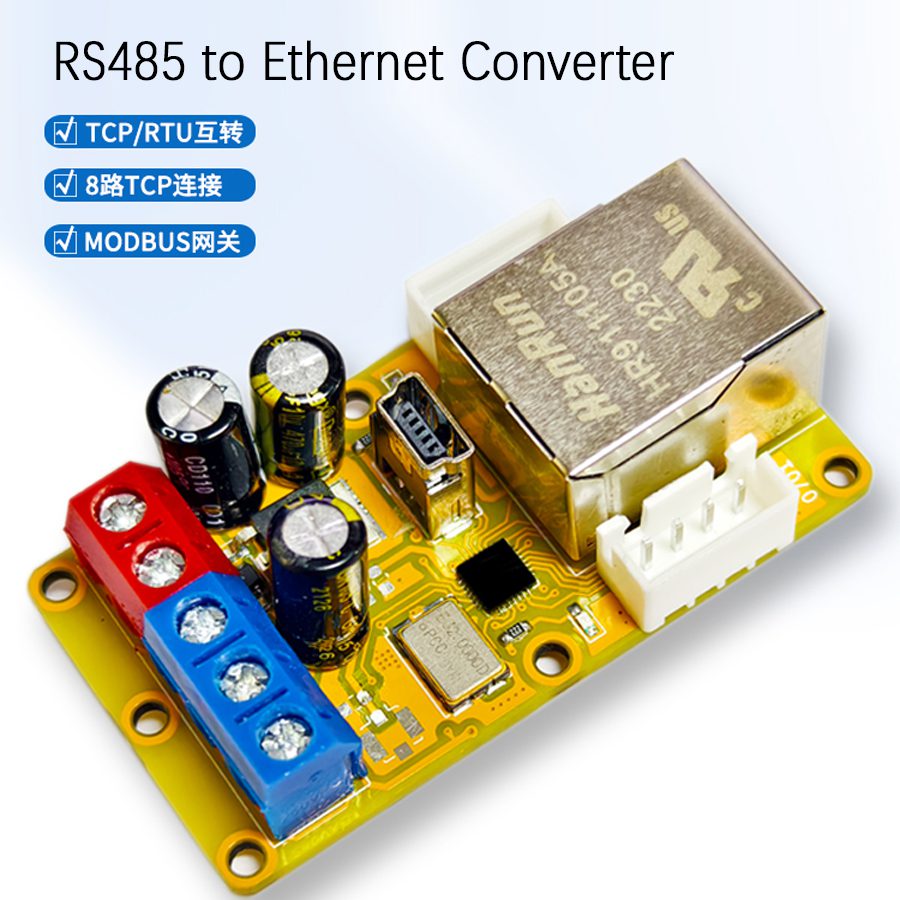
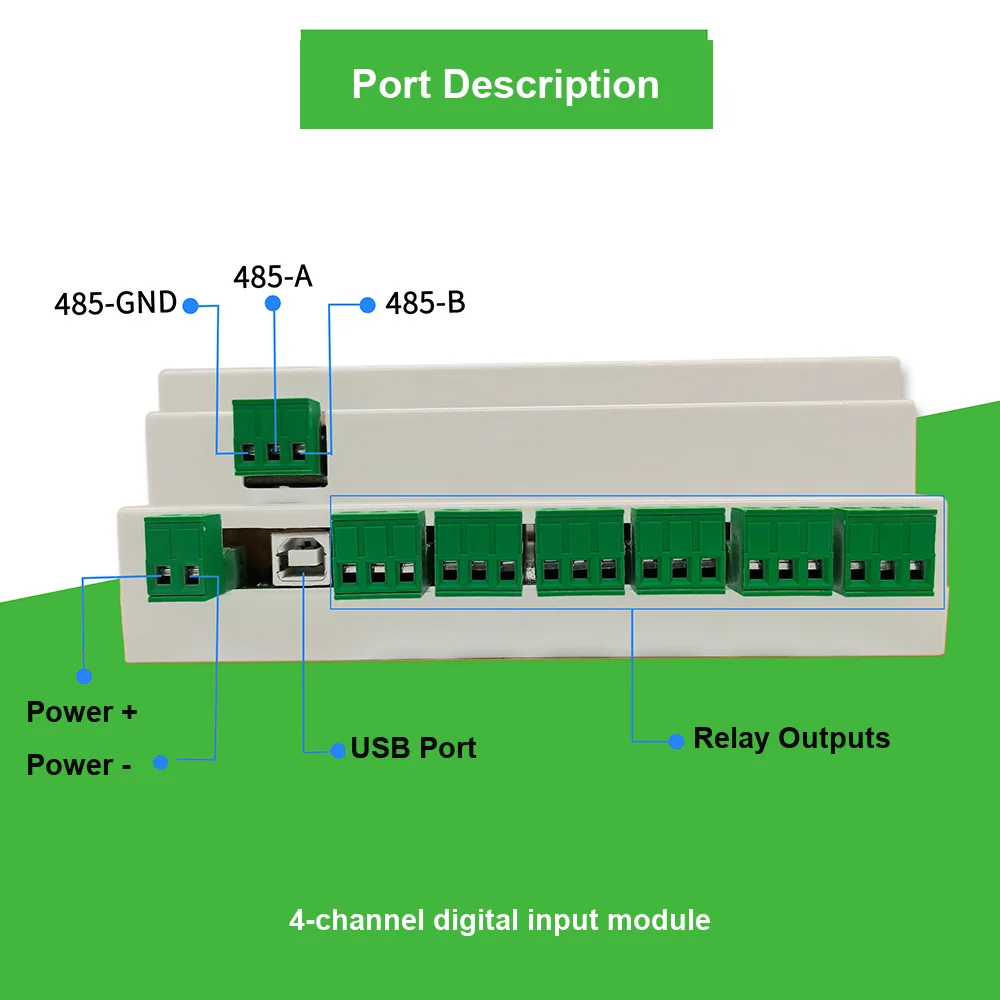
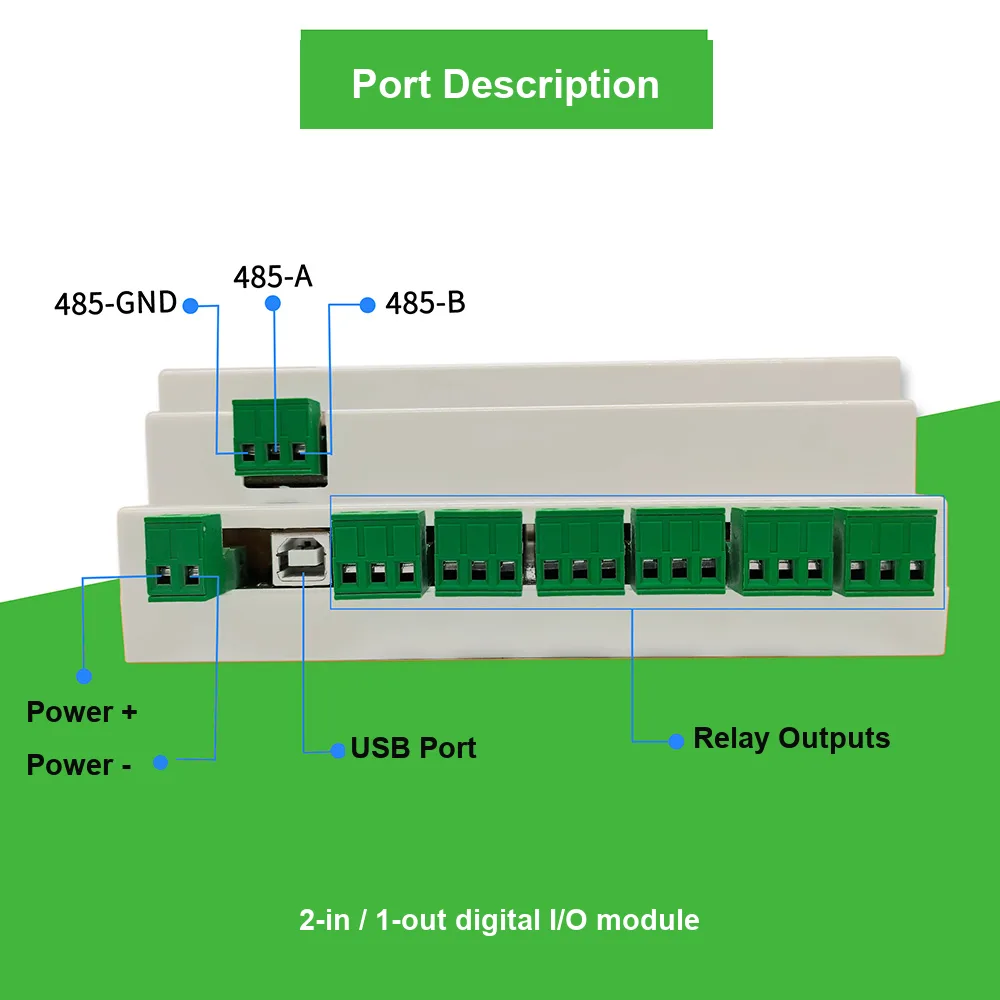
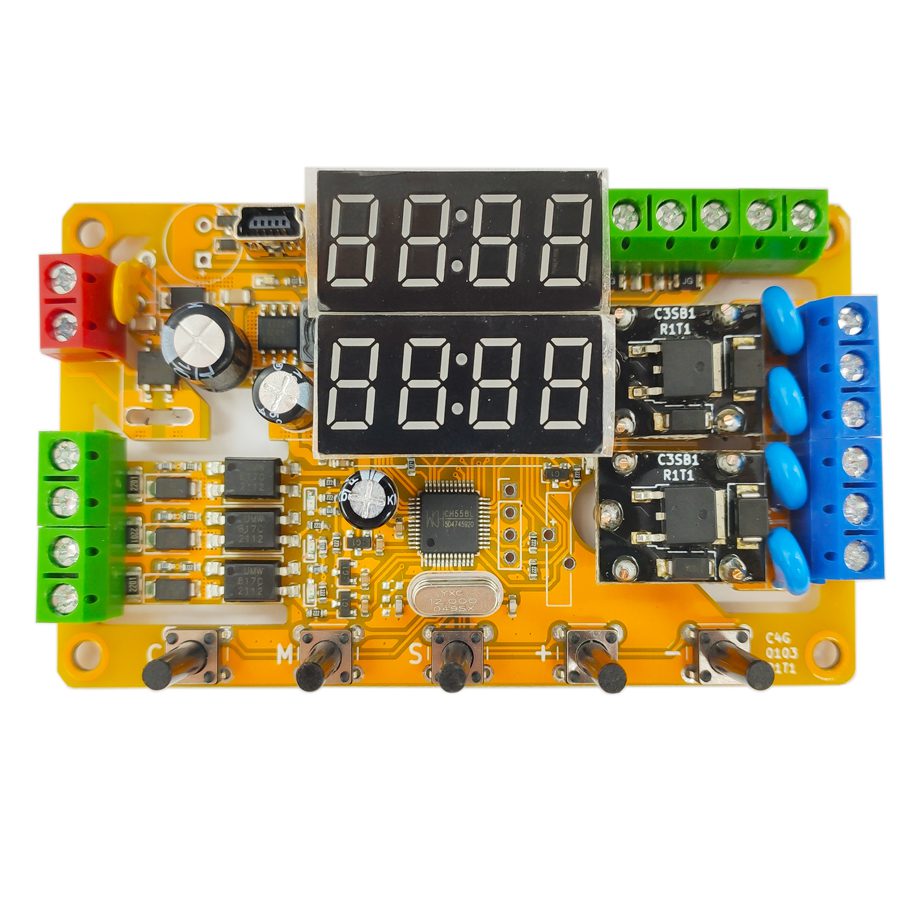
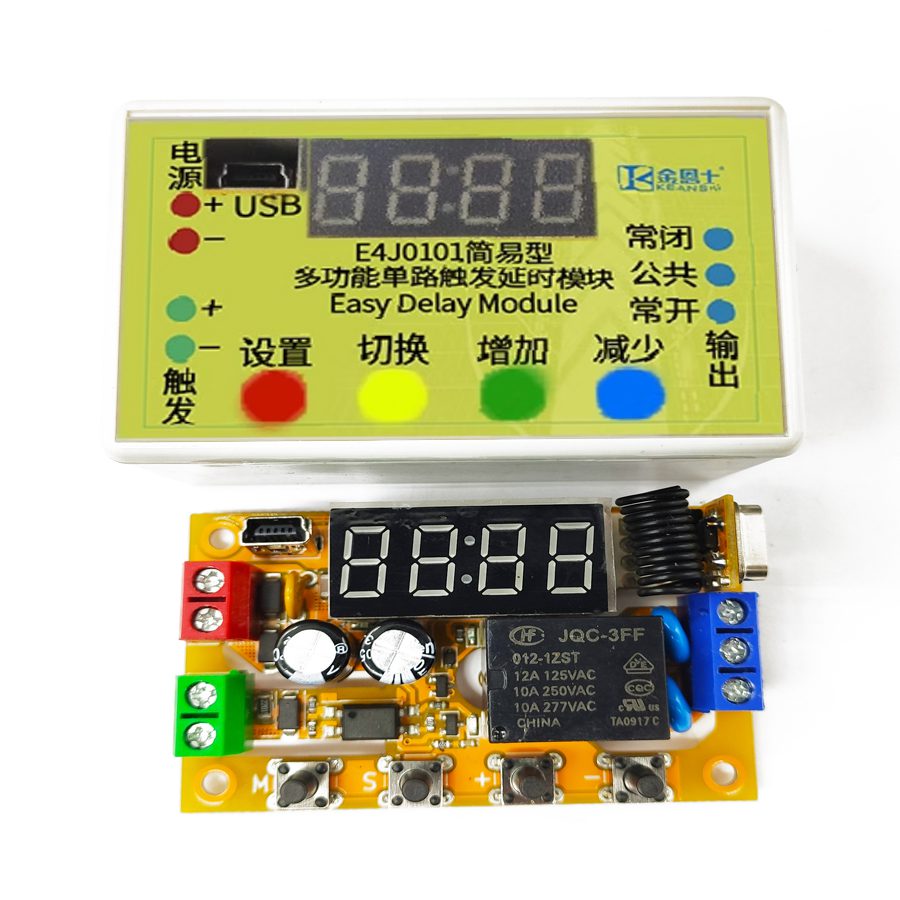
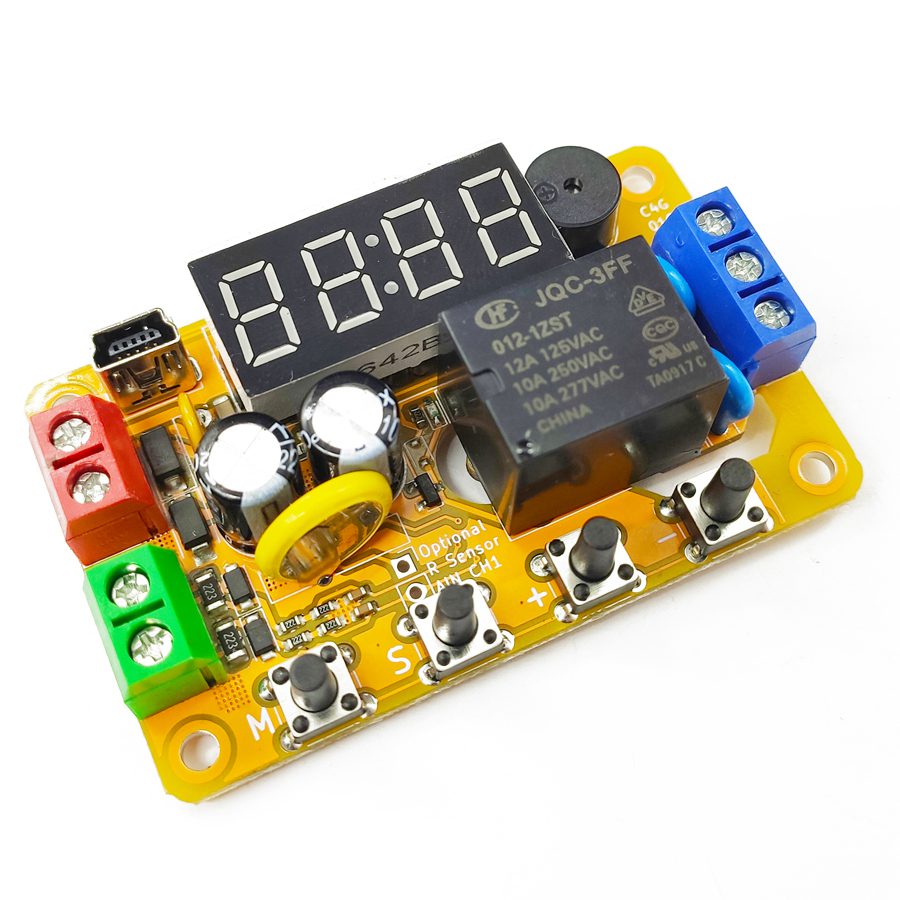
The layer between a sensor and the machine's power circuit. A safety relay takes the dual OSSD outputs of a curtain or scanner, cross-monitors them, and switches force-guided contacts — it is also what provides the reset logic and the EDM feedback loop that detects a welded contactor. Ordinary delay, optocoupler, transistor and Modbus/RS485 I/O modules are automation building blocks and carry no safety rating, so never use them in place of a safety relay in a protective circuit. Size by number of input channels, contact configuration and whether you need automatic or manual reset.
View the Relay module category →
.jpg)
.jpg)
.jpg)
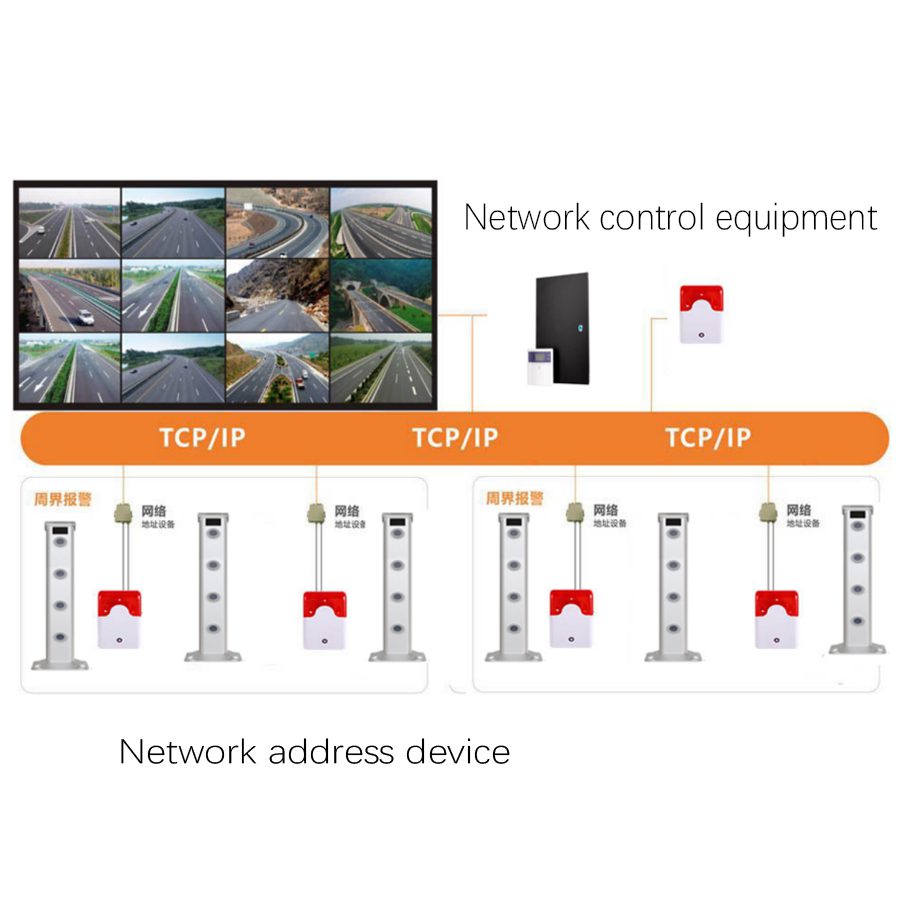
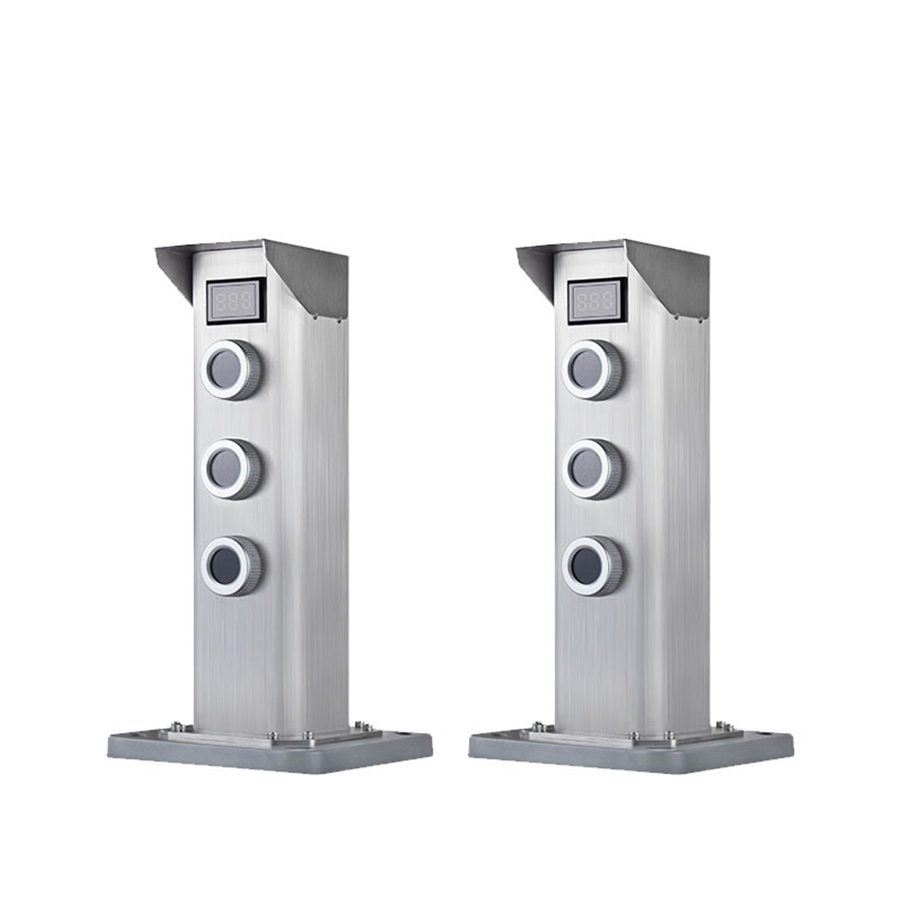
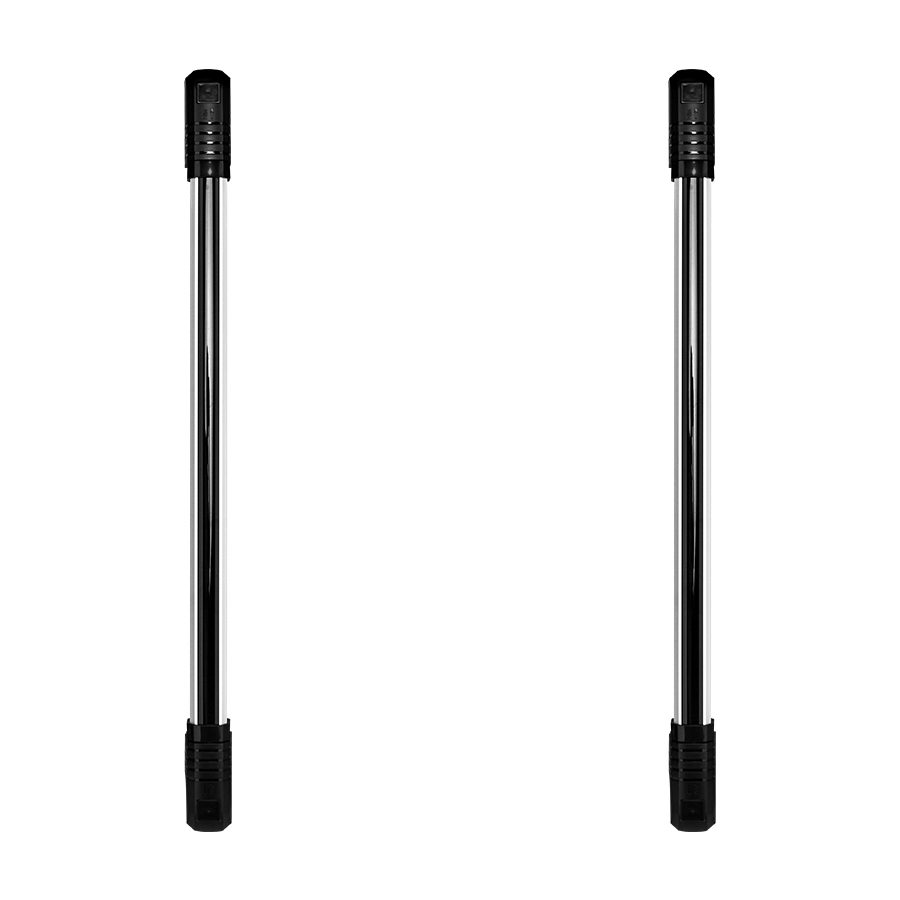
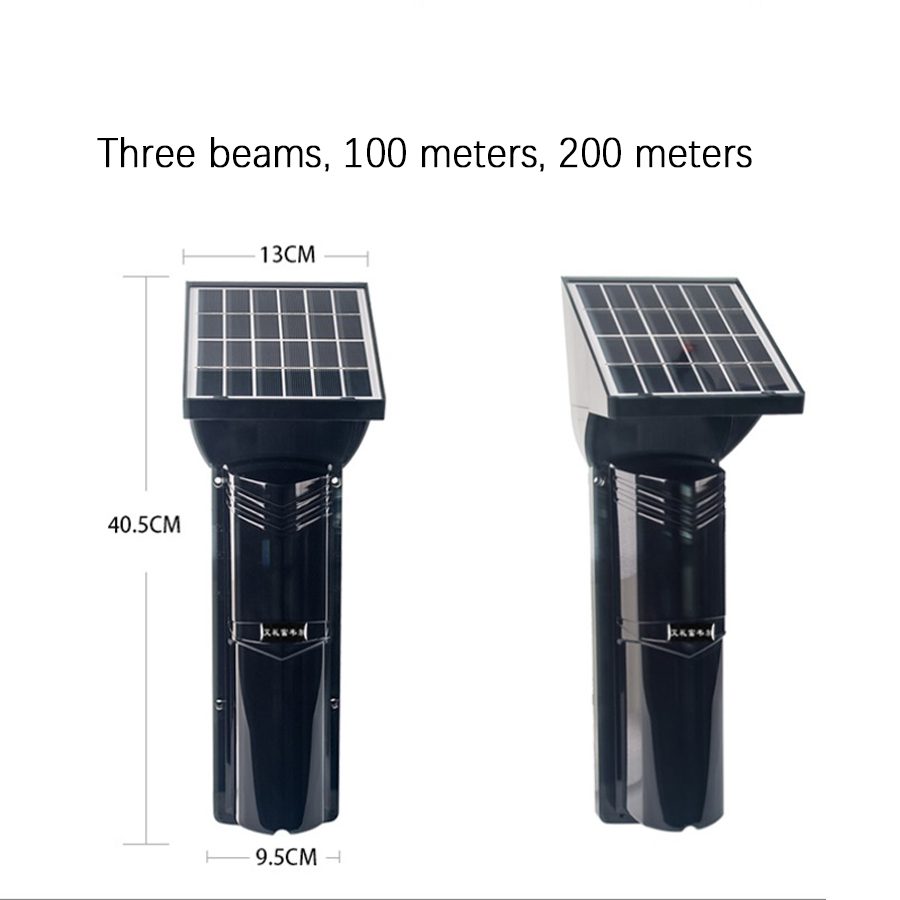
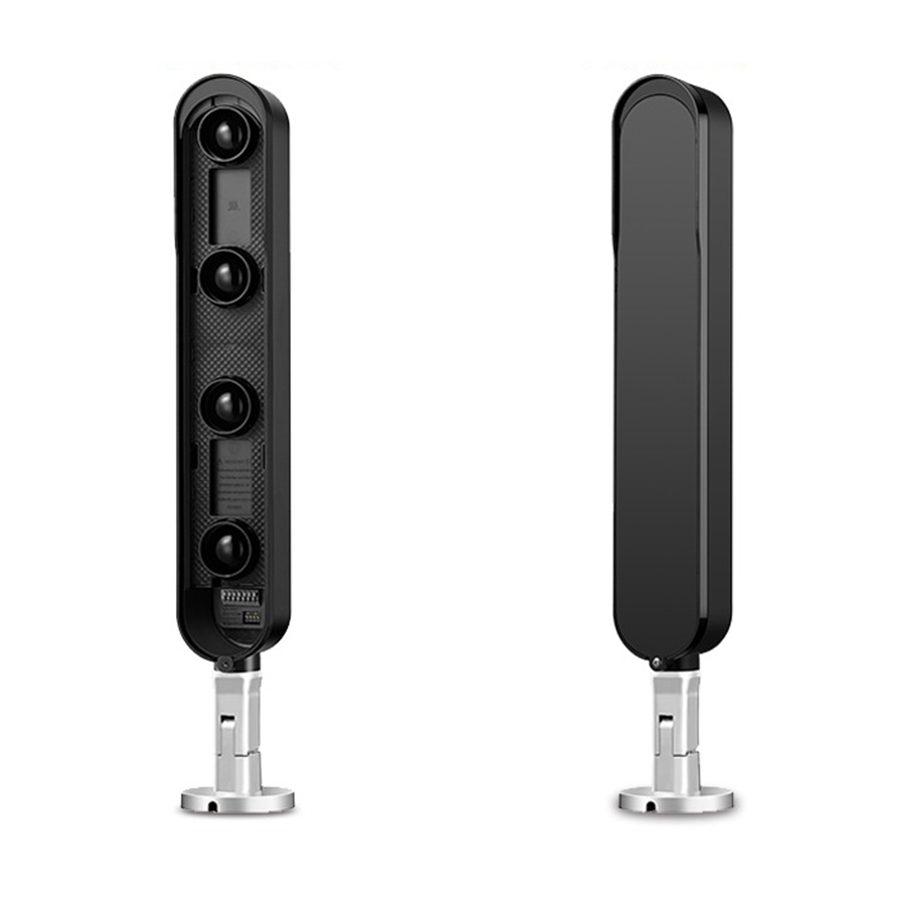
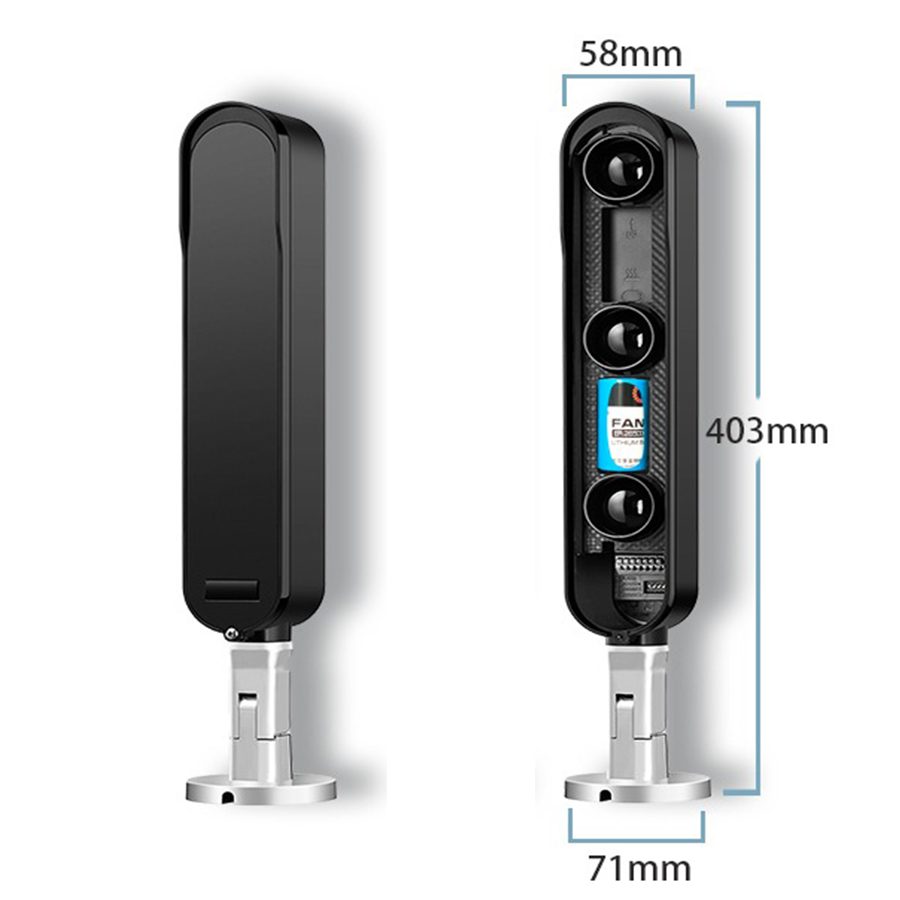
Intrusion detection for fences, walls, yards and rooftops — a different problem from machine guarding, because the enemy is weather and wildlife rather than a moving tool. Multi-beam and laser barriers cut nuisance alarms by requiring more than one beam to be broken at once; solar and wireless models exist for runs with no cable route. These are security and alerting products, not IEC 61496-certified safety components, and must not be used for personnel protection on machinery.
View the Outdoor laser long-range beam grating category →
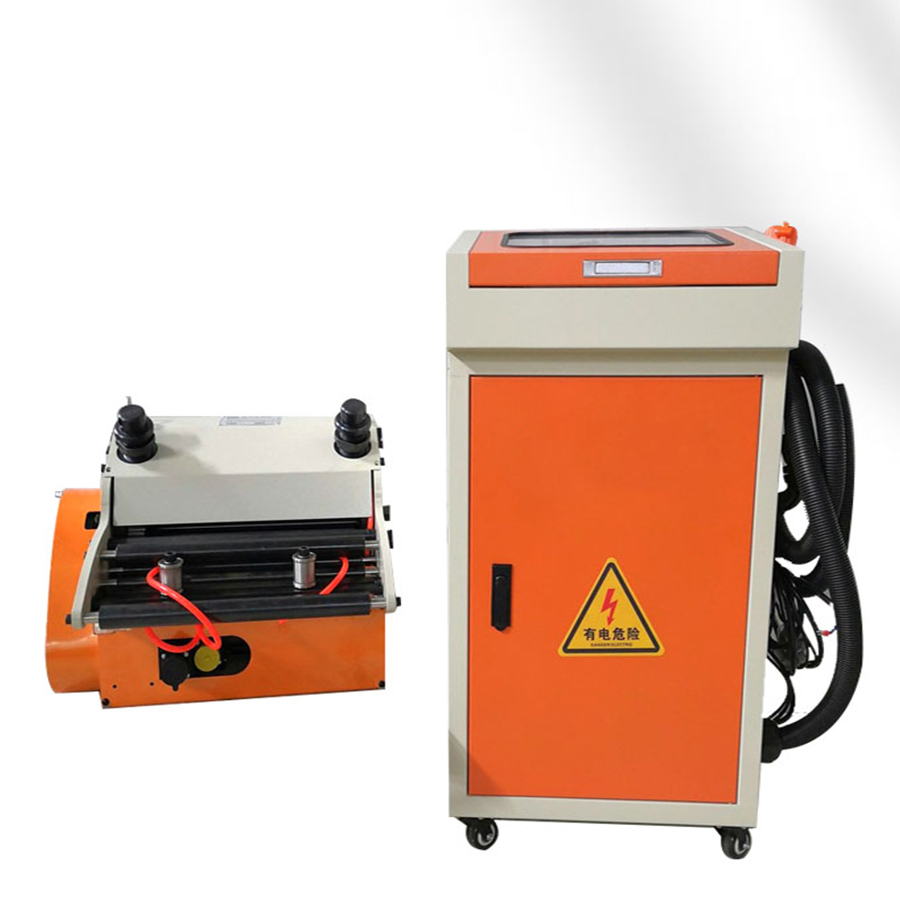
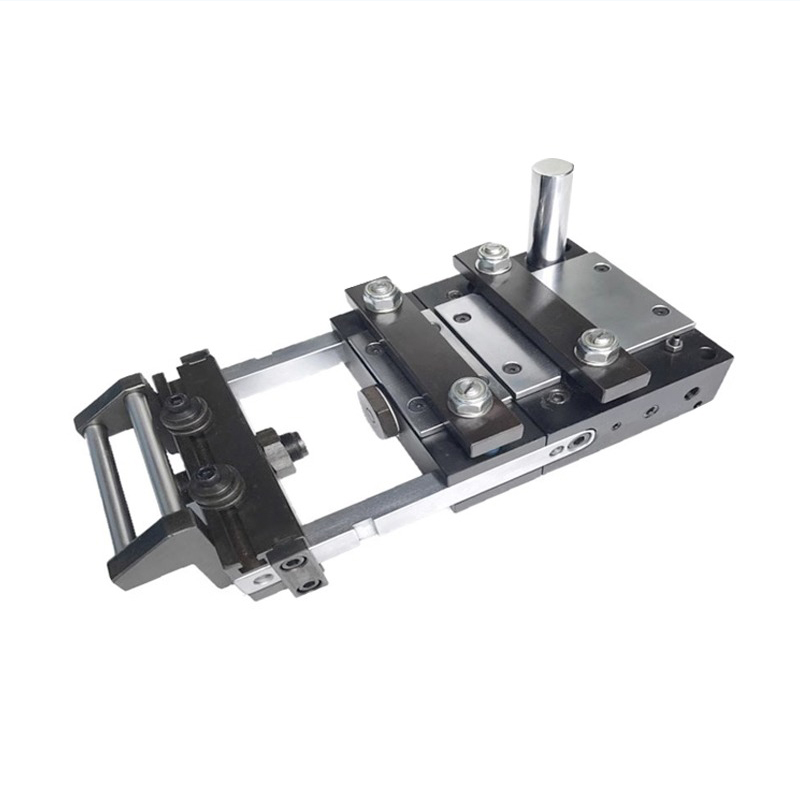
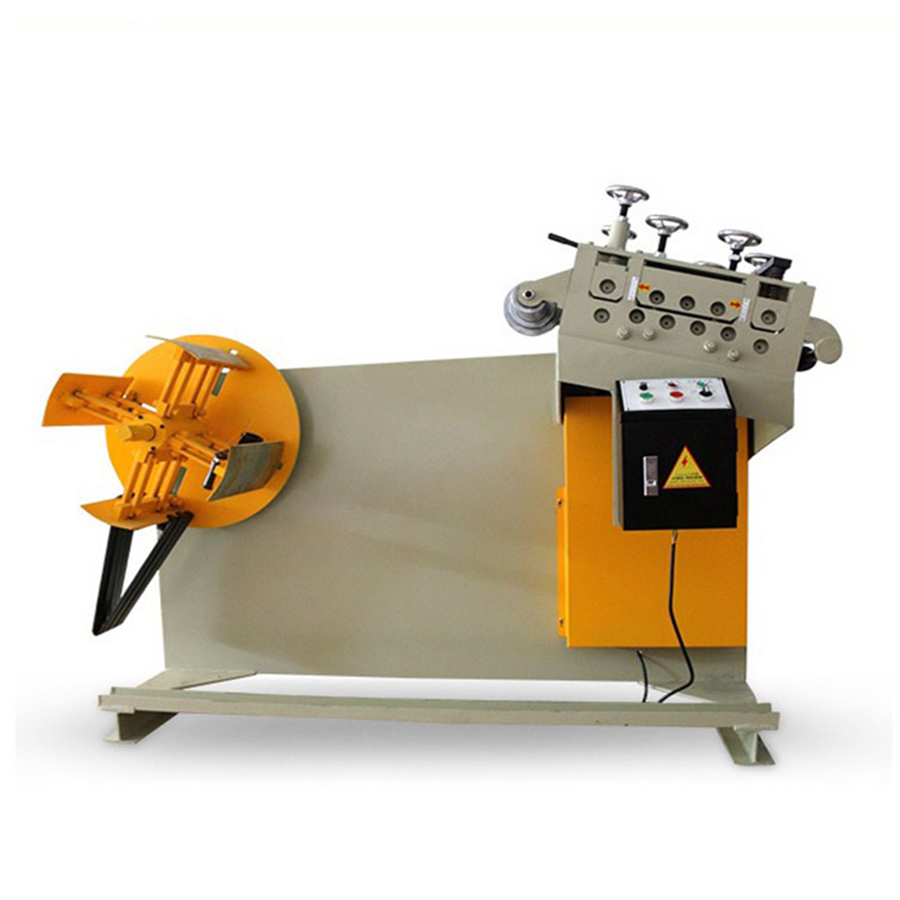
The mechanical half of a stamping line: decoiler, straightener/leveller and feeder, usually specified together as a set. Start from the coil — width, thickness, material and coil weight fix the decoiler and leveller; the part length and the press strokes per minute then decide whether an air feeder is adequate or an NC servo feeder is required. Servo feeding wins when feed length changes between jobs or when accuracy has to be repeatable at speed; air feeding stays attractive on simple, fixed-pitch work. Sizing has to be quoted against your actual coil and press data — see the individual pages and the feeder selection guide below.
View the Peripheral equipment for punch presses →
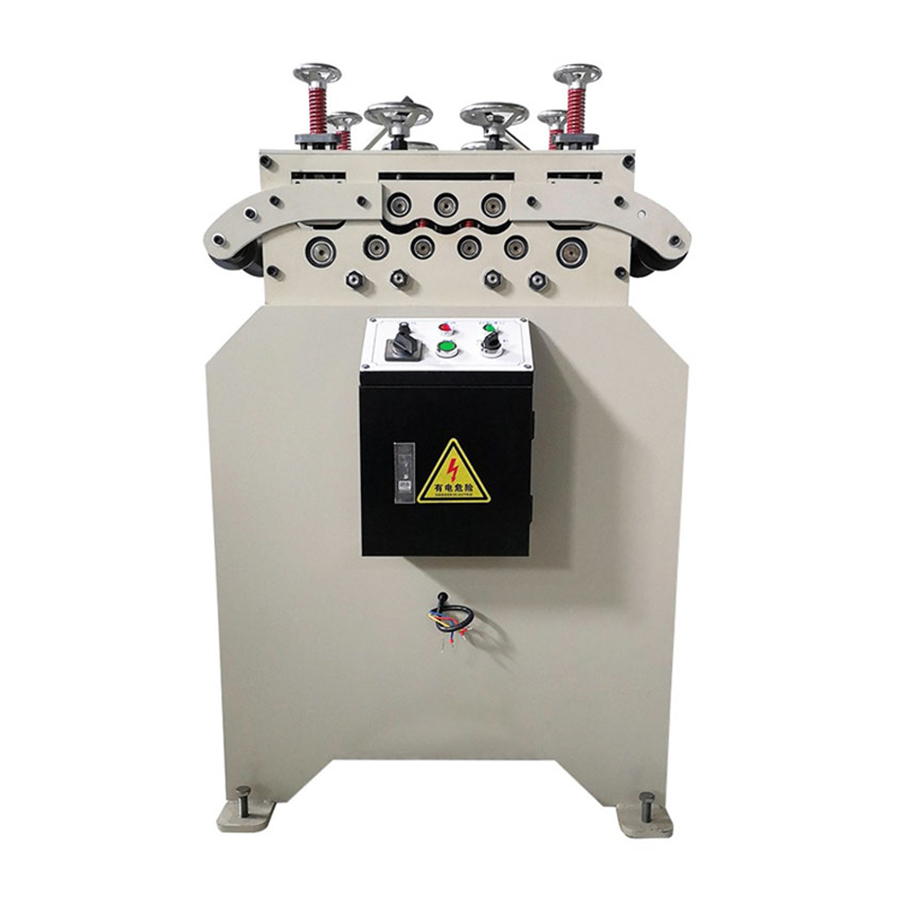
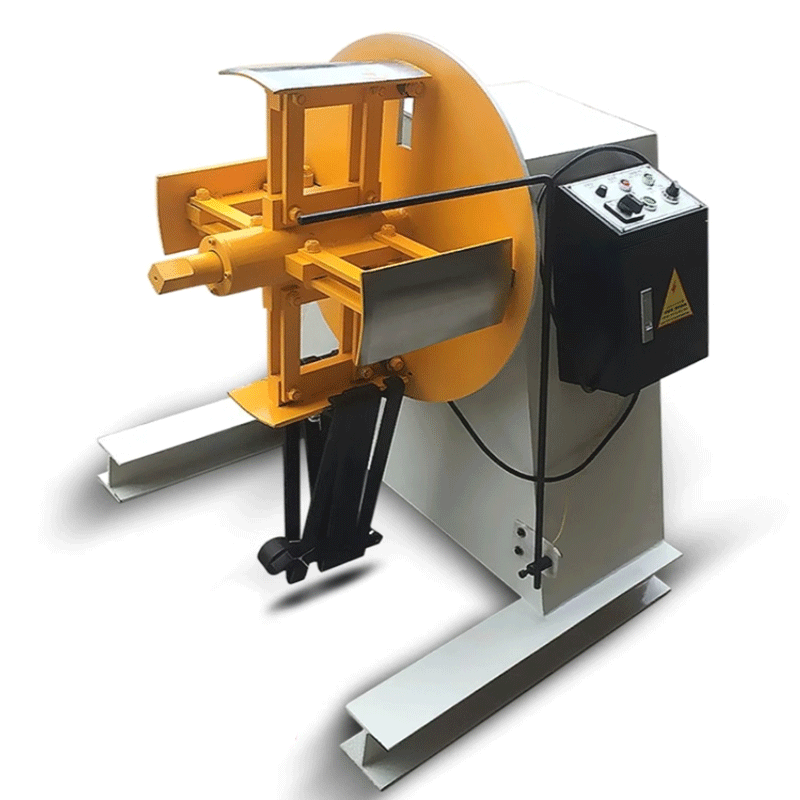
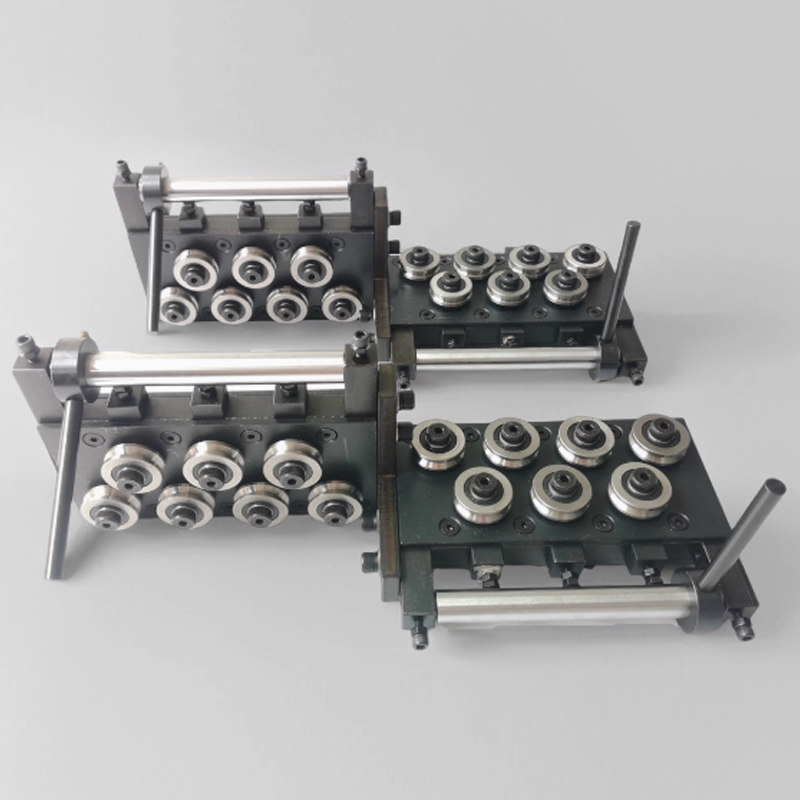
The order in which you make decisions matters more than the catalog you buy from. Everything below follows the same sequence a risk assessment does: identify the hazard and the way people reach it, decide what class of protective device that demands, calculate the geometry, and only then pick a model number. Specific ratings, ranges and response times differ per series, so where a number would decide your choice we link to the product page that carries it rather than quoting a figure here.
Machine hazards fall into three access patterns, and each one has a protective device that fits it naturally. A point-of-operation hazard is one the operator deliberately reaches into every cycle — the die area of a press, the blade line of a shear, the nip of a roller. The hands cross a definable vertical plane, so a light curtain placed in that plane is the right tool, and the whole design problem becomes resolution and mounting distance. An area hazard is a floor or volume a person can stand in or walk through, such as a robot cell or the travelling path of an AGV; no single plane describes it, so a safety laser scanner with a configured protective field is the fit. A perimeter hazard is one already fenced off, where the only route in is a door or a gap — here an interlock on the door, plus a curtain or muted opening where material has to pass, is the economical answer.
Most real cells contain all three. A stamping line typically ends up with a curtain at the load opening, interlocks on the maintenance doors, a scanner or mat covering the walk-in area behind the press, and safety edges on any moving guard door. Read our light curtain vs scanner comparison for robot cells and the by-machine scenario hub if you are laying out a cell from scratch.
Type is not a quality grade you pick by budget — it comes out of the risk assessment. IEC 61496-1 classifies electro-sensitive protective equipment by how thoroughly the device detects its own faults; Type 4 carries the more demanding fault-detection requirement, and it is what is normally specified where a failure of the protective device could allow a severe injury the operator has no chance of avoiding. Type 2 remains legitimate for lower-severity applications where the assessment supports it, and it is often the sensible choice for guarding that supplements a physical barrier rather than replacing one.
The Type decision travels together with the required performance level of the entire safety function — the sensor, the logic and the final switching element all count. A Type 4 curtain wired into a single non-monitored relay does not deliver a Type 4 safety function. Work through Type 2 vs Type 4 explained, performance level PL vs SIL and when Type 4 / PL e / SIL 3 is mandatory before you shortlist hardware. EN ISO 13849-1 PL e / Cat. 4 and IEC 62061 SIL 3 are quoted throughout this site as functional-safety design and technical references for integration; the certified scope of any individual model is subject to its valid certificate and the models that certificate covers.
The minimum distance between a light curtain and the hazard is calculated under ISO 13855 from the approach speed constant, the total stopping performance of the machine including the response times of the sensor and the safety relay, and an intrusion term that grows as detection capability gets coarser. The practical consequence: a finger-resolution curtain can sit closer to the hazard than a hand-resolution one, and on a machine with no spare depth that is often what decides the model. Calculate the distance first, then choose the resolution and the protective height that fit — reversing the order is how retrofits end up non-compliant after the brackets are already drilled.
Useful references while you size: the ISO 13855 calculation guide, the safety distance calculator, effective protective height and specifications and selection for light curtains. For conveyor openings where material must pass but people must not, read muting vs blanking before assuming either is allowed on your machine.
A light curtain detects an interruption in a plane. It cannot tell you that someone has walked past it and is now standing inside the guarded zone, which is why a curtain alone is not enough on any cell a person can step through and stand behind — you either add a scanner or a mat covering the standing area, or you design the layout so that standing behind the plane is impossible.
A safety laser scanner covers area, but it sees in one plane at a set height, and it has a blind zone directly around the head and behind mounting obstructions. It is also more sensitive to environment than a curtain: dust, steam, fog, highly reflective floors and strong sunlight all affect it, which is why mounting height and tilt are part of the safety design and not an installation detail. See what makes a laser scanner safety-rated and choosing an industrial LiDAR scanner. The distinction that catches people out most often: a navigation or obstacle-detection LiDAR and a safety-rated scanner can look identical and cost very differently, and only the safety-rated one may be used in a protective function.
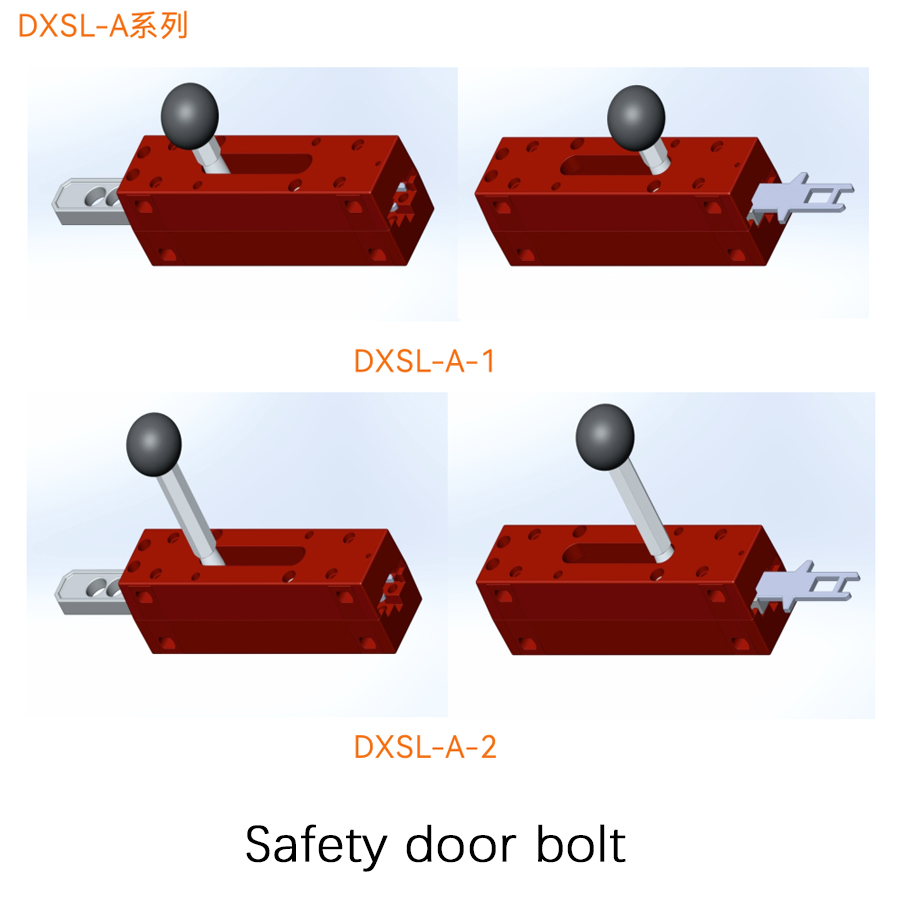
A door interlock is the cheapest and most robust option whenever the hazard is genuinely enclosed — but only if the door can be closed and the machine can stop before anyone reaches the hazard. When the machine coasts, you need a guard-locking (solenoid) switch that holds the door shut until motion has stopped, not a plain interlock. Coded magnetic and non-contact types earn their place on doors that flex, get washed down, or are opened dozens of times a shift, because there is no mechanical actuator to wear or misalign. For double-leaf and sliding guard doors, see the guard door bolt and locking switch case. Where the residual risk is a crushing line rather than an opening — a moving door edge, an AGV bumper — a safety edge or mat is the correct device; see safety mats, edges and bumpers.
On press brakes specifically, none of the above substitutes for a beam-following laser guard, because the protected zone moves with the upper tool. On mechanical power presses, two-hand control and a curtain solve different parts of the same problem and are often combined — two-hand control vs light curtains explains where each stops working, and the press brake laser guard installation manual covers the mounting.
For non-safety detection the target decides the technology, and the question to ask first is what the object is made of. If it is metal and close, an inductive proximity switch is the most robust answer available — no optics to foul, tolerant of coolant and swarf, and unaffected by colour or surface finish. Its limits are that it only sees metal and only at short range, and that a flush (shielded) body sensing into metal gives a shorter range than a non-flush one. Where weld spatter and magnetic fields are present, look at factor-1 weld-immune types; for the size decision start with M8 vs M12 in practice and the proximity switch selection and troubleshooting guide.
If the target is not metal — plastic, liquid, powder, grain — or you need to sense through a container wall, a capacitive switch is the counterpart, with the trade-off that it is more sensitive to build-up, humidity and temperature drift, so plan for adjustment. If the object is far away, non-metallic, or must be detected without any mechanical approach, use a photoelectric sensor and pick the detection mode by the mounting you can achieve: through-beam for maximum reliability and range in dusty air, retro-reflective when only one side can be wired, diffuse when nothing can be mounted opposite, and background suppression whenever a wall, roller or machine frame sits close behind the target — that geometry, not intensity, is what makes BGS immune to a white background behind a black part.
When the target is small, thin, dark or distant, move from an LED to a laser sensor: the collimated spot is what gives you a small, well-defined detection area and a long working range. Distinguish a laser switch (yes/no output for a PLC input) from a laser distance or displacement sensor (an analogue or serial value for thickness, height, sag or position) — they are different products for different jobs. For printed registration marks on moving web, use a color-mark sensor selected by print contrast rather than by distance, and expect to need a multi-colour or RGB model when the mark and the background are close in luminance. For transparent film and glass, where the returned signal is very weak, a vision-style learning sensor is the practical choice. Where there is no room for a sensor body at all — tight jigs, dense arrays, hot zones — a fiber-optic head with the amplifier mounted outside solves the packaging problem; the head sets the geometry and the amplifier sets the sensitivity.
Two environment checks apply to every optical choice. First, sealing: welding spatter, oil mist, flour and washdown all attack the front window, so match the IP rating to the process — see sealing levels and window protection. Second, output type: confirm PNP or NPN, and 2-wire versus 3-wire, against your PLC input card before ordering, using the PNP vs NPN wiring guide. Getting this wrong is the most common reason a perfectly good sensor appears dead on arrival.
A safety sensor does not make a safety function on its own. A certified curtain or scanner puts out a pair of OSSD signals, and something has to cross-monitor that pair, provide the reset logic, and switch the machine's power circuit through force-guided contacts — that is the job of a safety relay. It is also where external device monitoring lives: the EDM feedback loop reads back the mirror contacts of your contactors, so a welded contact prevents the next reset instead of quietly defeating the protection. Size the relay by the number of input channels you must monitor, the contact configuration you need, and whether the application calls for automatic or manual reset — and remember that a single-channel, non-monitored general-purpose relay in that position downgrades the whole safety function no matter how good the sensor is.
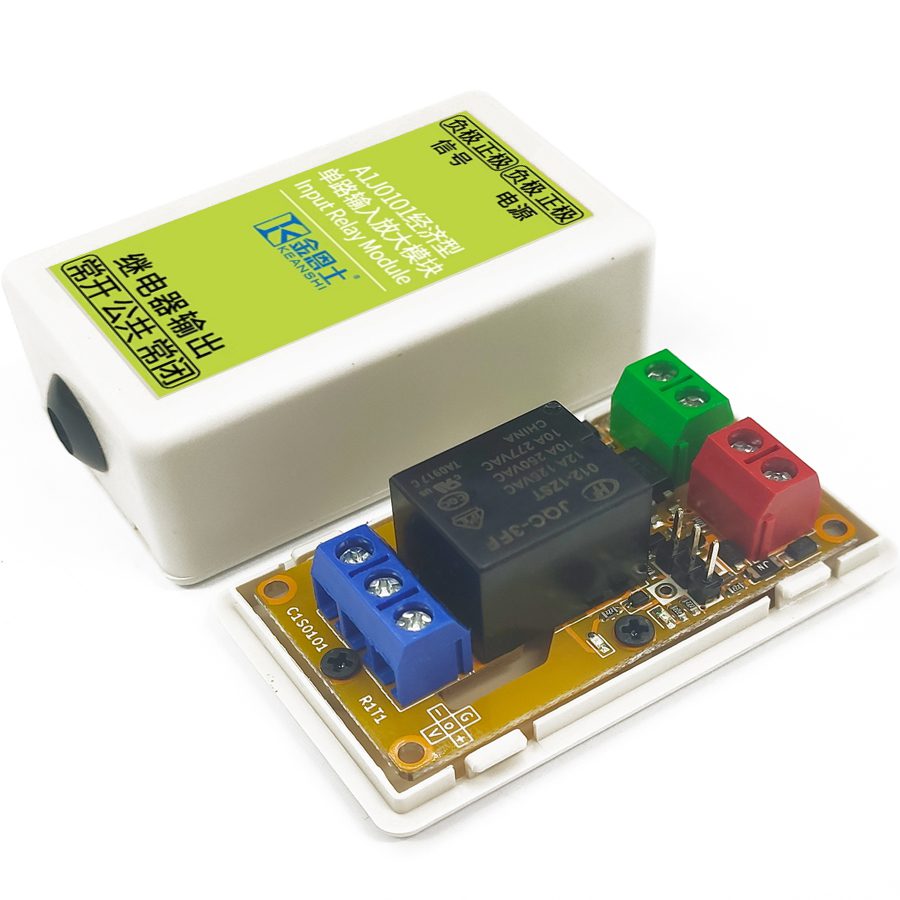
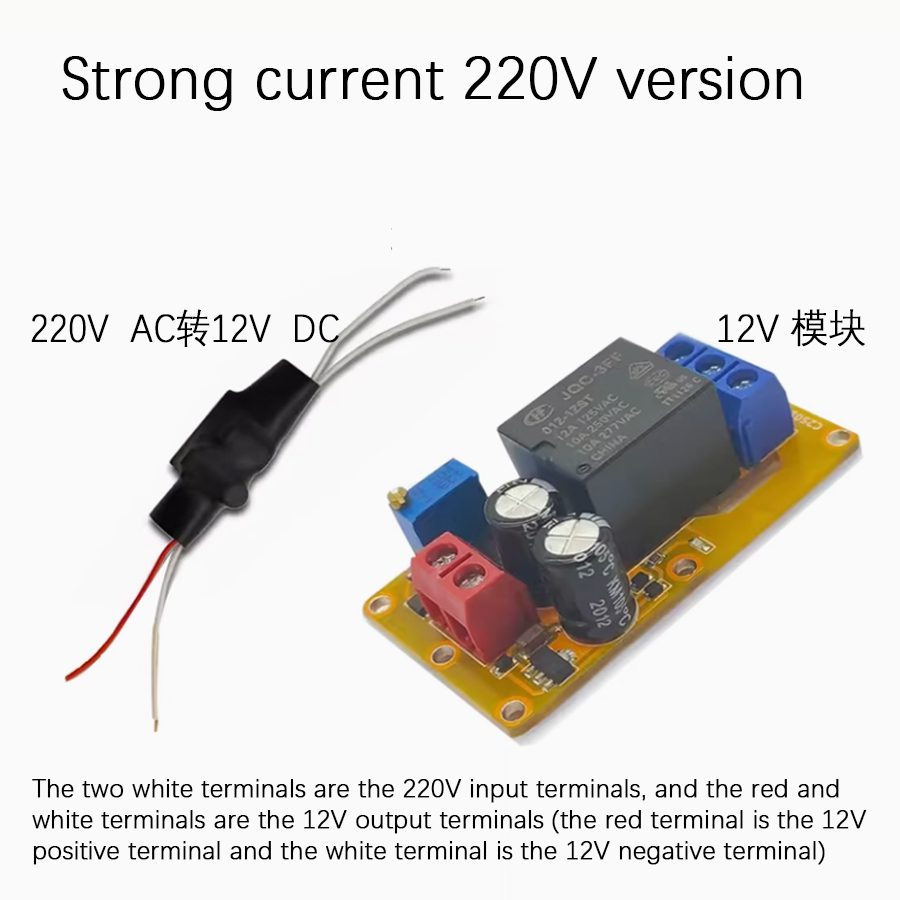
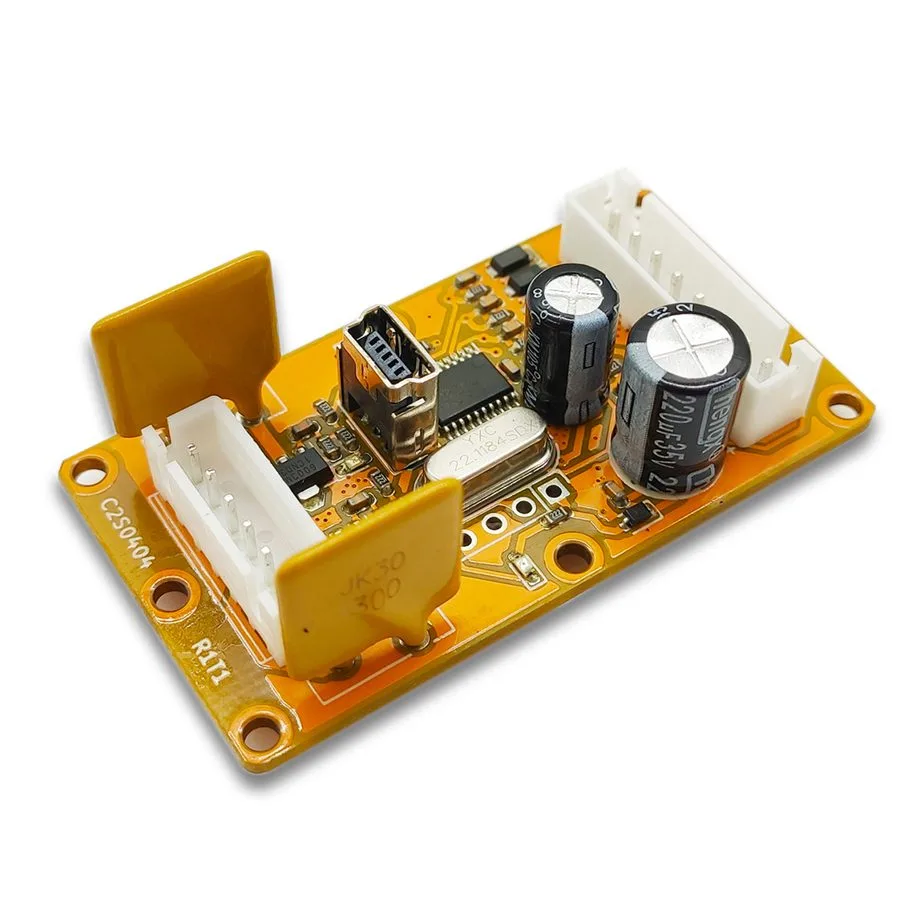
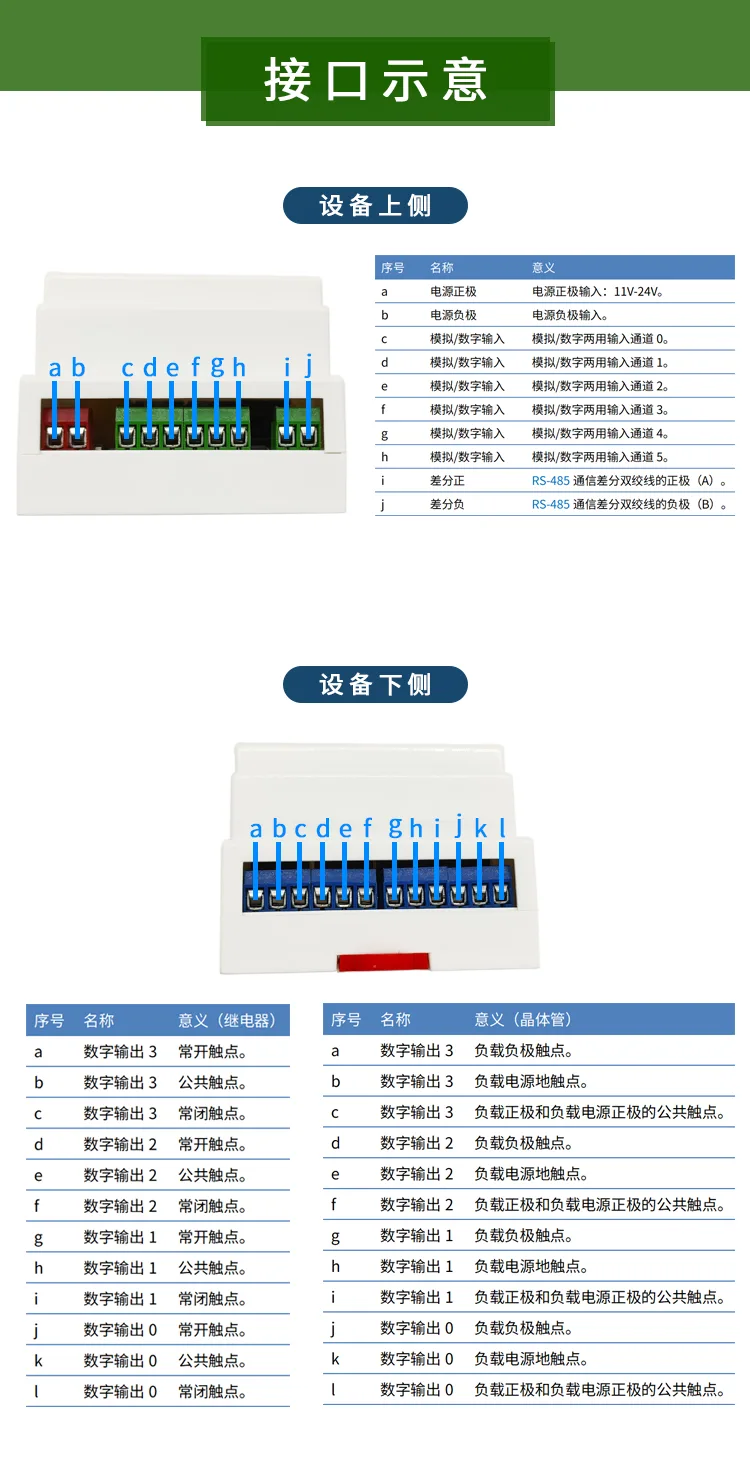
The delay, optocoupler, transistor and Modbus/RS485 I/O modules in this catalog are automation building blocks with no safety rating. They are the right answer for sequencing, signal conversion, level shifting and remote I/O, and the wrong answer anywhere inside a protective circuit. Where several protective devices and a fieldbus are involved, or where the machine already has a safety controller, the choice between a relay and a programmable safety solution is worth making deliberately — safety relay vs safety PLC covers where the crossover sits. For the wiring itself, see connecting curtains to PLCs and safety relays and OSSD and EDM wiring mistakes. If commissioning throws up false trips or a curtain that will not align, start with the alignment and troubleshooting walkthrough.
On the press automation side the pairing logic is similar but mechanical: the coil width, thickness, material and weight fix the decoiler and leveller, while the part length and strokes per minute decide whether an air feeder is sufficient or an NC servo feeder is required — see air feeder vs NC servo feeder and electric or pneumatic feeding. Sizing has to be quoted against your real coil and press data, so send the figures rather than picking a model from a card.
Further reference: safety standards hub, glossary of safety sensor terms, installation & wiring hub, sensor FAQ, brand replacement & compatibility, PDF & 3D downloads and certificates.
Equipping a modern factory requires more than just buying sensors; it requires building a cohesive ecosystem of safety and efficiency. DAIDISIKE bridges the gap between high-level personnel protection and high-speed metal-stamping automation, offering an all-in-one procurement center for industrial engineers and facility managers.
Industrial hazards come in many forms, which is why our safety portfolio is highly diversified. For point-of-operation hazards like hydraulic presses and shearing machines, our Type 4 safety light curtains provide millisecond response times and robust anti-vibration housings. For dynamic environments like automated warehouses, our safety LiDAR scanners offer customizable 2D mapping and collision avoidance for AGVs and AMRs. We also supply essential perimeter safety gear, including non-contact magnetic switches, safety door interlocks and universal safety relay modules to seamlessly connect our sensors to your existing PLCs.
Safety is only half the equation in a stamping plant. To truly maximize your output, the feeding process must be automated. Beyond our electro-sensitive protective equipment (ESPE), DAIDISIKE manufactures heavy-duty press automation lines. Our catalog includes high-precision NC servo roller feeders, robust decoilers (material racks), and heavy-duty metal-sheet straighteners. By integrating our feeders with our safety light curtains, you build a stamping line that is fast, properly synchronized, and designed around the worker-safety rules that apply on your site.
Every DAIDISIKE product is designed, assembled and tested in our own facility — strict quality control through direct-from-factory sourcing. Our certified safety models have been assessed against CE, RoHS and the applicable IEC 61496 requirements — in every case subject to the valid certificate and the specific models it covers, which we will send you on request. EN ISO 13849-1 PL e / Cat. 4 and IEC 62061 SIL 3 are cited as functional-safety design and technical references for integration. Whether you need a single replacement proximity switch or a complete OEM / ODM safety solution for a new robotic cell, our engineering team is ready to deliver factory-direct hardware with the documentation your compliance file needs.
Procurement and engineering questions we are asked most often. If your question is about a specific model, the answer is usually on that product's own page — or ask the factory directly.
Twelve groups are listed on this page: safety light curtains (Type 2 and Type 4 ESPE), press and press-brake point-of-operation guards, measuring and detection light curtains, LiDAR and safety laser scanners, safety door interlocks together with safety edges and mats, photoelectric sensors, inductive and capacitive proximity switches, laser switches and distance/displacement sensors, color-mark, vision and fiber-optic sensing, safety relays with I/O and micro-PLC modules, outdoor perimeter security beams, and press automation equipment such as decoilers, levellers and NC servo feeders. Every card on this page links to a dedicated product page with its own specifications and selection tables.
Let the geometry of the hazard decide. A light curtain suits an open point of operation the operator reaches into, such as a press or shear, because it protects a vertical plane the hands must cross. A safety laser scanner suits a horizontal area or an approach path that cannot be reduced to a single plane — a robot cell floor, an AGV or AMR travelling direction. A door interlock suits a hazard already enclosed by a physical guard, where the only access is the door itself. Many cells use all three: a scanner for the floor, a curtain at the load opening and interlocks on the maintenance doors.
It is an output of the risk assessment, not a preference. IEC 61496-1 defines Type 2 and Type 4 by how much internal fault detection the device performs; Type 4 has the higher fault-detection requirement and is what is normally specified for point-of-operation guarding where a failure could lead to a severe, unavoidable injury. Type 2 can be acceptable for lower-risk applications where the assessment supports it. Because the required Type is derived together with the required performance level of the whole safety function, do the assessment before you shortlist hardware — our Type 2 vs Type 4 explainer and the PL vs SIL overview linked in the selection guide above walk through it.
Yes, and it is the single most expensive mistake to get wrong. The minimum safety distance under ISO 13855 is calculated from the approach speed constant, the total stopping time of the machine plus the response times of the sensor and relay, and an intrusion term that grows as the detection capability gets coarser. A finger-resolution curtain can be mounted closer to the hazard than a hand or body-resolution one, which is often the deciding factor on a machine with no spare depth. Calculate the distance first, then select the resolution and height that fit it — never the other way round.
Certified models have been through CE and the relevant IEC 61496 assessment, and the company operates an ISO-certified quality system; in every case the scope is subject to the valid certificate and the specific models it covers, so ask us for the certificate that matches the model you intend to buy. EN ISO 13849-1 PL e / Cat. 4 and IEC 62061 SIL 3 are quoted as functional-safety design and technical references for system integration, not as blanket claims about every item in the catalog. Products that are not certified safety components — perimeter security beams, navigation LiDAR, general photoelectric and proximity sensors, delay and I/O modules — are marked as such on their pages and must not be used alone for personnel protection.
In many cases yes, and that is one of the most common reasons customers contact us. What matters for a drop-in swap is the mounting pattern and bracket, the protective height and detection capability, the output type (PNP or NPN, OSSD pairs), the connector or cable pinout, and the response time used in the original safety-distance calculation. Send us the part number and a photo of the mounting, and we will tell you honestly whether it is a direct fit, a fit with an adapter bracket, or a case where the safety distance has to be recalculated. Our brand replacement and compatibility hub covers the comparisons we are asked for most often.
Yes. Custom protective heights and beam pitches, custom cable lengths and connector types, customer-specified housing colours and labelling, and complete OEM builds against your drawing are all normal work for us. Custom-length safety light curtains and non-standard press automation equipment are engineered per order, so they need a drawing review before we can confirm feasibility and schedule.
It depends on the series rather than on a single company-wide number. Standard catalog items are stocked and available in small quantities, including single-piece samples for evaluation, while custom-length curtains, private-label runs and OEM builds carry a project minimum that we agree with you at quotation. Tell us the model and the quantity you have in mind and you will get a straight answer with the quote — we would rather ship you one sample that works than a pallet of the wrong resolution.
Stocked standard items ship soon after order confirmation; custom-length curtains, OEM builds and press automation equipment are made to order and are quoted with a written lead time on the proforma invoice, because the schedule depends on length, quantity and current production loading. We ship worldwide by express courier, air freight and sea freight, and we can work with your own forwarder. Ask for the lead time in writing on the quotation rather than relying on a general figure — that is the number we commit to.
Yes. Each product page carries its specifications and selection tables, the download hub collects PDF and 3D material for the safety photoelectric protection devices, and the installation and wiring hub covers OSSD wiring, PNP/NPN selection, EDM feedback loops and worked examples for common PLC families. If you are integrating a curtain or scanner with a safety relay and a contactor pair for the first time, send us the machine details and our engineers will review your wiring plan before you commission it.
Advanced Sensor Solutions for Industrial Safety and Automation
Discover our commitment to precision engineering and manufacturing.
Real-world application for advanced machine safeguarding.
Enhanced perimeter security and collision prevention solutions.
Optimized for toll stations and weighbridges profiling.
Dimensional measurement and object positioning principles.
Installation guide for hand & finger safeguarding.
Performance under high-pressure washdowns.
Intelligent recognition for high-speed packaging lines.
Advanced background suppression for irregular shapes.
Cost-effective side safeguarding using mirror reflection.