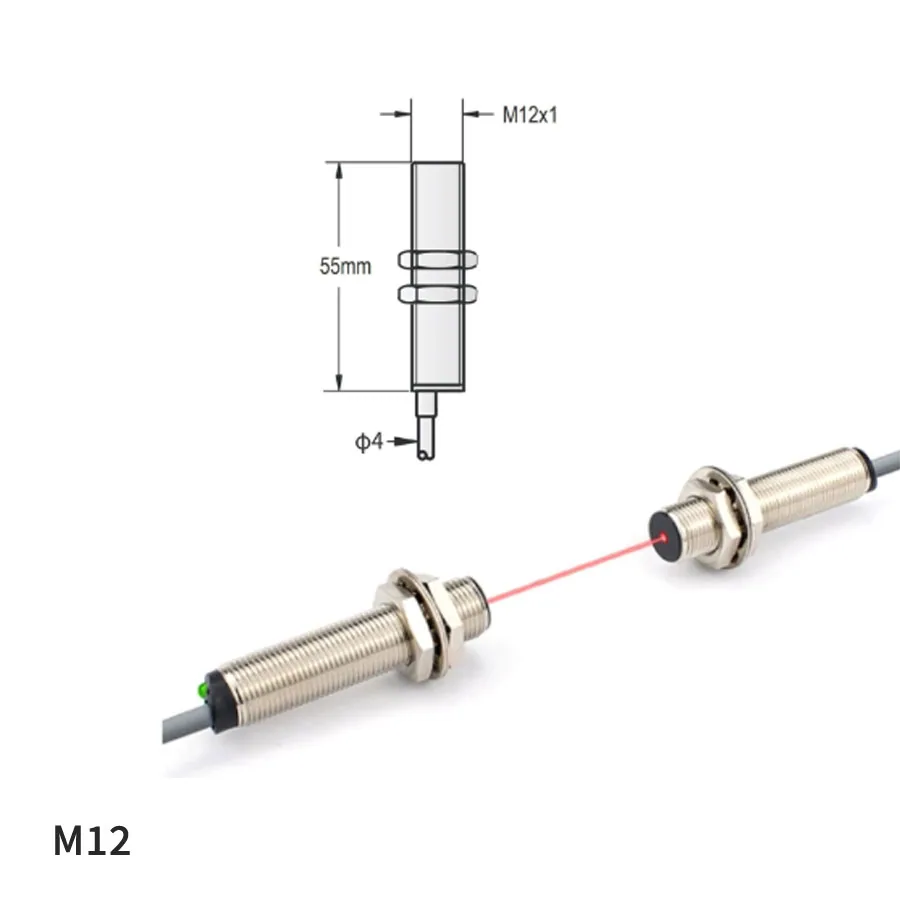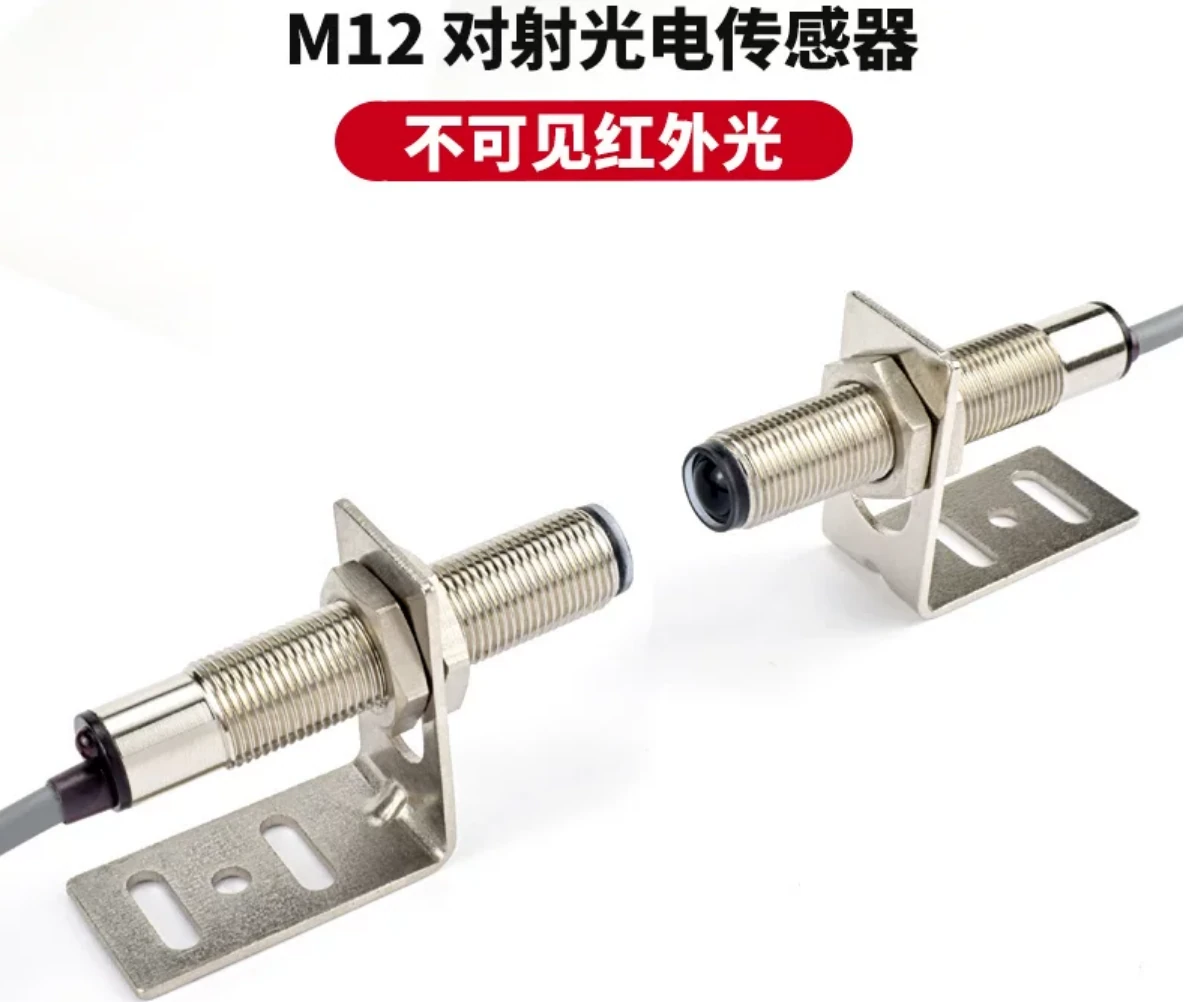
H-M Series M12/M18 Through-Beam Photoelectric Switch

Photoelectric switches are the general-purpose eyes of factory automation: they count bottles, verify labels, position pallets, detect web breaks and confirm parts in fixtures, on any material that blocks or reflects light. Where an inductive proximity switch tops out at tens of millimetres and only sees metal, a photoelectric sensor reaches from millimetres to tens of metres and can address cardboard, glass, film, wood, liquid and steel using a suitable detection mode and a verified sample test. This hub explains the five detection modes, compares their light paths, and gathers the DAIDISIKE photoelectric family — standard photoelectric switches, color-mark (registration) sensors for packaging film, and fiber-optic heads for tight spaces — as their individual product pages come online.
For control-panel integration, use the dedicated photoelectric sensor wiring diagram guide for 2-wire, 3-wire and 4-wire circuits, NPN/PNP outputs, through-beam transmitter/receiver pairs and PLC input checks.
For a practical background-suppression example, read the DK-D461 wood-strip detection application. It explains target/background separation and sample checks; this ordinary detection task is distinct from personnel safeguarding.
| Mode | How it works | Range class | Reliability & target dependence | Mounting note |
|---|---|---|---|---|
| Through-beam | Emitter and receiver in separate housings; target breaks the beam | Longest (tens of metres class) | Highest — works through dust and mist; colour-independent | Two-sided mounting and wiring |
| Retro-reflective | One housing + corner-cube reflector; target breaks the folded beam | Long | High; polarized versions handle shiny targets | Needs a reflector surface opposite |
| Diffuse-reflection | One housing; receiver reads light bounced off the target itself | Short-to-medium | Depends on target colour, size and surface finish | Simplest install — nothing on the far side |
| Background suppression (BGS) | Diffuse with triangulation; responds only inside a set cutoff distance | Short, sharply defined | High and largely colour-independent; ignores near backgrounds | Choose when a wall/roller sits behind the target |
| Slot / fork | Through-beam pair pre-aligned in one U-shaped housing | Fixed slot width | Through-beam class reliability, zero alignment work | Target must pass through the slot |
Rule of thumb: reach for through-beam when reliability is non-negotiable, diffuse when installation simplicity wins, BGS when a background sits close behind the target, retro-reflective when only one side can be wired, and slot when the target path is known and narrow.
Every card below opens a dedicated product page with full specifications, selection tables and wiring notes. Can't find the exact variant you need? Ask the factory for a datasheet — most series have additional models beyond the highlights shown here.
Emitter/receiver pairs and reflector types for the longest ranges and the most reliable break-beam detection.
Single-housing sensors that read the light bounced off the target; BGS versions ignore everything beyond a set cutoff.
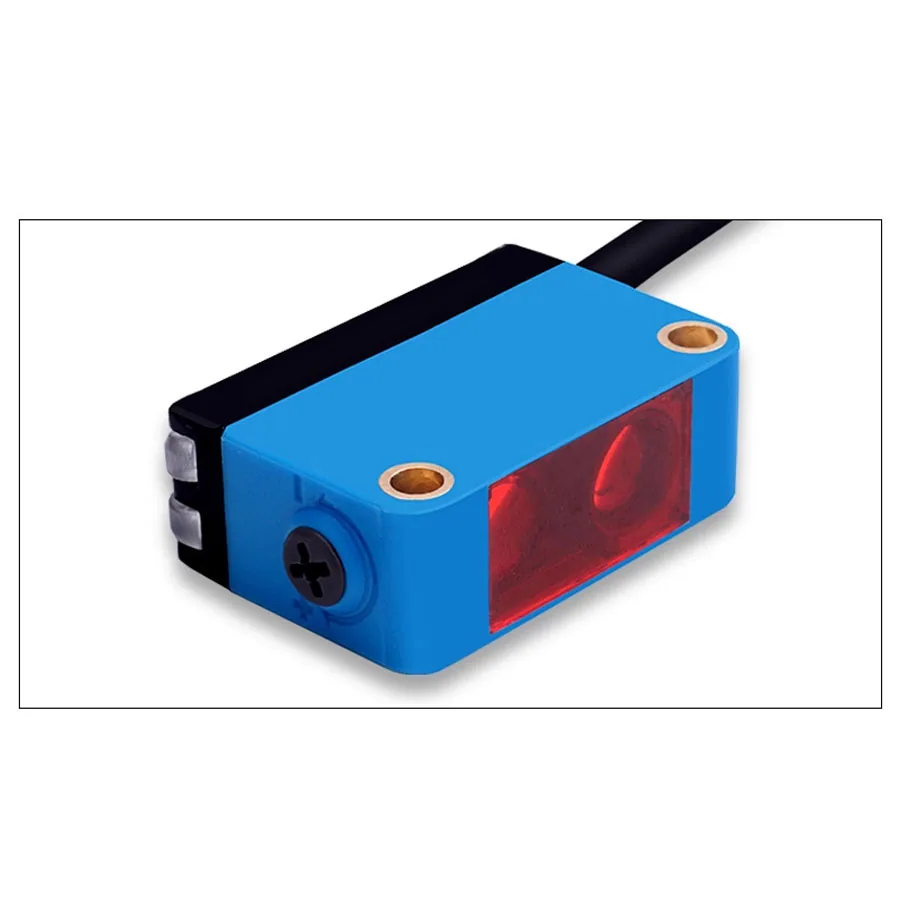
BGS-CX441/442 Background Suppression Sensor
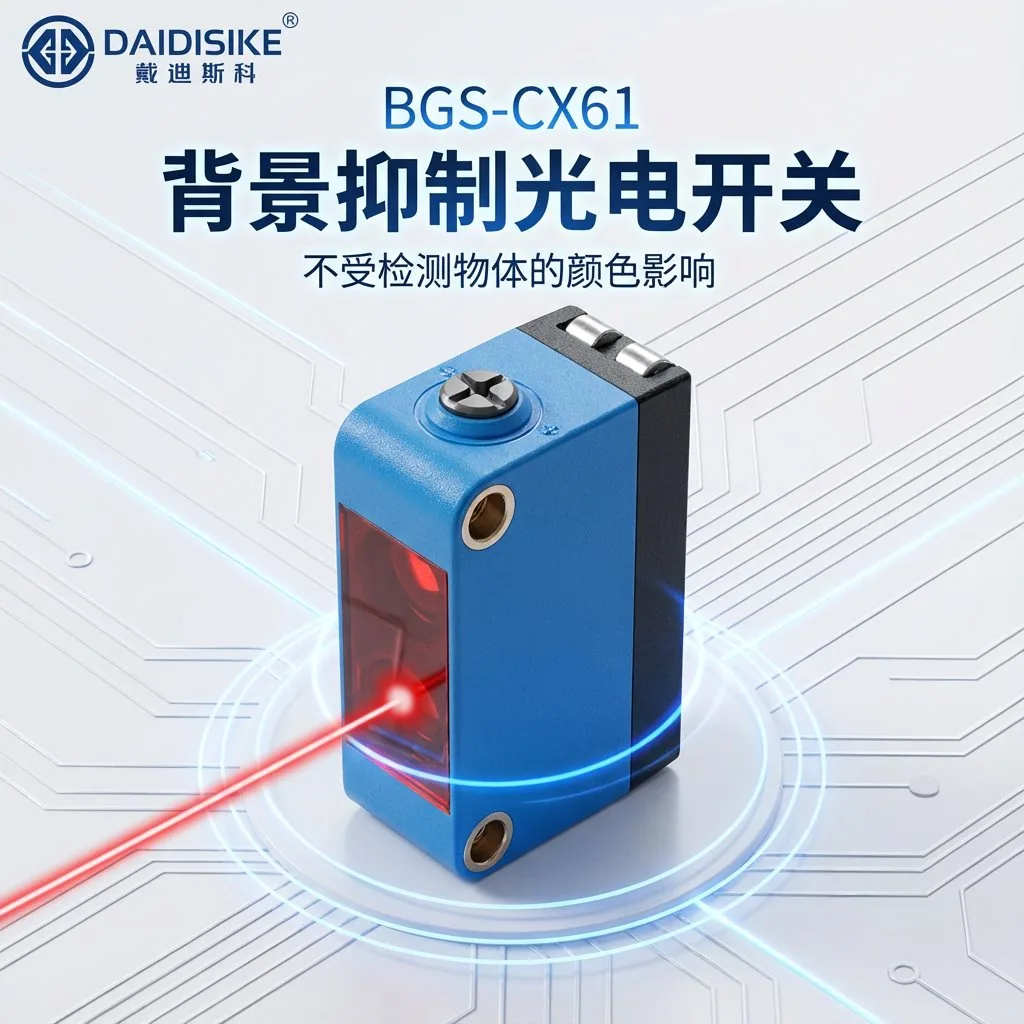
BGS-CX61 Focused-Beam BGS Sensor
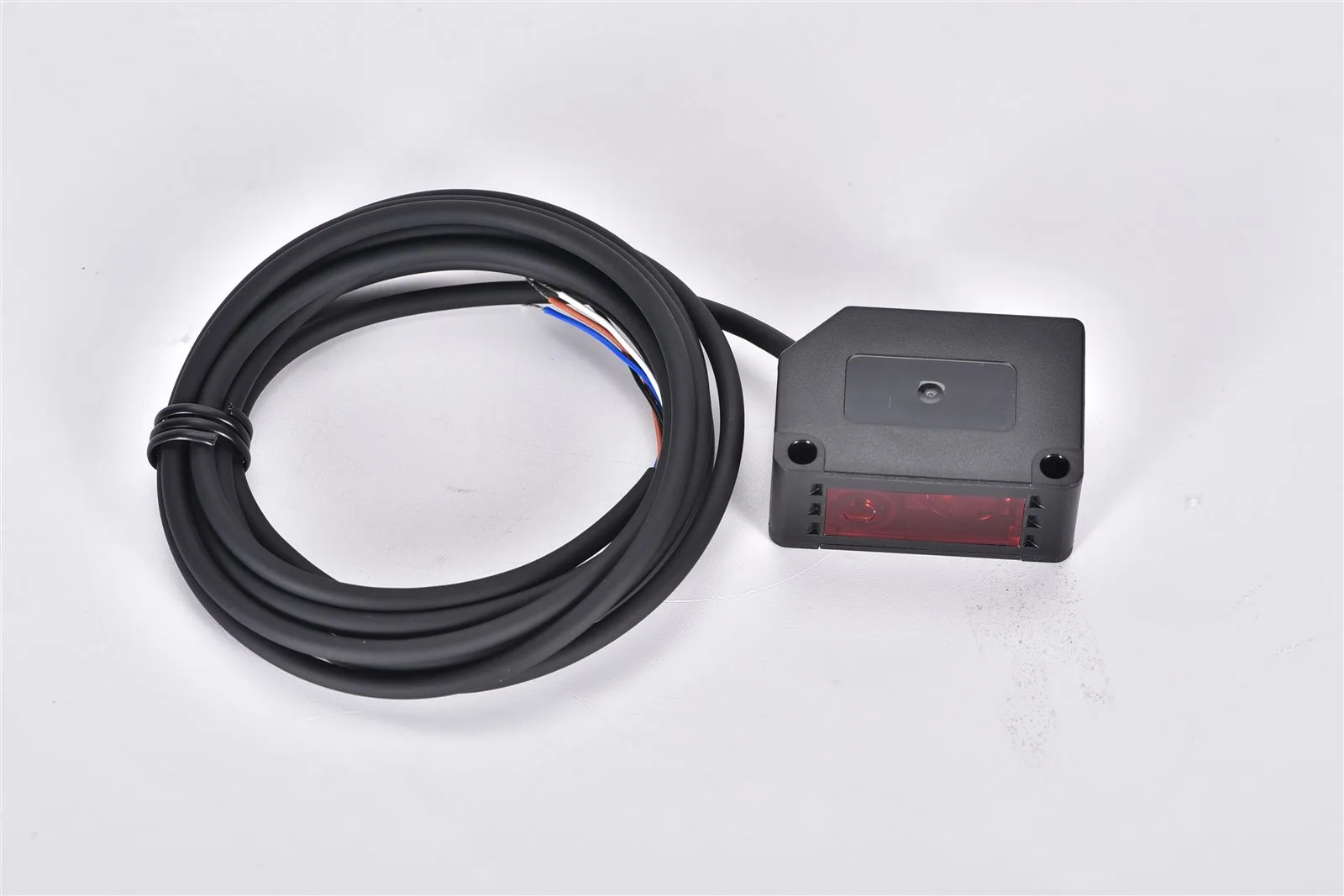
BX Series Long-Range BGS Sensor (4 m)
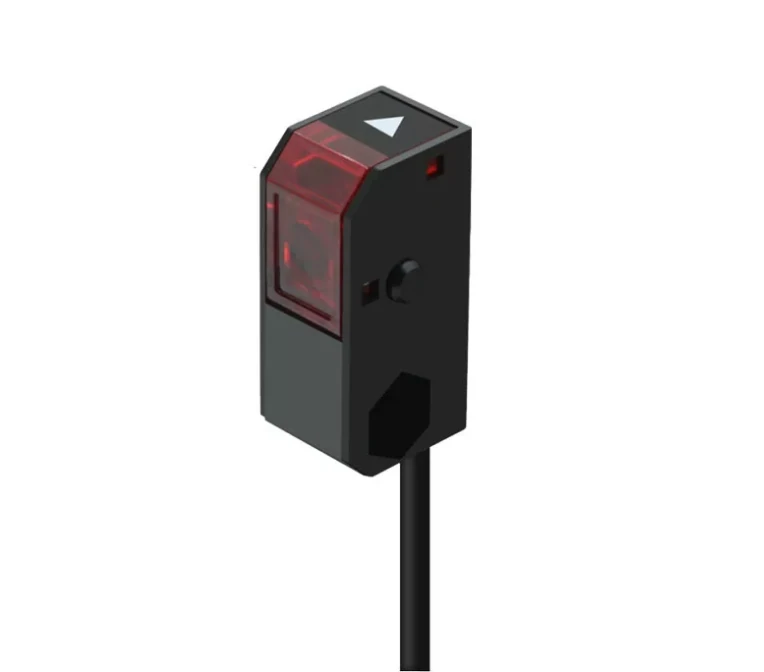
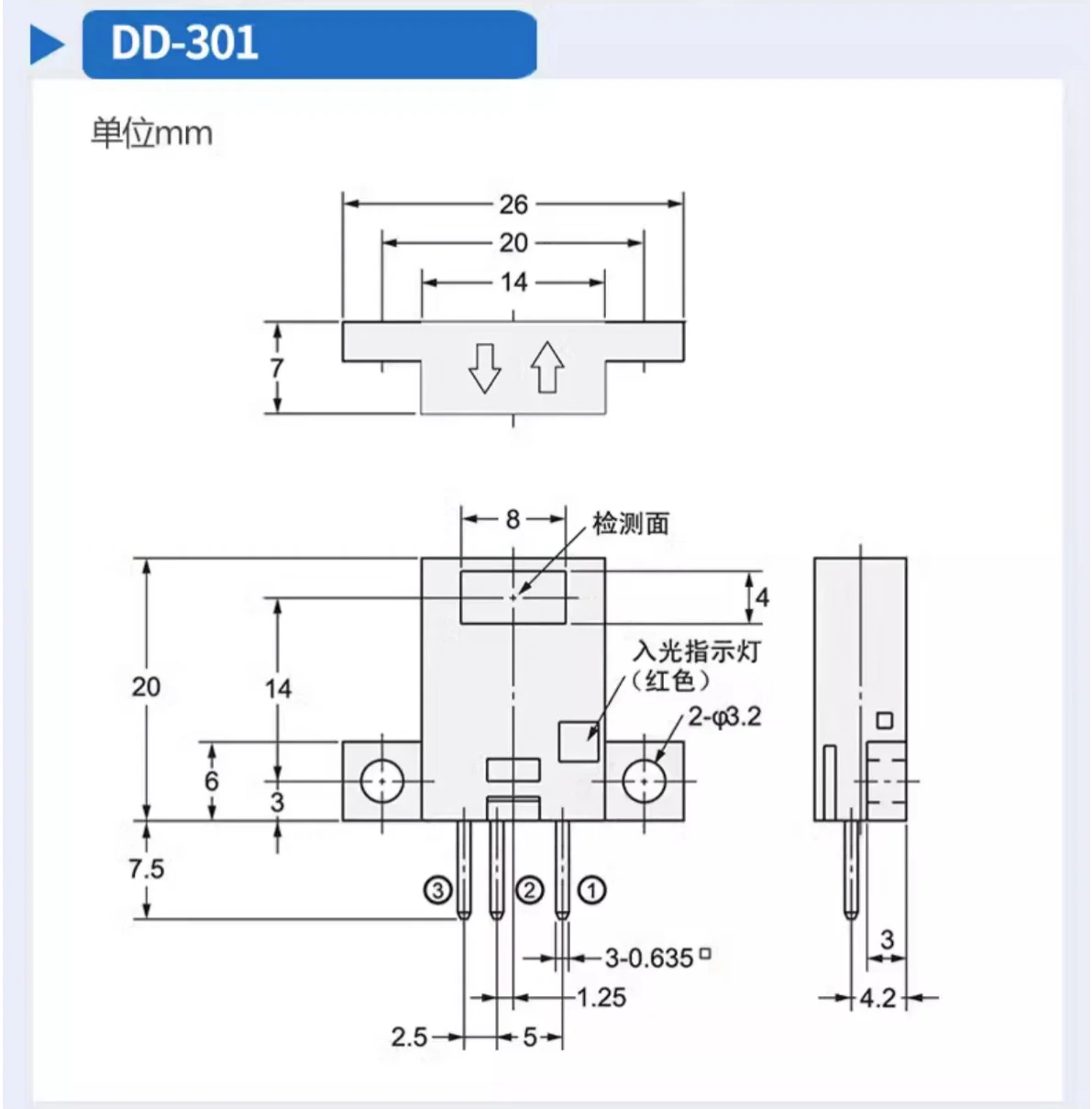
DD-T21/T31/D21 Built-in Amplifier Photoelectric Switch
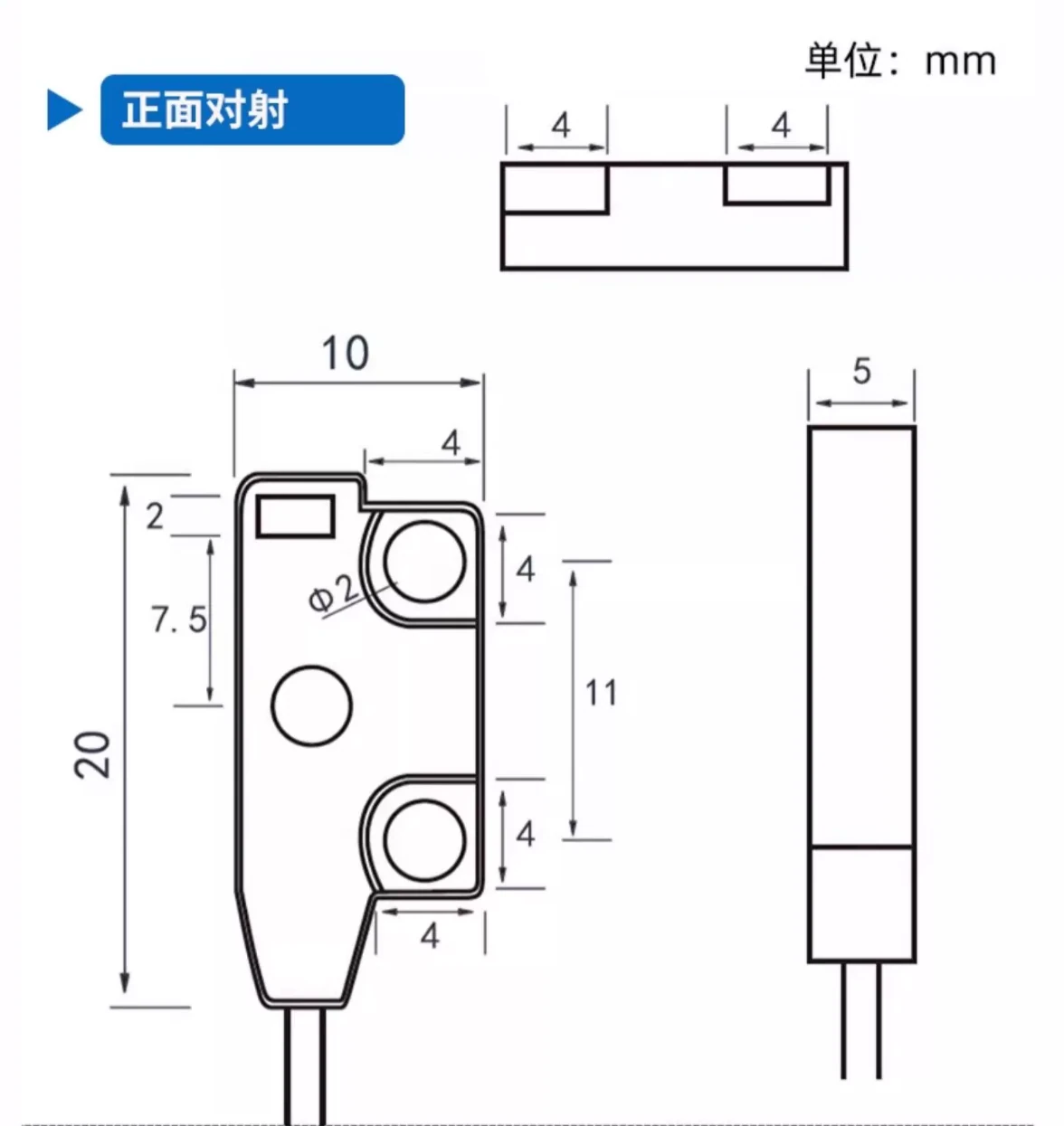
DX-15/DX-30 Ultra-Thin Photoelectric Switch
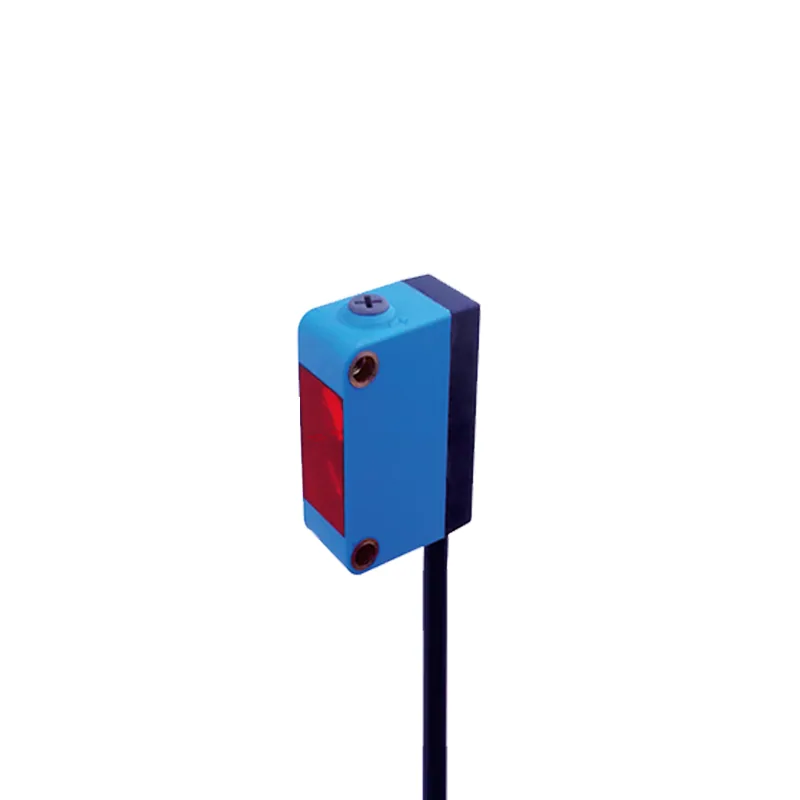
E3Z Miniature Photoelectric Switch (NPN/PNP)
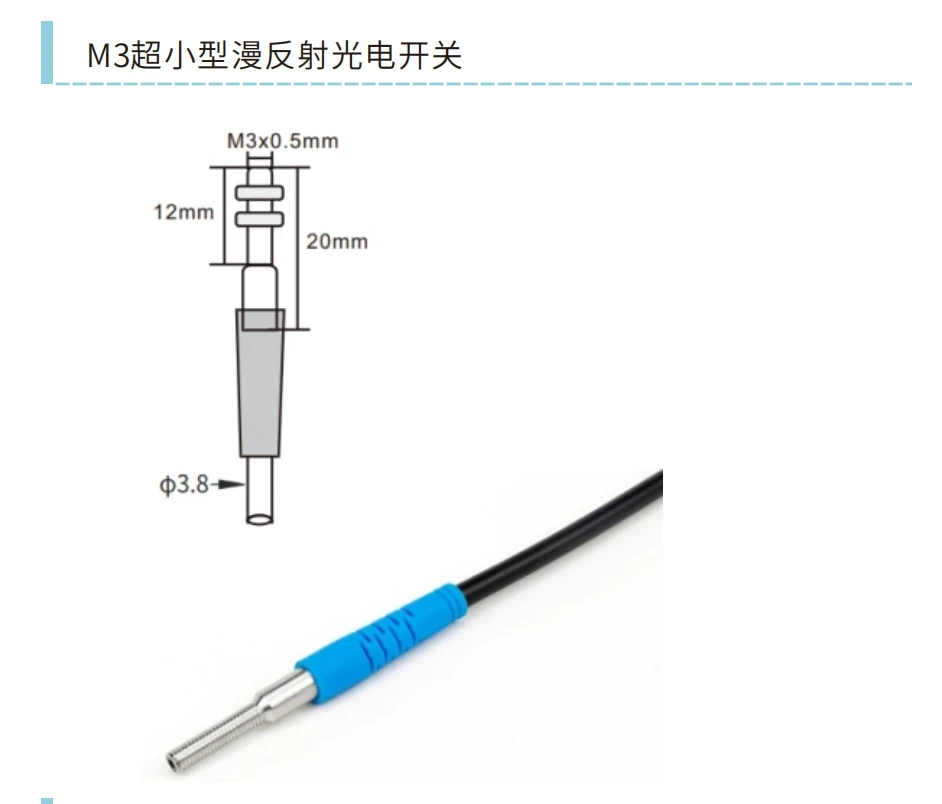
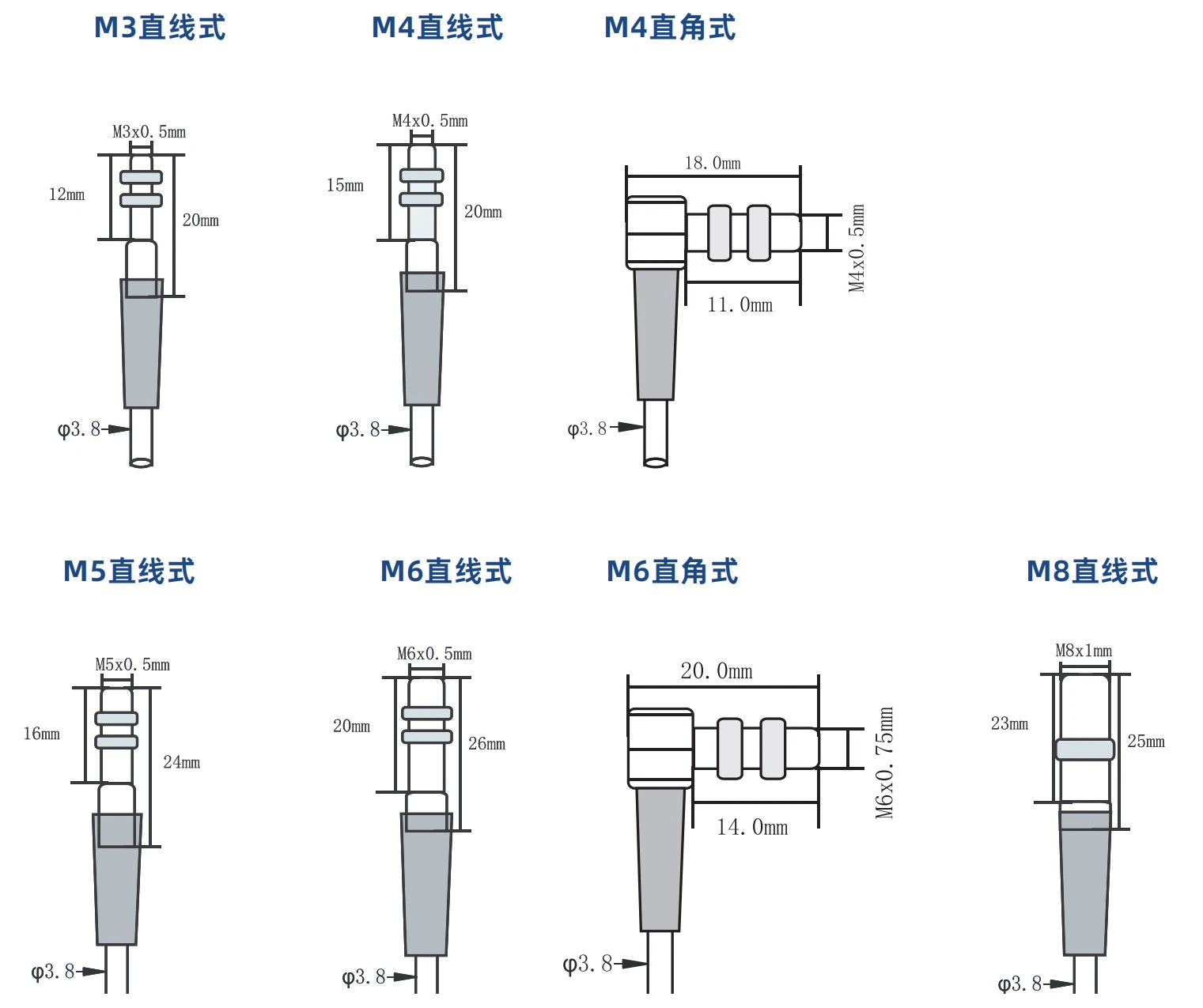
H Series M3-M6 Micro Diffuse Photoelectric Switch
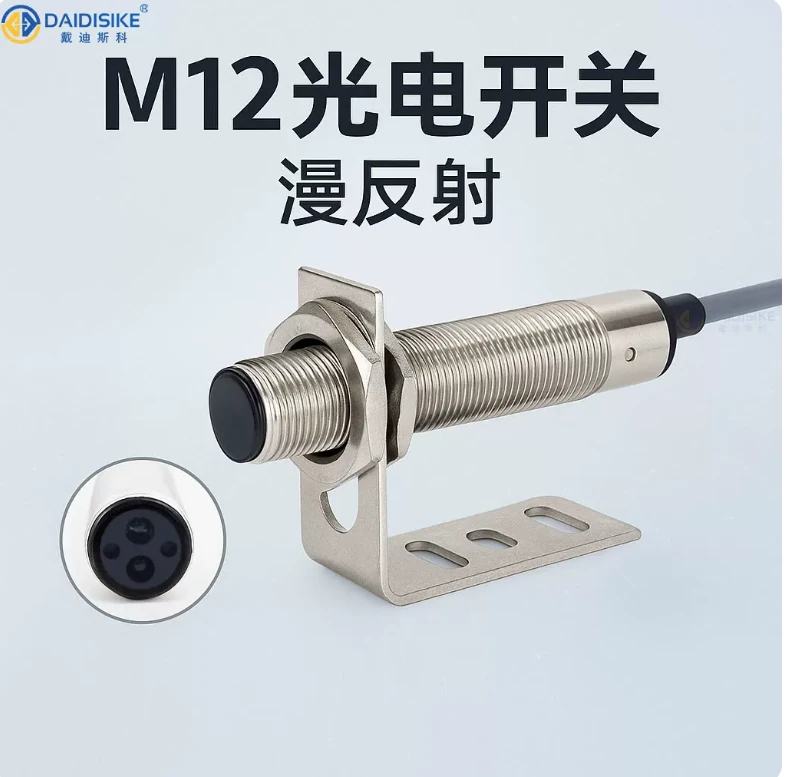
H08/R12 M8-M12 Micro Diffuse Photoelectric Switch
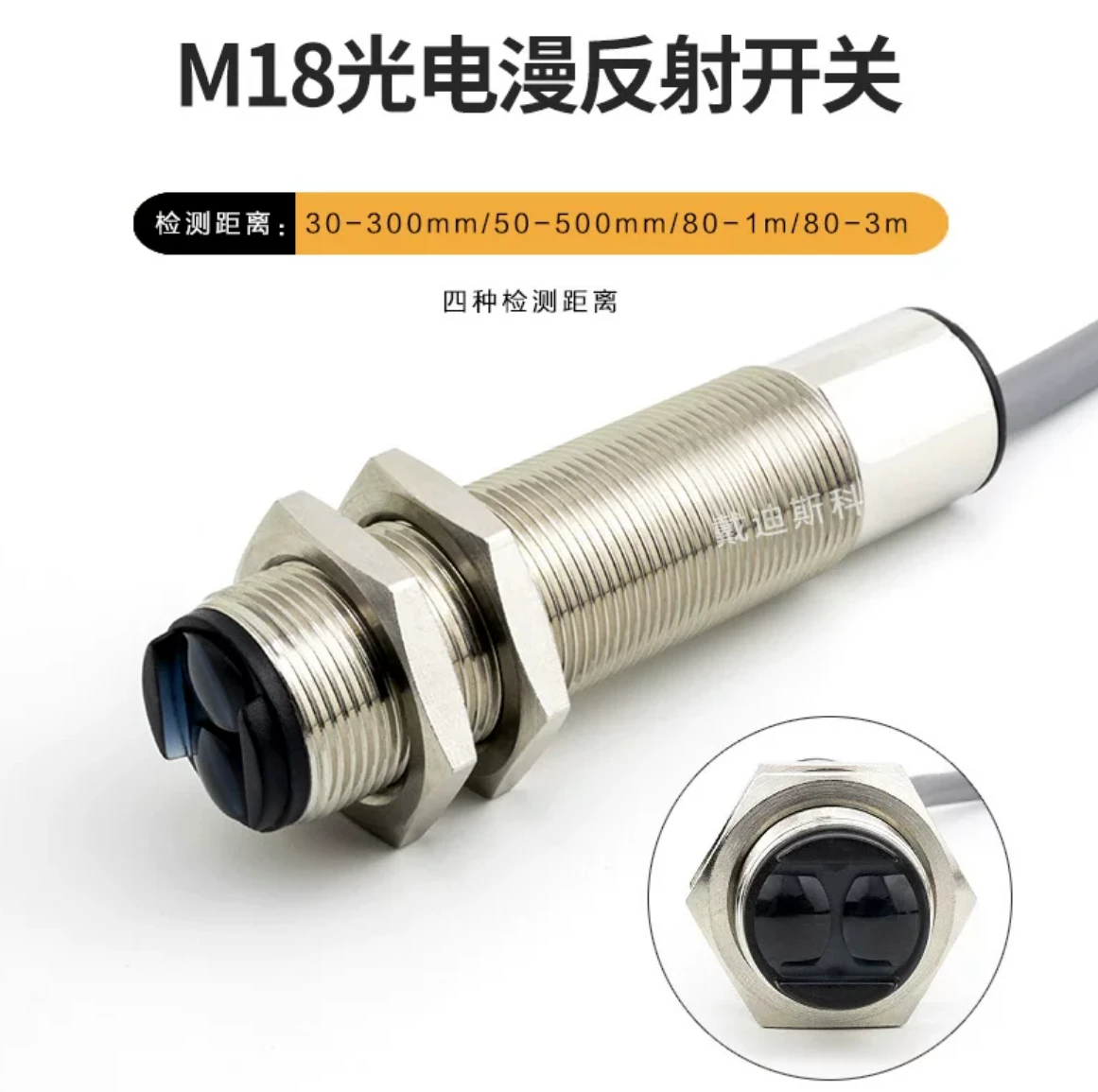
JNS18/JNK18 M18 Diffuse Photoelectric Switch (3 m)
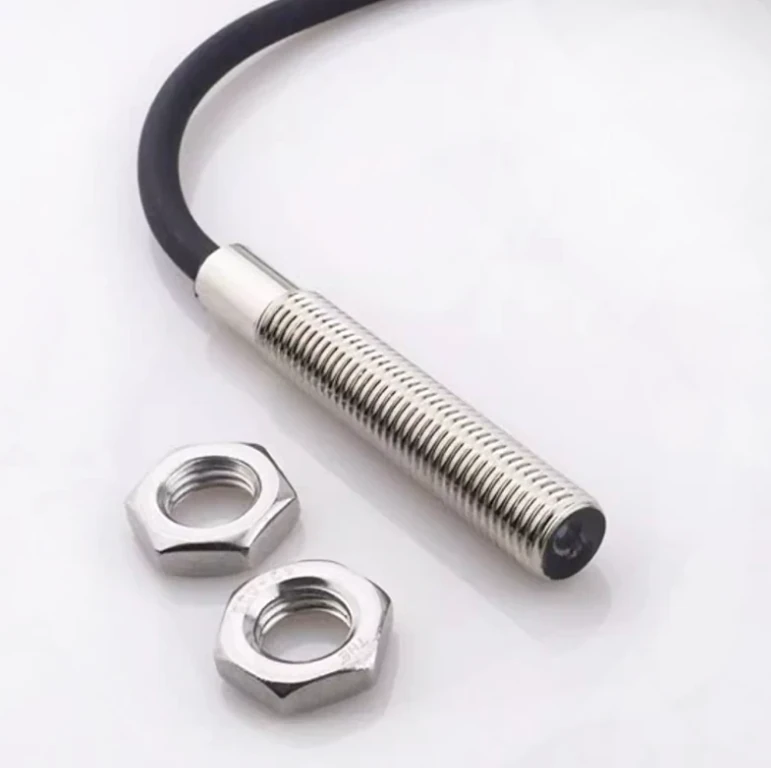
QF-35 M8 IP66 Diffuse Photoelectric Switch
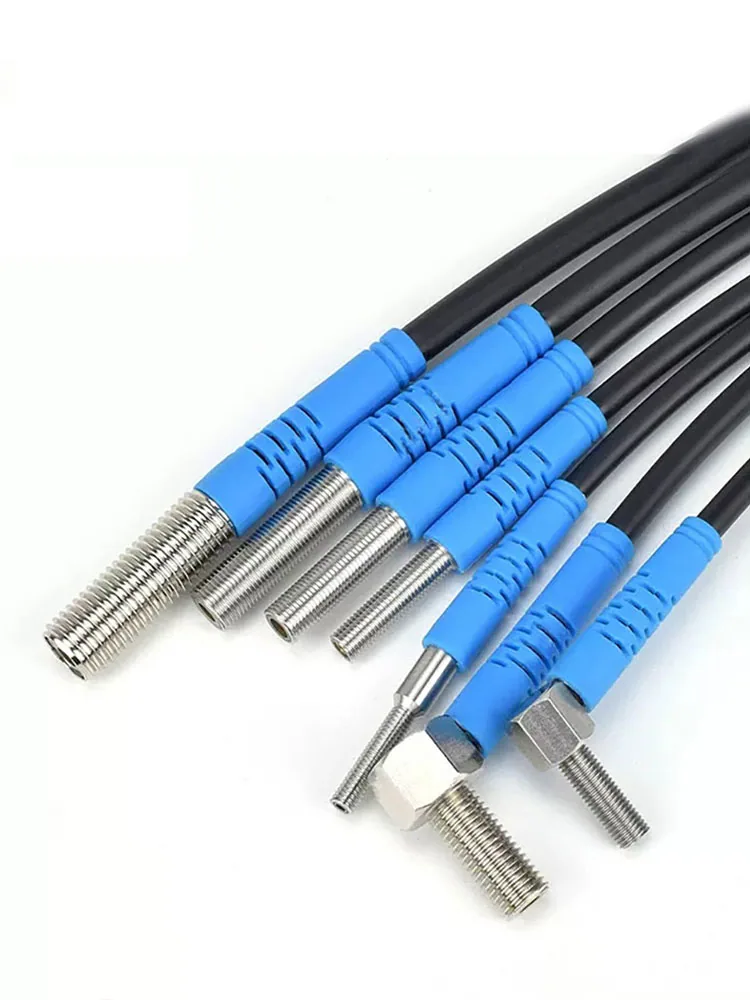
JNS 90° Right-Angle Laser Diffuse Sensor M4/M6
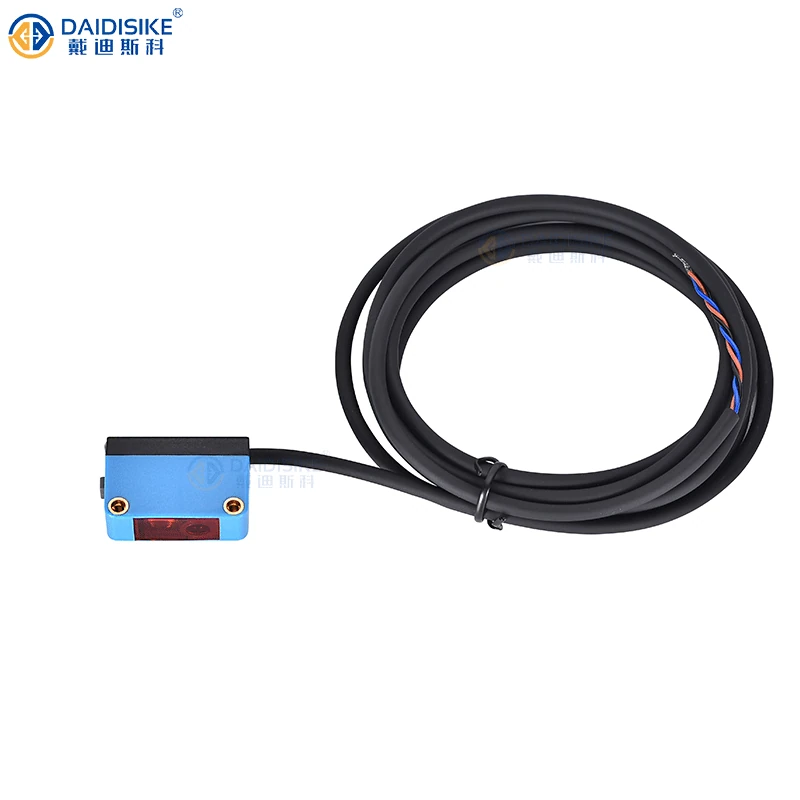
PZ-MK10 One-Touch Teach Laser Sensor
Pre-aligned U-shaped slot sensors, registration-mark readers for packaging film, and fiber heads for tight spaces.
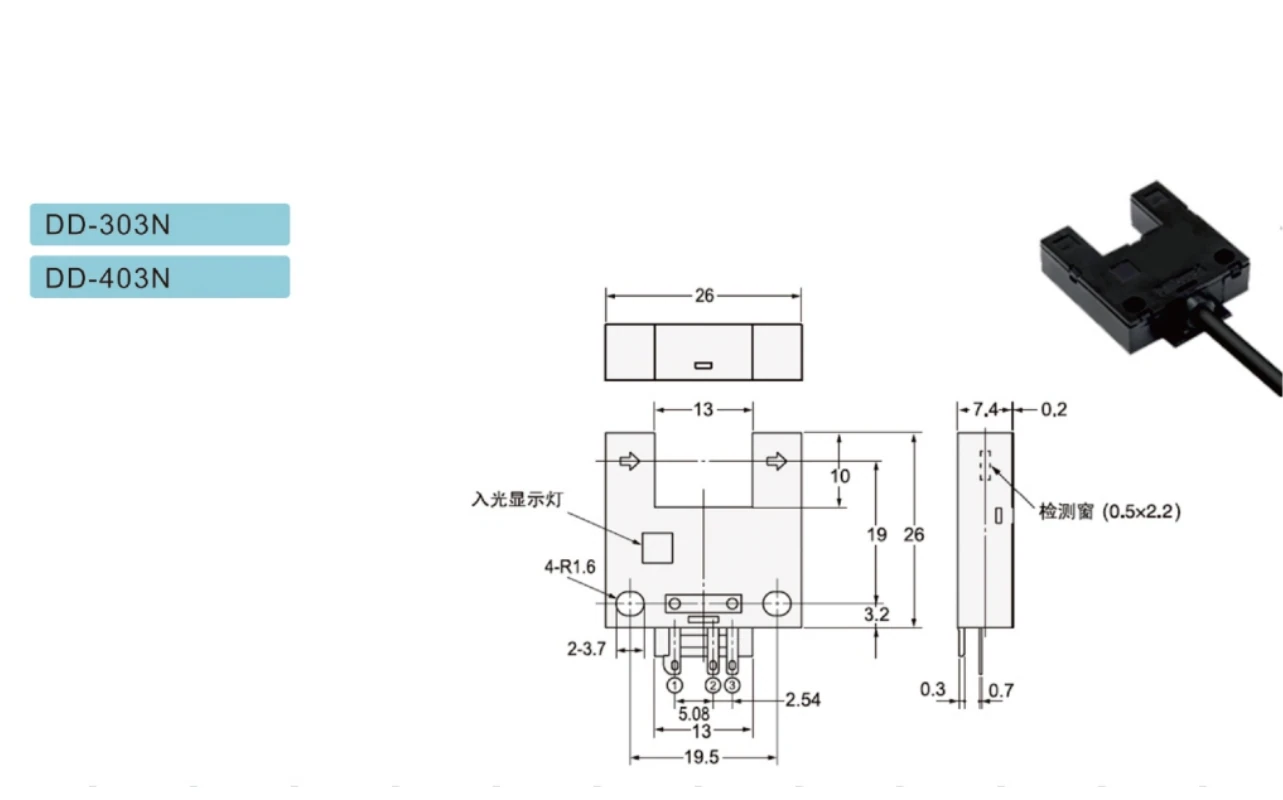
DD-303N/403N 13 mm Wide-Gap Slot Switch
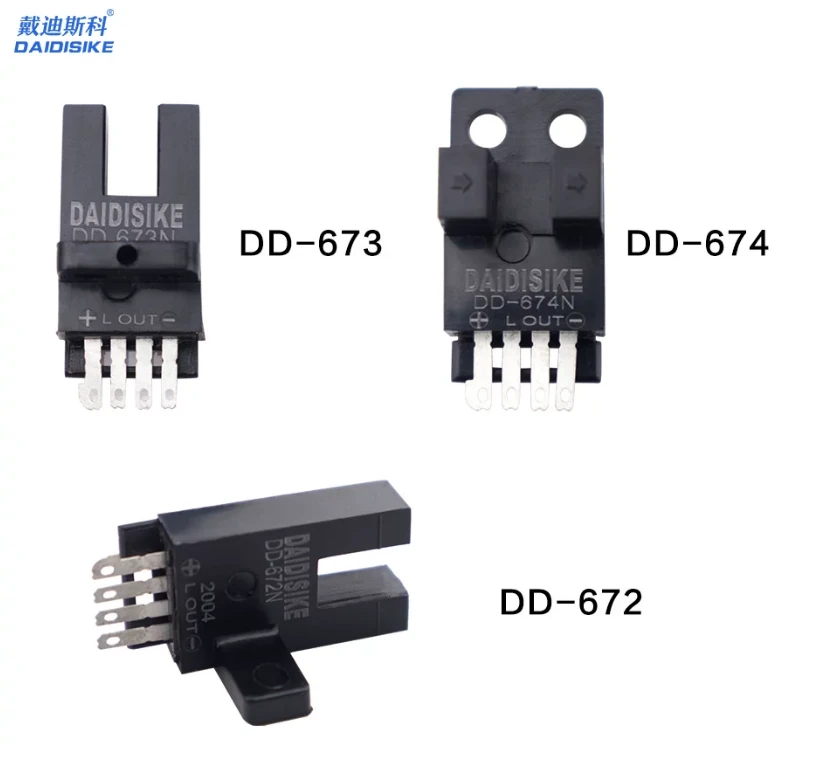
DD-670 Plug-In Slot Photoelectric Switch
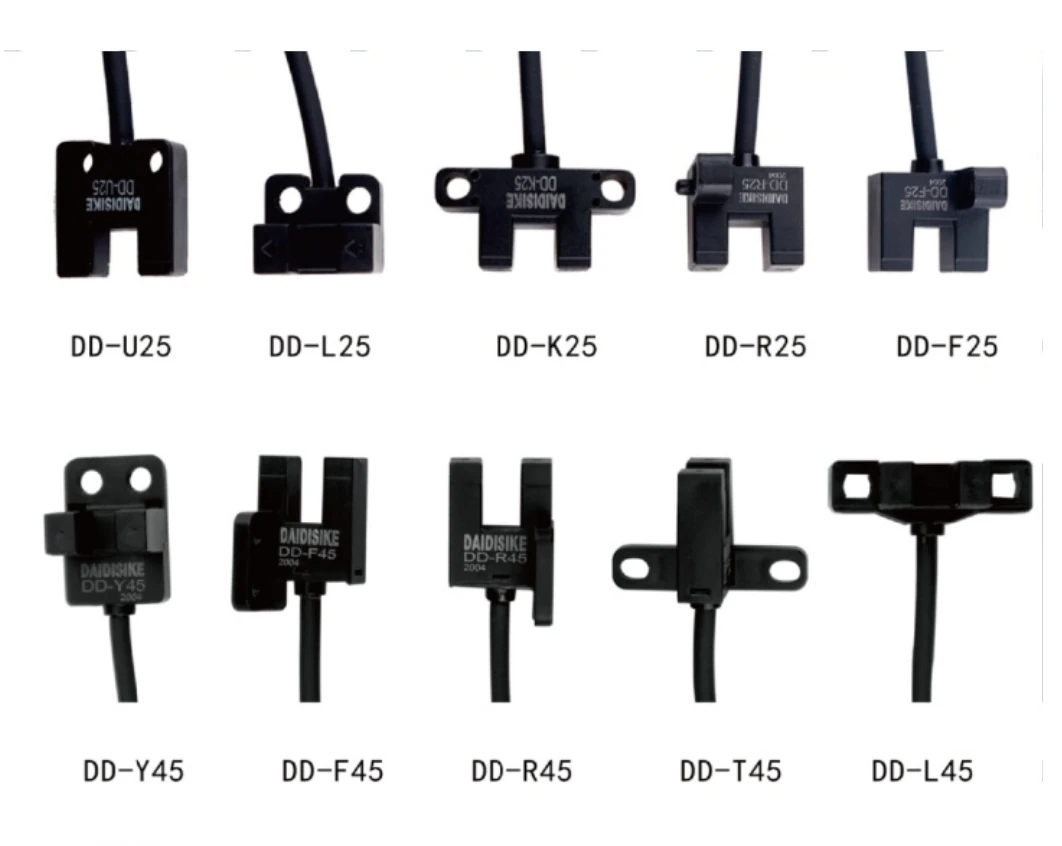
DD-L25/L45 Micro U-Slot Photoelectric Switch
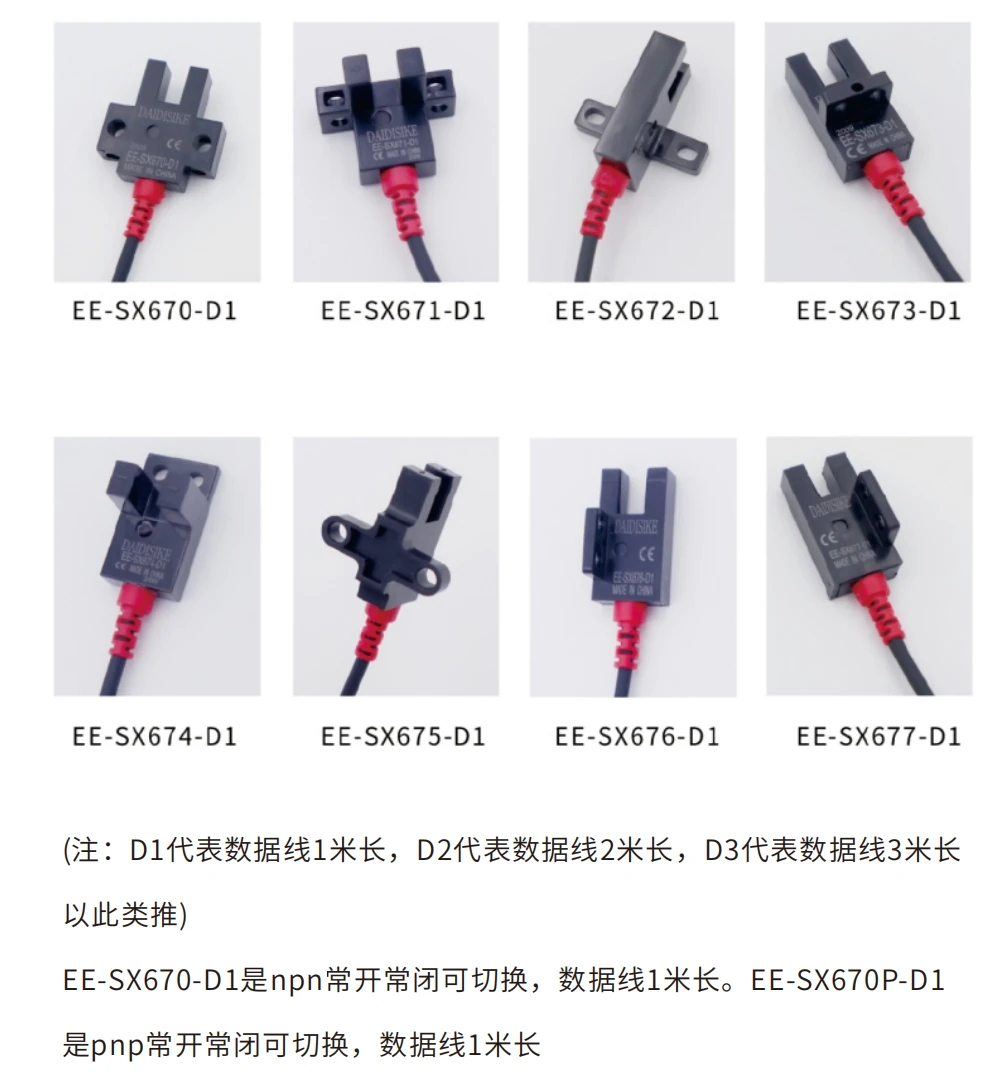
EE-SX67 Slot Photomicrosensor for OEM
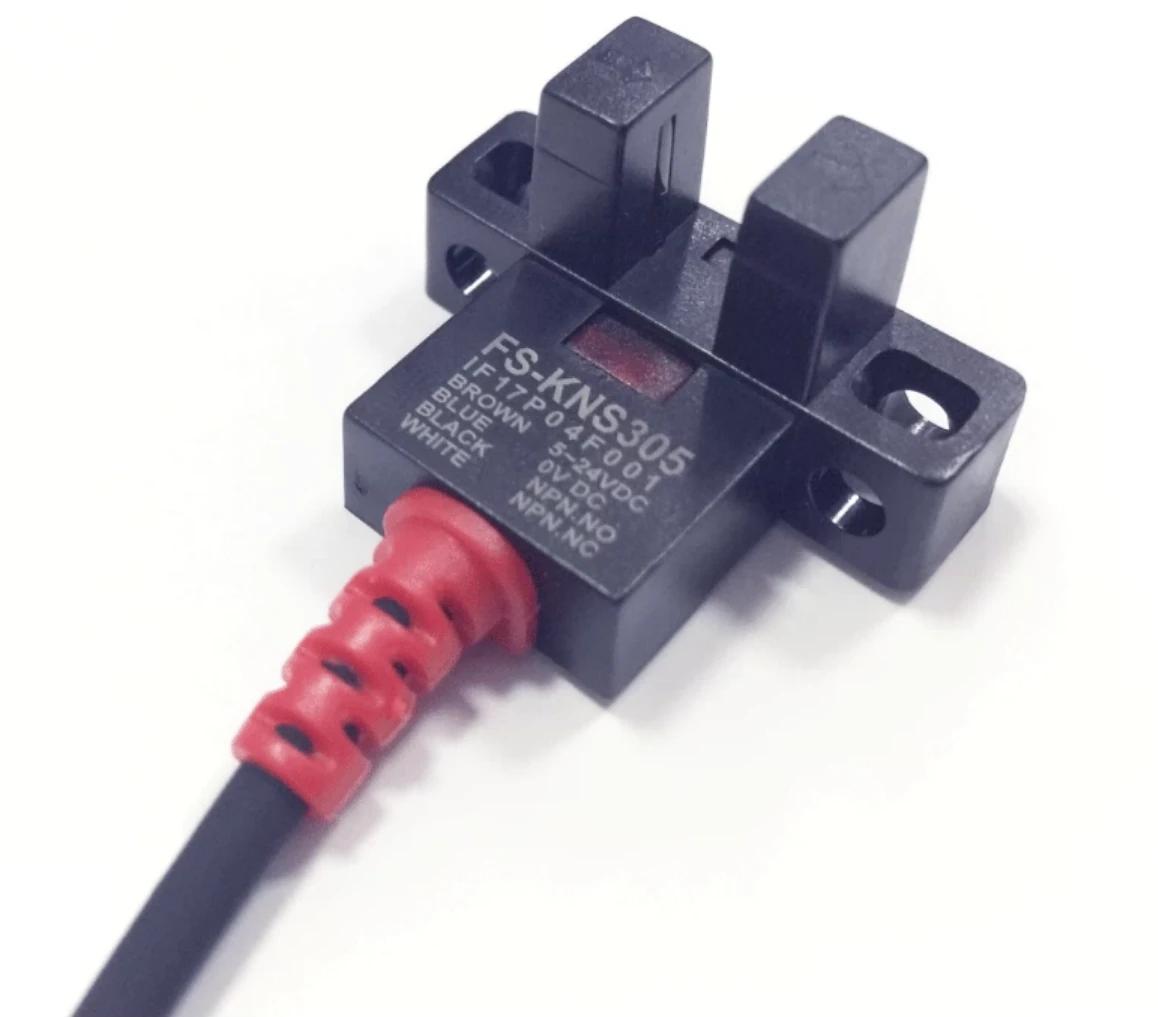
FS-KNS 5 mm Slot-Type Photoelectric Switch
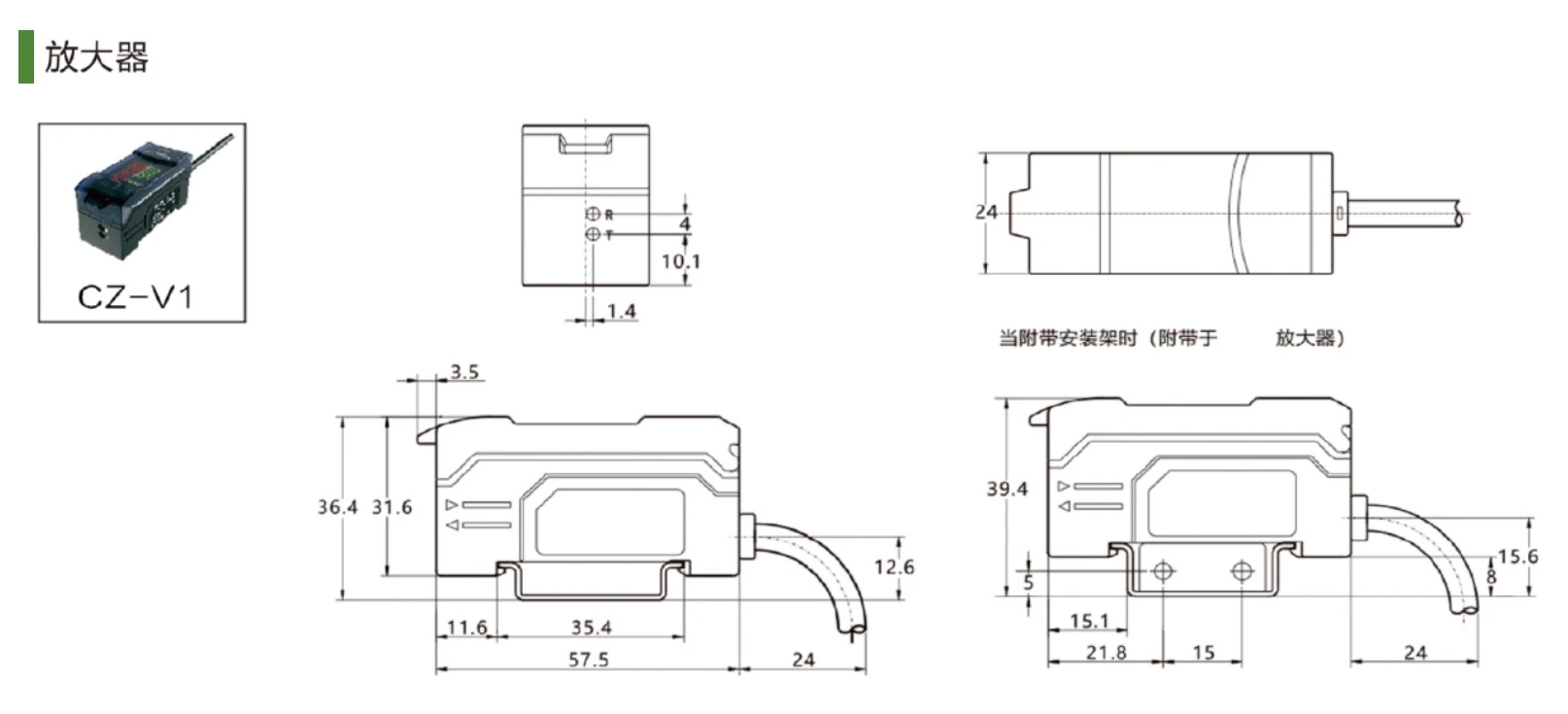
CZ-V1 High-Precision Color Sensor
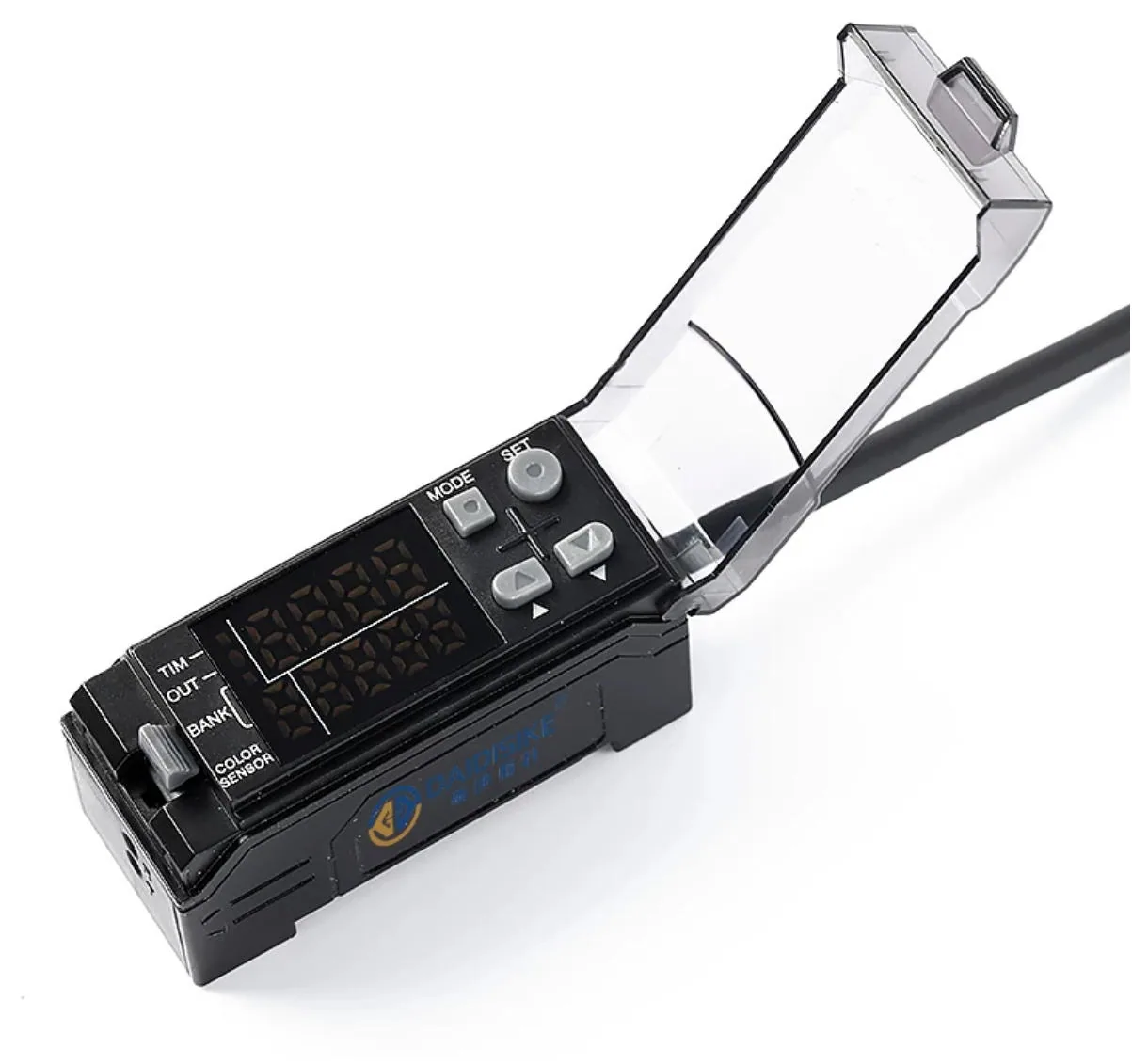
CZ-V21 RGB Digital Color Sensor
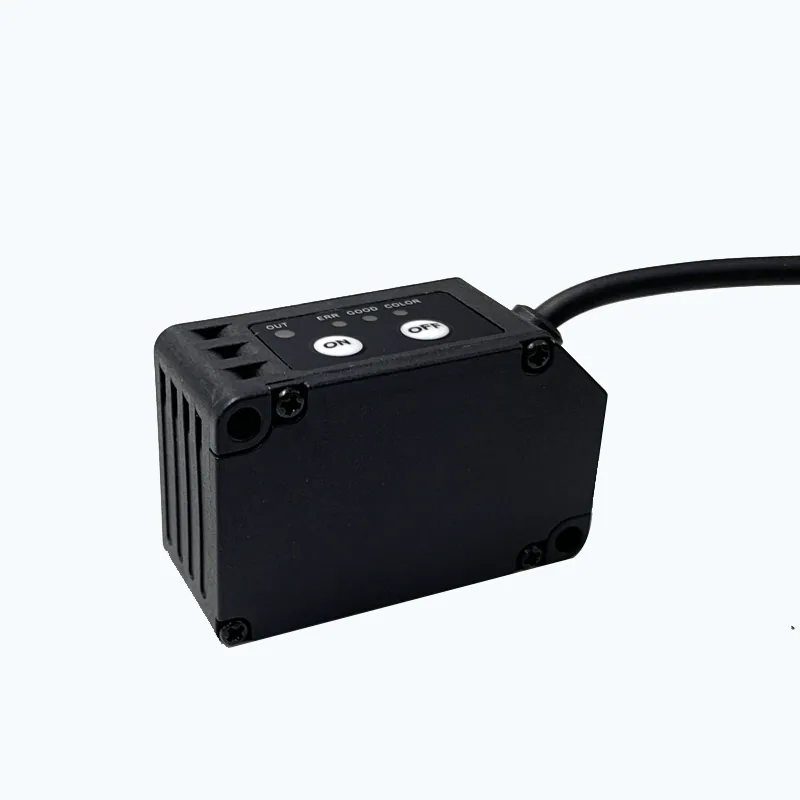
FS-S72 Color Mark Sensor
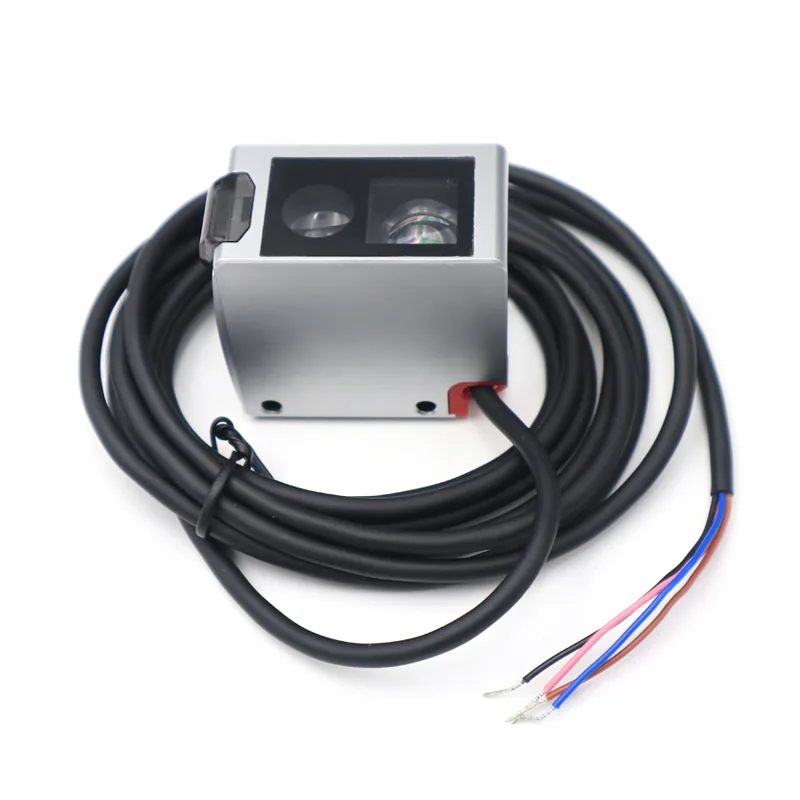
JNS-W70/W500 Long-Range Color Mark Sensor
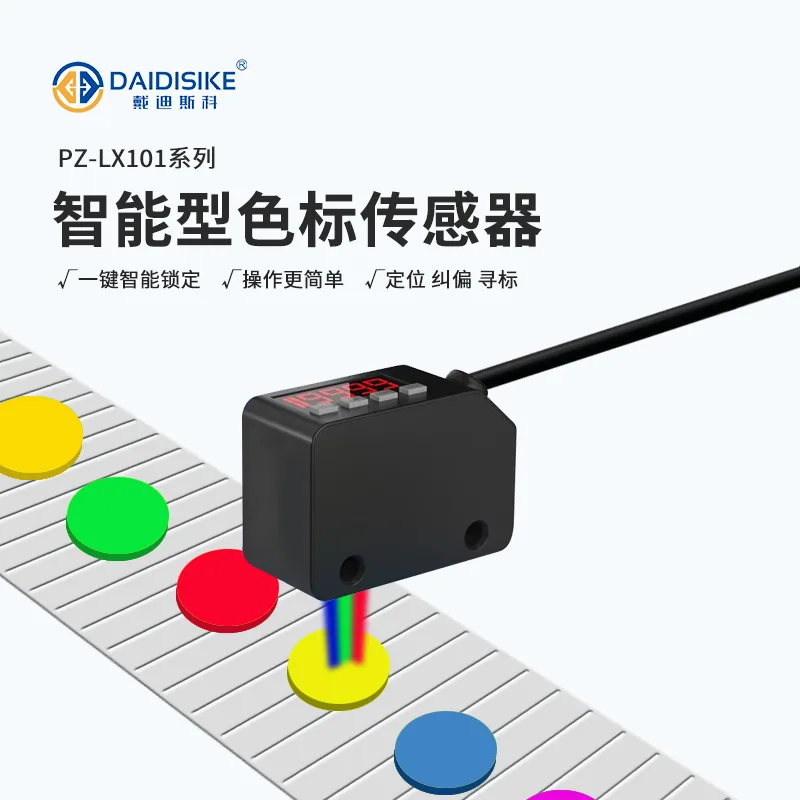
PZ-LX101 Color Mark Sensor
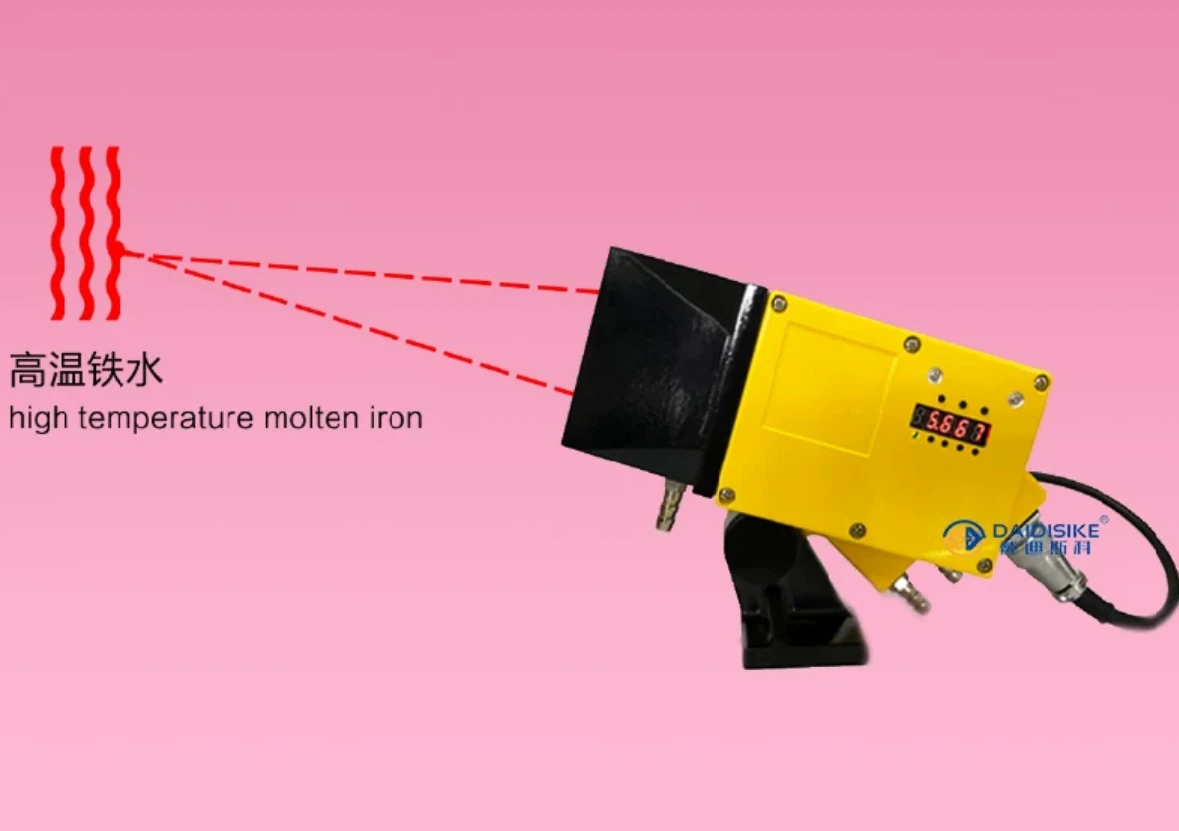
DK-SCZ-II Hot & Cold Metal Detector
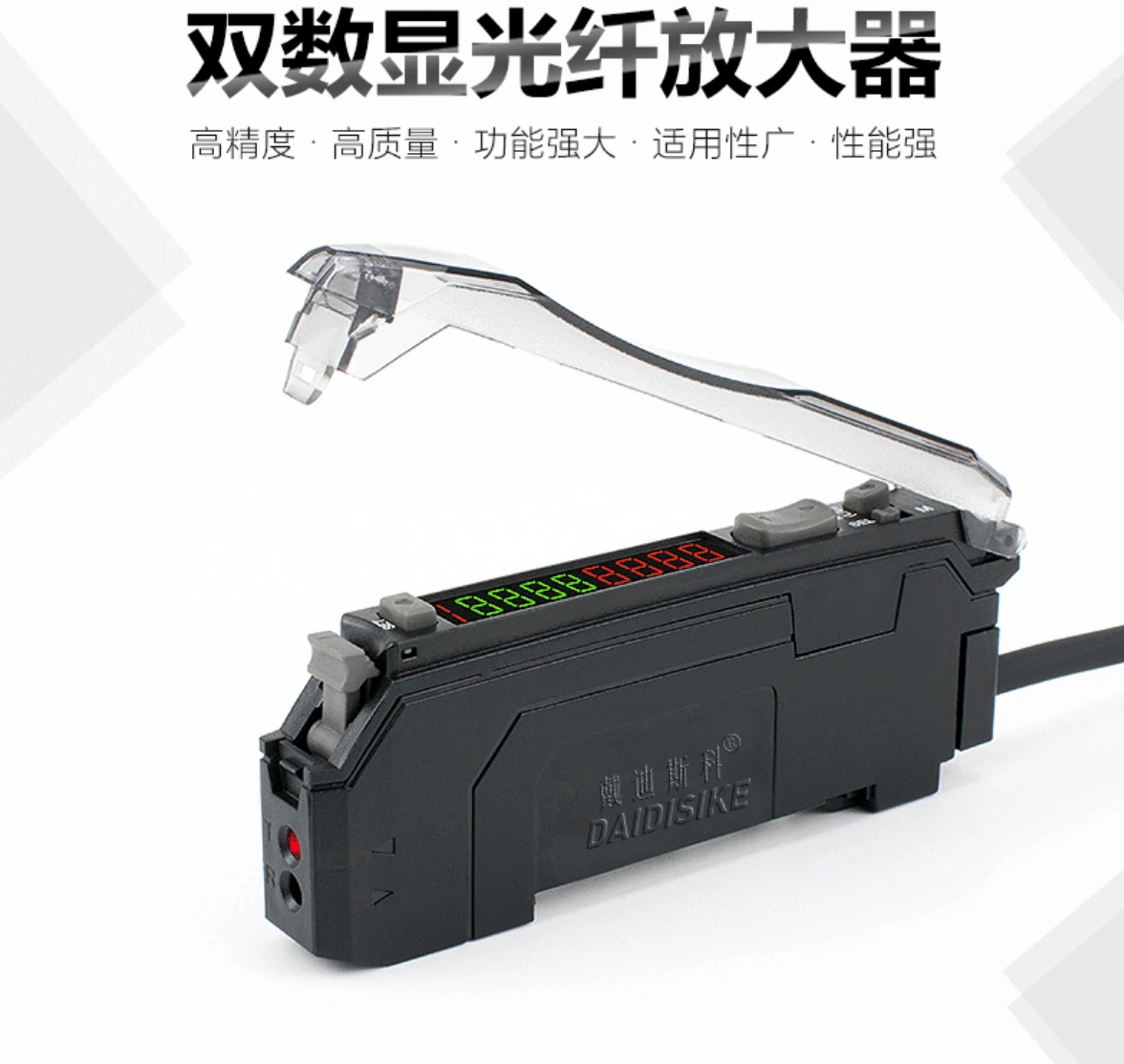
DDSK Digital Fiber Amplifier
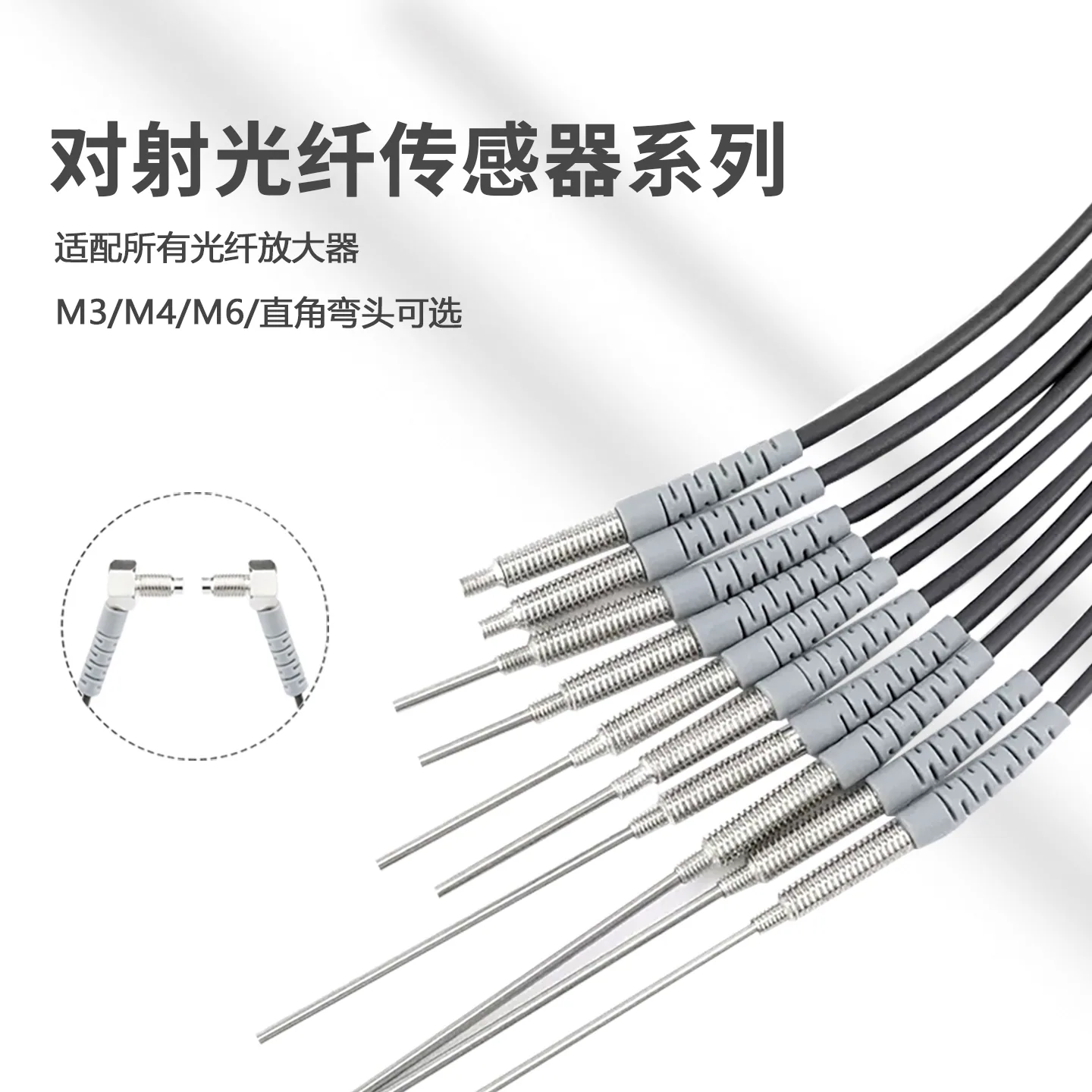
Fiber Optic Sensor Heads M3/M4/M6
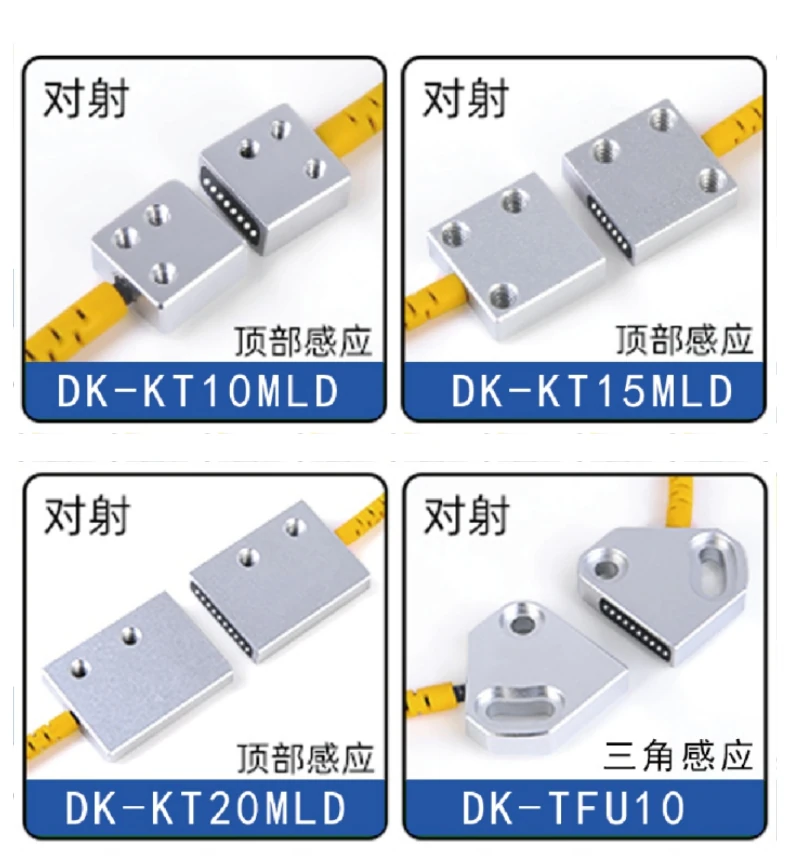
DK-KT/KF Matrix Fiber Optic Units
A photoelectric sensor detects objects with a beam of light — usually modulated red or infrared LED light — instead of physical contact. An emitter sends the beam and a receiver watches it: the sensor switches its output when the target either interrupts the beam (through-beam, retro-reflective, slot types) or reflects light back to the receiver (diffuse-reflection and background-suppression types). Because detection is optical, it works on nearly any material — cardboard, glass, plastic, metal, liquid — at ranges from millimetres to tens of metres, far beyond what inductive proximity switches can reach.
Choose by reliability need and mounting freedom. Through-beam (separate emitter and receiver) gives the longest range and the highest excess gain — best for dusty environments and opaque targets, but needs wiring on both sides. Retro-reflective needs wiring on one side only, with a corner-cube reflector opposite; use a polarized version for shiny targets. Diffuse-reflection is the simplest to install (one housing, no reflector) but its range depends on target colour and surface, so keep a healthy margin. Background suppression (BGS) is the diffuse upgrade for when a wall, roller or machine frame sits close behind the target.
Whenever something reflective sits just behind the target. An ordinary diffuse sensor decides by intensity — a bright background can return more light than a dark target and cause false triggering. A BGS sensor decides by geometry: using triangulation onto a position-sensitive receiver, it responds only to objects inside its set cutoff distance and ignores anything beyond, even a white wall a few centimetres back. That also makes BGS far more colour-independent — a black target and a white target trip at nearly the same distance.
A slot or fork sensor is a through-beam pair built into one U-shaped housing, factory-aligned, so you get through-beam reliability with single-device installation and wiring. The trade-off is that the target must pass through the fixed slot width. Slot sensors excel at label detection, edge counting, small-part drop detection in feeder chutes and shaft/disc position sensing, where the object path is known and narrow.
No. General-purpose photoelectric sensors have no IEC 61496 rating, no self-checking dual channels and no OSSD outputs, so they must not be used alone for personnel protection. For point-of-operation or perimeter guarding, use a certified safety light curtain (Type 4, e.g. the DAIDISIKE DQC series) or a safety laser scanner, and keep photoelectric sensors for object detection, counting and positioning tasks.