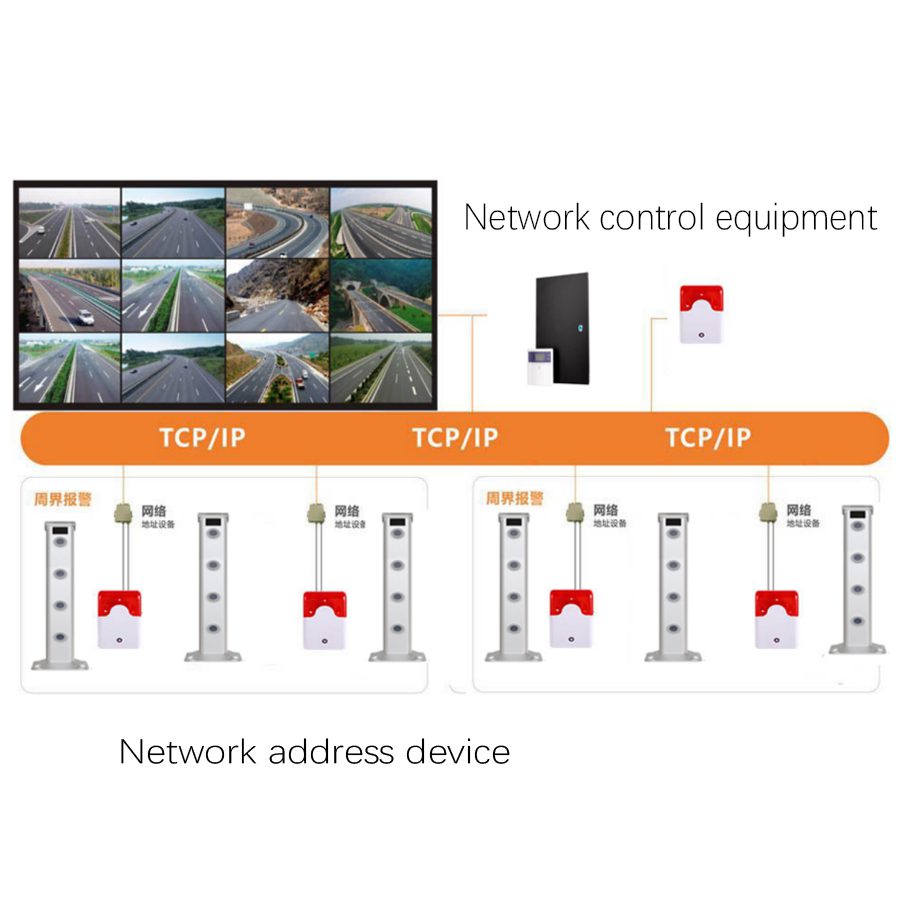
DDSK-J Series Outdoor laser long-distance alarm and protection infrared sensor

A perimeter intrusion system detects a boundary crossing and reports it through a defined alarm path. DAIDISIKE supplies ABF battery-powered, JHW solar-powered, wired infrared and DDSK-J laser options, including long spans up to 500 m for the specified DDSK-J configuration. This page helps plan zones, receivers, power and response procedures. Beam interruption does not physically prevent access or guarantee a response before an intruder reaches a building; the complete installation must be tested.
Looking for the technology-comparison view (laser vs infrared, range / beam-count selection)? See the Outdoor Laser Long-Range Beam Grating category page — same products, organized by sensor technology rather than security application.
Each technology has its place in a layered perimeter system. Here's where beam grating earns its keep:
| Detection method | Beam grating | PIR motion | IP camera + analytics |
|---|---|---|---|
| Coverage | Defined emitter-to-receiver line; span by model | Detection pattern and mounting by model | Field of view and required image detail |
| Nuisance-alarm checks | Alignment, obstruction, weather and beam logic | Scene temperature, movement and detection pattern | Lighting, scene changes and analytics settings |
| Power planning | Wired, battery or solar options by model | Exact detector supply and reporting path | Camera, illumination, network and processing |
| Night operation | Verify alignment and intended optical conditions | Verify the intended night-time scene | Verify illumination or low-light capability |
| Visual verification | No image from the beam detector itself | No image from the PIR detector itself | Images if the view and recording path are available |
| Installation planning | Mounting, power, alignment and panel / receiver | Position, detection pattern and panel / receiver | View, power, bandwidth and recording |
| Potential role | Boundary crossing detection | Selected-area detection or confirmation | Visual verification and recording |
A layered installation may combine boundary detection with another sensor or visual verification. Decide which events trigger an alarm, which need operator review and how faults are reported. Do not assume PIR confirmation eliminates false alarms or automatically makes the system more reliable; test the configured logic and keep genuine intrusion events visible.
The detector, receiving equipment and response plan are separate decisions. Confirm the quoted bill of materials; a product called a system does not automatically include every item below.
| System decision | Confirm before ordering | Acceptance check |
|---|---|---|
| Detector and zone | Pair or set contents, span, column height, alarm logic and zone identifier | Test each intended crossing route and check the reported zone |
| Contact input | NO/NC state, input rating and any end-of-line supervision required by the panel | Verify normal and alarm states; test cable faults only as prescribed by the equipment instructions |
| Radio receiver | Supported protocol, exact receiver, pairing and site radio path; frequency alone is insufficient | Verify every detector reaches the intended receiver and assess communication-loss reporting |
| Power and reserve | Supply, cable drop or battery / solar arrangement; backup and maintenance responsibility | Check power-loss behaviour and documented low-battery or charging indications where provided |
| Alarm versus fault | Whether obstruction, tamper and communication / power faults are distinguished | Confirm each supported event at the operator interface; do not assume separate fault outputs exist |
| Verification and handover | Local alarm, recording, notification service and operator response plan | Measure the complete reporting path, archive settings and establish a site-specific test schedule |
For long-span detector details, use the DDSK-J detector specification. For an integrated quotation, review the DDSK-J system overview and confirm which detectors, interface modules and receiving equipment are actually included. These are intrusion-alarm products, not a machine personnel-protection system.
DDSK-J Series Outdoor laser long-distance alarm and protection infrared sensor
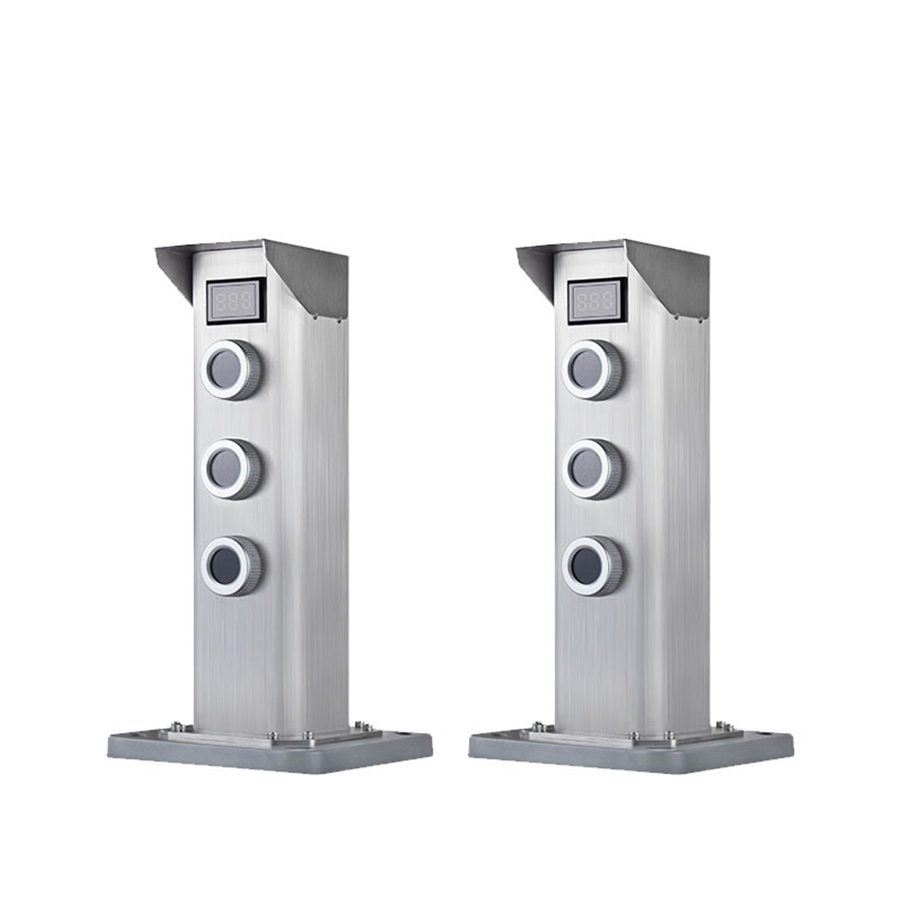
DDSK-J Series Outdoor Laser Beam Sensor 500 meters
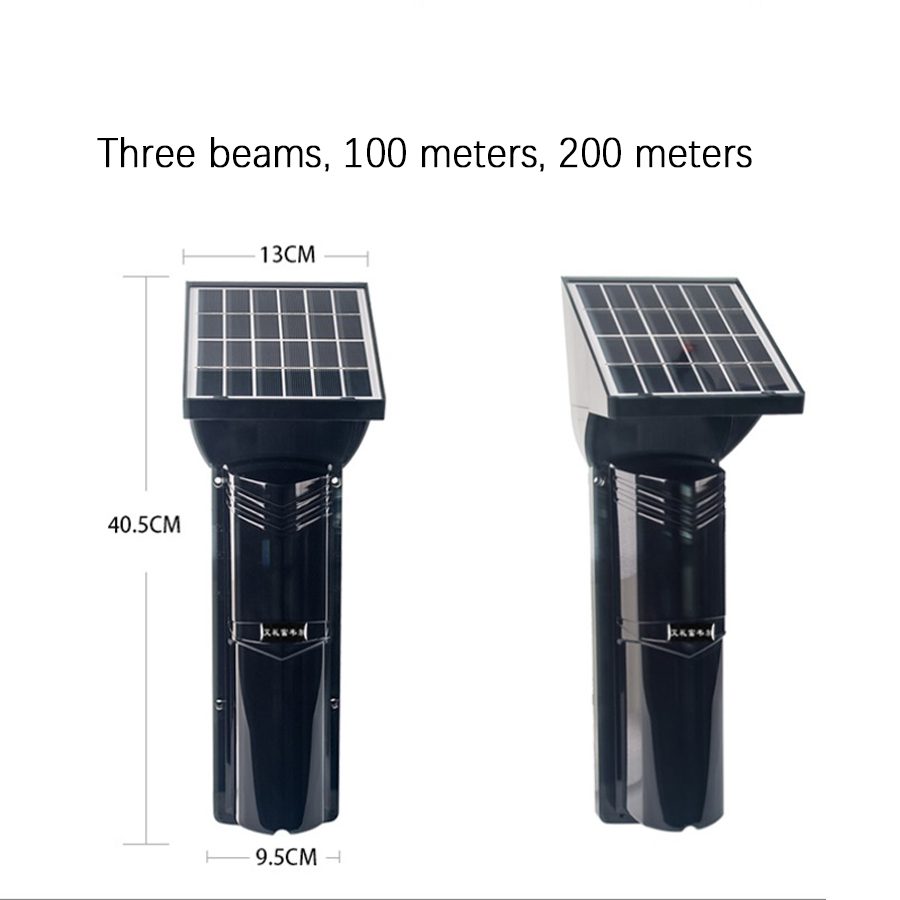
JHW Solar Wireless Infrared Anti-Tamper Detector for Perimeter Walls
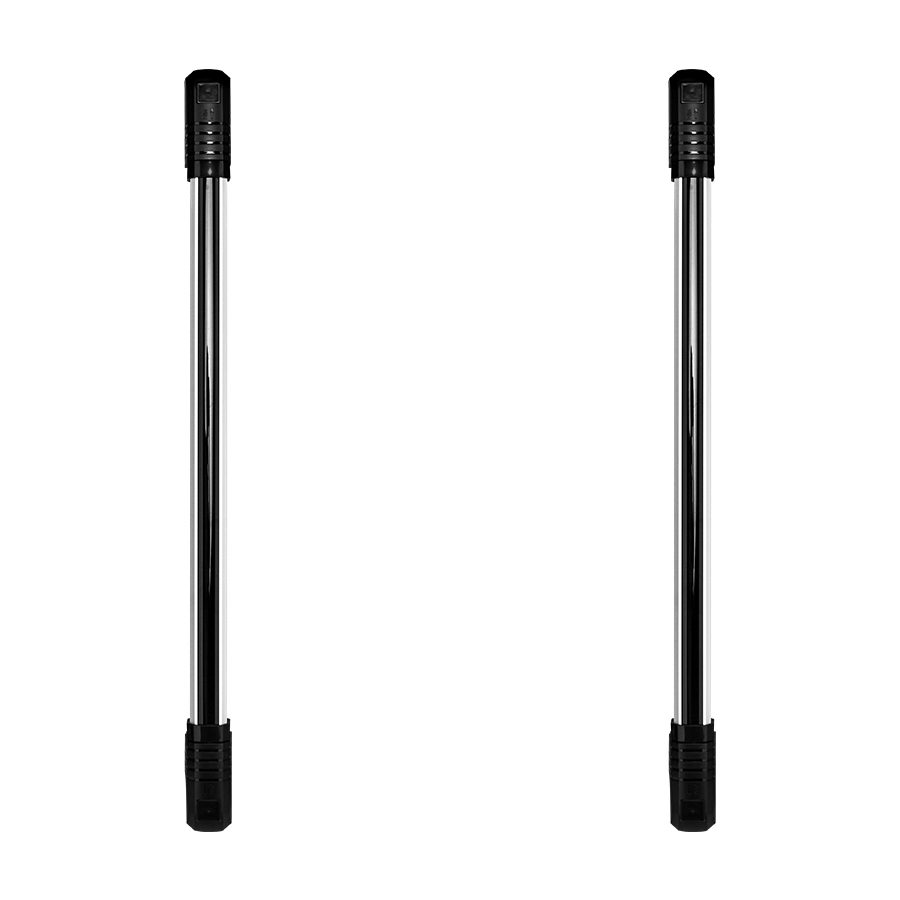
AKT outdoor waterproof infrared beam grating detector perimeter railing
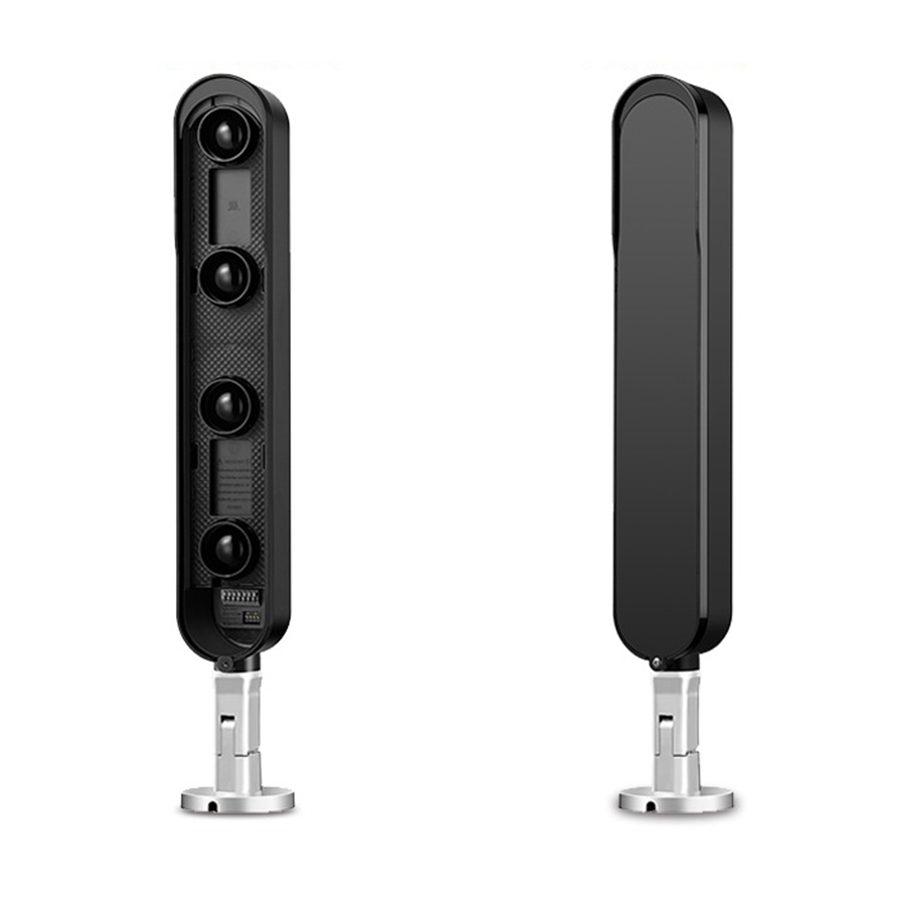
JNS Series Wired Infrared Detector Anti-Sunlight Anti-Theft
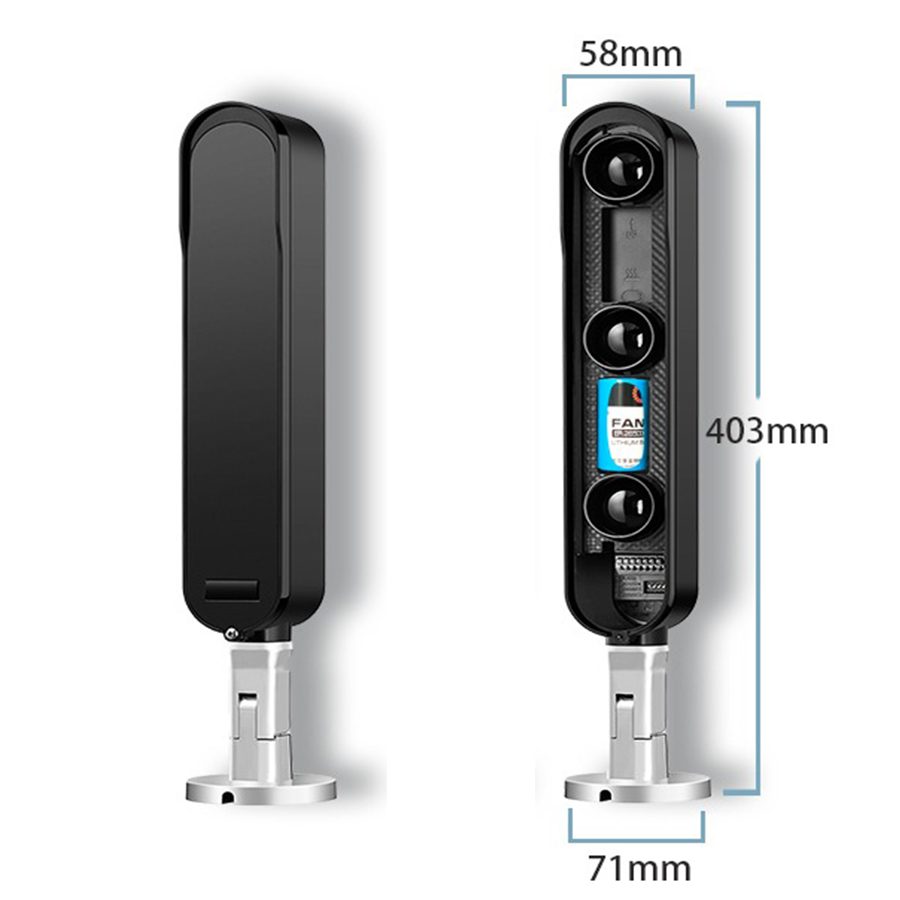
ABF Series Battery-Backed Infrared Duplex Wireless Sound and Light Alarm
An appropriately specified safety light curtain forms part of a validated machine-protection function. Its exact model rating, compatible safety interface and stopping-distance assessment must be checked; a series name alone does not establish suitability. The outdoor products on this page instead detect perimeter intrusion and send an alarm or notification. The historical phrase 'safety protection light grating' does not mean these outdoor alarm detectors are personnel-protective safety devices.
Beam detectors monitor interruption of a defined optical line; PIR sensors monitor infrared changes within their detection pattern; cameras can provide images and configured analytics. Range, nuisance alarms and low-light performance depend on the exact device and scene, not a universal ranking. These technologies can complement each other, but the verification logic must not unintentionally suppress a genuine intrusion event.
Installation includes site surveying, stable mounting, optical alignment, power checks, receiver or panel configuration and functional tests. Battery or solar power does not remove those steps. Check the exact instructions and local installation requirements; use appropriately competent installers, particularly for mains work, long spans and integrated alarm systems. Verify every zone at the receiving panel before handover.
Set inspection and cleaning intervals from the model instructions and actual site exposure. Check alignment, vegetation, contamination, enclosure damage, power and alarm reporting, and retest after movement or repairs. ABF's published approximately three-year battery life is not a guaranteed replacement interval for every site. JHW solar units still need panel, battery and charging checks; neither annual cleaning alone nor indefinite maintenance-free operation is guaranteed.
A phone or cloud notification requires a compatible receiver or alarm panel and a supported network service. Check the detector's contact or radio interface, the required receiver, zone supervision and available notification functions. A shared radio frequency does not establish protocol compatibility, and not every panel accepts a wireless detector directly. Verify reporting and loss-of-communication behaviour in the assembled system.
Detector response, alarm-output duration and notification delivery are different timings. DDSK-J's factory sheet lists selectable 50 / 100 / 300 / 700 ms response and separately lists 1.5 s alarm time. Receiver processing, network availability and phone services add their own delays. Record the selected setting and test the complete alarm path; there is no verified category-wide guarantee of a phone notification in less than one second.
Content updated: 2026-09-06. Detector response values above come from the DDSK-J factory selection sheet and are not guarantees for another model or a phone / cloud service.