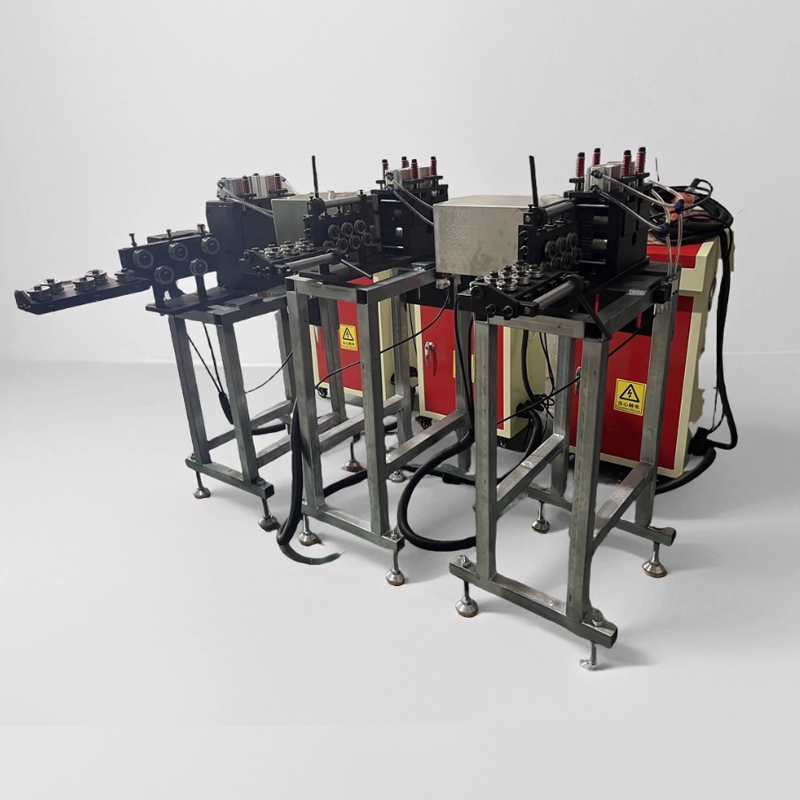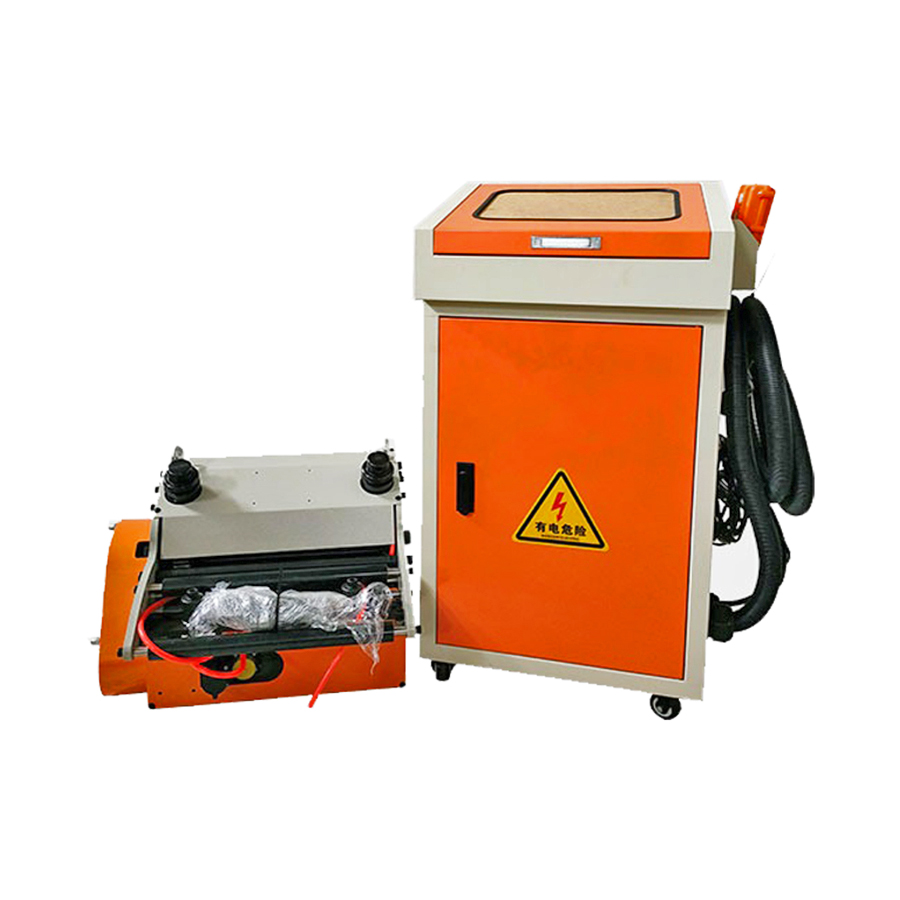
NCF Servo Roller Feeder for Press Machine

Press feeding and coil-handling systems
Compare decoilers, straighteners, NC servo feeders and pneumatic feeders for stamping press automation. Start with the material and production requirements, then coordinate the feed line with the press interface and a separately validated safeguarding system. See the full DAIDISIKE product catalog for other industrial sensor, machine-safety and automation families.
Browse six existing equipment pages covering servo and pneumatic feeding, coil support, straightening and custom wire handling. Final specifications are confirmed against the application data supplied with the request for quotation.
Material flow plus safeguarding
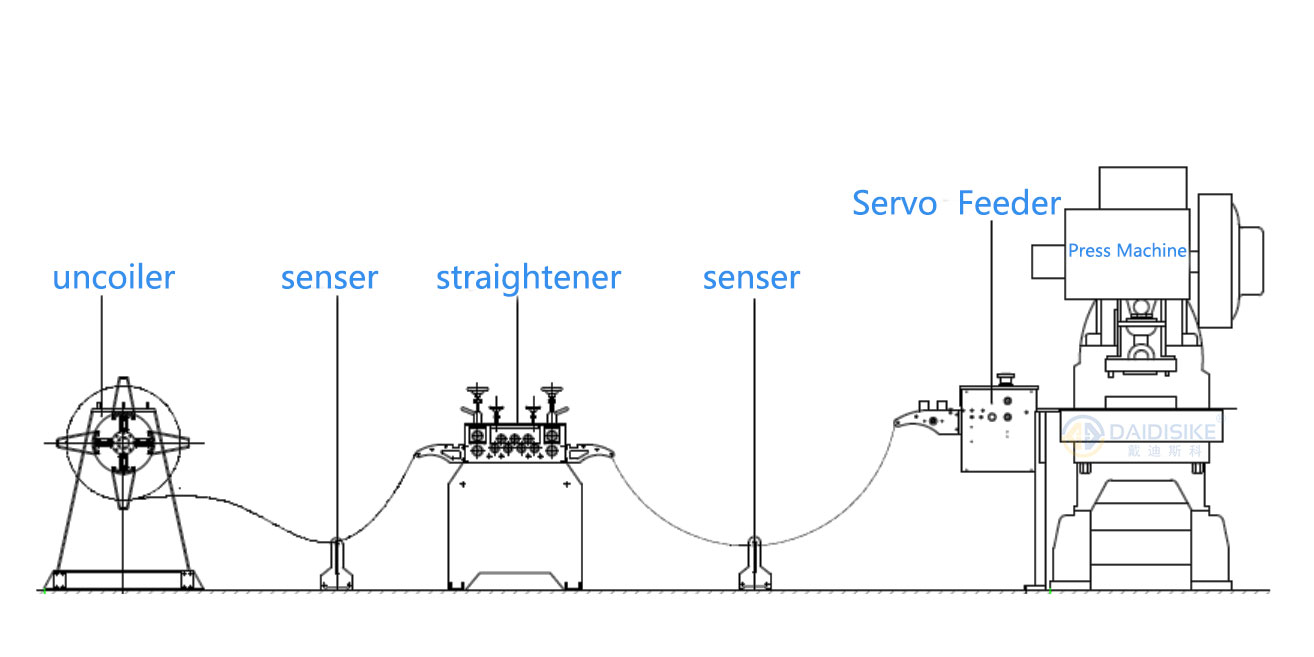
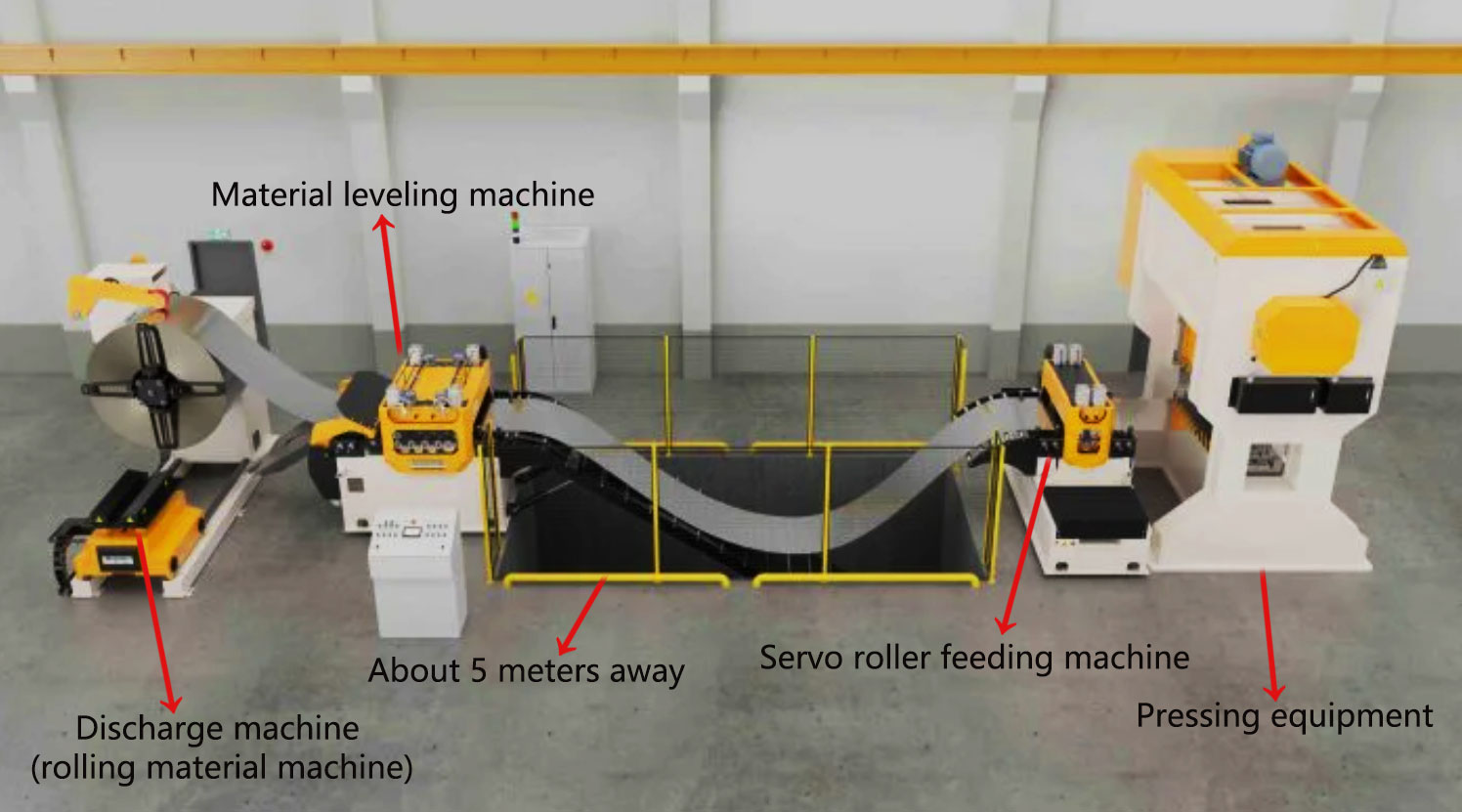
The first four stages describe material flow. The guard and safety control form a separate protection layer and must be designed from the machine risk assessment; they are not ordinary production-control accessories.
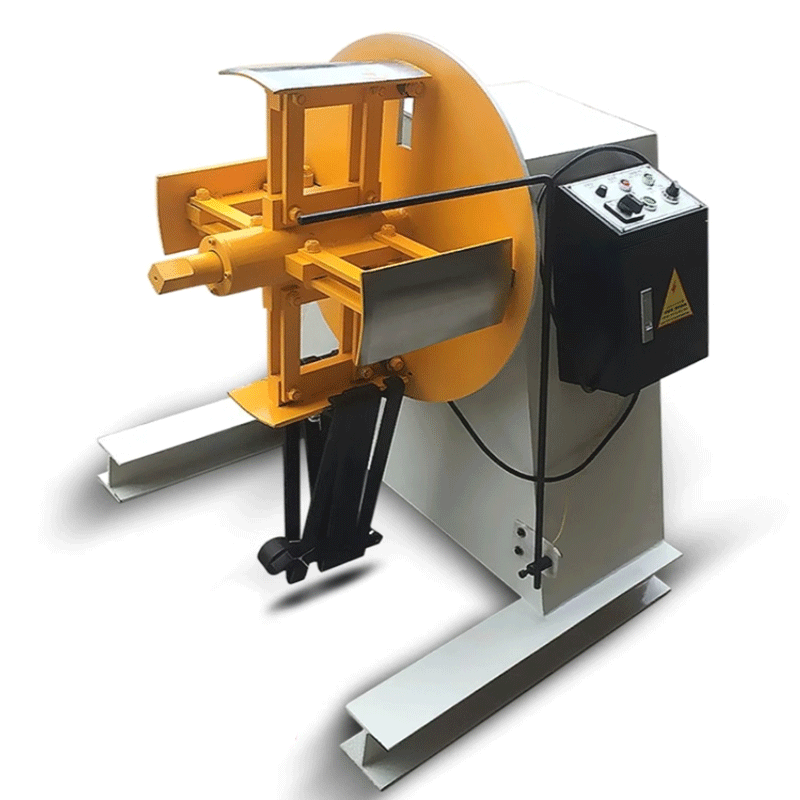
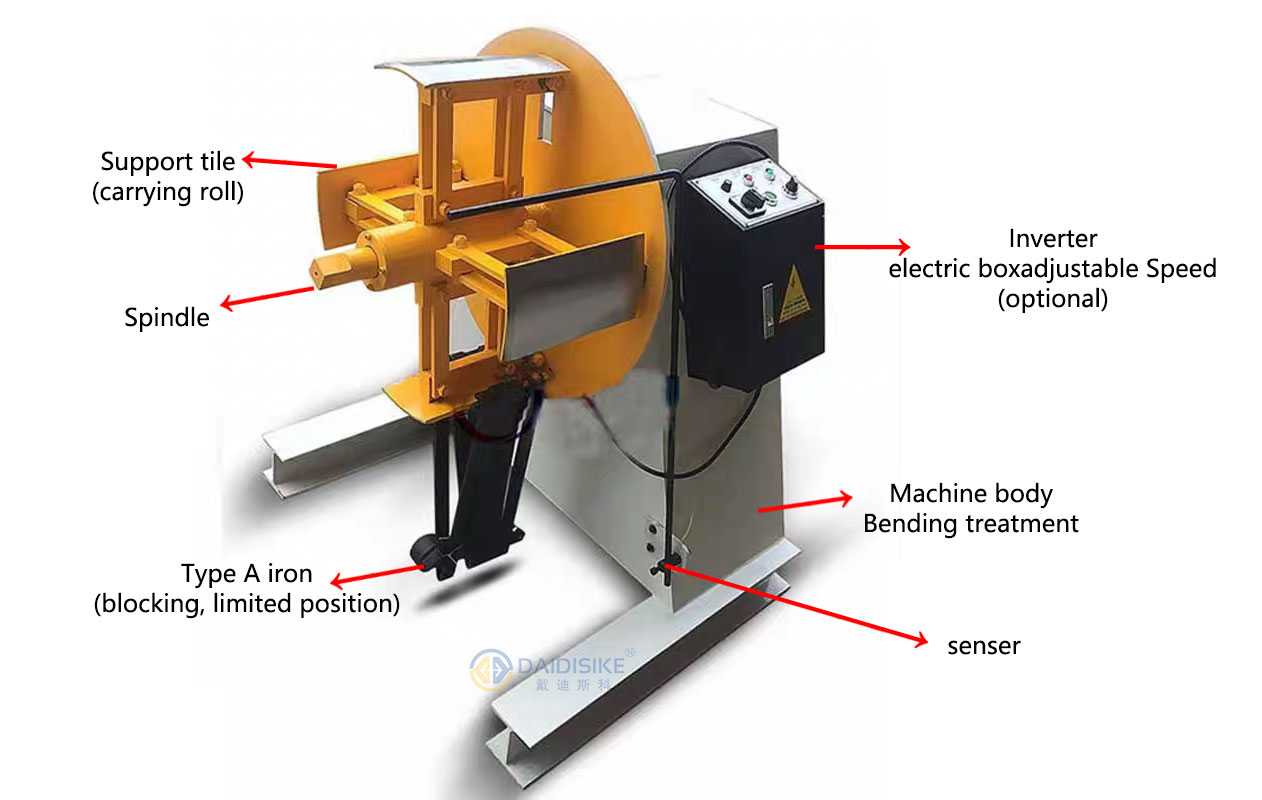
Support and unwind the coil for the next handling stage.
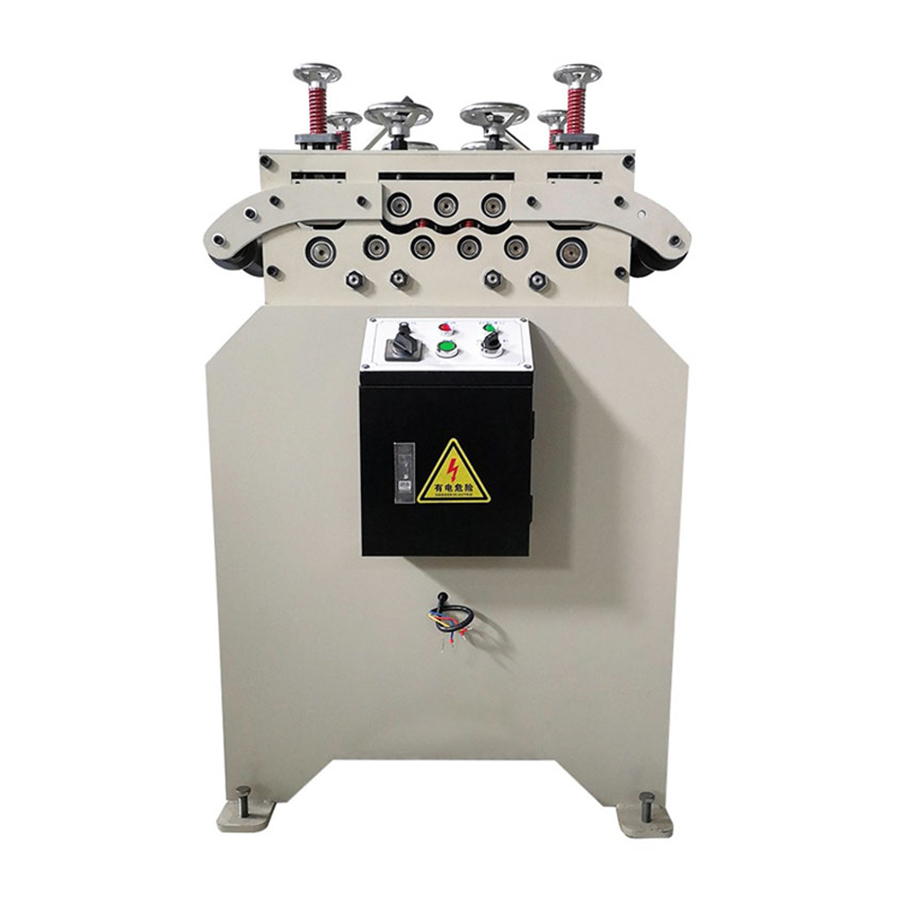
Correct coil set before the material enters the feeder.
Advance material to the pitch required by the tooling.
Prepare a complete RFQ
Supplying these fields prevents a feeder from being selected only by nominal strip width. The coil, process, press and site limits must be evaluated together.
Before choosing by strokes per minute alone, work through the air-feeder sizing and available feed-window checks. For a servo-driven NCF, distinguish the electric feed drive from the pilot-release method and compressed-air requirements.
Typical production duties
Application examples do not establish the capacity of a specific model. Confirm the ordered configuration against the actual coil, press, tooling and acceptance criteria.
A practical timeline from manual to mechanical, then to servo, integration and digitalization — with DAIDISIKE product information for NC servo feeders, coil support and straightening equipment, and project-based uncoiling–straightening–feeding architectures to guide selection and upgrades.
Before the late 1970s, most stamping lines in China relied on manual feeding and foot-operated presses. Operators pushed strip or blanks into the die area by hand on mechanical clutch presses — high labor intensity, unstable takt, and elevated safety risk.
As light industry and metal-goods manufacturing took shape in coastal regions (Shanghai, Suzhou, Ningbo, Dongguan, Foshan), factories began experimenting with simple mechanical feeders based on gear, cam / ratchet, and roller mechanisms — gear feeders, roller feeders, and air (pneumatic) feeders. Accuracy and repeatability were limited, but the trajectory from “manual” to “mechanical” was set.
From the mid-to-late 1980s, China entered an automation awakening. NC servo feeders, 2-in-1 decoiler–straighteners and 3-in-1 (uncoiler–straightener–feeder) systems from Taiwan / Japan entered the mainland. By ~1985–1995, coastal factories accelerated coil-based, takt-driven production; by the late 1990s, local firms were developing mechanical and pneumatic feeders that reduced dependence on manual material advancement.
The mainstream applications were home appliances, lighting, and daily hardware. The triad of press + feeder + die took shape in Guangdong and Zhejiang and laid the groundwork for the next steps — servo and line integration.
In the 2000s, domestic manufacturers shifted from imitation to local R&D, focusing on accuracy, stability, and whole-line collaboration:
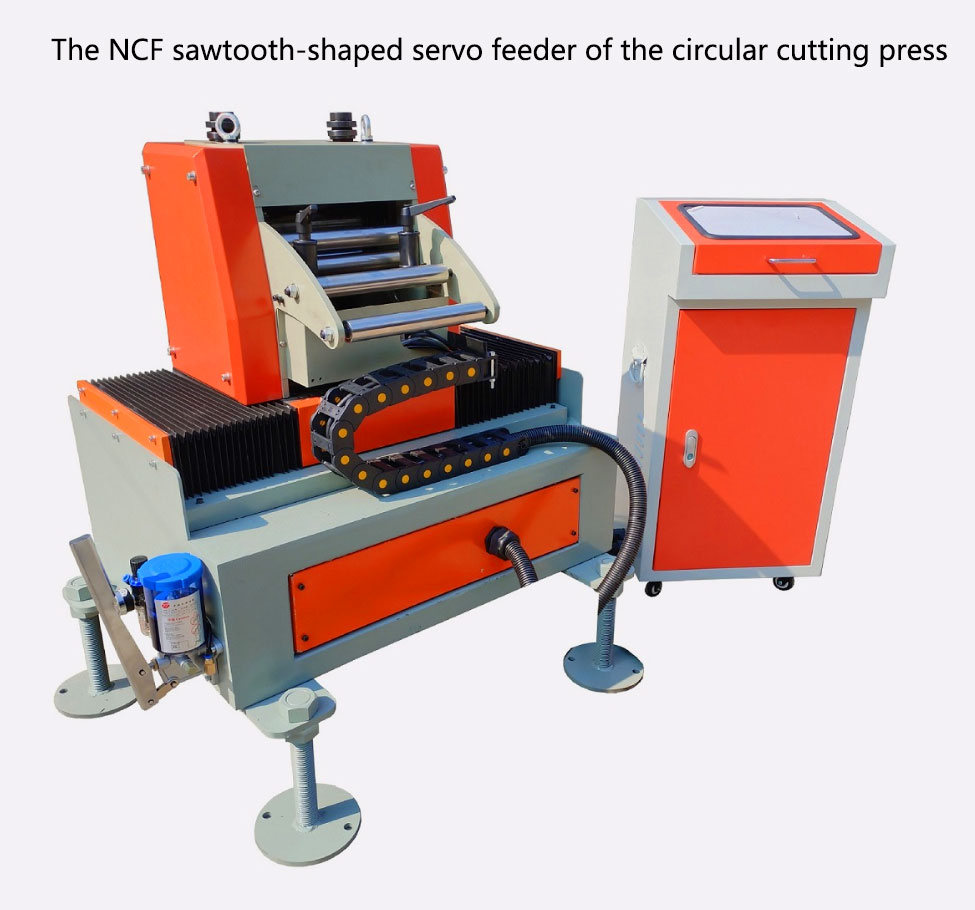
DAIDISIKE concentrated on standardized, replicable solutions around NC servo feeders and coil feeding lines, streamlining selection–commissioning–training–maintenance and helping users migrate from single-machine automation to whole-line automation.
With Industry 4.0 and “Made in China 2025”, stamping lines have moved toward integration, data, safety and energy efficiency:
These are industry development directions, not a statement that every function is available in the six products listed on this page.
| Direction | Description |
|---|---|
| Adaptive process control | Future and project-specific systems may use measured material and process data to assist parameter adjustment. |
| Digital twins | Virtualized equipment models for remote monitoring, predictive maintenance and energy optimization. |
| Unmanned stamping lines | Robots + inline vision + AGVs for multi-machine linkage with fewer operators. |
| Green manufacturing | Energy-regenerative servos, low-noise enclosures and oil-mist control to balance efficiency and compliance. |
Manual → Mechanical → Servo → Intelligent → Digital summarizes 40+ years of evolution in China's punch press feeders. The market moved from “have it” to “stability and efficiency”. Current DAIDISIKE feeder and coil-handling equipment can be evaluated for repeatable material flow. Integrated 3-in-1 arrangements are project-specific and must be confirmed before quotation.
Use these focused guides to compare feeder types, prepare the selection data, diagnose feed problems and plan a safe press-line retrofit.
Compare control method, changeover, pitch requirements and suitable press duties.
Choose a release arrangement around tooling, press timing and available utilities.
Understand the clamp, feed, release and return cycle before specifying an air feeder.
Prepare the material and production data needed for a responsible feeder selection.
Check air supply, grip, timing, alignment and material tension in a logical order.
Plan the topology, interlocks and emergency-stop interfaces for an integrated project.
Coordinate material automation with a separately validated machine-safety function.
Review a staged modernization path for feeders, controls and safeguarding.
Consider an NC servo feeder when the process needs programmable or multi-stage pitch, frequent recipe changes, tighter repeatability, or closer coordination with the press and line controls. Confirm the final choice against the material, tooling and production target.
Compare the available floor space, coil range, changeover method, maintenance access, press interface and retrofit constraints. A project-based 3-in-1 layout may consolidate the functions, while separate equipment can provide more layout flexibility. Availability and performance must be confirmed for the specific project.
Provide coil material, width, thickness, yield strength, coil weight, inner and outer diameter, feed pitch, target strokes per minute, required accuracy, press signal, utilities and available footprint.
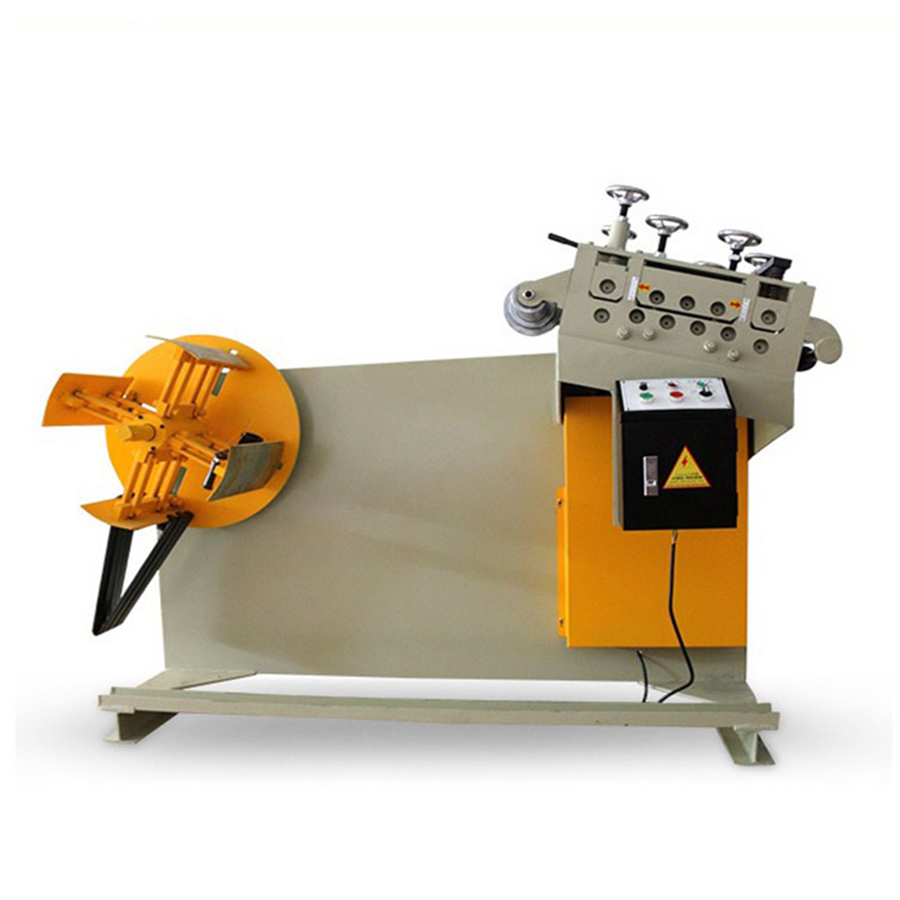
The material normally moves from the decoiler to the straightener, then through the feeder into the punch press. The point-of-operation guard and safety control form a separate safeguarding layer around the hazardous machine area.
Not by itself. The safety-related control system must be selected and validated from the machine risk assessment, required safety performance and applicable standards. Standard process-control functions must not be treated as a substitute for validated safeguarding.
Agree measurable acceptance criteria for feed repeatability, material flatness, press synchronization, alarm behavior, sustained production runs and output quality. Record the agreed results during factory and site acceptance testing.
For plant managers, manufacturing engineers and tooling / process leaders who need a clear, engineering-grade basis to choose between a servo (NC) feeder and a pneumatic feeder on stamping lines.
Driven by a servo motor and reducer, the feeder rolls / gears are controlled in closed loop by an encoder. An HMI / PLC coordinates multi-segment pitch, speed and accel / decel curves, and links to the press crank via angle / encoder or photoelectric signals. Core traits: high positional accuracy, repeatability, programmable control, strong adaptability to varying materials and takt requirements.
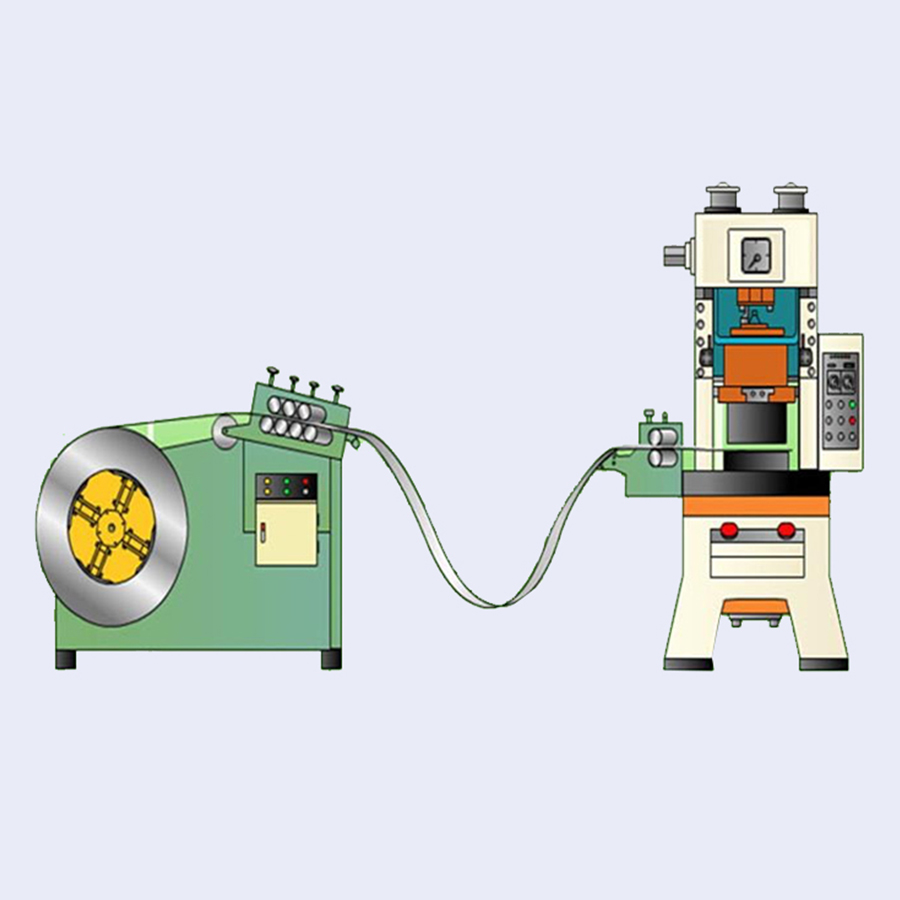
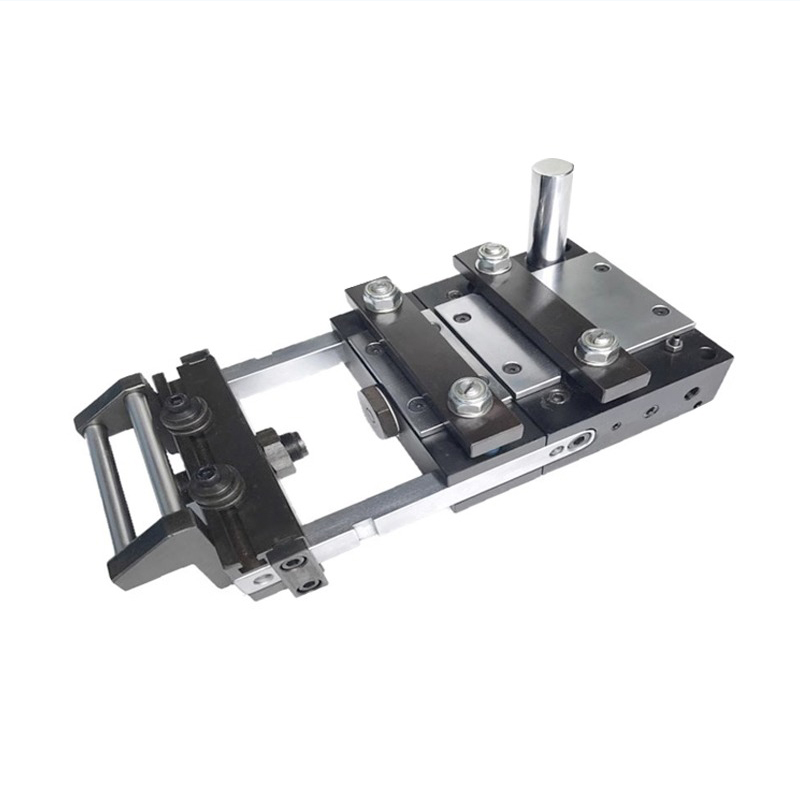
Powered by cylinders that alternate clamp–feed–release–return, or by pneumatic pinch rolls. Pitch and takt are tuned via mechanical stops or throttling valves and typically triggered by the press signal. Core traits: simple architecture, low upfront cost, easy to maintain and train; accuracy and takt stability depend heavily on air supply quality and friction state.
| Index | Servo (NC) Feeder | Pneumatic Feeder |
|---|---|---|
| Positioning consistency | Model- and setup-specific; closed-loop programmable control | Model- and setup-specific; influenced by air supply, stops and friction |
| Pitch / Speed | Programmable multi-segment; stable for long pitch & high SPM | Stable at short / medium pitch; long pitch or very high SPM more prone to jitter |
| Changeover | Recipe-based where supported by the ordered controller | Mechanical / air tuning; depends on the feeder configuration |
| Material Fit | Wide — thin / soft, high-strength steel, coated / film | More sensitive to surface, thickness, tension changes |
| Synchronization | Precise with press angle / encoder | Solenoid / limit based; coarse angle sync |
| Diagnostics | Alarms, history, easy traceability | Primarily experience-based troubleshooting |
| Utility | Electrical power; requirements depend on the servo and controls | Compressed air; pressure, flow and air quality must be verified |
| Maintenance | Low – medium; cleaning / lube / calibration | Low; air circuit, seals, jaws / ways wear |
| CapEx | Medium – High | Low |
| Total Cost of Ownership | Medium (offset by yield / uptime / energy control) | Medium (low CapEx but potential yield / air / stop-time penalties) |
Note: Figures are engineering ranges. Actuals depend on material, lubrication, coil tension, line rigidity, tooling condition, installation and tuning quality.
| Scenario | Recommended | Rationale |
|---|---|---|
| Electronics / connectors / motor rotor-stator; high-speed terminals | Servo feeder + suitable straightener or project-based integrated layout | Multi-segment pitch, high SPM and quality targets require model review |
| Automotive / transport (high-strength steel, aluminum) | Servo feeder with a confirmed coil-handling layout | Material strength, surface and line rigidity require project review |
| Home appliances / lighting / general hardware, moderate precision | Pneumatic feeder or economical servo | Decide by takt and changeover frequency |
| High mix / frequent changeovers | Servo feeder (recipe) | Fast changeover, traceable parameters |
| Legacy line retrofit | Feeder selected for the process; safeguarding engineered separately | Production automation and the safety function require separate validation |
Isolate hazardous energy before physical checks or adjustments. For a progressive pitch error, use the misfeed, slipping and feed-drift diagnostic guide to distinguish grip, air supply, timing and material tension. Exact-model limits govern; do not transfer another manufacturer's setup values.
Content updated: 2026-09-06. Selection links and utility/safety boundaries reviewed; historic industry timeline is background, not evidence of a particular machine's performance.
There is no universally “better” feeder — only a solution that best fits your accuracy, takt, material, changeover, energy and data constraints. If you aim for stable mass production, first-pass yield and traceability, a Servo (NC) feeder is usually the stronger process fit. If you need a budget-sensitive retrofit for moderate takt, a Pneumatic feeder delivers value now while leaving an upgrade path for the future.