Safety Relay Modules
Compare documented input modes and safety-function requirements for emergency stops, light curtains, guard switches and two-hand controls.
Explore Safety Relay Modules
DAIDISIKE offers safety relays, delay relays, optocoupler boards, serial I/O modules and micro PLCs for different control-panel tasks. Start by separating the protective safety function from process timing, signal interfacing and programmable sequencing. This catalog helps engineers and buyers reach the appropriate family and then check the exact model's documentation.
For a light curtain, emergency stop or guard device, match its electrical interface and required safety functions to a documented safety-relay configuration. For press or conveyor process control, compare the ordinary timing and I/O options separately. Confirm supply, load, environment and mounting against the ordered model rather than assuming one specification covers the whole range.
The range covers two distinct design decisions: selecting a documented safety relay for a protective circuit, and selecting ordinary modules for time delay, linkage control, remote operation or serial communication. Optocouplers, timers and the micro PLC can support process-control layouts, but cannot replace the required safety-related logic. Check the individual product for OEM integration or retrofit constraints.
The modules cover a wide range of applications, including safety relay selection for press brake light curtains and power press guarding, delay relay modules for hydraulic presses, conveyors, and motor start/stop sequencing, optocoupler relay I/O modules for PLC/microcontroller isolation and industrial signal interface, Ethernet-to-serial and serial I/O modules for remote monitoring, distributed I/O, and IoT gateways, as well as micro PLC modules for small machine automation, custom control logic, and relay substitution.
Explore the DAIDISIKE relay & control module collection below to find the right fit for your safety circuit, timing control, remote I/O, communication, and small PLC needs.
Compare documented input modes and safety-function requirements for emergency stops, light curtains, guard switches and two-hand controls.
Explore Safety Relay ModulesPower-on delay, trigger delay, multi-function timer relay and cyclic timer relay selection.
Explore Delay Relay ModulesRS485 relay output, digital input, combined I/O and related Ethernet-to-serial gateway modules.
Explore Modbus I/O ModulesCompact programmable relay logic for non-safety sequencing and small automation systems.
Explore Micro PLC Controller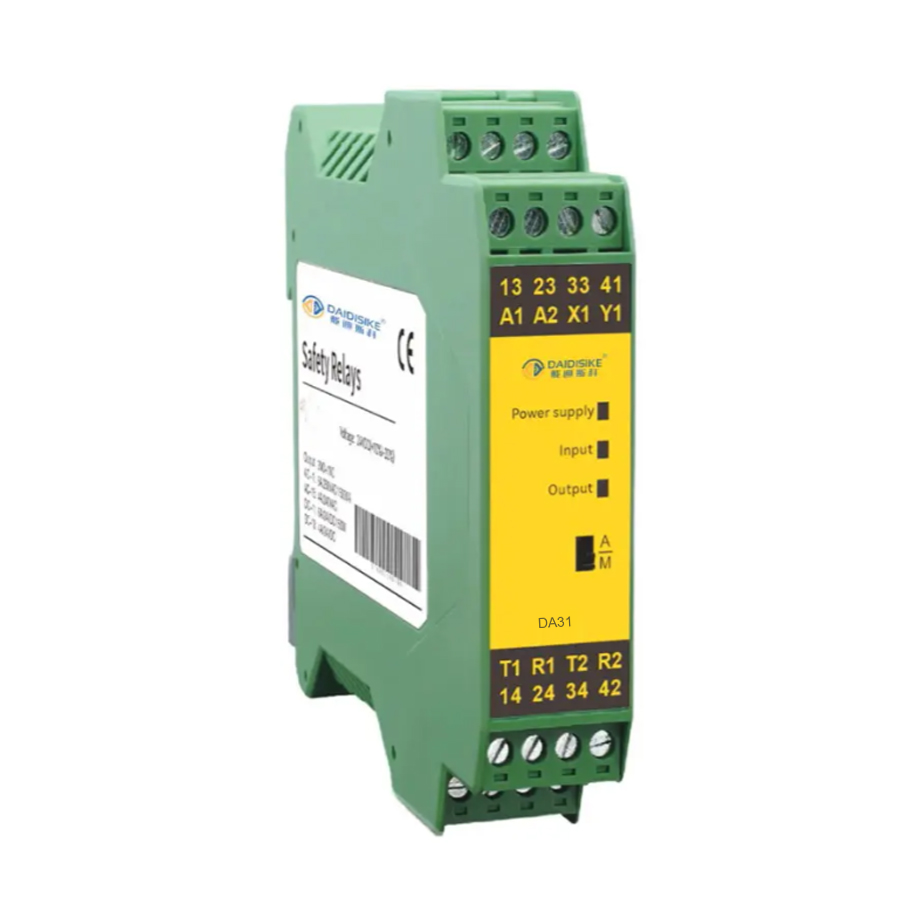
.jpg)
.jpg)
.jpg)
These four device classes look alike on a DIN rail and are constantly mistaken for one another in enquiries. The distinction that matters is not size or price — it is what happens when a part of the module fails. Only the first row below belongs inside a safety function.
| Class | DAIDISIKE models | Use it when | Why it behaves that way |
|---|---|---|---|
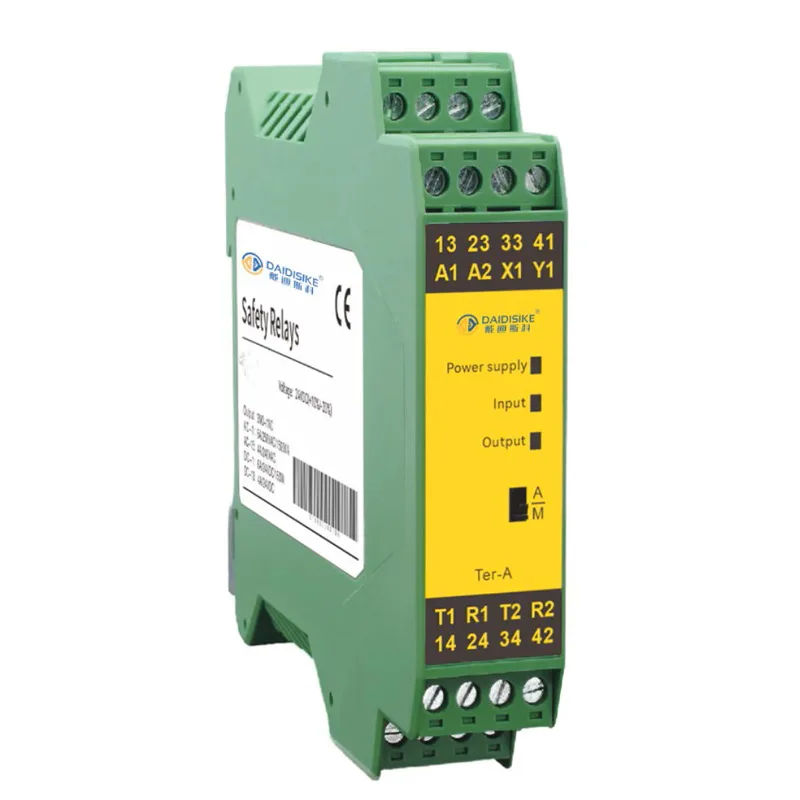
| Safety relay module | DA31, DQSRN | A protective circuit whose input device and required safety function match the exact relay's documented configuration. | Safety-related monitoring and output behaviour must be checked against the model manual and validated with the sensor and final switching elements. A safety relay's name alone does not establish suitability for every e-stop, curtain, guard or two-hand circuit. |
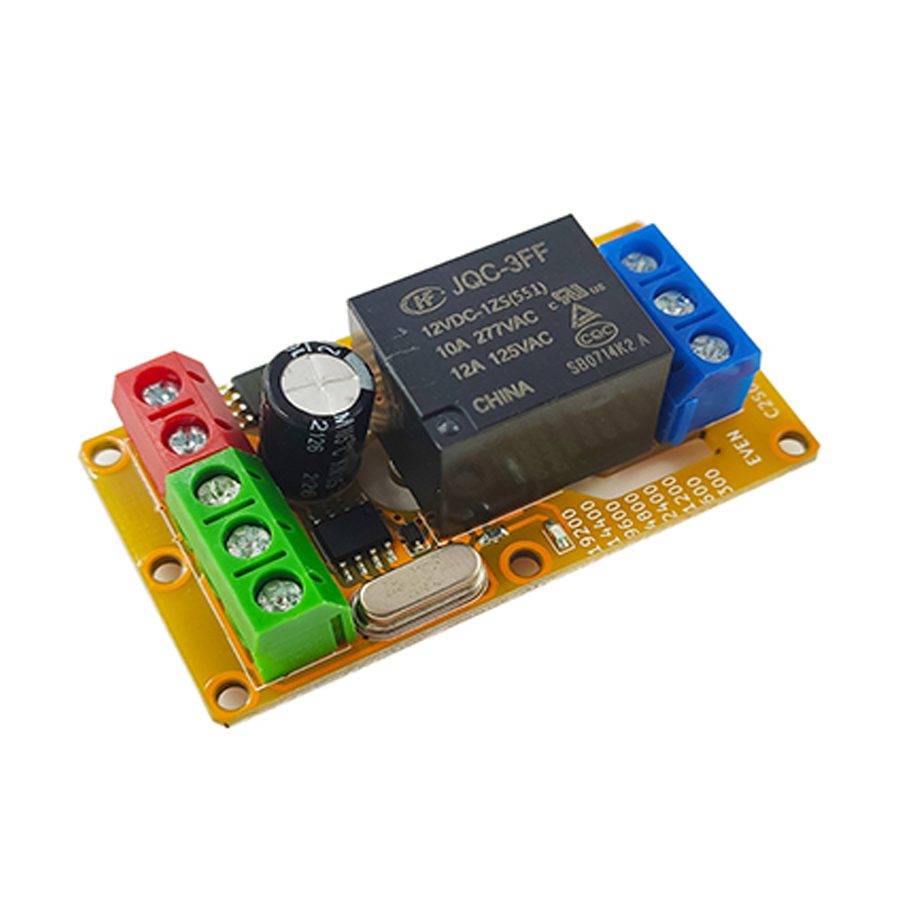
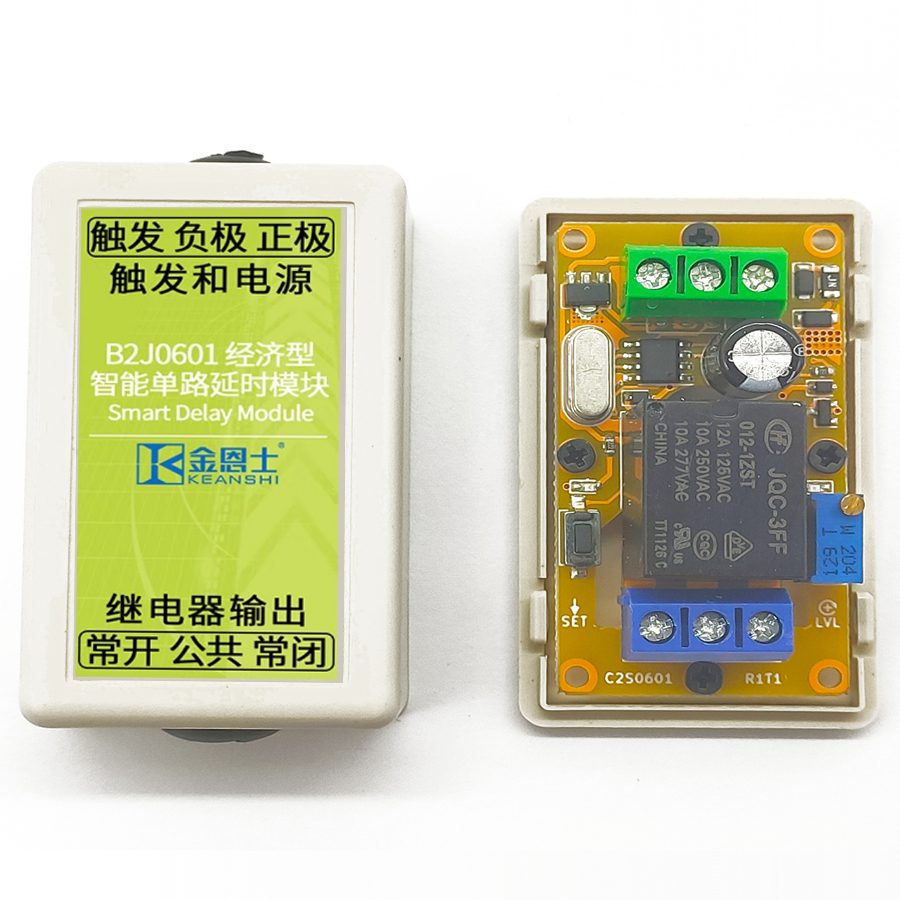
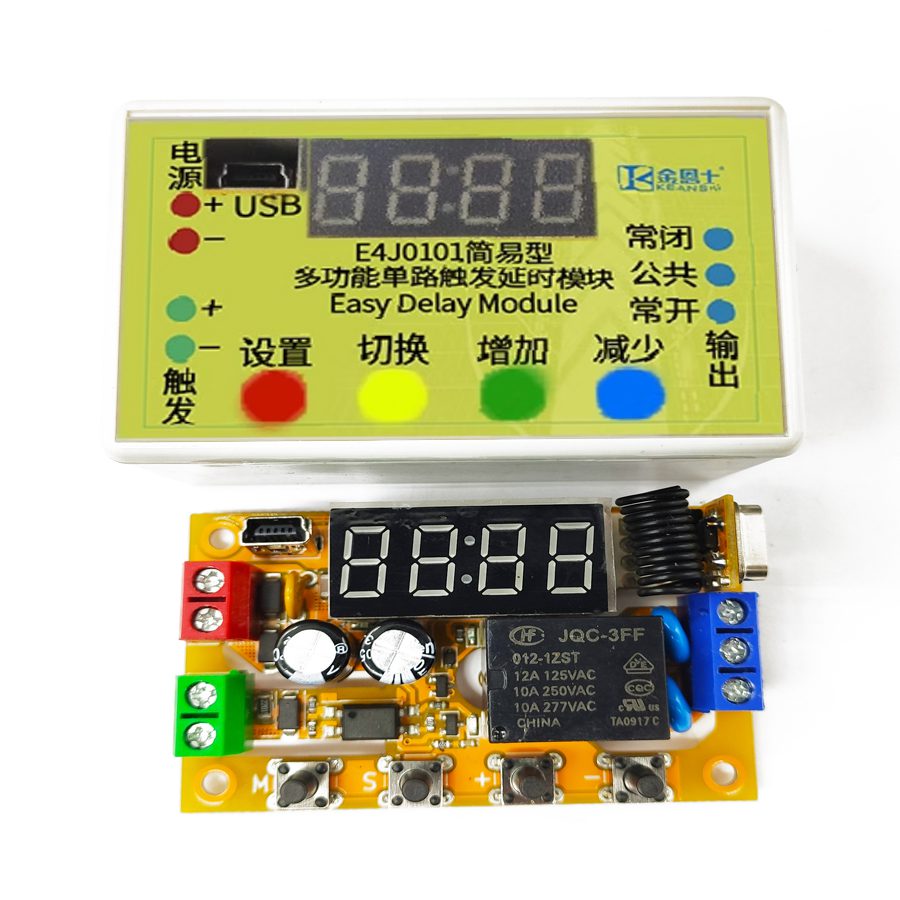
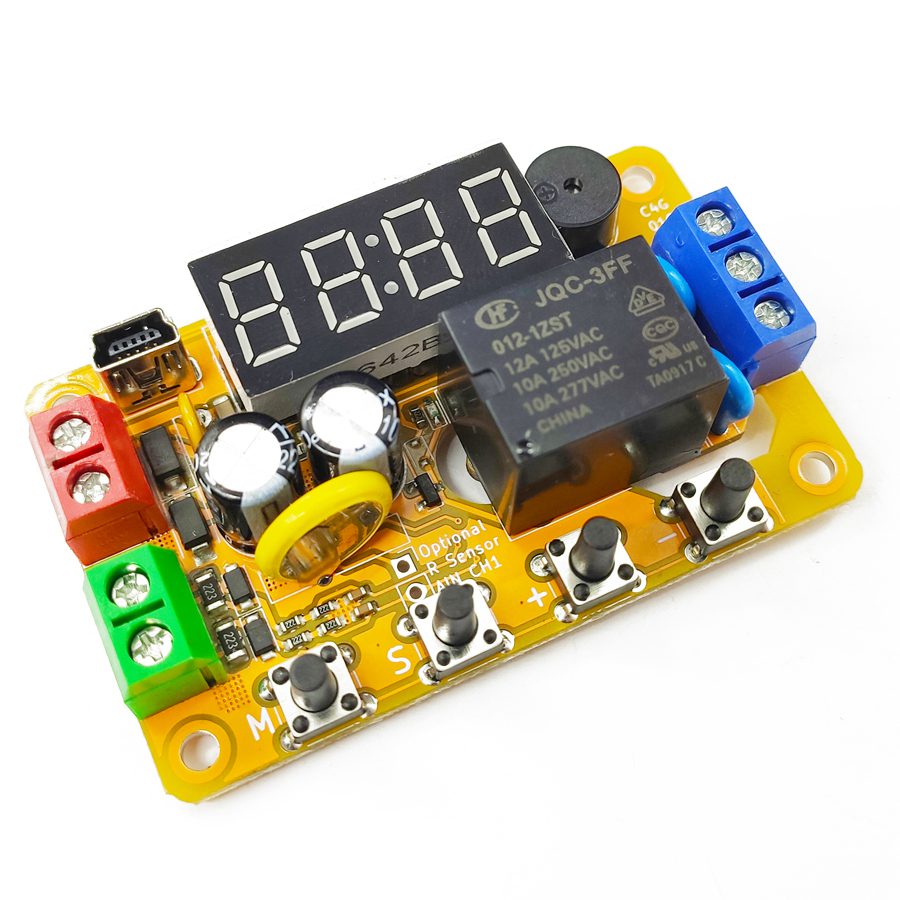
| Delay relay module | B2J0101, B2J0201, B2J0601, E4J0101, E4J0102, E4J0103 | Sequencing that is about timing, not safety: staged start-up, inrush limiting, conveyor hand-off, pump run-on, lamp dwell. | Timing and output options serve ordinary process control. These modules are not safety-rated timing elements and must not determine a protective stop or safe restart. |
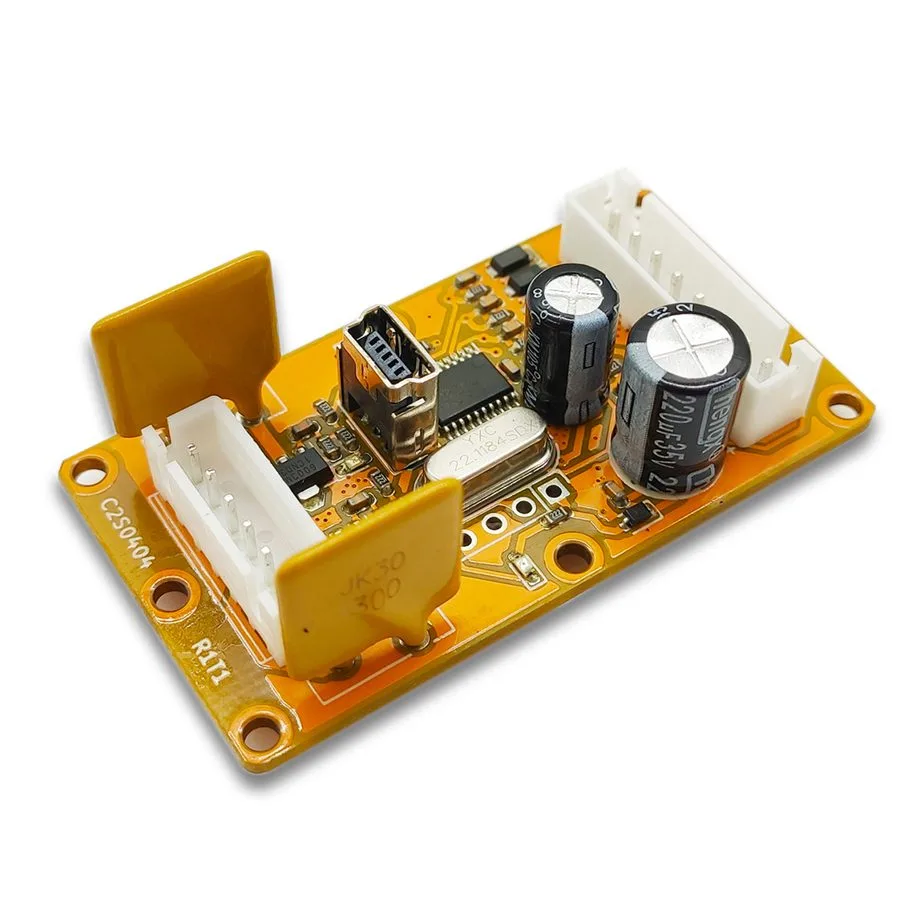
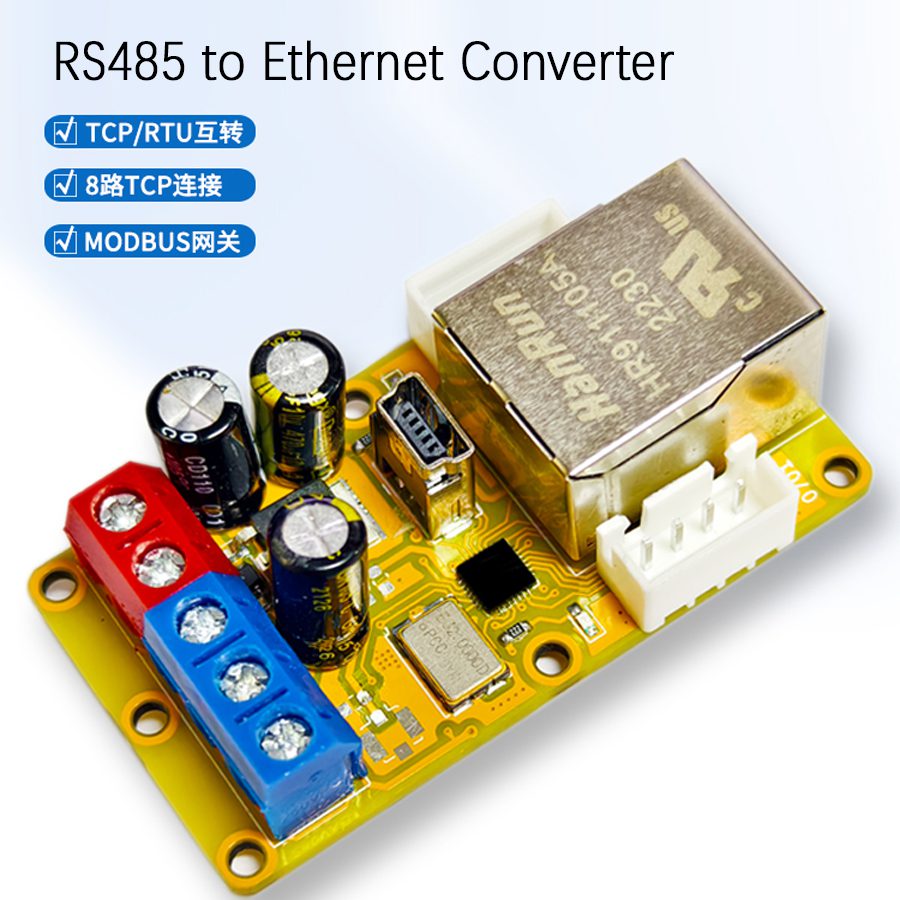
| Serial / Modbus I/O module | B2J03, B2J0401, B2J0405, D3J-01xx, D3J-02XX, D3J-03xx, D2J-0701 | Getting field signals onto a bus: remote I/O, distributed sensing, IoT gateways, SCADA points far from the panel. | RS-485 Modbus RTU carries field data; D2J-0701 adds an Ethernet-to-serial gateway task. Check the actual communication budget and failure behaviour for ordinary control. These products are not safety I/O. |
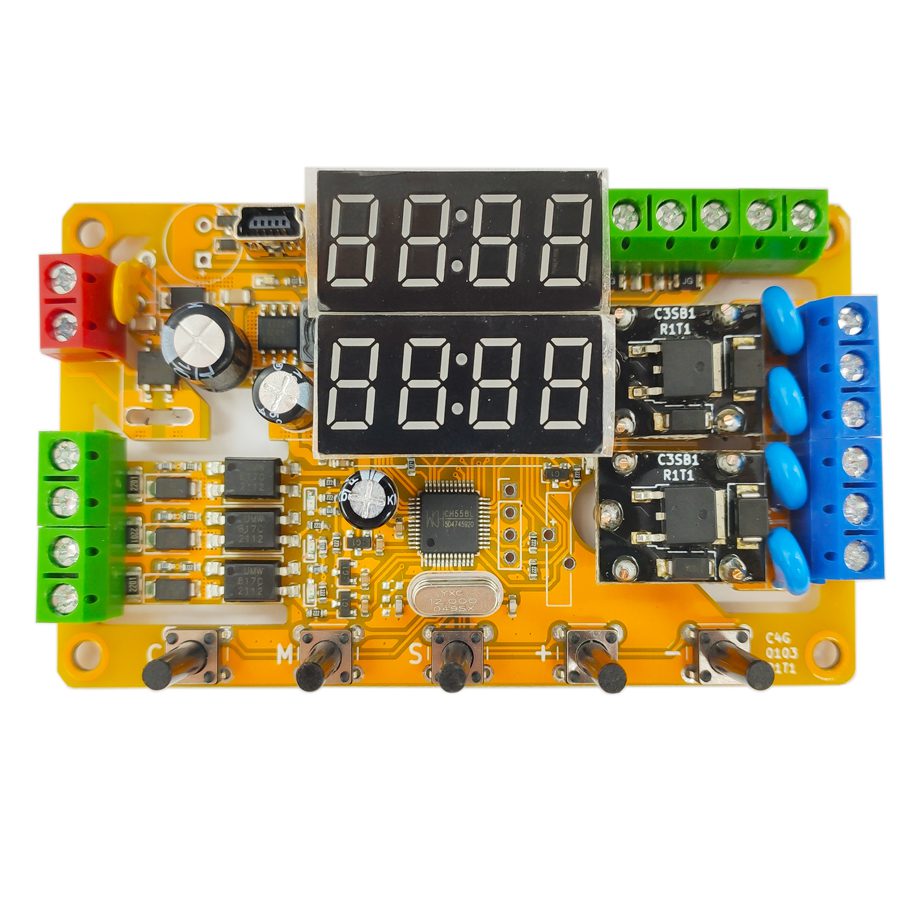
| Micro PLC module | E4J0206 | Small machines whose logic outgrew a handful of relays but does not justify a full PLC rack. | Editable, non-safety sequencing can replace interlocked ordinary relays and timers. Confirm the ordered board, enclosure and mounting option separately. |
The one rule that matters: a delay relay, a Modbus I/O module and this micro PLC are ordinary control products, not safety-rated substitutes. A protective circuit needs a documented, suitable safety-related control system. Evaluate the DA31 or DQSRN safety relay only against its exact input, output and required-function documentation, then validate the complete safety function.
Eight bench demonstrations from the DAIDISIKE channel, each showing one module being wired, configured and operated. Videos load only when you press play, so they do not slow the page down.
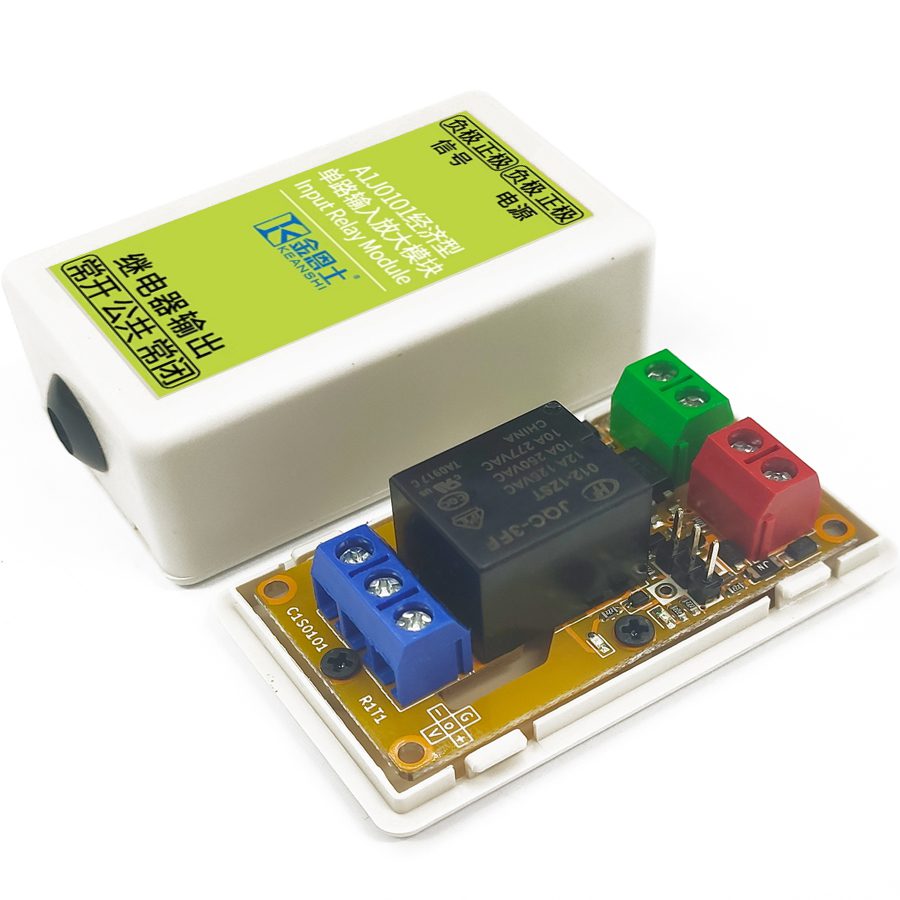
Product page: A1J0101 Optocoupler Relay Module
Product page: B2J0101 Power-On Delay Relay Module
Product page: B2J0201 Trigger Delay Module
Product page: E4J0206 Micro PLC Module
Use an appropriate safety relay — such as the DA31 or DQSRN where its documented OSSD input mode matches the curtain — not a delay or I/O module. A light curtain's OSSD pair cannot drive a contactor coil directly. EDM and reset functions are model-specific: DQSRN does not provide manual/automatic reset or EDM feedback, so do not specify those functions for it. Where the risk assessment requires EDM or monitored reset, select a controller that explicitly documents those functions and validate the complete circuit.
The distinction is the documented safety function and fault behaviour, not merely the presence of a timer or relay contacts. Ordinary delay modules provide process timing and must not determine a protective stop or safe restart. A safety relay must be selected and wired according to its documented input, output and monitoring functions, then validated as part of the complete circuit. An auxiliary status contact alone is not proof that every dangerous fault is detected.
Only after confirming that the press and its stopping system are eligible for the proposed safeguarding method. DA31 or DQSRN may be considered where the exact documented input mode, output circuit and required functions match the machine. Keep ordinary delay modules in process sequencing, not in protective stop timing. Determine the separation distance using the applicable machine requirements and positioning method, with a measured worst-case stopping time and all safety-path response times included without double counting.
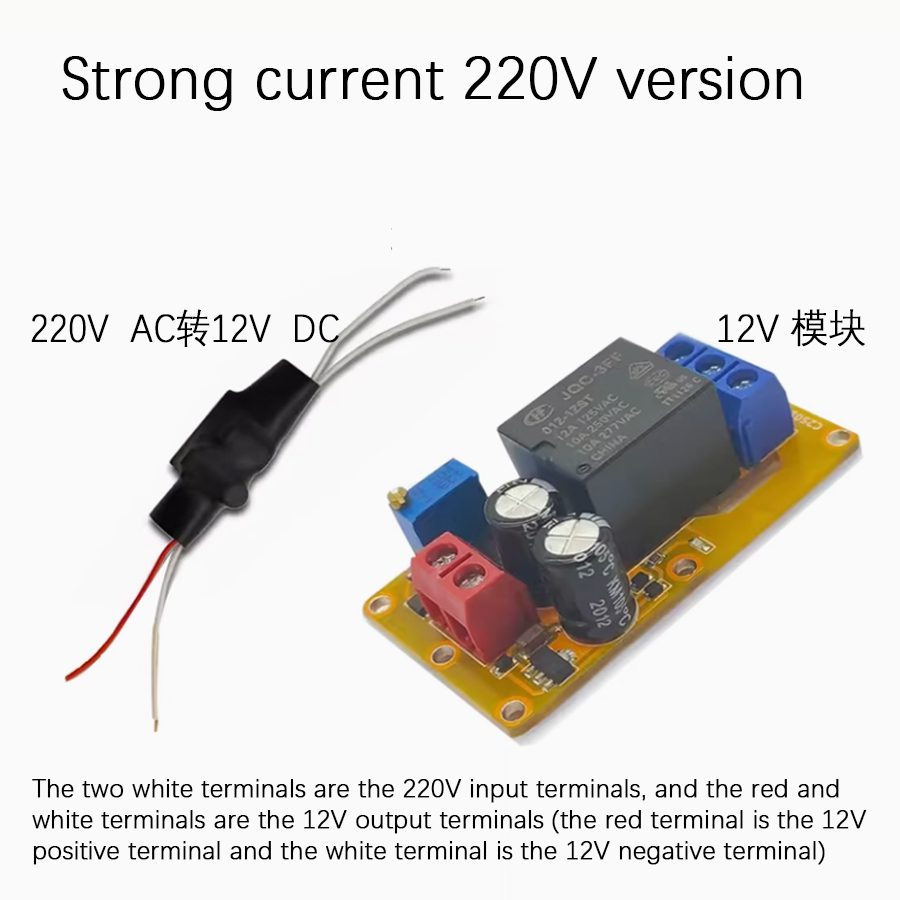
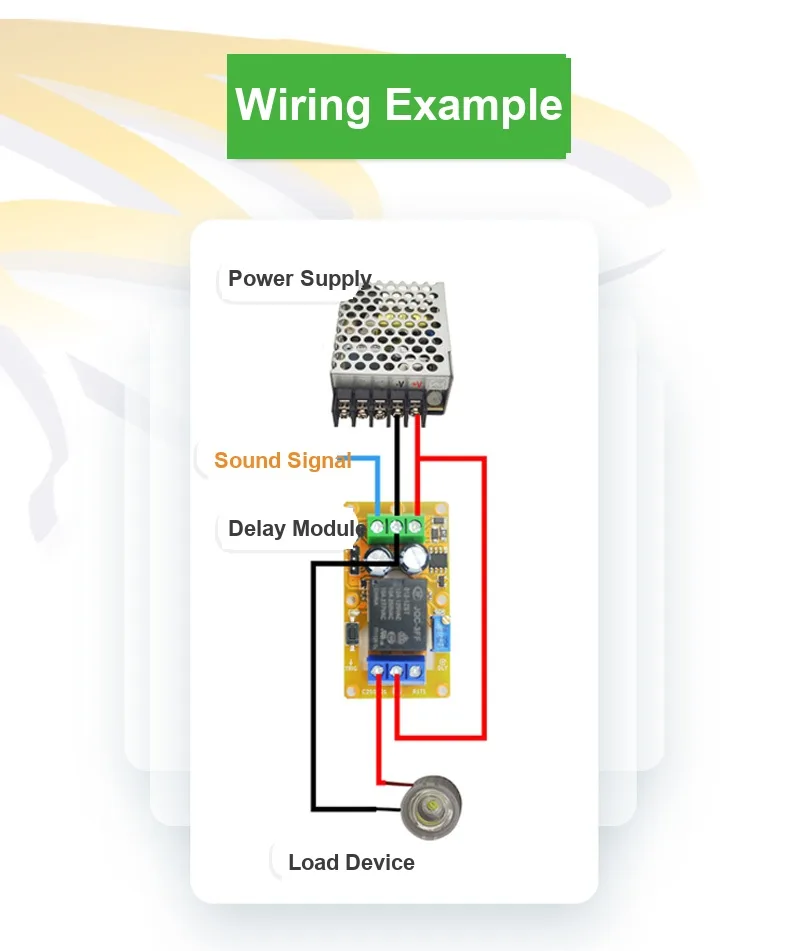
Staged start-up so several motors do not draw inrush current simultaneously; conveyor hand-off timing; pump and fan run-on after a stop command; discharge delay on capacitive loads; lamp and solenoid dwell. The B2J0101 delays after power is applied, the B2J0201 delays from an external trigger, and the B2J0601 offers multiple selectable modes when one board has to cover several timing behaviours.
When distributed ordinary I/O makes parallel signal wiring impractical. Allow separately for power, signal reference, shielding and the actual RS-485 installation requirements; a bus does not eliminate every other conductor. Check polling time, update rate, timeouts and output behaviour after communication loss against the process needs. These ordinary Modbus modules must not carry the protective safety function; that requires an appropriately specified and validated safety-related control system.
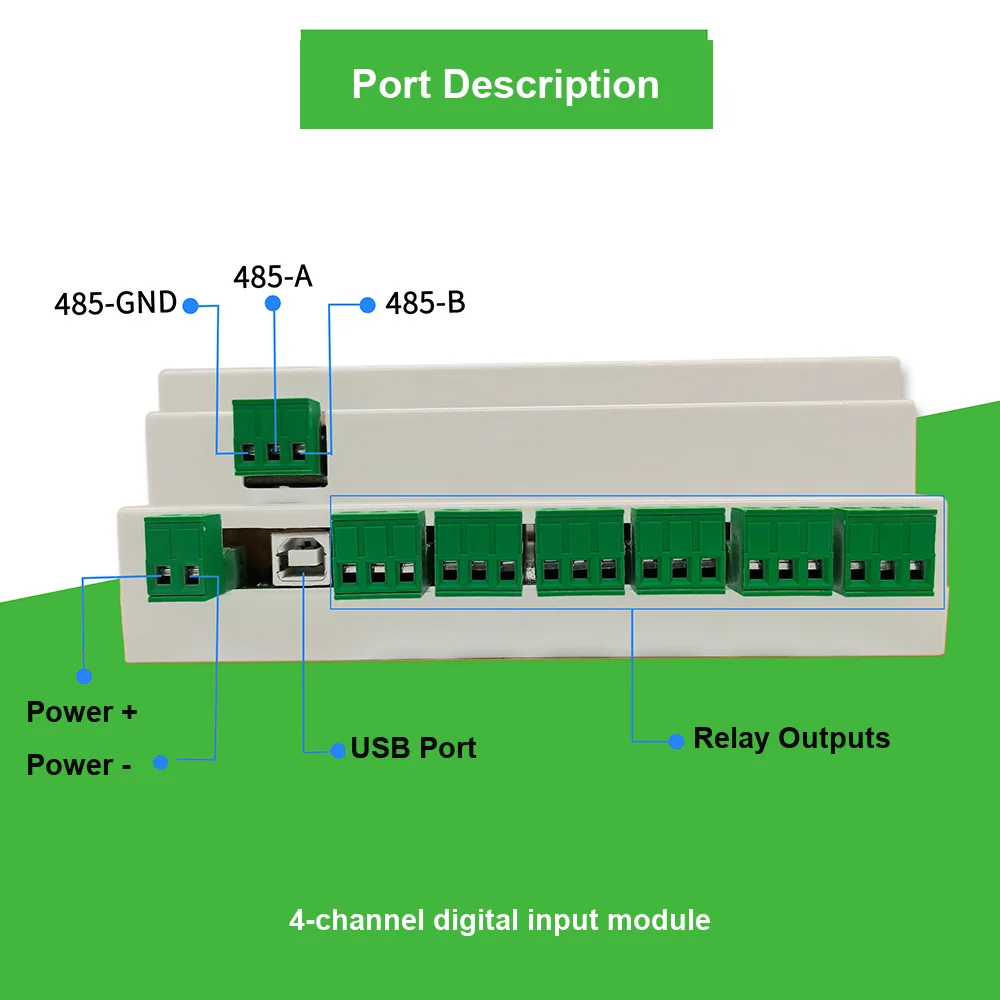
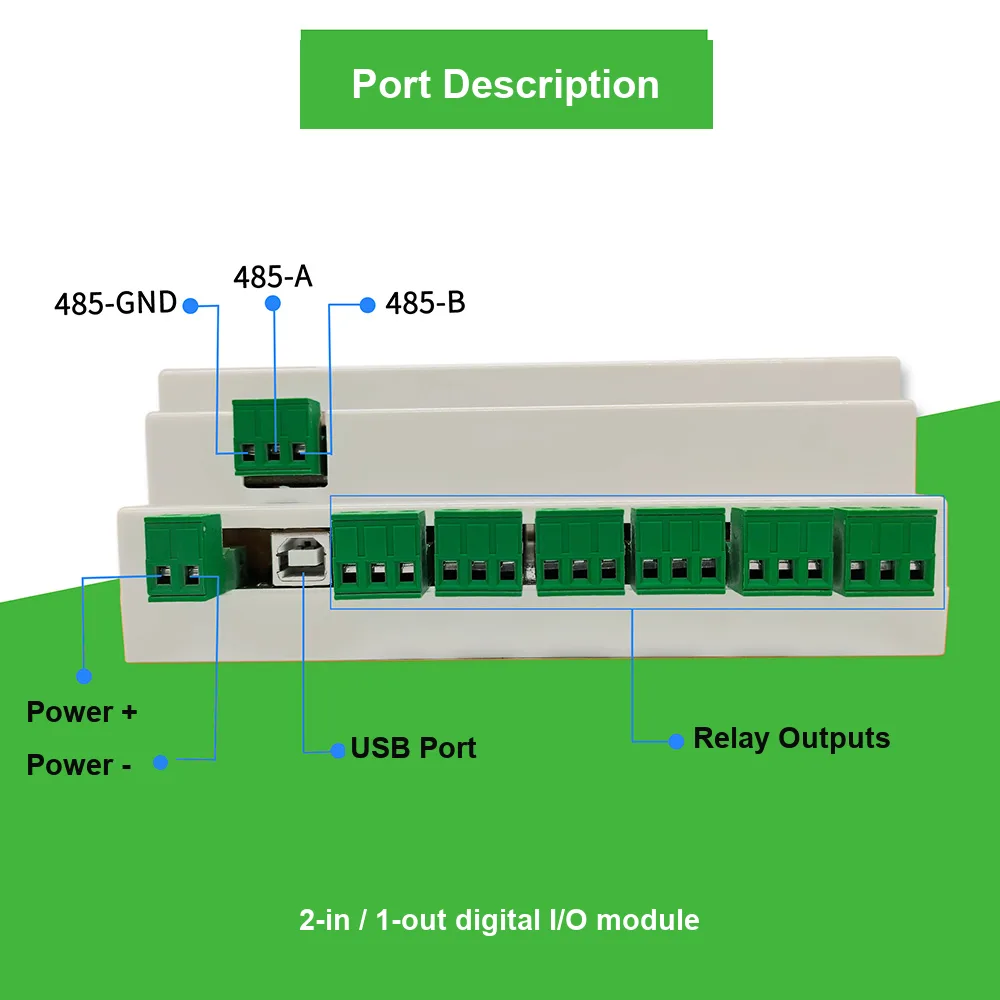
Channel direction. D3J-01xx are input-only modules, from 4 up to 28 digital input channels. D3J-03xx combine inputs and outputs on one board, scaling from 2 in / 1 out to 12 in / 8 out. D3J-02XX provides 2 to 14 outputs depending on the order code. Confirm each model's electrical interface, register map, bus settings and ordered mounting option before combining modules on a Modbus RTU network.
Consider E4J0206 when ordinary sequencing needs editable logic, interacting conditions or frequent changes that fixed timer modes do not cover conveniently. Compare the actual I/O, program requirements, panel space and maintenance needs rather than using a fixed relay-count threshold. Keep the protective safety function outside this non-safety micro PLC; ordinary programmable logic is not a substitute for a safety-related controller.
The DA31 factory brochure states EN ISO 13849-1 Category 4, and its product label references PL e and IEC 62061 SIL 3. These are manufacturer claims, not independent certification verified by this page. DQSRN separately lists Category 4 / PL e as a design reference and IEC 61508 SIL 3 as a technical reference. The achieved safety function depends on the complete sensor, logic and actuator chain. Obtain the supporting documents for the exact model and configuration; company quality-system certification does not establish a product's PL or SIL. The delay, I/O and micro PLC modules carry no safety rating and must not be used for the protective stop function.
The safety-relay housings mount on standard 35 mm DIN rail. B2J and E4J automation modules can be ordered as bare boards or with enclosure and DIN-rail mounting options, so rail mounting is not universal. Supply voltage, width and terminal layout vary by model and configuration; confirm the ordered enclosure and dimensions before finalising the panel layout.
MOQ is low — single units are accepted for sampling and panel validation. Typical lead time is 3–15 days depending on series and volume. OEM options include private labelling, factory-fixed communication parameters, and deleting unused terminals, buttons or LEDs to trim unit cost on volume orders. Certificate of Origin (CO) and Form E can be issued with the shipment for ASEAN buyers claiming the ACFTA preferential tariff.