
Is the NC servo feeder electric or pneumatic?
Answer: The NCF servo feeder is an electric feeder driven by a servo motor and controller. It is not a pneumatic “air feeder.” Below we explain how it works, how it differs from pneumatic types, and how to select it for a press line.
1) What is an NCF servo feeder?
An NCF feeder uses an AC servo motor + servo drive to rotate pinch rollers that index coil strip or sheet stock into a punch press or forming machine. The servo executes precisely defined feed lengths (pitch), speeds, and acceleration profiles. A release cylinder is often present to open the upper roller during pilot pin alignment, but the feeding power is electrical, not pneumatic.
The utility question has two parts: electrical power drives the feed rollers, while an air connection may serve the release mechanism. Record both requirements from the ordered configuration when comparing servo feeders and other press peripherals. A pneumatic release does not make the feed drive pneumatic.
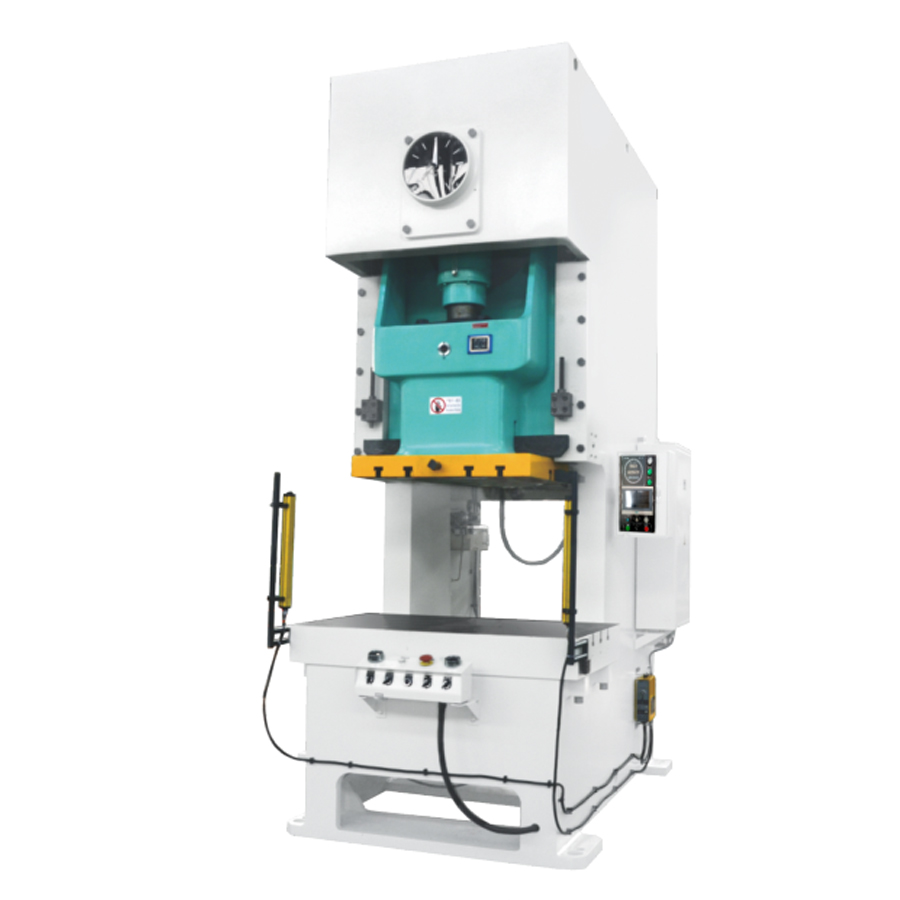
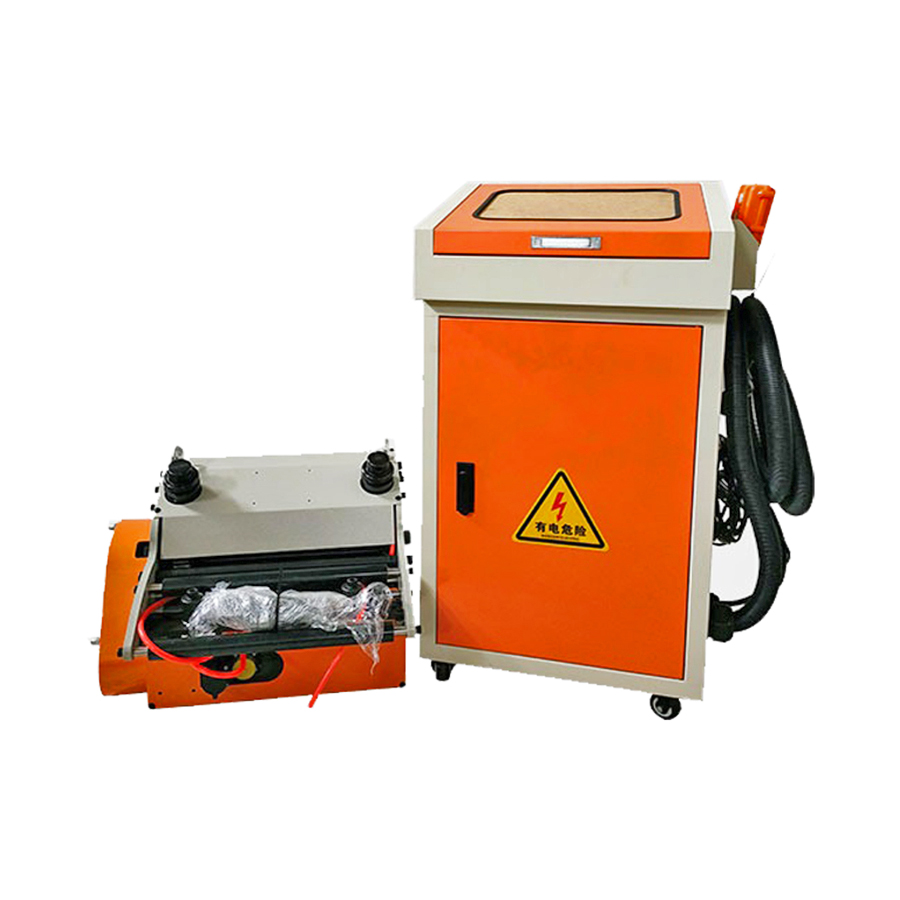
When people say “air feeder,” they usually refer to reciprocating pneumatic grippers. NCF is a different class—roller feeding commanded by a servo controller.
2) Electric (servo) vs pneumatic feeders
| Aspect | NCF servo feeder (electric) | Pneumatic feeder (air) |
|---|---|---|
| Drive principle | Servo motor with closed-loop position control | Cylinders/valves in open-loop stroke cycles |
| Accuracy & repeatability | High and consistent over speed range | Depends on pressure, friction & stroke wear |
| Pitch flexibility | Freely programmable; multi-segment programs | Limited by mechanical stroke adjustments |
| Synchronization | Electronic cam with press encoder | Typically time/limit-based; less precise |
| Material friendliness | Rollers with controlled torque & release | Grippers/clamps; risk of slip on lubricated strip |
| Best use cases | Progressive dies, high-mix/short changeovers, fine pitch, high speed | Simple feeds, low cost retrofits, moderate speed |
| Utilities | Electric power; small air only for release (if equipped) | Compressed air demand is continuous |
3) Synchronization with the press
Electronic cam
The feeder reads a press encoder (or cam switch) signal to start feeding during the non-interference window, then holds during punch impact. Confirm the signal phase and feed completion against the die’s clear window; synchronization alone does not prove safe timing.
Pilot release & anti-slip
Where pilot release is fitted, the release mechanism temporarily frees the strip so die pilots can locate it. Verify release and re-grip timing against the feeder and die instructions; do not infer torque-off or a particular valve sequence from the term “servo feeder.”
4) Selection checklist
- Strip width & thickness: match to roller size, motor torque, and frame rigidity.
- Required pitch & SPM: verify available acceleration and dwell windows with your press stroke curve.
- Surface condition: choose roller material/knurl and pressure setting for dry vs lubricated stock.
- Interface: confirm encoder ratio, release valve I/O, and e-cam parameters with the press control.
- Changeover: prefer recipe memory, hand-wheel gap adjust, and clear scale references.
5) FAQs
Is the NCF feeder pneumatic?
No. NCF is an electric roller feeder driven by a servo motor. Air is used only for temporary roller release on some models.
Why choose a servo feeder over a pneumatic feeder?
Servo feeders offer closed-loop accuracy, programmable pitch, and encoder synchronization with the press, providing better repeatability at higher speeds.
Can NCF handle oily or thin materials?
Yes. Choose suitable roller material/finish and pressure settings; for very thin or lubricated strip, use anti-slip options and proper strip support.