
Muting vs. Blanking: Which One Does Your Conveyor System Actually Need?
A Field Engineer’s Perspective on Balancing Throughput with Human Safety.Material and personnel can approach the same conveyor opening. Before changing the light curtain, determine why each interruption occurs and what protective function is required. A legitimate safety stop is not a defect to be programmed away.
Two terms often dominate technical discussions: Muting and Blanking. Choosing the wrong one is more than a technical error — it’s a choice between a dangerous safety gap or a line that refuses to stay running. The distinctions below are design guidance, not a tested installation or a universal controller configuration.
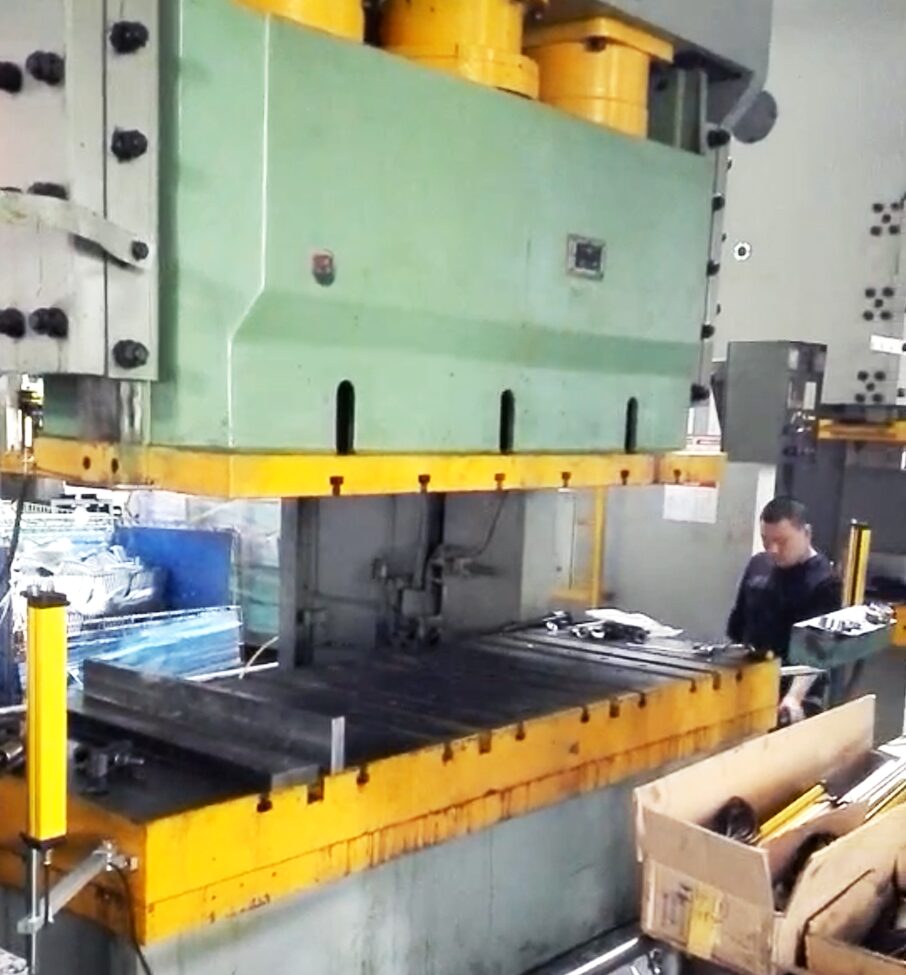
1. Muting: The “Temporary Hall Pass”
Muting is a temporary, automatically controlled suspension of a safety function during a permitted material-transfer condition. It does not identify a pallet as a person-free object. Sensor geometry, sequence, timing and additional guards must prevent someone walking beside, following or riding the load through the opening. Verify that the chosen curtain/controller combination supports the intended mode.
For a conveyor setup review, the opposed-beam conveyor muting sequence and timing checks follow the permitted sensor sequence through load passage, timing limits, stopped loads and fault recovery. They are not a universal commissioning recipe.
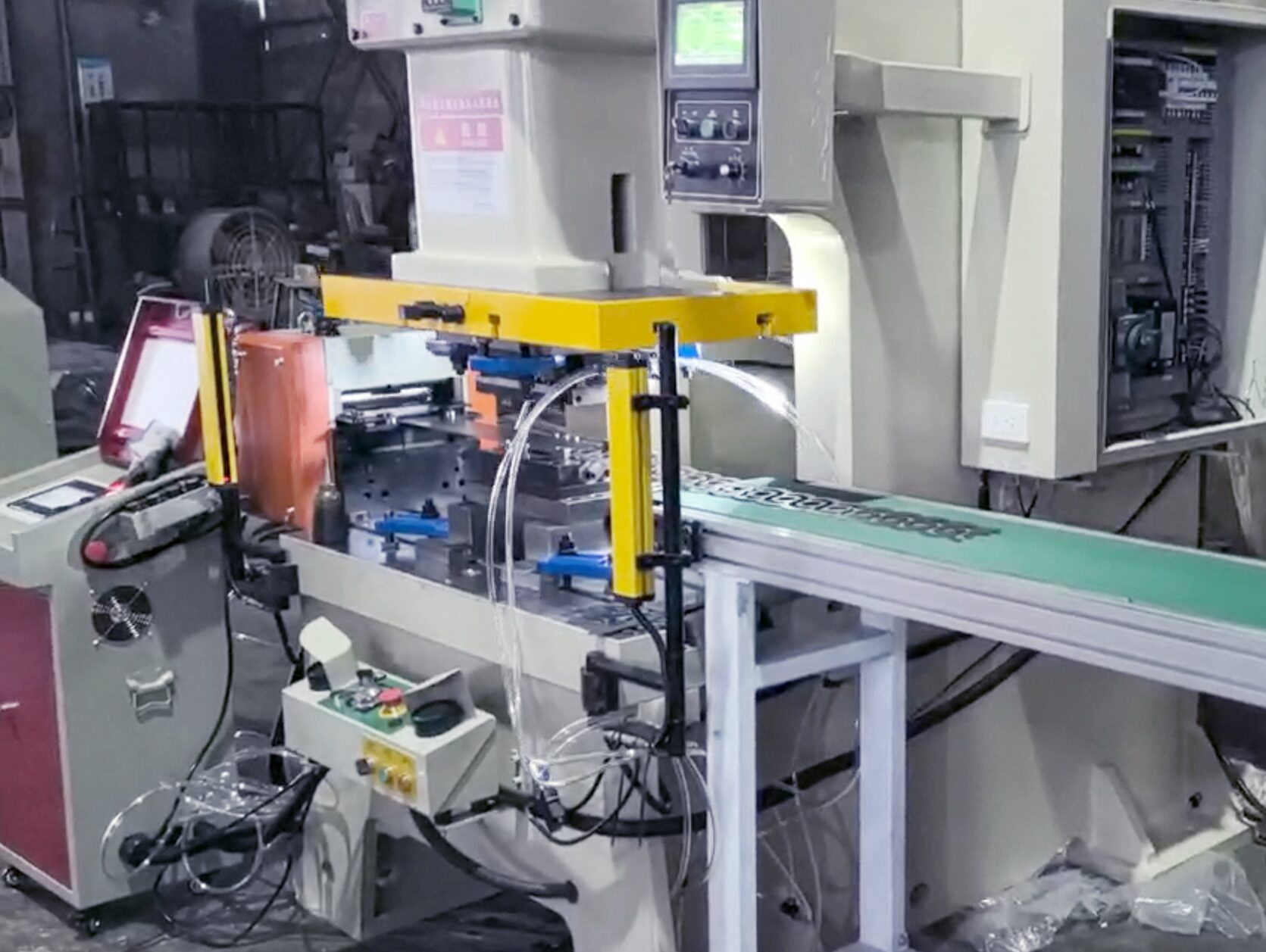
2. Blanking: The “Blind Spot” Strategy
Fixed blanking permits a specified occupied region within the field, subject to the device's rules. It is not an unrestricted permanent hole. Check whether the blanked object must be monitored for presence, how removal or displacement is detected, and how reachable gaps around it are guarded.
- Fixed blanking: supports a specified stationary obstruction only where the model permits it. Account for any unprotected space and the required response if the object is removed.
- Floating blanking / reduced resolution:terminology and permitted beam patterns vary. Use the manufacturer's resulting detection capability and all object-monitoring constraints; do not assume any object below a diameter can pass anywhere.
Before applying either function to a press brake or shear, review the press-brake and shear blanking/muting limits. Conveyor material-passage logic does not establish permission to suppress protection around a bending or shearing hazard.
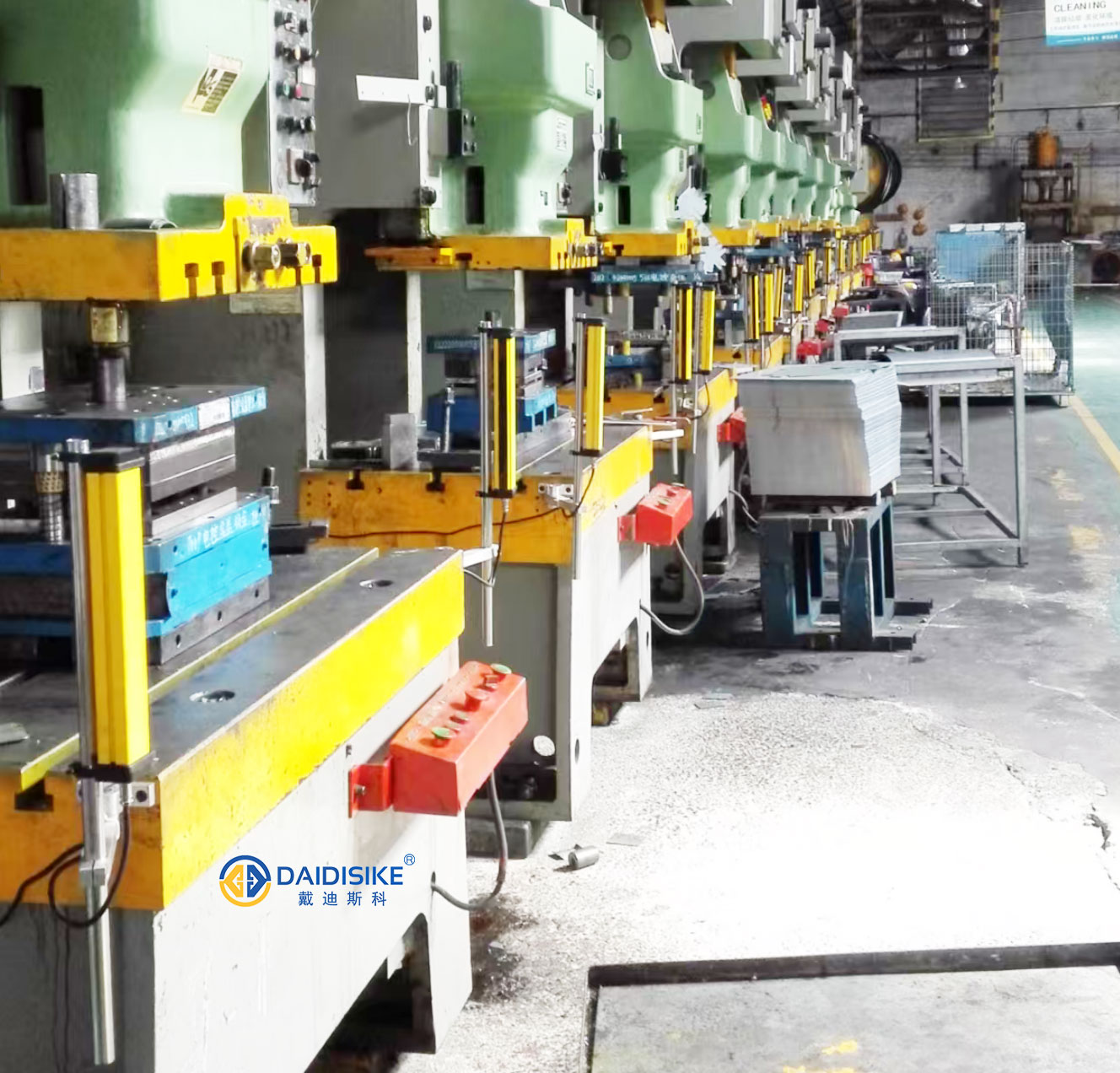
3. The DAIDISIKE Solution: DQE & DQT4 Series
For a DAIDISIKE proposal, separate the protective device from the safety logic that implements muting or blanking. Review thelight-curtain range and documented selection requirements with the exact application. A Type 4 label does not itself prove built-in muting, floating blanking or compatibility with a particular relay.
For a pallet exit, the palletizer muting scenario extends this decision to load sequence, side gaps, tailgating, stalls and controlled recovery; it is not an approved sensor layout.
- DQE: obtain the exact model manual and documented safety capability before assigning a protective function. This guide does not establish built-in muting or blanking support.
- DQT4: catalogued Type 4 capability is separate from application logic. Confirm any muting/blanking option, configured response time and compatible safety controller in writing. Do not generalize the DQT4 rating to every model abbreviated DQT.
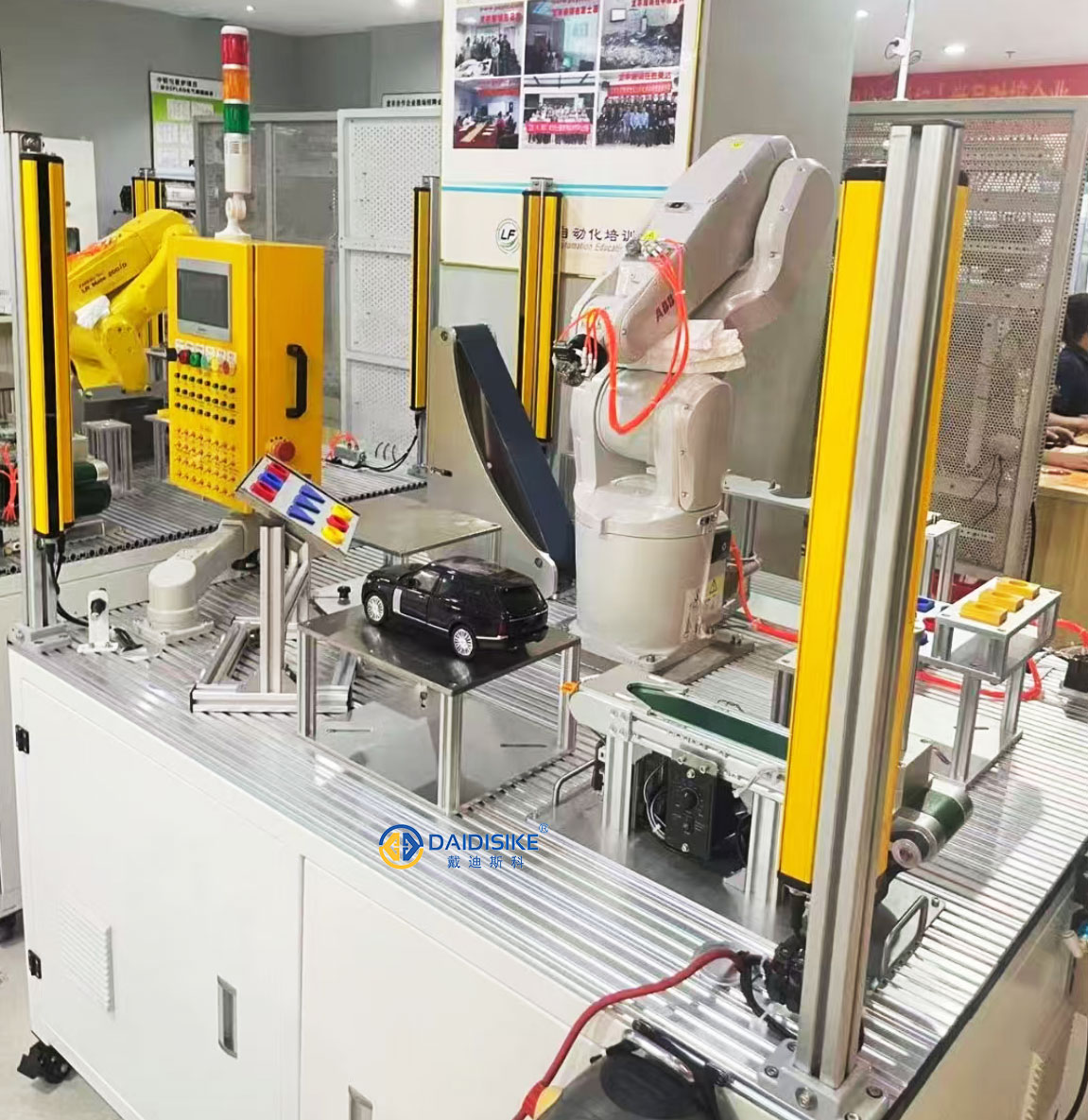
Summary: Efficiency and Safety can Coexist
Select a supported function only when it preserves the required protection in the actual geometry. Revalidate access, timing, fault response and restart after configuration changes. Throughput benefits are project-dependent; no zero-stop or zero-loss performance is claimed.
- Whole load passes through: validate muting geometry against walking beside, tailgating and riding the load.
- Fixture occupies a fixed region: verify object monitoring and close every reachable hole around it.
- Obstruction moves inside the field: verify the supported mode and resulting detection capability; recalculate positioning where required.
- Unknown trips or unsupported function: retain protection and investigate; do not add an exemption.
Sources: IEC 62046:2026and the Banner EZ-SCREEN LPM manual(model-specific fixed blanking and reduced-resolution example). Its functions and numeric settings are not DAIDISIKE specifications.
Content updated: 2026-09-05.
Send load dimensions, speeds, direction changes, access layout and exact controller manuals for review. Final configuration and validation require qualified responsibility for the machine.
Review light-curtain options and documentation →