
ISO 13855 Guide: How to Calculate Safety Distance for Light Curtains
Installing a light curtain is only half the battle. If it's too close to the danger zone, it's just an expensive decoration.A curtain mounted too close to a hydraulic press cannot compensate for a long mechanical stopping time. Even after detection, the safety logic, contactors or valves and moving mechanism take time to reach the required safe state. A green indicator is not evidence of adequate separation.
ISO 13855:2024addresses safeguard positioning and dimensioning. Select its applicable approach case and the relevant machine-specific requirements; thestandards index for machine safeguards separates these from the protective-device and safety-control standards. This article explains the inputs, not a certificate of compliance.
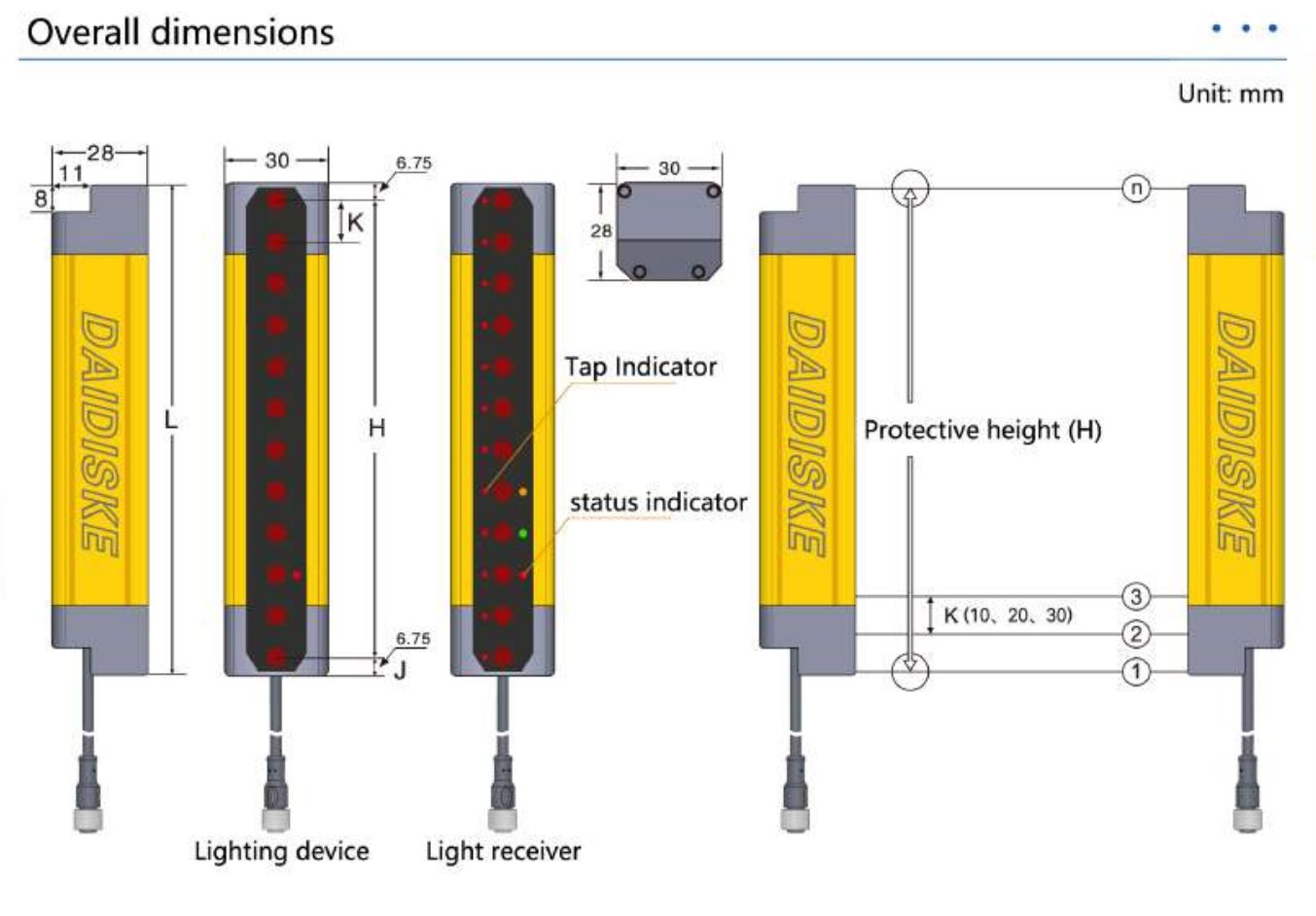
The Master Formula: S = (K × T) + C
The familiar S = K × T + C notation is used here to explain the distance budget. Do not apply one intrusion expression to every geometry or present it as the entire 2024 edition. Perpendicular approach, reaching over, parallel approach and stepping behind the field require their appropriate checks.
S: The minimum safety distance (mm).
K: Approach speed of the human body (case-dependent; not machine travel speed).
T: Total Response Time of the entire system.
C: Intrusion allowance in this simplified notation; use the applicable case for detection capability, reach paths and supplements.
Before calculating: three decisions
- Reach through: identify the certified detection capability and the applicable perpendicular-approach case.
- Reach over or around: check guard height, hazard height and bypass routes separately; the largest applicable distance governs.
- Enter and remain: provide the required presence detection or restart prevention; a clear plane does not prove an empty space.
Content updated: 2026-09-05. Manufacturer application example: SICK deTec4 Core operating instructions, safeguard positioning and test plan. Use it only for its stated product and scope.
Understanding Response Time (T)
T includes every delay from detection to the required safe state: the curtain in its selected mode, safety logic, safe communication if used, final switching devices and machine stopping time. Use documented worst-case response values and a suitable stopping-time measurement under the relevant load and operating conditions.
If you want to understand the physics of how a beam break turns into an electrical signal, you can read our deep dive on how safety light curtain sensors work. A shorter sensor response reduces only one term. It does not override minimum distances, reach-over checks or the need to prevent someone remaining undetected behind the curtain.
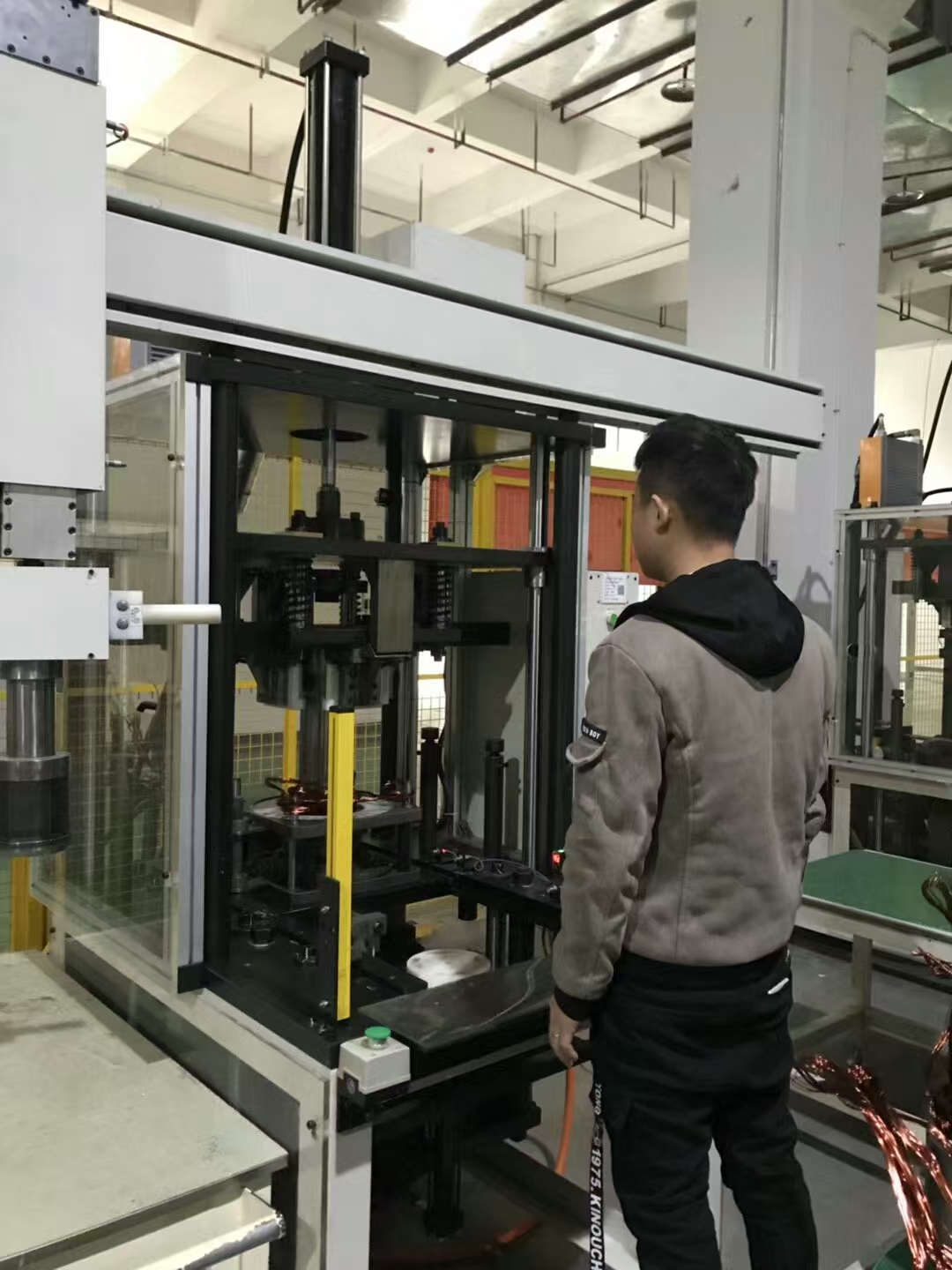
The Role of Optical Interference
Reflective surfaces can create an unintended optical path around a test object. Respect the manufacturer's reflective clearances and interference controls; do not add unapproved filtering or blanking to hide nuisance trips. After permitted changes, repeat the prescribed detection checks and reassess response time if the operating mode changed.
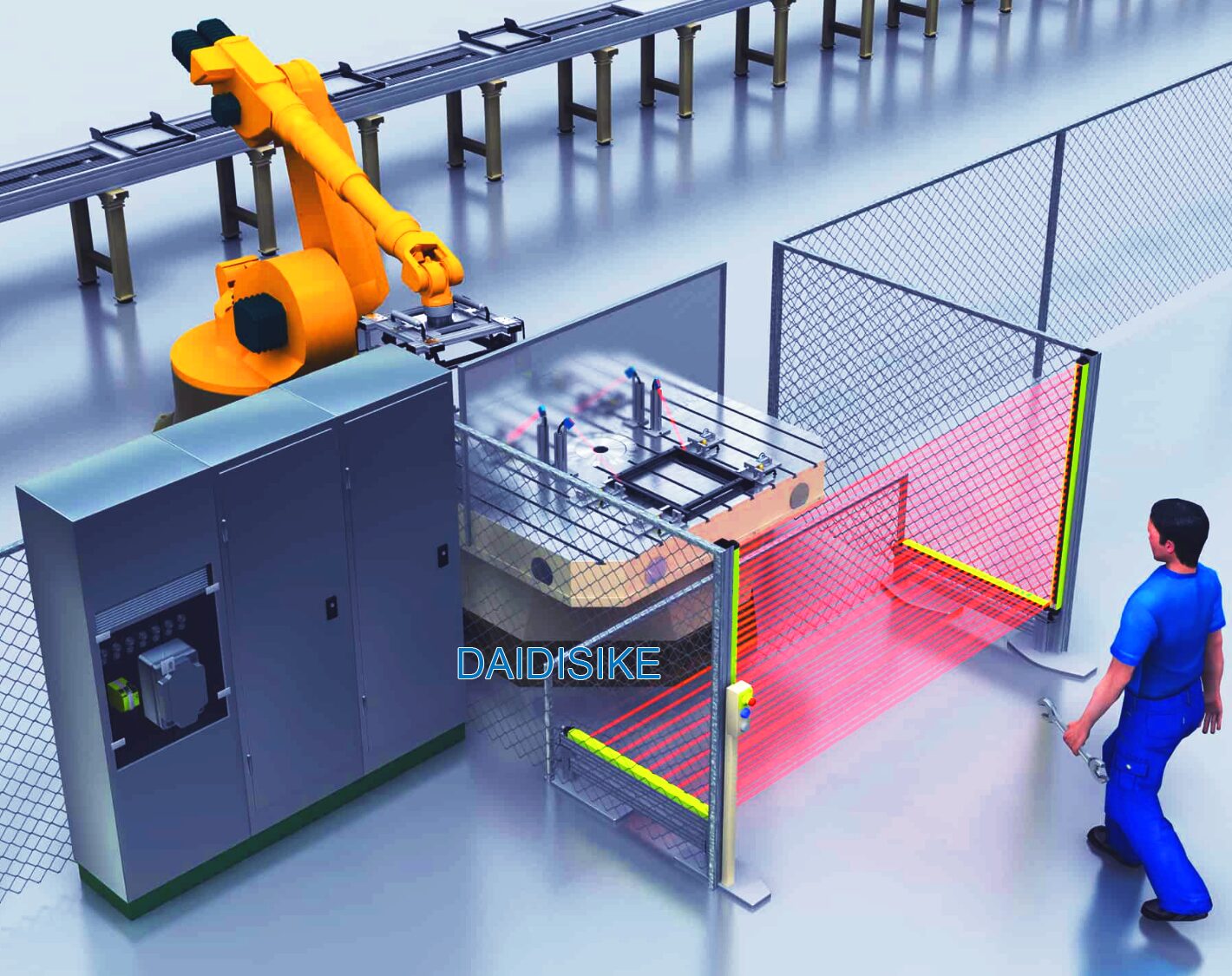
Why Resolution (C) Matters
Use the documented detection capability d, not beam pitch or housing length. The familiar C = 8 × (d − 14) example belongs to a specific perpendicular-approach case for d ≤ 40 mm, with C not below zero and additional case limits. It is not a general solution for reaching over, horizontal fields or body-access devices. Check the applicable edition and manual before using the expression.
Summary Checklist for Compliance:
- Measure your machine's actual stopping time (not just the datasheet value).
- Select K and all additional terms from the applicable approach case; do not substitute the machine's movement speed.
- Ensure the Safety Light Curtain resolution matches the calculated “C” factor.
- Double-check for reflective surfaces that could cause beam bypass.
Send the layout, exact device manual and measured stopping-time record for a selection review; final validation belongs to the qualified integrator.
Explore High-Precision Safety Curtains →