
The 5-Minute Safety Checklist: Preventing Accidents Before They Happen
Quick answer: Before operation, inspect optical faces, mounting and cables, then perform the machine's prescribed protective-function test with the specified test piece and safe procedure. Record the result and stop use if a check fails. “Five minutes” is an organizational reminder, not a fixed standard interval or a substitute for commissioning and periodic validation.
Content updated: .
Because at the end of the shift, the only metric that matters is that everyone goes home safe.A safety light curtain needs continued attention after installation. A loose bracket, contaminated optical face, damaged cable or bypassed circuit can change how the protective system behaves. This checklist makes those observations repeatable; it does not assign accident statistics or replace a machine risk assessment.
At DAIDISIKE, we believe safety is a culture, not just a product. Here is a simple, 5-minute daily inspection guide that every operator should follow to ensure their “invisible shield” is actually standing guard.
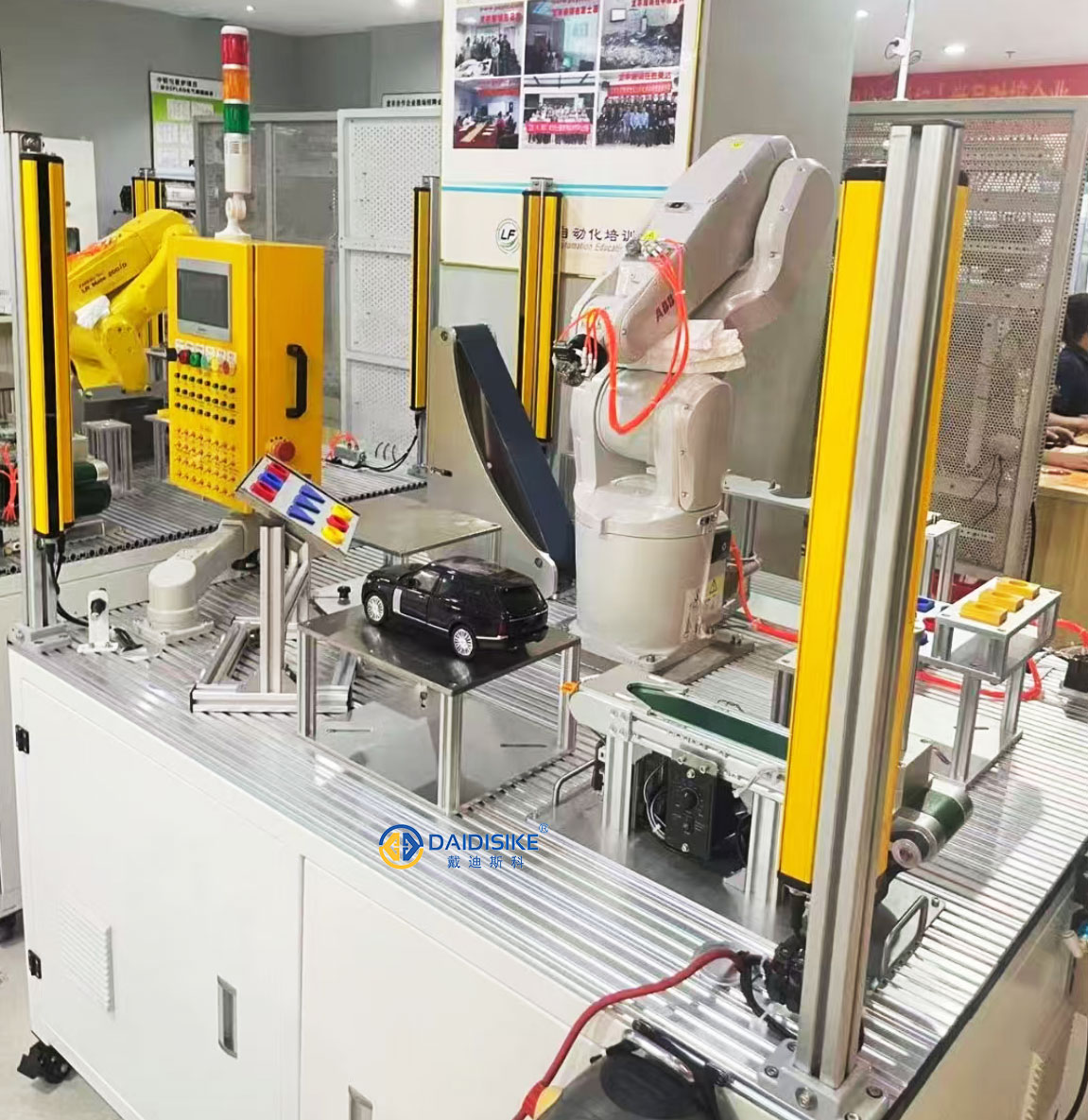
1. The Optical Clarity Check
Think of your light curtain like a pair of glasses. If the lens is covered in dust, coolant mist, or grease, the IR beams become “blurry.” This leads to intermittent signal loss and reduced availability. Cleaning improves optical transmission; it does not correct mechanical misalignment or prove detection.
To understand why a clean lens is vital for maintaining the millisecond-fast pulse required by the receiver, take a look at our technical breakdown of how safety light curtain sensors work.
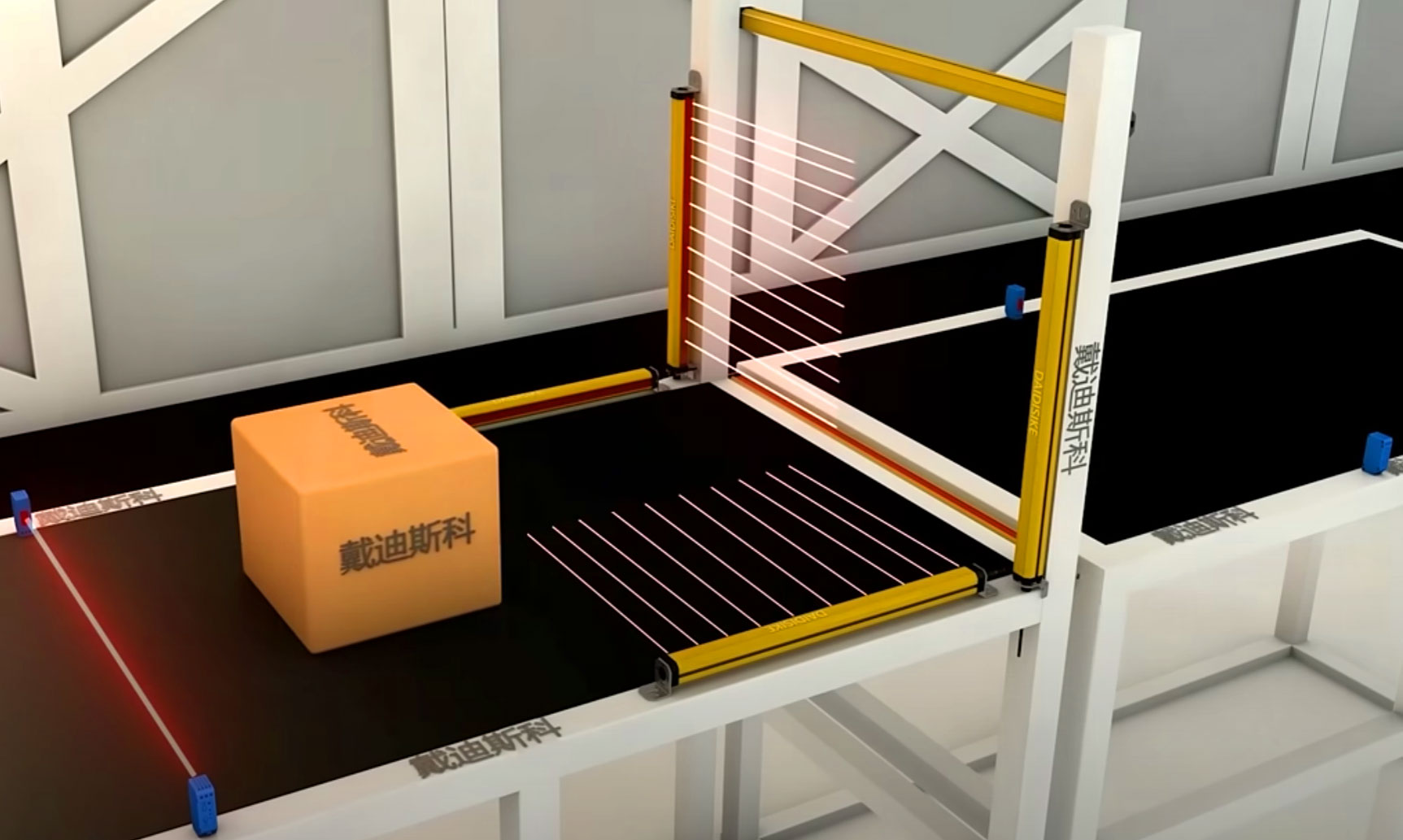
2. Daily Maintenance Checklist
| Check Item | What to Look For |
|---|---|
| Lens Cleanliness | Wipe with a soft, lint-free cloth. No abrasive chemicals. |
| Bracket Stability | Ensure mounting nuts haven't vibrated loose. No “wobble” allowed. |
| Indicator Status | Compare the actual model's indicators with its manual. A green lamp alone does not validate the safety function. |
| Cable Integrity | Check for nicks, frays, or tight bends in the connection cables. |
After the visual checks, follow the test-piece procedure for the actual detection capability. Use the manufacturer's safe test sequence; never use a hand in a hazardous zone. Record the machine, date, checker, result and corrective action. A failed test means stop use and escalate to the responsible qualified person.
IEC 62046:2026 covers application of protective equipment that detects persons. Test intervals and scope must follow the applicable machine requirements, risk assessment and equipment instructions.
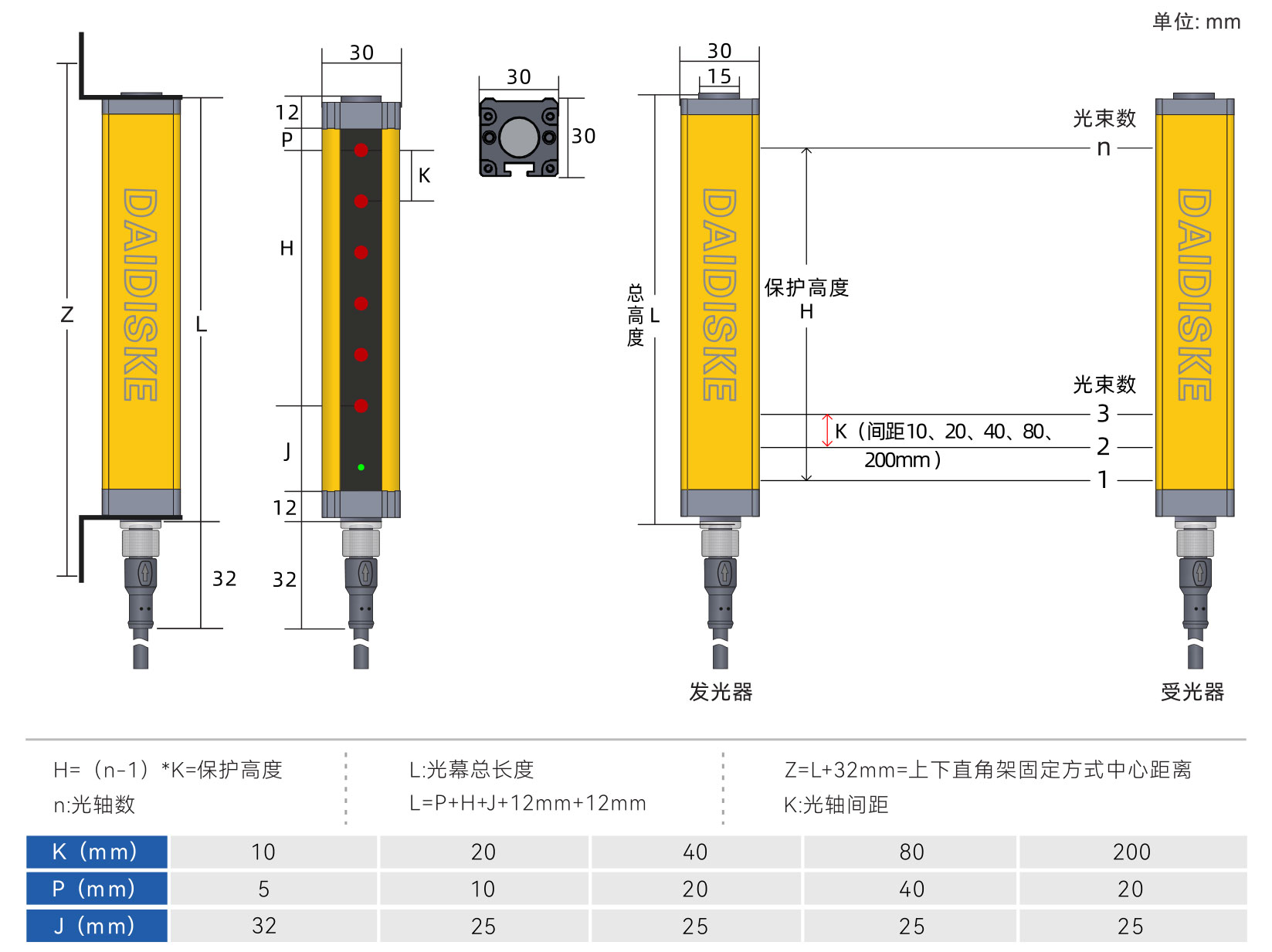
3. Upgrading the “Heart” of Your Safety System
If sensors flicker or fail to synchronize, stop using the affected protective function and investigate according to the manual. Replacement candidates such as the DQC Line-Sync Series and JER Optical-Sync Series still need exact-model checks for the optical environment, mounting and interface. Maintenance intervals follow the validated plan and service records; changing series does not guarantee fewer inspections.
For any DQT Series or other replacement, confirm the exact sensor output, receiving-device compatibility and required safety level. Type 4 describes applicable protective equipment requirements; it is not obtained merely by adding a relay. Validate sensor, logic and final switching devices together.
Summary: Respect the Machine, Protect the Person
A recorded check helps identify faults before operation. If your current equipment is showing signs of age or inconsistent performance, don't wait for a failure. Explore our updated Safety Light Curtain Range to find a modern, reliable replacement.
Contact our support engineers for a customized safety protocol tailored to your DQC, JER, or DQT installations.
Upgrade Your Factory Safety Today →