Industrial Safety Wings: Comprehensive Comparison of DAIDISIKE DQA Series Safety Light Curtains and DLD5 Safety Laser Scanners
Content updated:
Safety classification correction: The legacy title retains the DLD5 wording, but DLD-series products are non-safety LiDAR, not Type 3 / PL d / SIL 2 protective scanners. DQA serves a different safety role subject to its exact-model documentation. Compare certified safety scanning and industrial LiDAR options; DAIDISIKE confirms ST27 as Type 3, PL d, SIL 2. Adding a safety controller does not certify DLD.
In the field of modern intelligent manufacturing and industrial automation, the safety of personnel and the efficient operation of equipment are at the heart of business development. As a leading brand in the field of industrial safety and protection, DAIDISIKE is committed to providing highly reliable non-contact safety solutions. In this article, we will focus on DAIDISIKE's two flagship products — DQA series safety light curtains and DLD5 series of industrial LiDAR scanners for multi-dimensional comparison, to help you choose the most ideal security solutions according to the actual working conditions.
First, the Core Product Overview
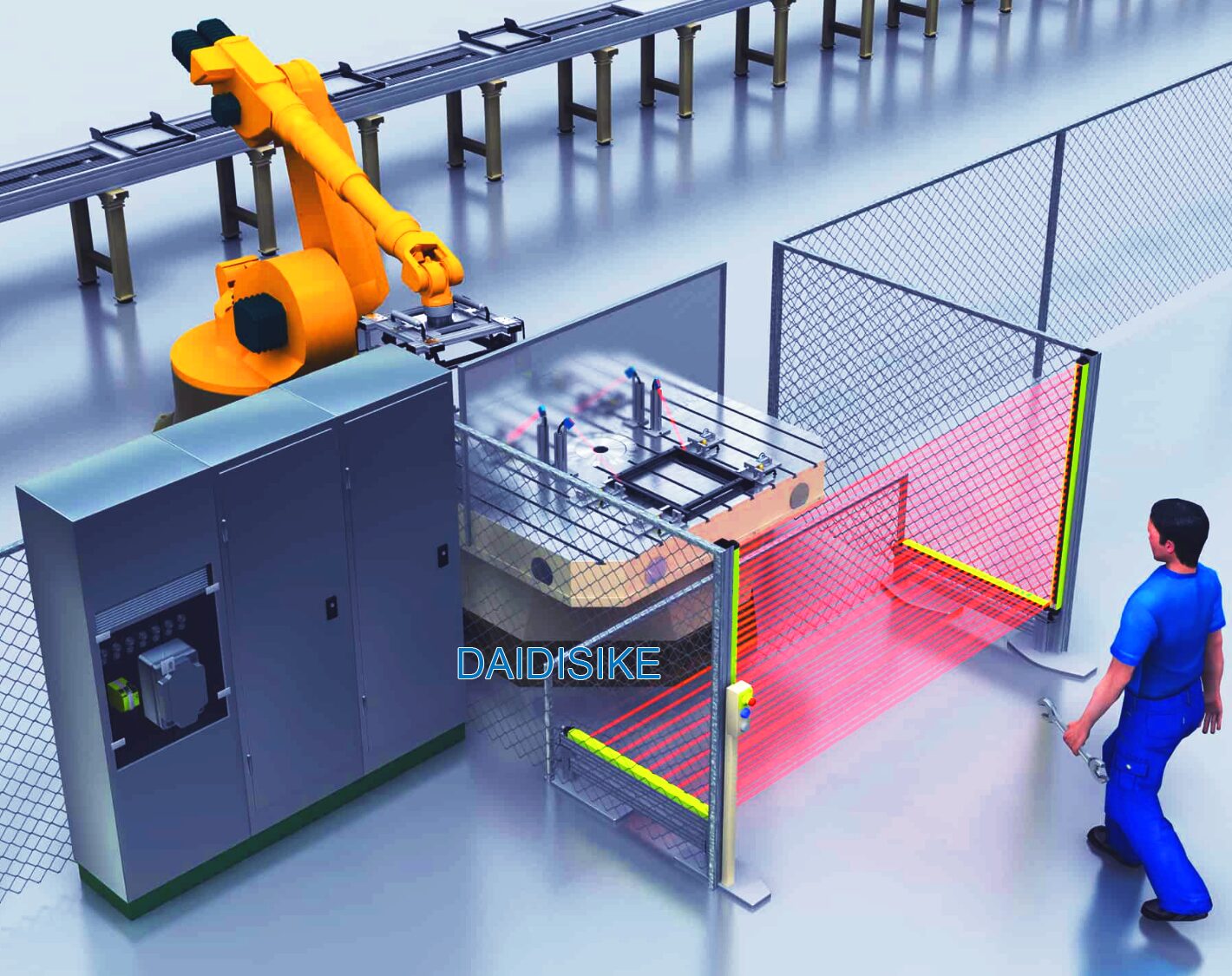
1. DAIDISIKE DQA Series Safety Light Curtain
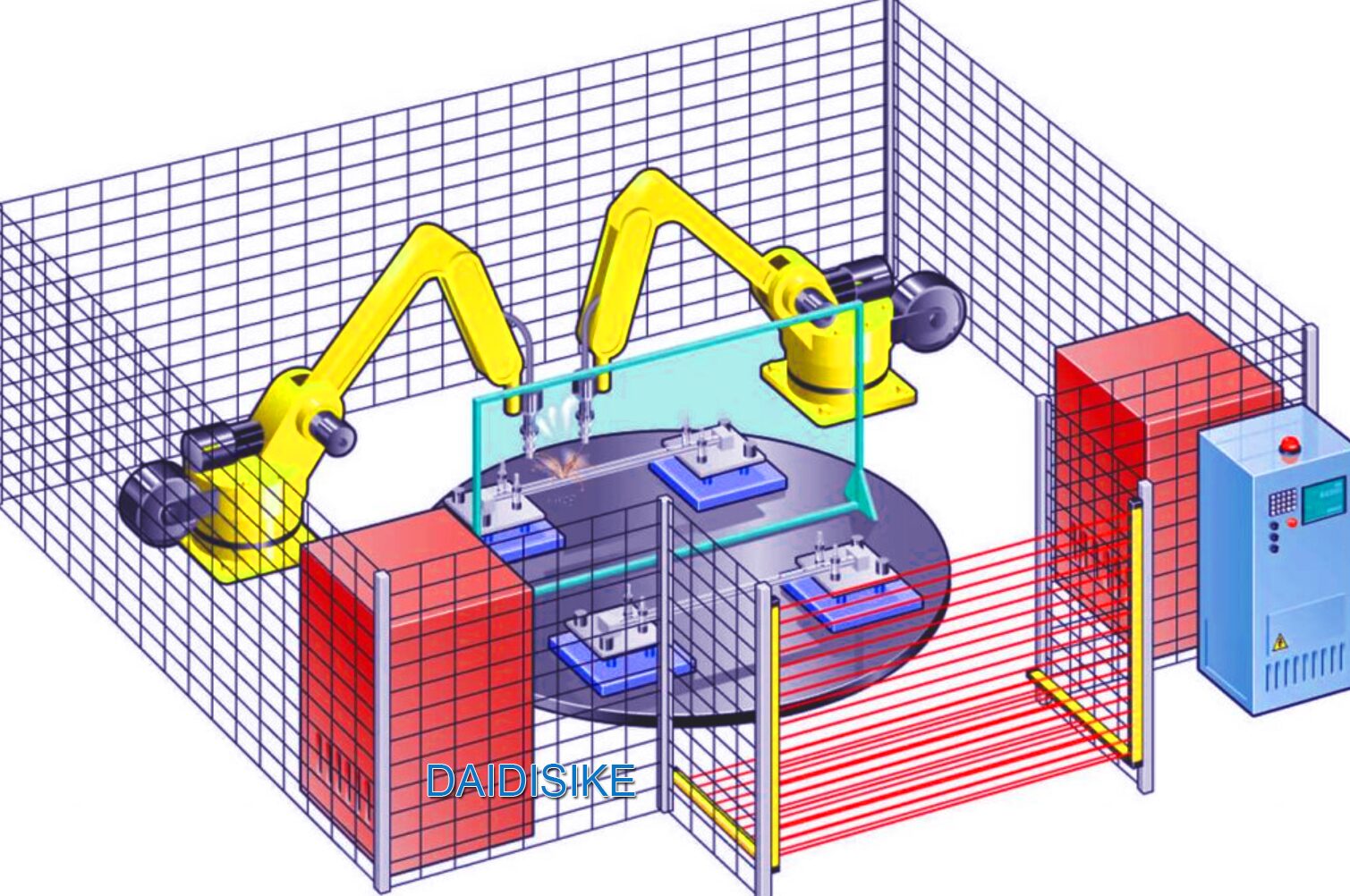
DQA is a through-beam light curtain family for defined access openings. Its infrared detection plane is a different sensing geometry from LiDAR. Confirm the exact model's detected-object capability, active height, response time and safety documentation; this comparison does not assign PL e to the whole family or establish suitability for every press.
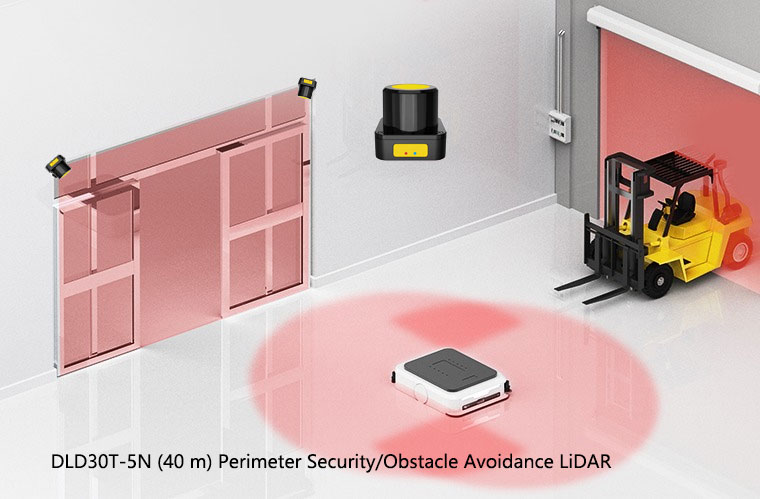
2. DAIDISIKE DLD5 Series Industrial LiDAR
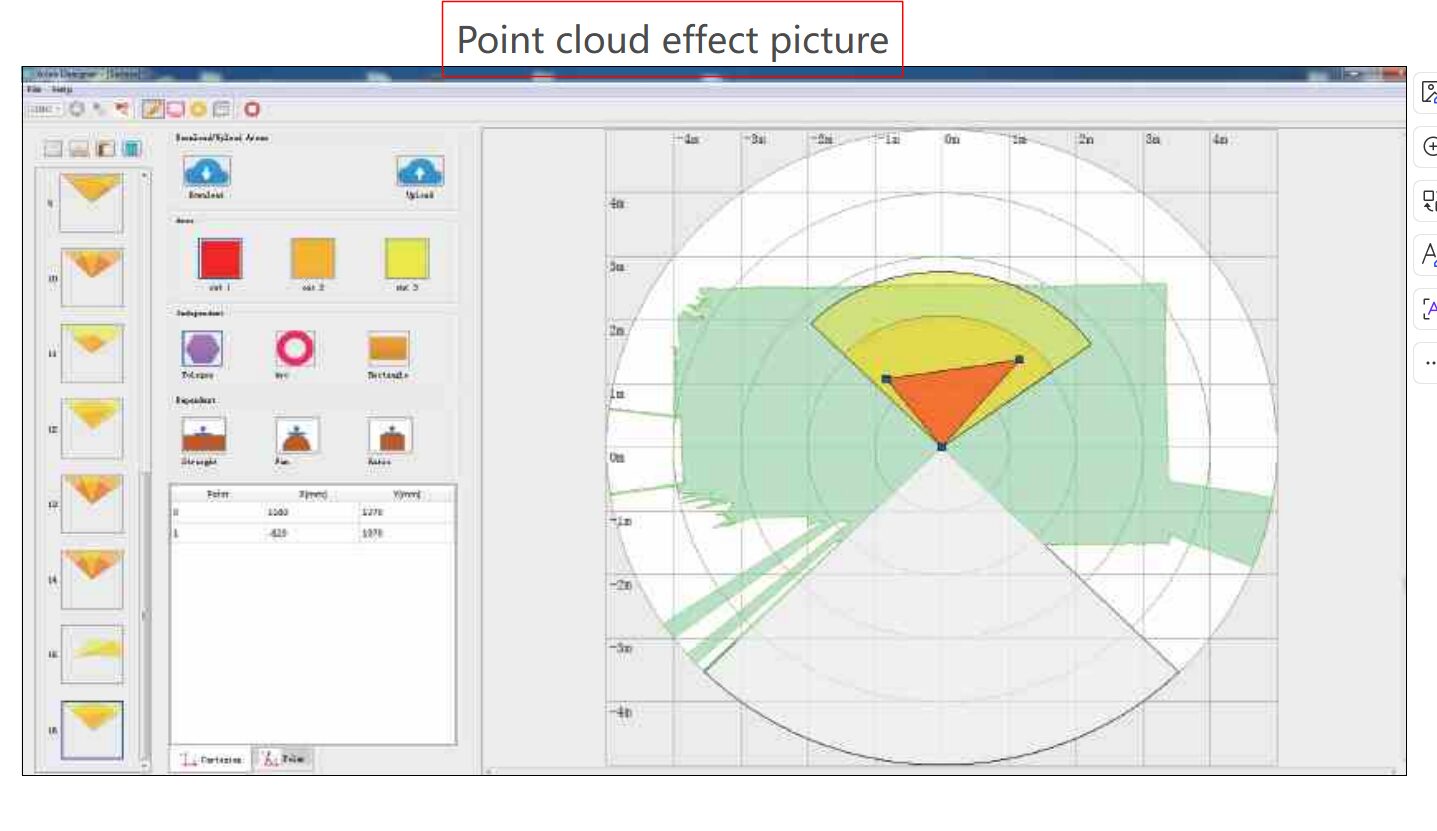
DLD5 is non-safety industrial LiDAR for measurement, navigation and operational obstacle detection. Its exact scan angle, range and interface depend on the order code. Configured detection regions or slowdown information are not certified protective fields or safety-stop outputs. Personnel protection requires a separate validated safety function; use a certified safety scanner such as an appropriate ST27 configuration when area protection is required.
Second, the Key Parameters and Performance Depth Comparison
| Comparison Dimension | DAIDISIKE DQA Series Safety Light Curtain | DAIDISIKE DLD5 Series Industrial LiDAR | Selection Reference |
|---|---|---|---|
| Detection Principle | Infrared Alignment Interruption Detection | Laser Time of Flight (ToF) Area Scanning | DLD5 More Flexibility |
| Resolution | Use documented detection capability for the exact order code | Measurement capability is model-specific; not certified detection resolution | DQA Suitable for precision protection |
| Response Time | ≤ 15 ms | Model-specific measurement response; not a safety response time | DQA Supports shorter safety distances |
| Shape of Protection | Fixed rectangular planar surface | Configured detection region; not a certified protective field | DLD5 Adapts to complex spaces |
| Detection / Measurement Range | Confirm protective height and emitter–receiver range separately | Radius up to 5 m / 20 m | DLD5 Large area coverage |
| Safety Class | Verify exact DQA Type / PL / SIL documentation | Non-safety industrial LiDAR; no protective PL/SIL claimed | Different safety roles; DLD cannot provide personnel protection |
| Installation | Pair mounting, precise optical alignment required | Single mounting supported | DLD5 Easier to install |
III. DAIDISIKE Product Advantages Summary
- Protective function: verify DQA's exact safety documentation, compatible qualified logic and final switching devices against the required risk reduction.
- Optional functions: verify any muting or blanking capability in the exact device/controller documentation and validate its effect on detection.
- Cost-effective: Standardised protection for stationary operating positions.
- Operational regions: verify available field configuration and switching for the exact model; these are not certified protective fields.
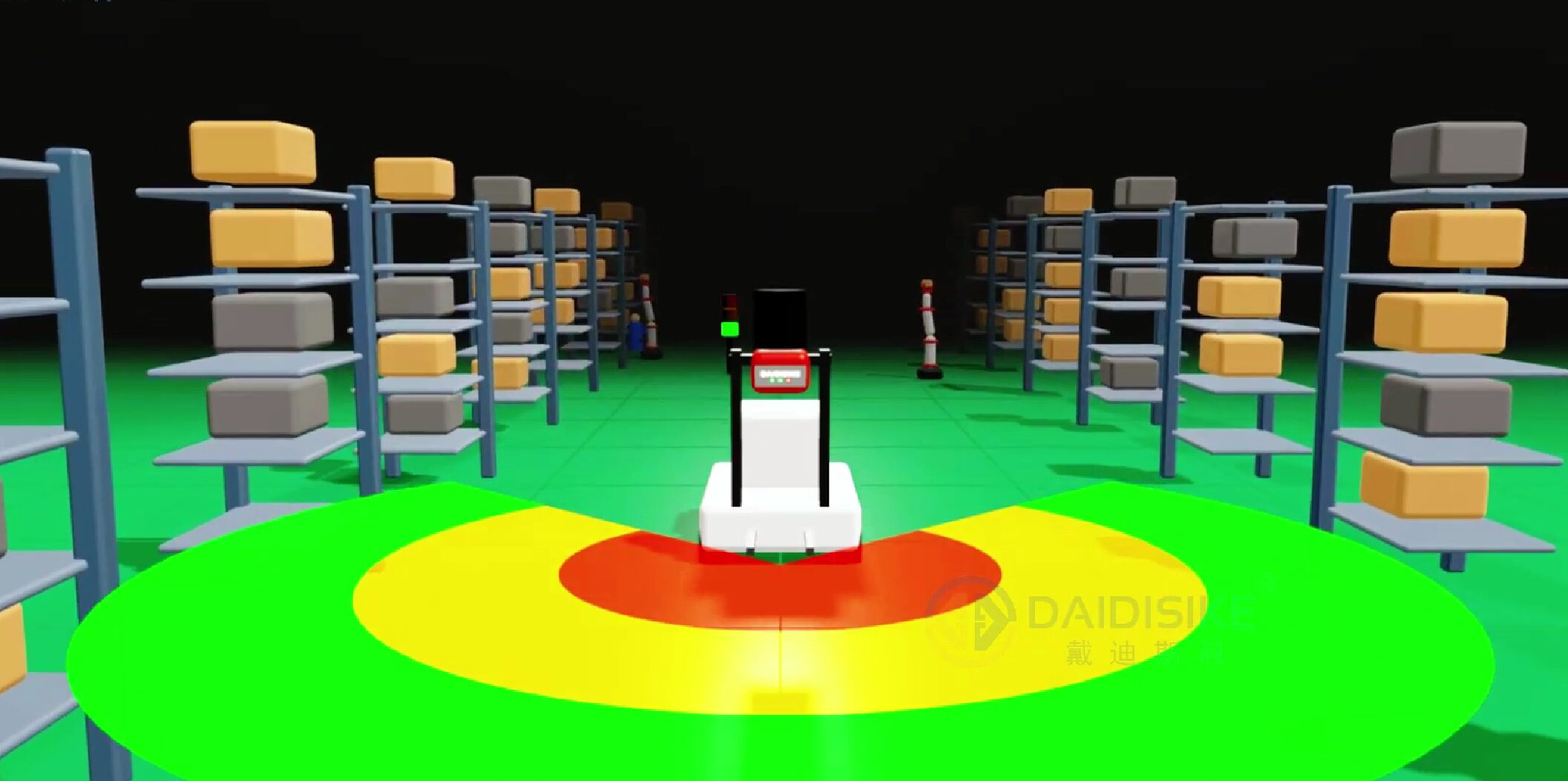
- Intelligent warning: Multi-level settings to reduce unnecessary downtime.
- Visibility limits: assess occlusion, blind regions and surface conditions; no single scanner guarantees complete coverage.
IV. Application Scenario Adaptation Suggestions
1. Preferred Scenarios for DAIDISIKE DQA Series:
- Close Precision Protection: Punching presses and bending machines using 14mm resolution.
- Linear entrances and exits: Fixed infeeds in automated production lines.
- High Frequency Trigger: Scenarios requiring response times of 20ms or less.
2. Preferred Scenarios for DAIDISIKE DLD5 Series:
- Navigation sensing: operational obstacle information for compatible AGV/AMR systems, separate from their protective function.
- Area measurement: non-safety scene monitoring around suitable equipment, with independent guarding wherever people face hazards.
- Harsh Conditions: Use where real-time software monitoring of the scene is required.