
Safety Sensors in Automated Packaging Lines: Efficiency Without Compromise
Quick answer: Divide the packaging line into operator access, material transfer, robot space and vehicle movement. Assign each a documented protective function and a validated stop/restart response. Light curtains, muting and safety scanners have different roles; DLD/SDLD navigation sensors cannot replace personnel protection. Select hardware after the risk assessment and verify the complete sensor, controller and final stopping arrangement.
Content updated: .
Maximizing throughput while maintaining rigorous safety standards in high-speed environments.
In the automated packaging industry, speed is money. From sorting materials and packing boxes to final high-speed palletizing, production lines operate at a breakneck pace. However, rapid movement also poses significant safety risks. At DAIDISIKE's industrial safety and automation catalog, we believe safety shouldn't be a bottleneck. This guide explores how to choose the right technology for your packaging workflow.
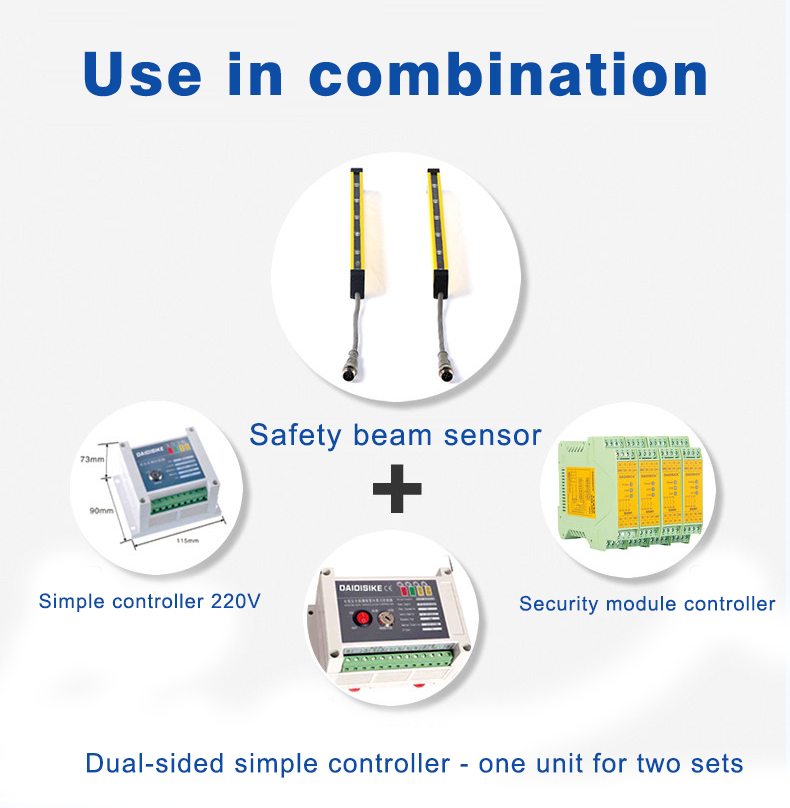
1. Packaging Entrance: The Need for Speed
In raw material zones, select the detection capability and total stopping response for the actual hazard. A DQT4 Series Safety Light Curtains candidate requires its exact model response and safety documentation; no generic <10 ms value is asserted here.
- Layout consideration: Faster response may reduce the time-dependent distance term. Closer mounting still requires the complete applicable positioning method, measured total response time and checks for reach-over, bypass and other access.
- Debris Resistance: Packaging lines are often dusty with paper scraps. Verify contamination tolerance, mounting and cleaning requirements. Do not assume the DQT4 can ignore an obstruction without affecting detection.
2. Palletizing Zones: The “Muting” Logic
The biggest challenge is allowing pallets to exit while preventing people from entering. The DQC/DQO Series name does not establish integrated muting. Use a compatible curtain and a documented muting function in the selected safety system.
- Sequence validation: Muting evaluates a permitted material-passage sequence; it is not human recognition. Assess following, riding and side-entry access and fault conditions.
- DQO Zero-Blind-Spot: Our DQO series still requires actual protected-height, end-zone and mounting checks. Inspect every reach-over, reach-under and side gap instead of treating the series name as proof.
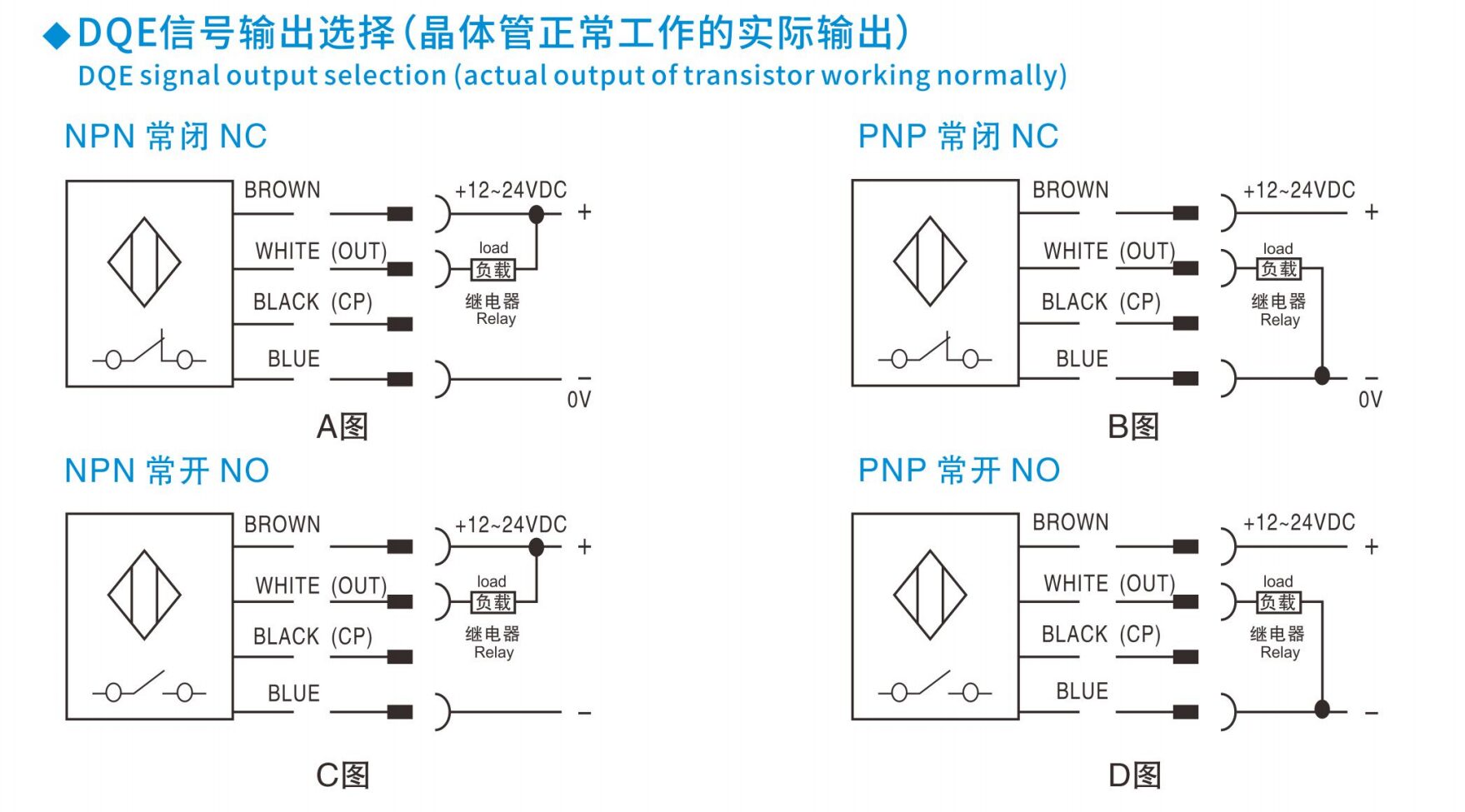
3. Open Spaces: Area Coverage with Safety Scanners
For robot-area protection, select documented safety-rated detection and any necessary physical guarding. The historical DLD5 label must not be treated as a safety scanner: DLD and SDLD are non-safety. ST27 is separately confirmed as Type 3, PL d and SIL 2; its application limits still require verification.
- Warning Zone: As a person approaches, the system may issue an advisory alert. A warning output alone cannot be credited as a safety-rated speed-reduction function.
- Protection Zone: If the person enters the validated protective field, the rated control system must achieve the specified protective stop within the design response.
- Field selection: Use only documented safety field-selection functions and validate transitions and access on every side. Do not assign that protective role to DLD5.
4. Logistics Corridors: AGV Collision Avoidance
Navigation and non-safety obstacle sensing may use DLD20 LiDAR. It acts as the “eyes” of the AGVs moving between the packaging line and the warehouse.
- High Precision: Accurate distance measurement can support navigation; it does not establish a safe stop under full load. Validate the separate safety function.
- Dynamic Environments: Assess moving traffic, occlusion, loads and floor conditions in the actual navigation and safety validation plan.
Packaging Line Safety Comparison
| Application | Candidate / design requirement | Pain Points Addressed |
|---|---|---|
| High-Speed Cartoning | DQT4 Series | Verify actual model response, detection capability and stopping distance. |
| Conveyor Pallet Port | Compatible curtain + validated muting system | Prove permitted material sequence and prevent foreseeable person access. |
| Robot Palletizing | Documented safety-rated scanner / guarding | DLD/SDLD cannot provide personnel protection; validate all access paths. |
| Warehouse AGV | Non-safety navigation + separate safety function | Validate protective fields and stopping under actual load and surface conditions. |
Before accepting a packaging-zone design
- Record every person and material access path, including foreseeable misuse.
- Verify sensor, logic and output compatibility; ordinary line PLC status must not authorize a safety stop or reset.
- Measure the stopping response and validate muting failures, field transitions and restart.
- Record cleaning exposure and operating limits; a sterile process also needs separate contamination controls.
IEC 62046:2026 addresses application of person-detecting protective equipment. For specialized lines, compare the sterile fill-finish contamination and safeguarding checks and solar-module handling and test-station hazards.
Application Summary
Plan production flow around the validated protective function.
If your production line frequently shuts down due to false alarms or bulky safety distances, you need a smarter solution. DAIDISIKE products are designed to make safety accessible; continuity of production depends on correct selection, integration, maintenance and validation.