中文官网1688 店铺

The 5-Minute Safety Checklist: Preventing Accidents Before They Happen

Because at the end of the shift, the only metric that matters is that everyone goes home safe.

We’ve spent decades in factories, and we’ve seen the same story play out: A safety light curtain is installed, it works perfectly for years, and then... it’s forgotten. Until an accident happens. Most industrial mishaps aren't caused by catastrophic electronic failure; they are caused by a loose bracket, a layer of oil on the lens, or a bypassed relay.

At DAIDISIKE, we believe safety is a culture, not just a product. Here is a simple, 5-minute daily inspection guide that every operator should follow to ensure their “invisible shield” is actually standing guard.
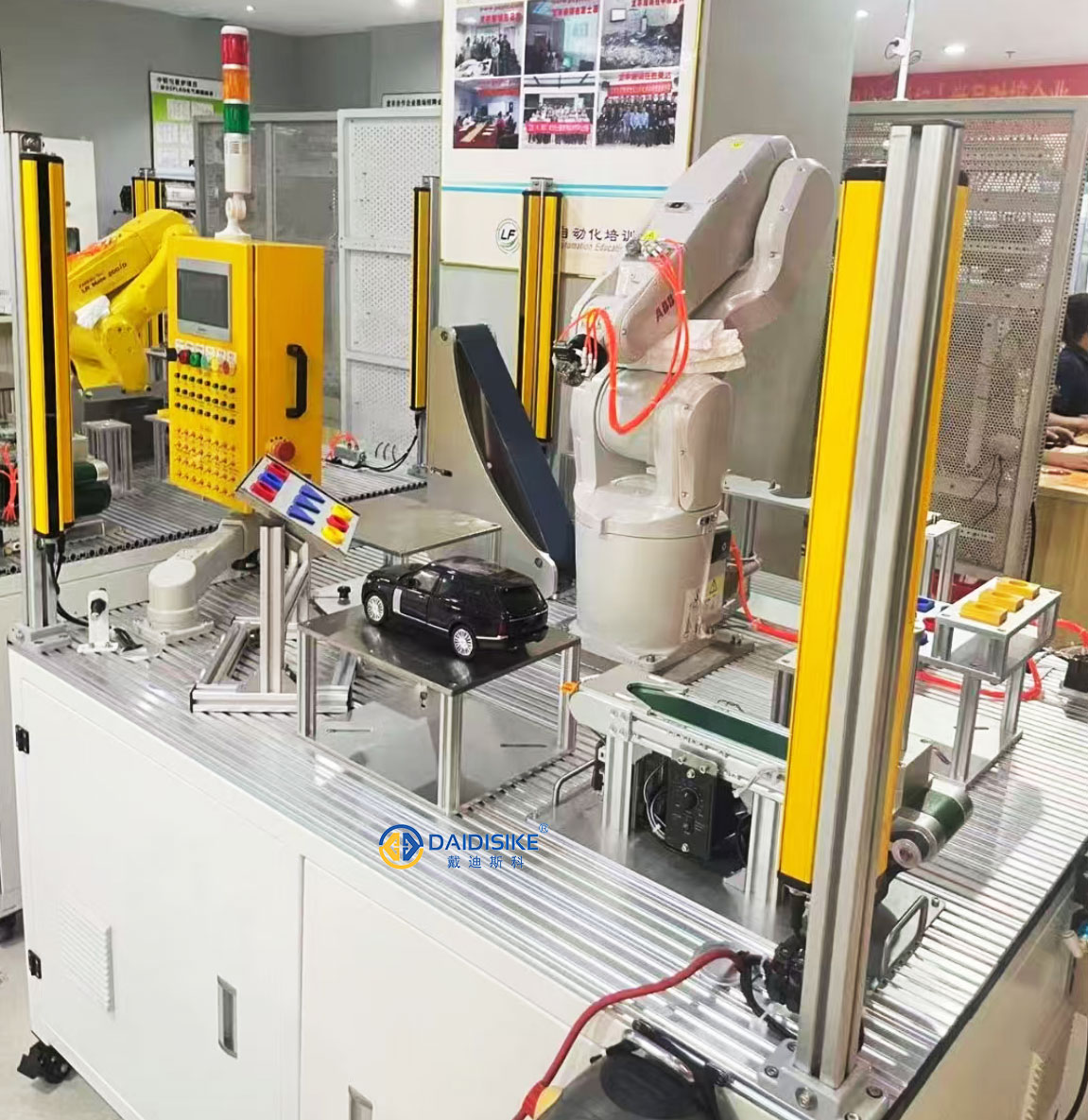
DAIDISIKE Safety Maintenance Check

1. The Optical Clarity Check

Think of your light curtain like a pair of glasses. If the lens is covered in dust, coolant mist, or grease, the IR beams become “blurry.” This leads to intermittent signal loss or, in extreme cases, a failure to detect. Clean lenses ensure perfect beam alignment.

To understand why a clean lens is vital for maintaining the millisecond-fast pulse required by the receiver, take a look at our technical breakdown of how safety light curtain sensors work.
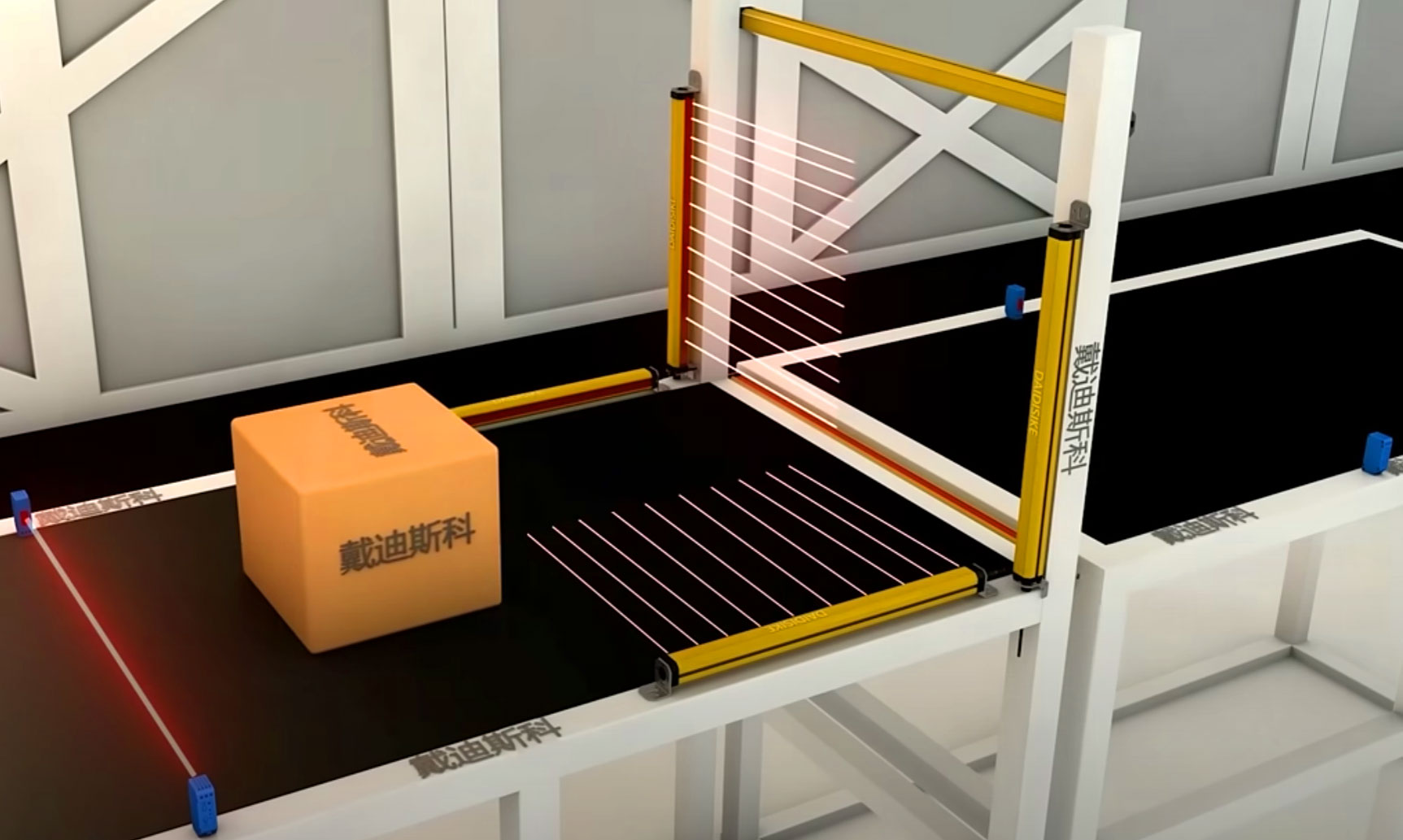
DAIDISIKE Optical Alignment Check

2. Daily Maintenance Checklist

Check ItemWhat to Look For
Lens CleanlinessWipe with a soft, lint-free cloth. No abrasive chemicals.
Bracket StabilityEnsure mounting nuts haven't vibrated loose. No “wobble” allowed.
Indicator StatusIs the DAIDISIKE DQC or JER Series showing a solid green “All Clear”?
Cable IntegrityCheck for nicks, frays, or tight bends in the connection cables.
DQE Series Safety Level Verification

3. Upgrading the “Heart” of Your Safety System

If you are still running 10-year-old sensors that flicker or fail to sync, it’s time to modernize. Our DQC Line-Sync Series and JER Optical-Sync Series offer the latest in interference resistance, making alignment easier and maintenance less frequent.

Pro Insight: Total Logic Protection
For high-risk zones, our DQT Series features dual-outputs that wire directly into DAIDISIKE Safety Relays and 4-way safety modules. Whether you need NPN/PNP or dry contact relay outputs, our modules provide the redundant self-checking logic required to meet the strictest Type 4 safety standards.
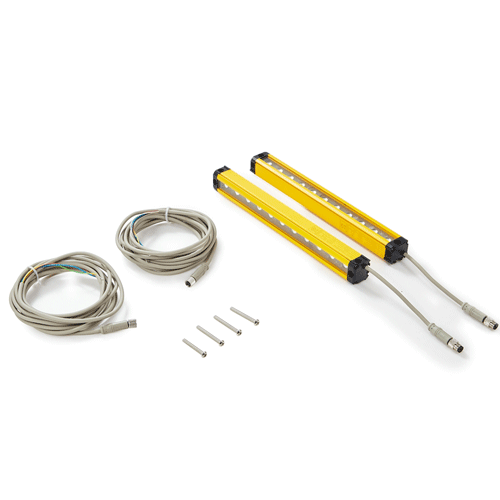
DAIDISIKE MK Finger Protection Series

Summary: Respect the Machine, Protect the Person

A 5-minute check today prevents a 5-month recovery tomorrow. If your current equipment is showing signs of age or inconsistent performance, don't wait for a failure. Explore our updated Safety Light Curtain Range to find a modern, reliable replacement.

Need a printable version of this checklist for your team?
Contact our support engineers for a customized safety protocol tailored to your DQC, JER, or DQT installations.
Upgrade Your Factory Safety Today →
TechnicalSafety Distance GuideTroubleshootAnti-InterferenceAdvancedMuting vs. BlankingChecklistDaily InspectionProcurementReal Cost of Sensors

DAIDISIKE Tech & Video Center

Advanced Sensor Solutions for Industrial Safety and Automation

DAIDISIKE Corporate Profile

Discover our commitment to precision engineering and manufacturing.

Safety Interlock DX Series

Real-world application for advanced machine safeguarding.

AGV LiDAR DLD30T-5N 40

Enhanced perimeter security and collision prevention solutions.

Vehicle DQLV Light Curtains

Optimized for toll stations and weighbridges profiling.

Measuring DQL Series 3D

Dimensional measurement and object positioning principles.

DQC Universal Grating

Installation guide for hand & finger safeguarding.

Waterproof DQR Series

Performance under high-pressure washdowns.

Color Mark Sensors

Intelligent recognition for high-speed packaging lines.

Strip DK-D461 Sensors

Advanced background suppression for irregular shapes.

Area DQSA Protection

Cost-effective side safeguarding using mirror reflection.

Frequently Asked Questions

What should a quick daily safety-light-curtain check include?

A short daily check covers optical clarity (clean faces, no obstruction), a function test that interrupting the field stops the machine, confirmation that alignment indicators are steady, and a look for physical damage or loose mounting. It takes only a few minutes but catches the most common problems early.

How often should I test the stop function?

Test that breaking the field stops the hazardous motion at least at the interval set by the risk assessment and the manufacturer — commonly at each shift start or daily for high-risk machines. Record the test so there is evidence the safety function was verified.

Why is optical clarity important?

Dust, oil or spatter on the optical faces can weaken the signal and cause nuisance trips or unreliable detection. Keeping the faces clean maintains a strong signal margin and dependable operation, which is why it is the first item on a daily check.

What are signs a light curtain needs attention?

Frequent nuisance trips, marginal or fluctuating alignment indicators, visible damage, loose brackets, or a slow or inconsistent stop response all signal that the device or its mounting needs attention before it affects safety or uptime.

When should I consider upgrading an older safety system?

Consider upgrading when a device no longer meets the current risk assessment, when nuisance trips persist despite maintenance, when spares are hard to source, or when faster response would improve guarding distance and throughput. Any upgrade should be validated against the standards.