A New Day at the Old Plant: Manager Li’s Safety Light Curtain Retrofit
· Foshan
Content updated: 2026-09-05. Illustrative narrative: Manager Li and Technician Zhou are story characters, not independently documented customer references. No plant, measured result, audit pass or installation approval is evidenced by this article.
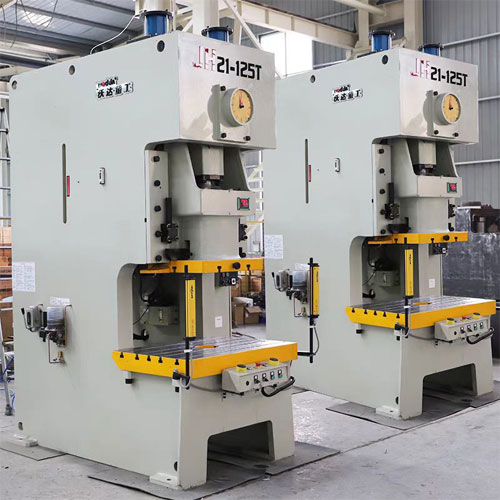
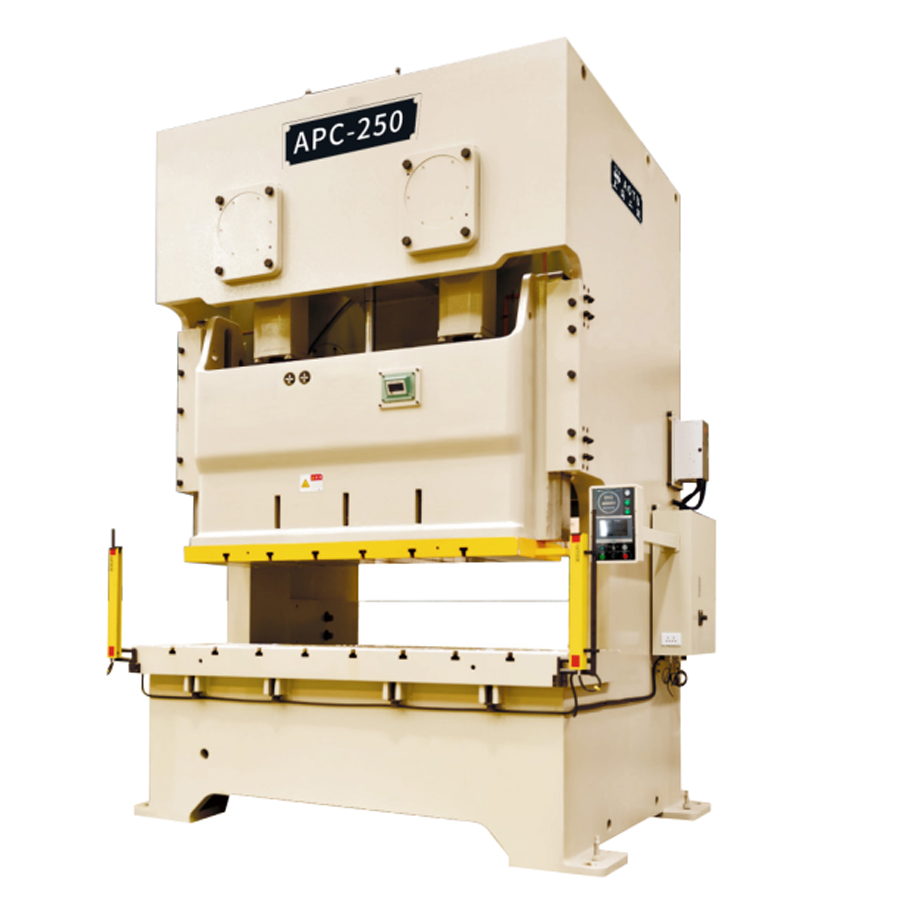
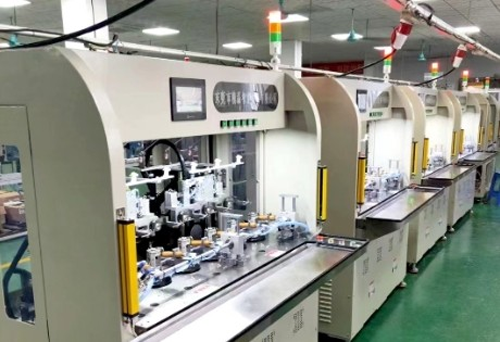
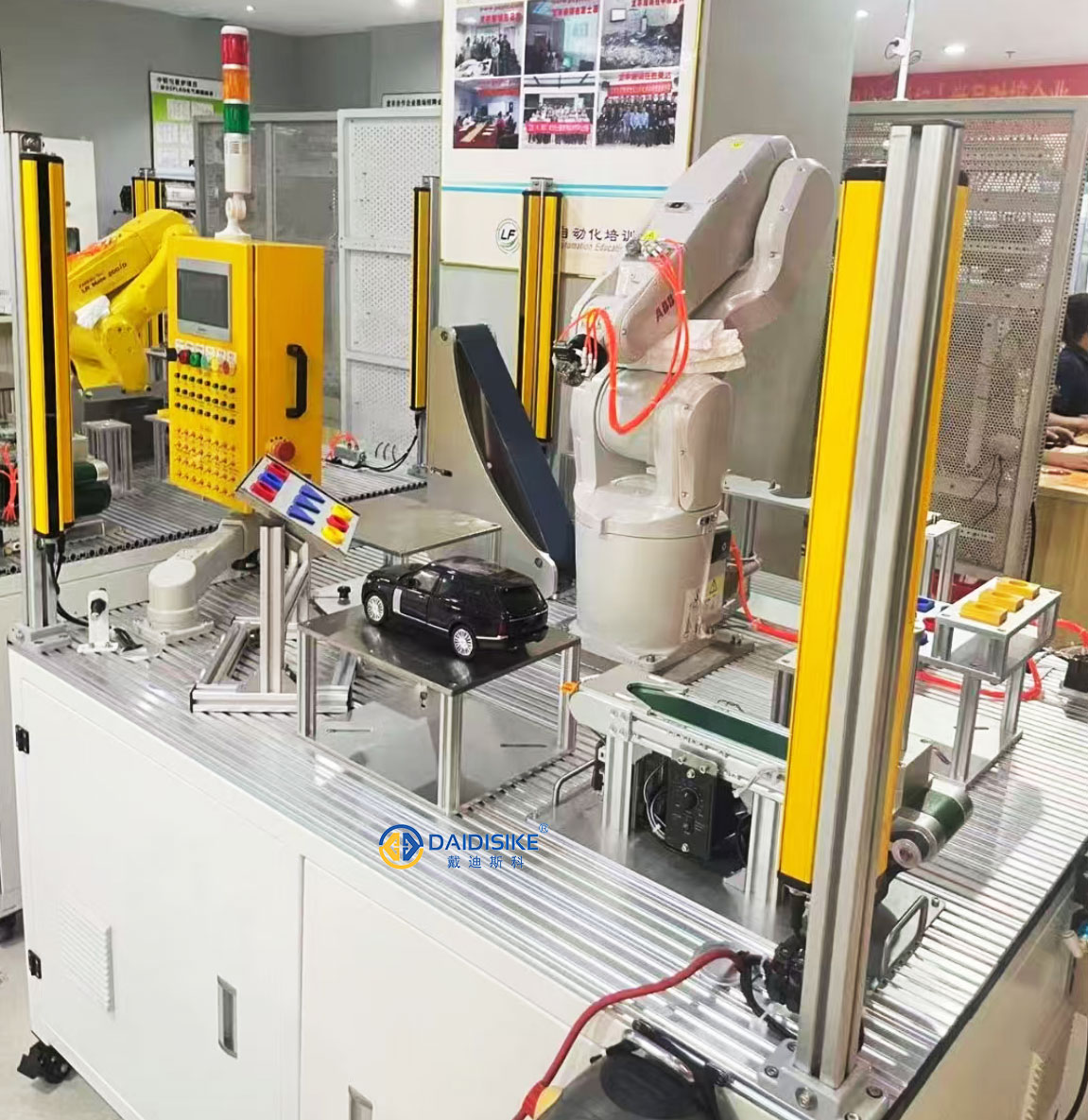
Press-opening illustration, not evidence of the narrated retrofit or its validationPress-front illustration; internal OSSD wiring and monitoring are not shownProduction-line illustration, not a stop-time measurement recordRobotic demonstration-cell illustration; no press retrofit result is evidenced
At 5:30 a.m., the first light in the stamping shop clicks on. Manager Li stands in front of a fifteen-year-old press brake with a notebook in hand. A strict safety audit is due this week. Today, the plan must be finalized.
In recent months, occasional nuisance stops and reset disputes have disturbed the line’s takt. What weighs on him more is the audit checklist: stop-time measurement, safety-distance calculation, and EDM monitoring. He’s not against standards—he just refuses to let paperwork crowd out real production.
He starts with the press brake. Old frame, reflective tooling, oil mist—each item feels like a test. Technician Zhou suggests reviewing the selection requirements. Li follows the trail to a focused entry point: safety light curtain selection. The product category helps identify candidates, not certify the old press. Actual mounting and safety distance require approved model data and a project-specific assessment. He leaves the “stop-time” box blank for now—measurements are scheduled for the afternoon.
Next comes the punch press. Both machine stoppability and control compatibility are fundamental; an audit cannot make an unsuitable press stoppable. He pores over the schematic, checking the reset button location, OSSD routing, and the safety relay’s EDM feedback. Wanting a clearer reference, he opens the consolidated guide: light-curtain interface and installation guides. Zhou treats generic diagrams as orientation only. The team needs an approved machine-specific drawing and validation plan before any loop can be signed off.
“Lighting up isn’t the same as passing an audit.” He writes it in his notebook and draws a little square beside it—the checkbox for the EDM loop.
By afternoon, the story turns to the missing stop-time record and distance assessment. Any bracket change must preserve the required separation and reflective-surface clearance; an arbitrary offset is not a remedy for false trips. Monitoring and reset must follow the exact safety controller and press design, not an indicator lamp or a last-minute mode change made for an audit.
The story does not establish a measured productivity result or a completed acceptance test. On the last page of his notebook, Li turns the three intended outcomes into release conditions:
① Press brake retrofit may be released only after eligibility, mounting and stopping-performance evidence is accepted; ② Punch press circuit must pass its documented fault, stop and restart validation with suitable final-element monitoring; ③ Keep controlled project drawings and test records on site; a public product hub cannot replace them.
By 10 p.m., the shop is quiet. He closes the notebook and pats the old press brake. No grand speeches—just getting each necessary step done right.
What a Press-Brake Light-Curtain Retrofit Involves
Behind the story is an evidence-led engineering sequence. First establish whether the machine can be protected by a presence-sensing device in the intended operating mode. For US mechanical power presses, OSHA prohibits presence-sensing point-of-operation devices on full-revolution-clutch machines. Press brakes and other press types need their own applicable assessment, not that rule copied without scope. Then select documented detection capability and performance, assess reach-through/over/around access, measure the complete stopping chain, and position the device using the applicable ISO 13855 method. S = K × T + C is an introductory relationship, not the whole 2024 assessment. Validate the safety logic, final elements, fault response and restart prevention before release. Some old machines need a different guard, extensive control work or replacement; a light curtain alone cannot make every retrofit acceptable.
Evidence that must exist before release
Machine type, permitted operating mode and measured worst-case stopping performance.
Exact curtain/controller order codes, supported safety inputs and approved monitoring/reset design.
Controlled drawing, access assessment and recorded tests for normal use, faults and restart.
What does a safety light curtain retrofit on an old press involve?
Start with machine eligibility and the required safe state, not a product order. A suitably stoppable press then needs documented detection capability, complete stopping-time measurement, an applicable safety-distance assessment, compatible safety logic and final elements, restart prevention and recorded validation. Some machines need another safeguarding method or replacement.
Why measure the press's stopping time before fitting a light curtain?
Stopping performance determines how far a person can approach before the hazard reaches its safe state. Use the full configured chain, including sensor, safety logic, final elements and mechanical stopping, under relevant worst-case conditions. S = K × T + C is an introductory relationship; ISO 13855:2024 requires the applicable approach and access assessment.
What causes nuisance stops after a retrofit, and how are they reduced?
Alignment, dirty optics, vibration, reflections and wiring faults are possible causes, not a proven frequency ranking. Diagnose against the exact manual without shrinking protection, extending response time without reassessment, or bypassing the curtain. Fault correction and restart validation are separate from simply obtaining a clear-field indication.
What is EDM and why does a safety audit look for it?
EDM monitors suitable external switching-device feedback and can inhibit restart when the expected state is not reached. It is one model-specific method of final-element monitoring, not automatic proof of Category 4 or a universal audit checklist item. The complete press safety function requires validation; an EDM lamp alone is not evidence.
Can an old press brake be brought up to current safety expectations?
Possibly, but only after the actual machine, tasks, stoppability and control condition are assessed. This illustrative story does not establish that any specific old press passed an audit. Where adequate protection cannot be achieved with a curtain, a different safeguarding method, major machine modification or replacement may be necessary.