
Troubleshooting “Ghost Trips”: Handling Optical Interference in Welding Robotic Cells
Why your safety curtain keeps tripping when the robots start welding — and how to stop it.We’ve all been there: The welding robot strikes an arc, sparks fly, and suddenly your safety system trips for no apparent reason. The line stops. Production goals slip. Your maintenance team spends hours checking cables, only to find nothing physically wrong.
This is the “Ghost Trip” — a classic case of optical interference. In the chaotic environment of a welding cell, standard light curtains are often blinded by the intense IR and UV light emitted by welding arcs. At DAIDISIKE, we don't think you should have to choose between safety and efficiency.
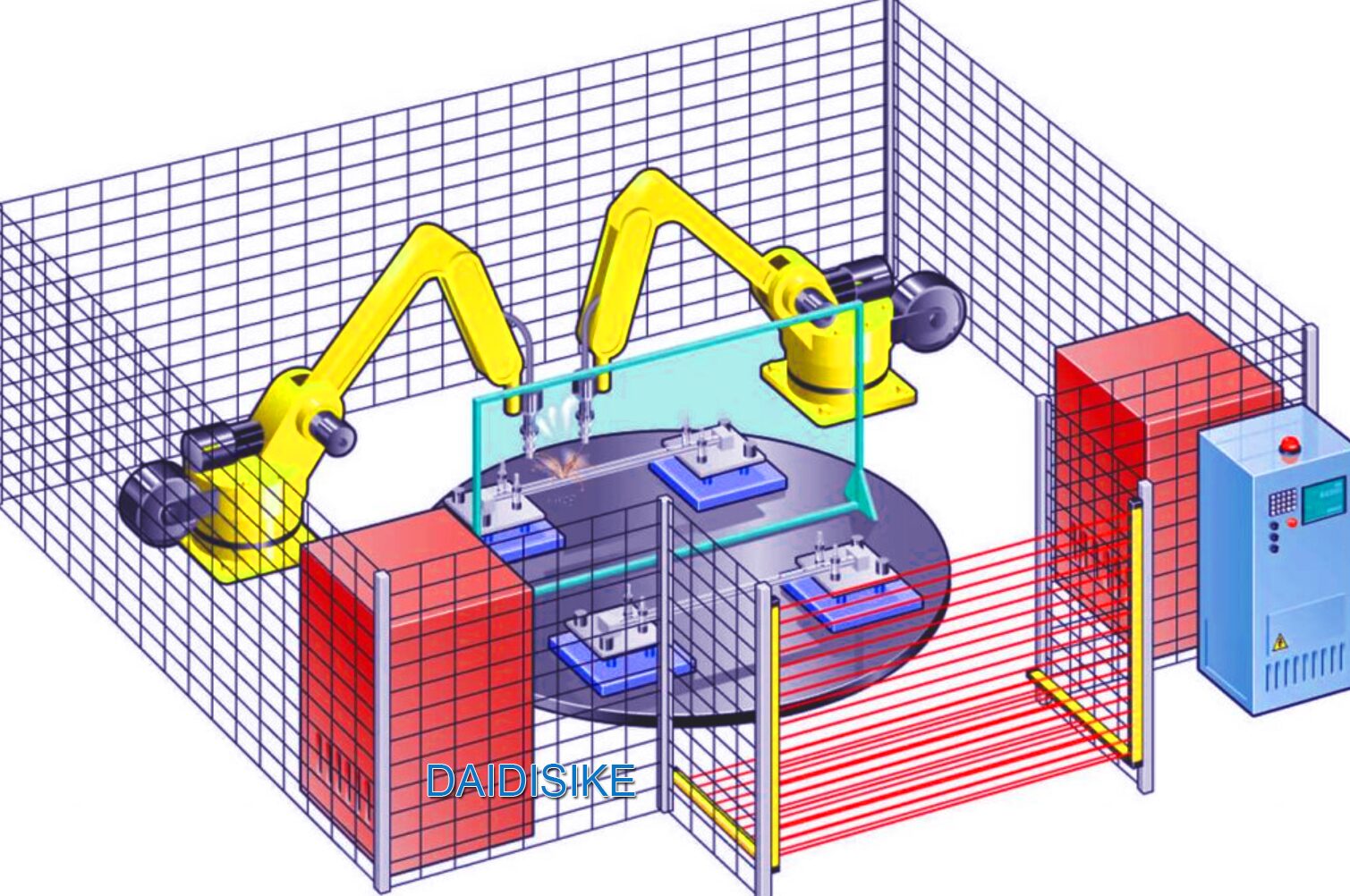
1. The Science of the “False Trigger”
A safety light curtain works by sending invisible infrared pulses from an emitter to a receiver. But a welding arc isn't just bright; it's a massive, uncontrolled source of infrared radiation. If your sensor isn't smart enough, it can't tell the difference between its own beam and the “noise” from the welding spark.
To fix this, you need a sensor that uses Digital Frequency Encoding. By “tagging” each light pulse with a unique digital signature, the receiver can effectively ignore any light that doesn't have the correct ID. To dive deeper into the physics of this, check out our guide on how safety light curtain sensors work.
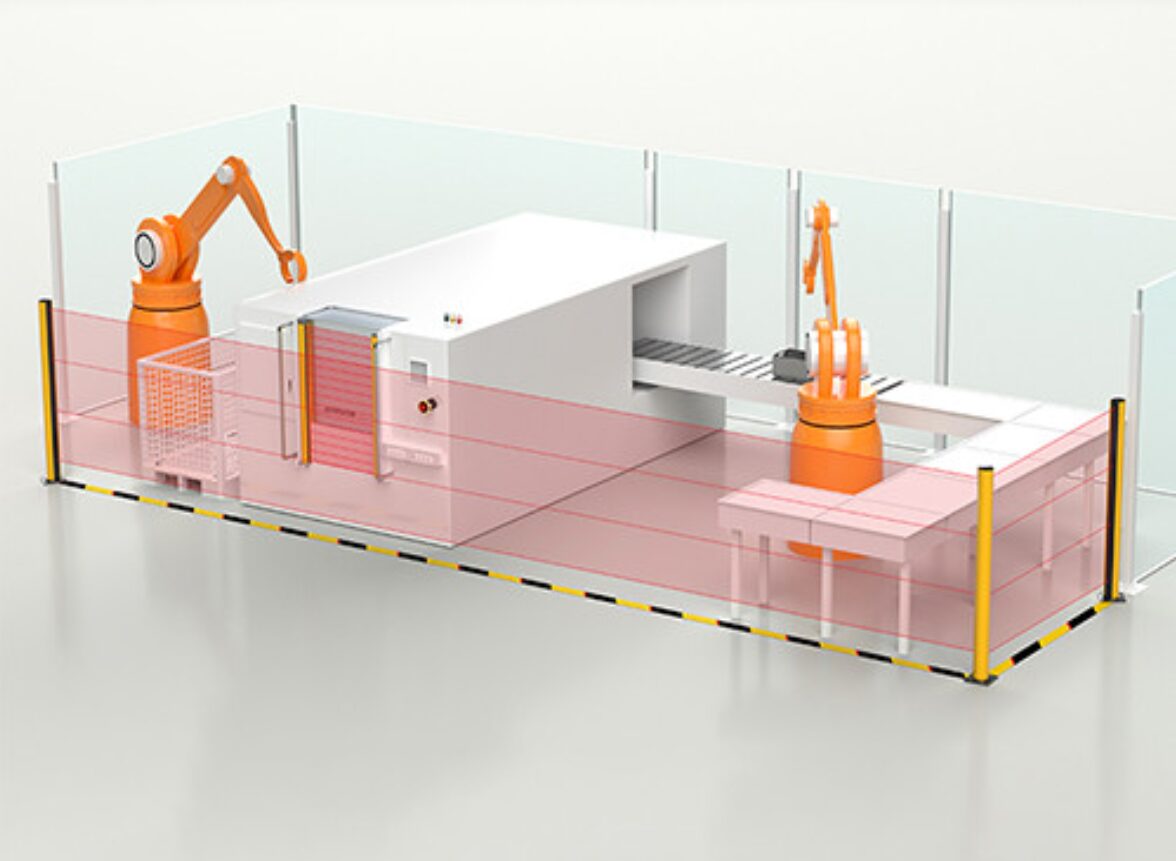
2. Engineered Resilience: The DQE and DQT4 Advantage
When “good enough” isn't safe enough, professional engineers turn to the DQT4 and DQE series. These are not just standard gratings; they are industrial-grade filters designed for high-noise environments.
3. Choosing Your Shield: Model Overview
Depending on your risk assessment, we offer two main paths for welding cell protection. Both are optimized for high-interference resistance:
| Model Series | Safety Grade | Best For... |
|---|---|---|
| DQE Series | Type 2 / Type 4 | General automation and light welding assembly. |
| DQT4 Series | Type 4 (Highest) | High-risk robotic welding, heavy sparks, and long-range perimeters. |
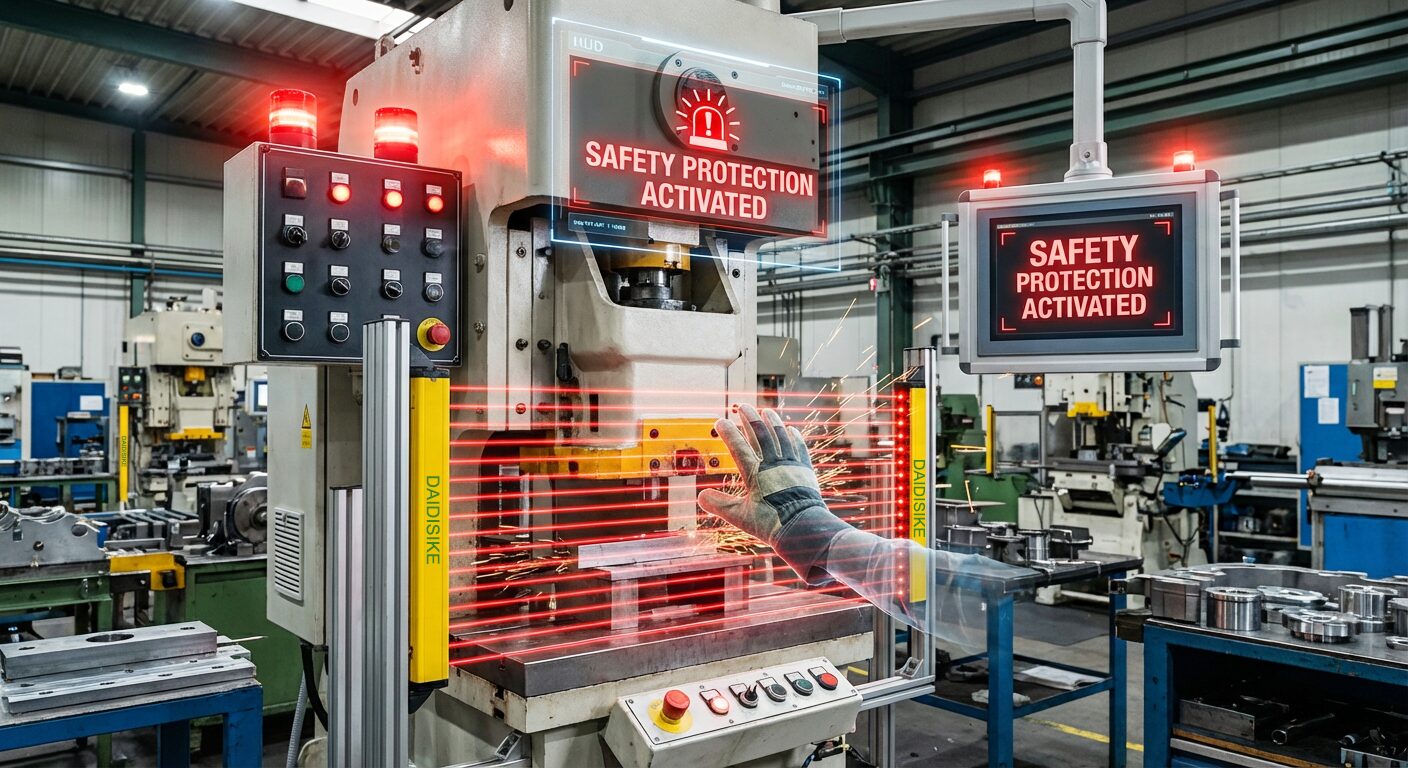
4. Practical Field Tips for Welding Environments
- Physical Shielding: Whenever possible, use smoked or tinted safety glass to shield the receiver from direct arc exposure.
- Angular Mounting: Tilting the sensor just a few degrees away from the direct line of sight of the spark can drastically reduce optical noise.
- Verify Response Time: Ensure your sensors are running at their optimal frequency. You can find more details on our Safety Light Curtain product page.
Summary: Don't Let Noise Kill Your Uptime
Safety shouldn't be a headache. If your line is stopping because of light interference, you aren't using the right tools. By upgrading to the DAIDISIKE DQT4 series, you are investing in a system that is as smart as it is safe.
Contact our application engineers today for an on-site audit of your robotic cell’s safety logic.
Explore the Anti-Interference Range →