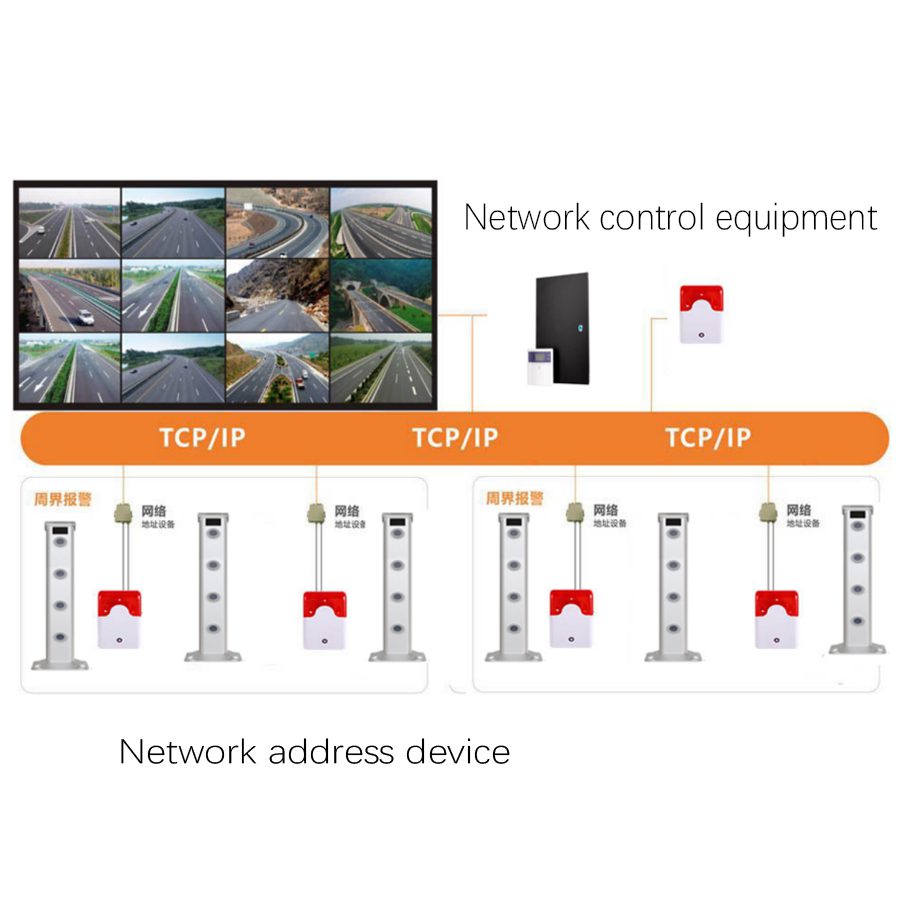
DDSK-J Series Outdoor laser long-distance alarm and protection infrared sensor

A perimeter intrusion alarm has one job: detect someone crossing a fence line and fire the alarm before they reach the building. PIR motion sensors are too short-range for real perimeters. IP cameras with AI cost too much and need power at every pole. Beam grating sits in the sweet spot — long range (up to 500 m), genuine deterministic detection (cross the beam, the alarm fires), and extremely low false-alarm rates when you wire it with dual-beam logic that ignores birds, leaves, and small animals. DAIDISIKE supplies the full range from battery-only ABF units (drop on a fence, no wiring) to solar-powered JHW detectors for off-grid sites, to 500-meter DDSK-J laser beam for the perimeters where range and weather penetration matter most.
Looking for the technology-comparison view (laser vs infrared, range / beam-count selection)? See the Outdoor Laser Long-Range Beam Grating category page — same products, organized by sensor technology rather than security application.
Each technology has its place in a layered perimeter system. Here's where beam grating earns its keep:
| Detection method | Beam grating | PIR motion | IP camera + AI |
|---|---|---|---|
| Range | 50–500 m | ≤ 12 m | ≤ 50 m (good optics) |
| False alarms | Low (dual-beam logic) | High in hot weather | Medium (AI-tunable) |
| Power draw | Very low | Low | High (camera + AI) |
| Works at night | Yes (IR/laser) | Yes | Needs IR illumination |
| Visual verification | No | No | Yes |
| Installation cost | Low–medium | Low | High |
| Best role | Hard intrusion line | Confirmation zone | Visual evidence |
A best-practice perimeter installation typically uses beam grating to detect, PIR motion to confirm (eliminating the rare false-alarm), and an IP camera with night-vision to verify and record. The beam grating handles the long-range fence line at low cost; the PIR covers the high-value approach areas; the camera gives the security officer visual evidence of who and what.
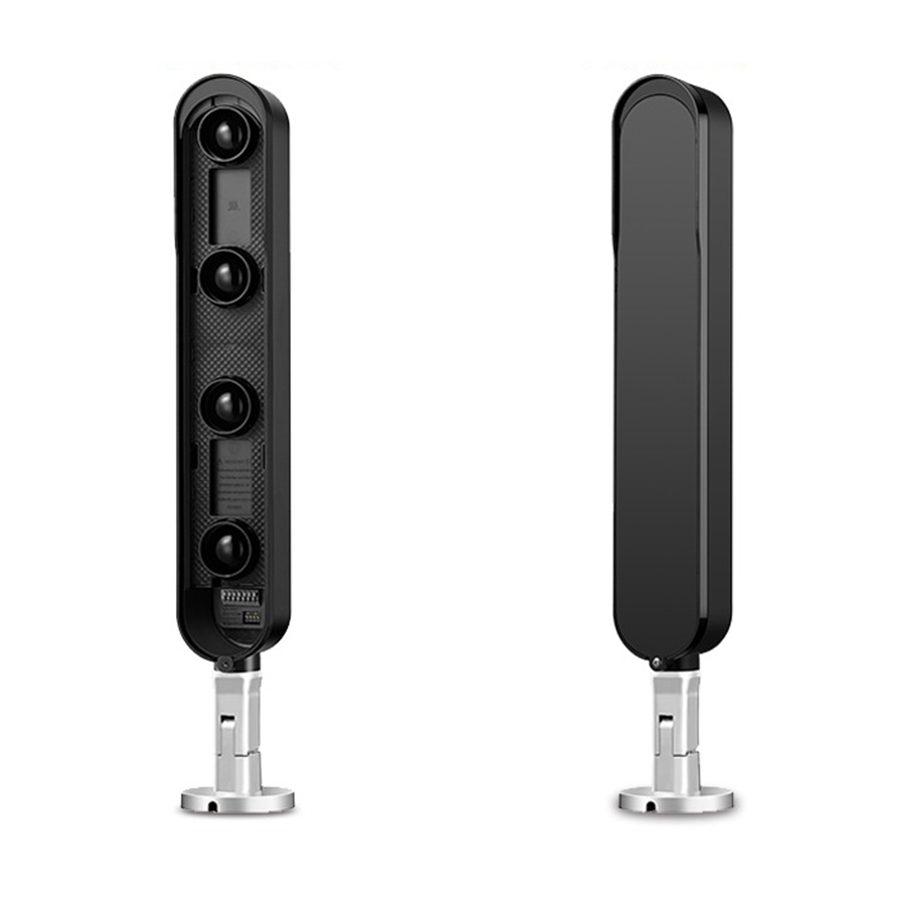
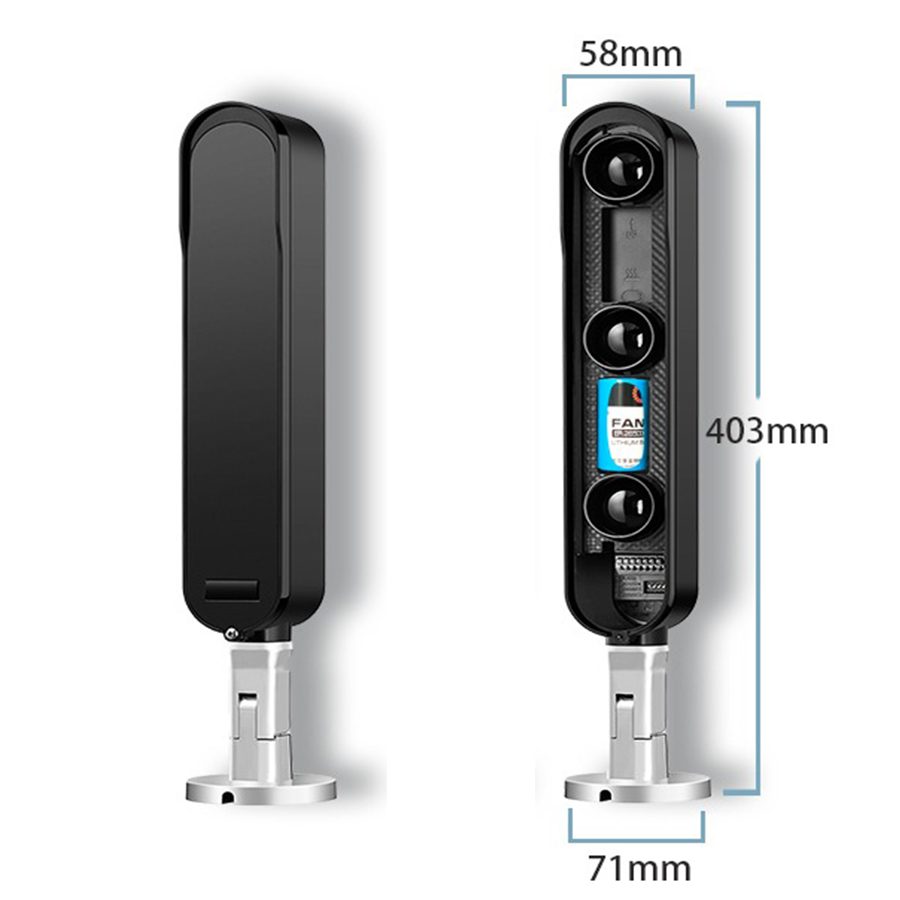
DDSK-J Series Outdoor laser long-distance alarm and protection infrared sensor
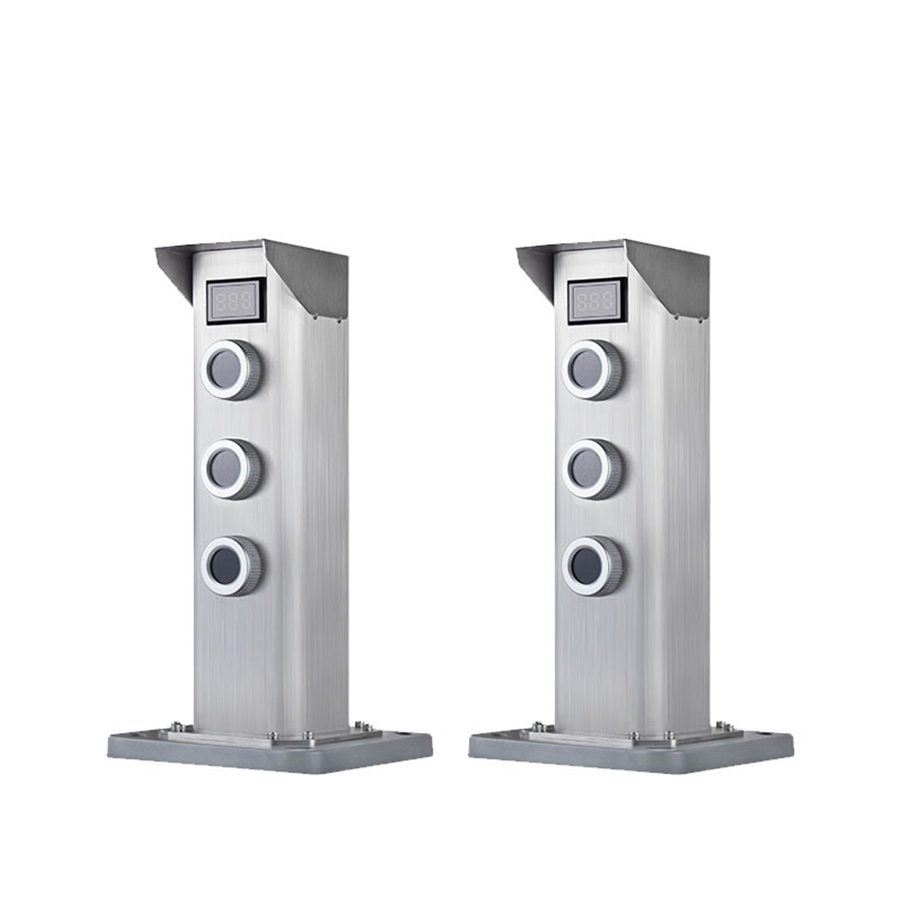
DDSK-J Series Outdoor Laser Beam Sensor 500 meters
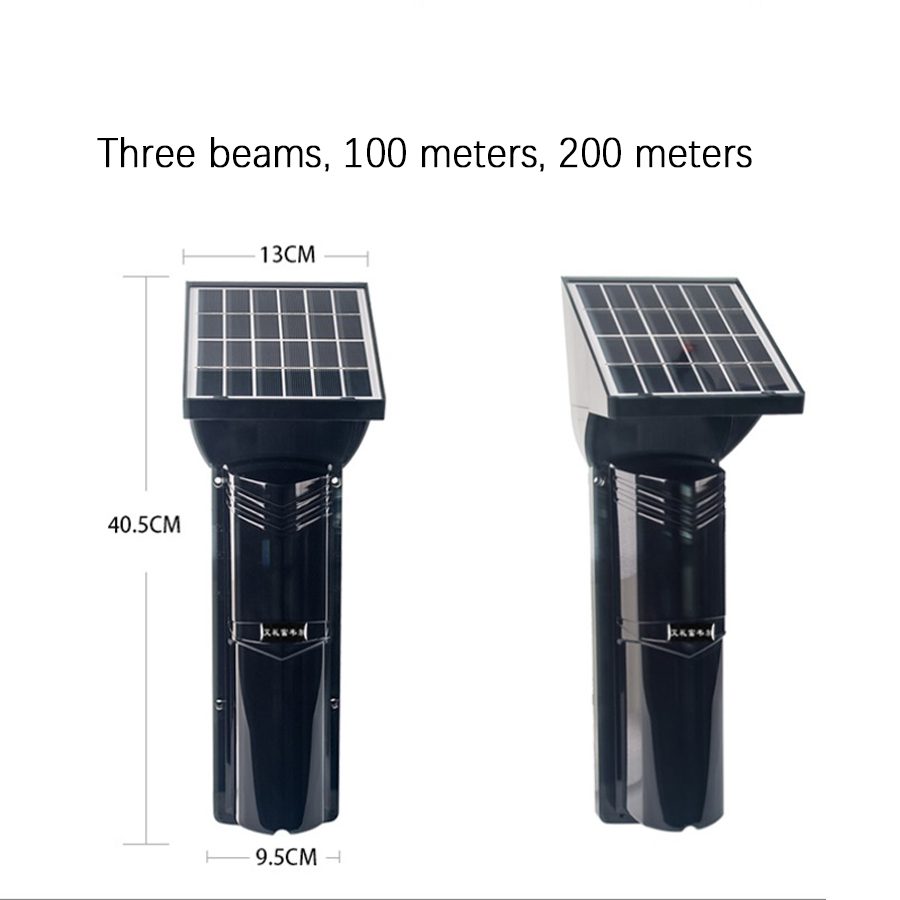
JHW Solar Wireless Infrared Anti-Tamper Detector for Perimeter Walls
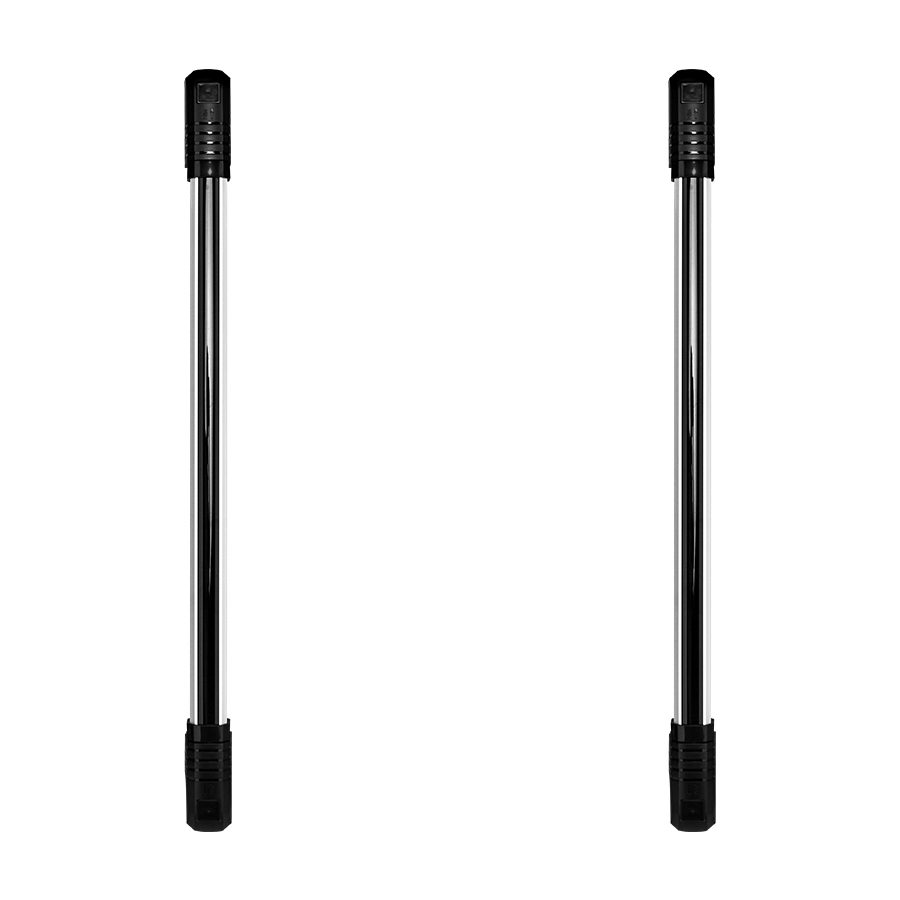
AKT outdoor waterproof infrared beam grating detector perimeter railing
JNS Series Wired Infrared Detector Anti-Sunlight Anti-Theft
ABF Series Battery-Backed Infrared Duplex Wireless Sound and Light Alarm
An indoor safety light curtain (DAIDISIKE DQA, DQC, MK families) is a machine-guarding device — it stops a press or robot when a hand enters the danger zone. An outdoor safety protection light grating is a perimeter-intrusion detector — it triggers an alarm or notification when someone crosses a fence line, climbs a wall, or enters a restricted compound. Same physics (infrared or laser beam), totally different application, different certifications (machine safety vs. alarm-system compliance), different mounting heights, different output interfaces.
PIR detectors trigger on heat changes within their viewing cone — they work well at short range under 12 m but fail in hot weather (background and human IR signatures merge) and miss slow-moving intruders. IP cameras with motion analytics provide visual verification but require power, network, and often AI-server processing for low false-alarm rates. A beam grating is a hard line in space: cross it and the alarm fires deterministically. The three technologies complement each other — a real perimeter security system typically uses beam grating to detect, PIR to confirm, and IP camera to verify and record.
Installation difficulty depends on the product: ABF and JHW (wireless, battery or solar) can be installed by anyone with basic DIY skills — mount the bracket, screw on the unit, point the emitter and receiver at each other, done. AKT and JNS (wired) need cable runs from each pair back to a central control box, which is usually a licensed-electrician job for permits and compliance. DDSK-J (long-range laser) needs careful optical alignment with the included alignment scope — a security installer is recommended.
Beam grating detectors are extremely low-maintenance compared to PIR or camera-based systems. Annual cleaning of the lens face (a quick wipe) and a beam-alignment check once per year is enough for stable operation. Battery-powered ABF units need lithium-cell replacement every 3 years on average. Solar JHW units have effectively zero maintenance — the integrated panel charges the internal battery indefinitely. The main failure mode is physical: a falling tree branch, a vehicle hitting the pole, or vandalism.
Direct cloud connectivity isn't built into the detectors themselves — instead they feed an alarm panel (Hikvision, Dahua, Bosch, Honeywell, or generic 8/16-zone panels) which then bridges to a cloud service or smartphone app. The detector-to-panel link is either a dry-contact wire pair or a 433 MHz wireless signal, both of which every modern alarm panel accepts as a standard zone input. For a fully wireless setup, the DAIDISIKE keypad receiver bundles the radio + alarm logic + smartphone notification in one box.
The detector itself responds in 80–100 ms — fast enough that a running person can't cross more than 30 cm into the protected area before the alarm fires. Wireless transmission to the receiver adds another 50–200 ms depending on the radio path. From beam-break to the local audible alarm or to a smartphone notification, total latency is typically under one second, which is well inside the response window for any practical intrusion scenario.