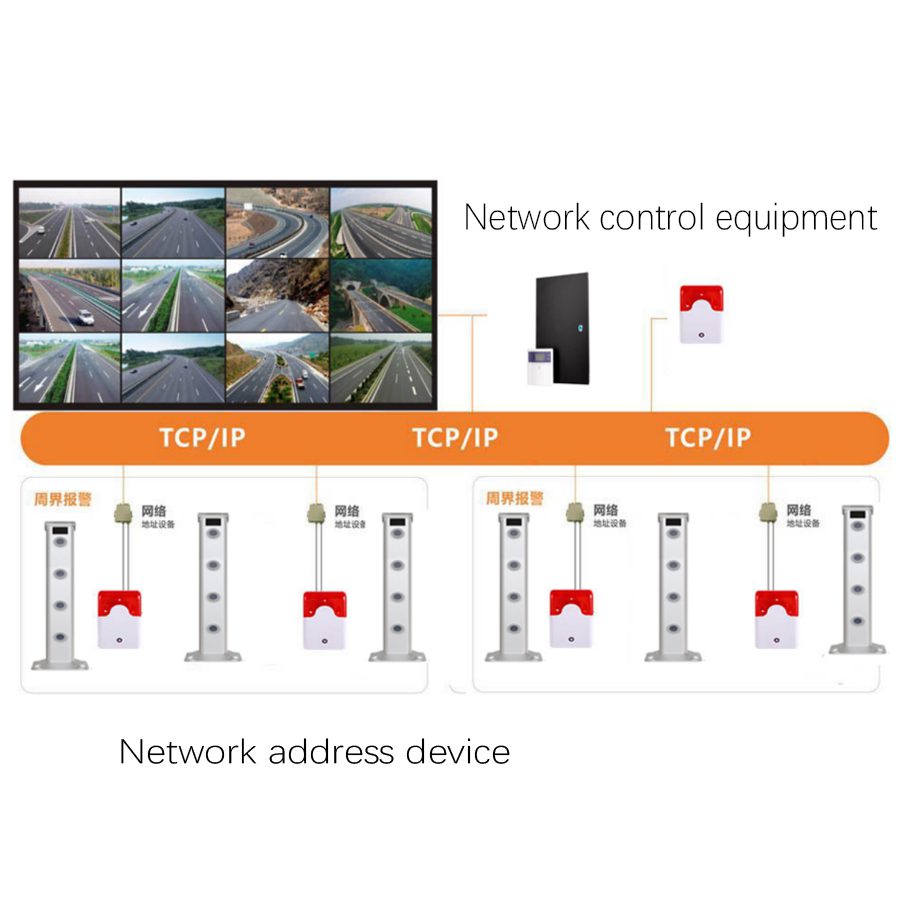
DDSK-J Series Outdoor Laser Long-Distance Alarm & Protection Infrared Sensor

DAIDISIKE outdoor beam grating detectors form an invisible fence around perimeters where physical barriers aren't practical: orchards, fish ponds, construction sites, warehouse yards, substations, border outposts, and unattended rural facilities. The flagship DDSK-J series uses collimated laser beams to reach out to 500 meters per pair for long fence lines and high-value perimeters. The AKT, JHW, JNS and ABF families use wide-cone infrared LED beams at 50–200 m ranges, with 2, 3, 4, 6, 8, or 10 stacked beams to defeat crawl-under and step-over intrusions. Power options cover everything from mains-wired installations to solar-only off-grid sites and three-year lithium-battery autonomy. All units carry IP65 weatherproofing, dual-beam alarm logic to reject birds and falling leaves, and dry-contact + 433 MHz wireless outputs that pair with any standard security panel.
Three distinct technologies live in this category, each with a clear best-fit application:
| Power Type | Series | Service Life | Cost | Best Fit |
|---|---|---|---|---|
| Wired (mains-fed) | JNS series | Indefinite | Lowest | Best for new construction with ducting |
| Battery (lithium) | ABF series | ~3 years per charge | Low | Walls/fences distant from power, low-maintenance |
| Solar + battery | JHW series | Indefinite (10+ yr panel life) | Medium | Off-grid orchards, rural sites, watch posts |
| Laser long-range, wired | DDSK-J series | Indefinite | Highest | High-value perimeters: data centers, military, large yards |
Multi-beam solar JHW detectors along the orchard boundary catch fruit thieves at night without trenching cable to every pole. Pair with an audible alarm at the farmhouse for an immediate response.
Battery-backed ABF alarms on the hoarding fence run for the whole project on one charge. Removable mount lets the contractor reuse the system on the next site.
Solar-powered JHW around the pond perimeter detects theft and stray-livestock incursions. IP65 housings handle splash and humidity without degrading.
Wired JNS detectors across the yard entry combined with a DDSK-J 500-meter laser fence along the back boundary cover both vehicle-entry and after-hours intrusion paths.
AKT 8- or 10-beam grating along the compound fence forms a virtually uncrossable barrier. Anti-sunlight JNS detectors at the gate avoid daytime false alarms from sun glare.
DDSK-J 500-meter laser beam covers the entire approach lane to a watchtower. Long range means fewer detectors, fewer alignment maintenance points, and lower lifetime cost.
DDSK-J Series Outdoor Laser Long-Distance Alarm & Protection Infrared Sensor
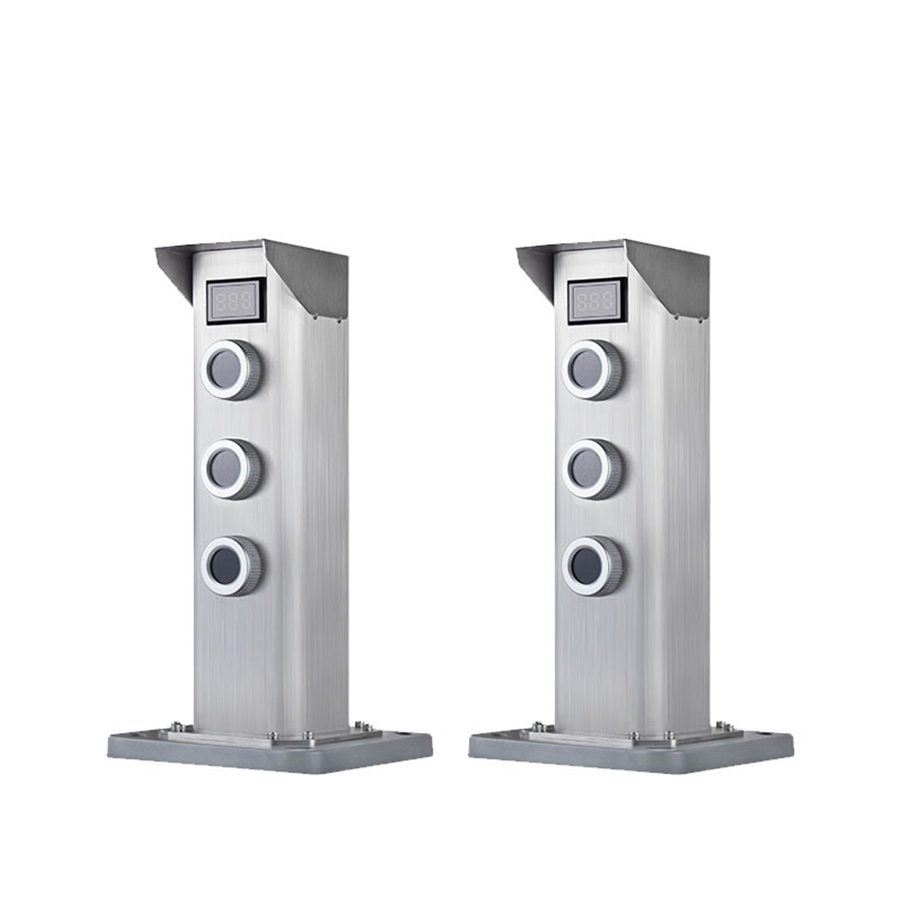
DDSK-J Series Outdoor Laser Beam Sensor — 500 Meters
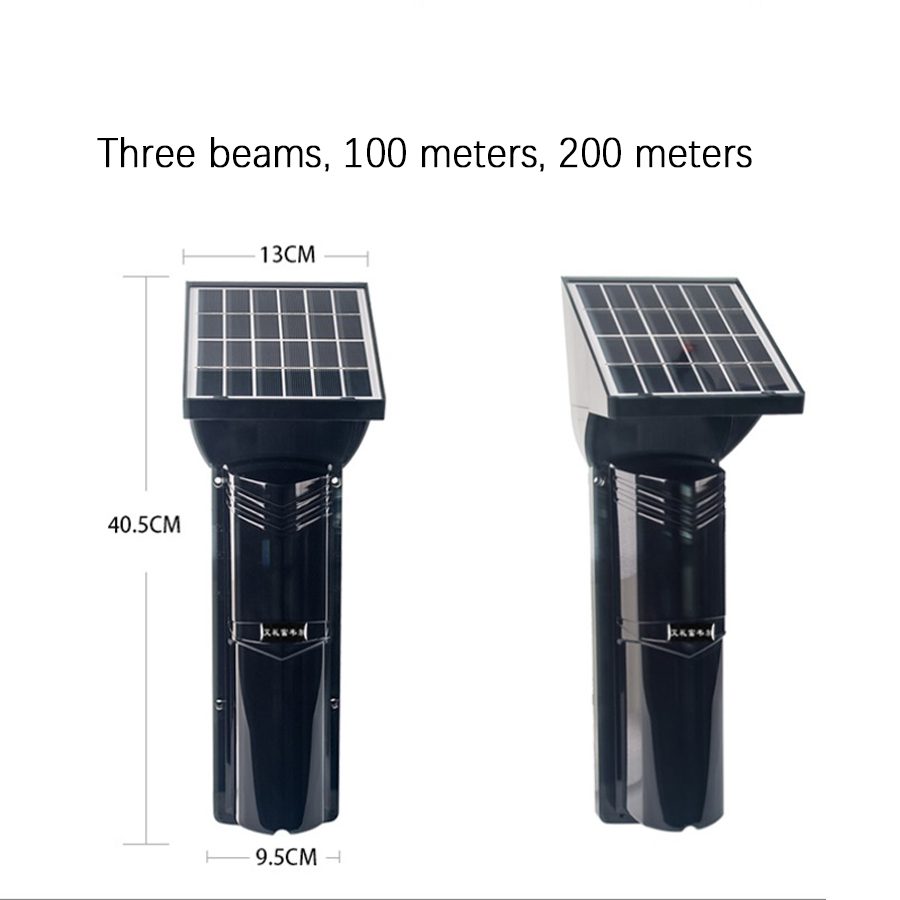
JHW Solar Wireless Infrared Anti-Tamper Detector for Perimeter Walls
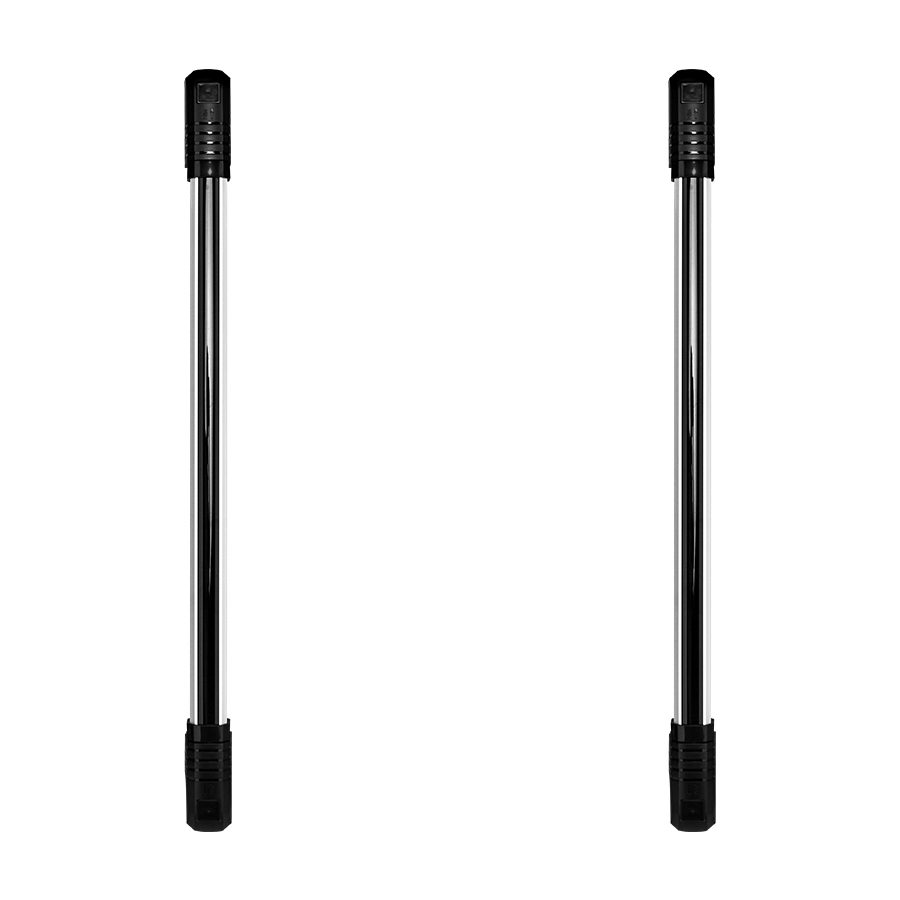
AKT Outdoor Waterproof Infrared Beam Grating Detector — Perimeter Railing
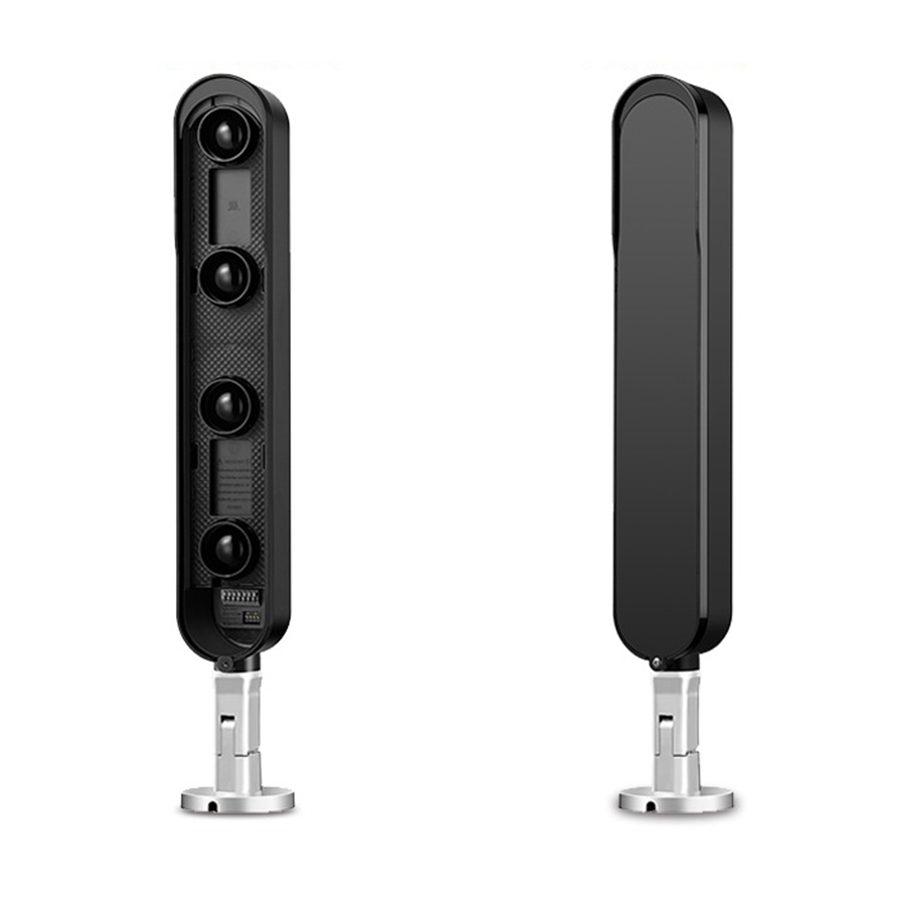
JNS Series Wired Infrared Detector — Anti-Sunlight, Anti-Theft
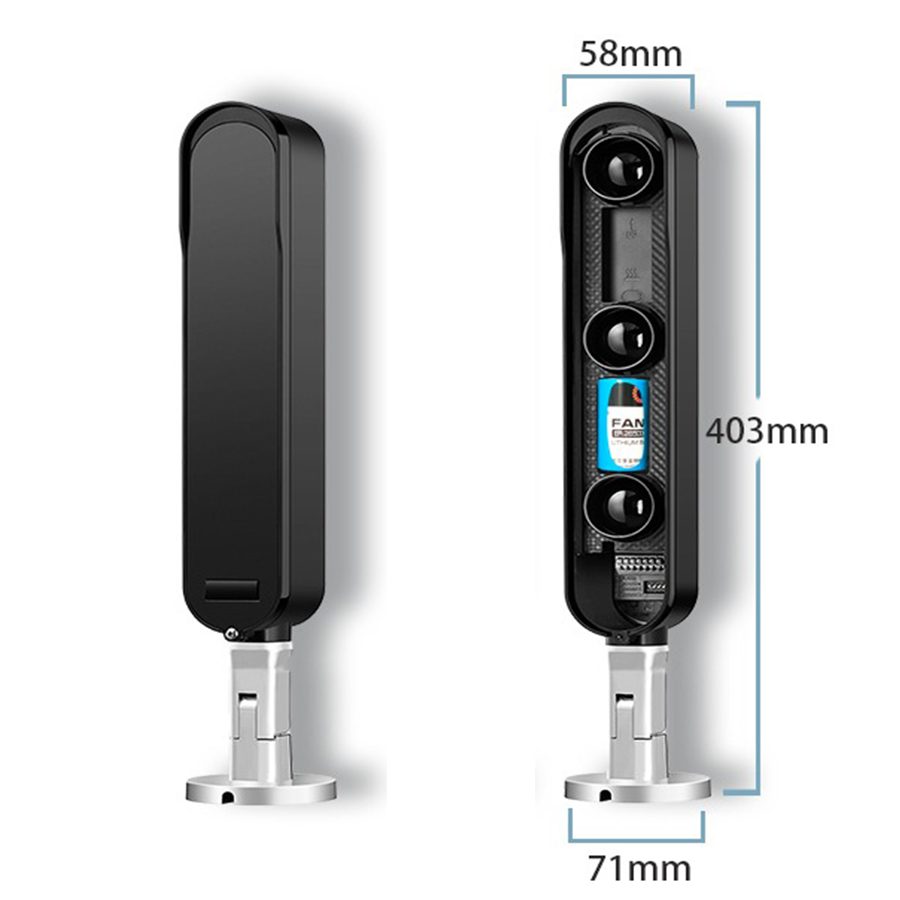
ABF Series Battery-Backed Infrared Duplex Wireless Sound & Light Alarm
Laser beam (650 nm visible red or 905 nm near-infrared collimated) gives longer range (up to 500 m for the DDSK-J), smaller beam spread, and better fog/rain penetration. Use laser when the perimeter is long, the line-of-sight is clear, or the application is high-value (data centers, military fences, large warehouse yards). Wide-cone infrared LED beams (the AKT and ABF families) are cheaper, easier to align, and more forgiving of small mounting drift — use them for 50-200 m perimeters around orchards, fish ponds, parking lots, and residential compounds.
Beam count is set by the wall height you need to protect and how hard it should be for an intruder to slip through. Two beams (typical pole separation 75 cm) defeat a person walking through but not a duck-walker or crawler. Four beams (110 cm separation) catch most adult intruders. Eight to ten beams (170-200 cm) form an essentially uncrossable wall for stand-up, crawl, or stretcher-style approaches. The AKT 4-beam, 6-beam, 8-beam, and 10-beam variants are direct substitutes — same length, more or fewer transceivers per pole.
DAIDISIKE outdoor beam gratings use 'simultaneous-break' logic — the alarm only fires when two adjacent beams are blocked at the same time. A bird, a falling leaf, or a small animal usually only crosses one beam, so the alarm stays silent. Only a body-sized intruder breaks two beams together. This dual-beam logic is what brings the false-alarm rate down from 'unusable' to 'practical' on real outdoor sites.
Wired (JNS series): for sites with reliable mains and ducting in place — lowest long-term cost and most stable. Battery-powered (ABF series, 3.6 V 8500 mAh lithium): three-year battery life on a single charge, ideal for fences and walls that are too far from power for trenching. Solar-powered (JHW series): for completely off-grid perimeters — orchards, rural watchtowers, construction-site fencing — where you want zero infrastructure and zero battery-replacement maintenance for years.
Light to moderate rain doesn't trip the alarm because dual-beam logic requires simultaneous blocking of adjacent beams — rain drops are statistically distributed. Heavy fog and snow can attenuate the beam below trigger threshold, in which case the system reports a 'beam loss' fault rather than an intrusion alarm — important distinction for alarm console operators. Modern installations pair beam grating with a perimeter PTZ camera so the operator sees an actual image when either an intrusion or a beam-loss event fires.
Most DAIDISIKE outdoor detectors provide both a relay output (dry contact, normally-closed or normally-open) and a 433 MHz wireless trigger. The relay wires into any standard 8-zone, 16-zone, or hybrid alarm panel from Hikvision, Dahua, Bosch, Honeywell, etc. — same interface as a door contact or motion sensor. The wireless trigger pairs with the matching DAIDISIKE keypad receiver, or with most third-party 433 MHz receivers, when running cable to each detector isn't practical.